
Best Compact Treadmills for Running: Spending Levels for 2026
Disclosure: We may earn a commission when you buy through links on this page, at no extra cost to you. As an Amazon Associate I earn from qualifying purchases. Learn more

Compare compact running treadmills by belt size, motor strength, folding design and price level, and learn what to check before you buy one for a small room.
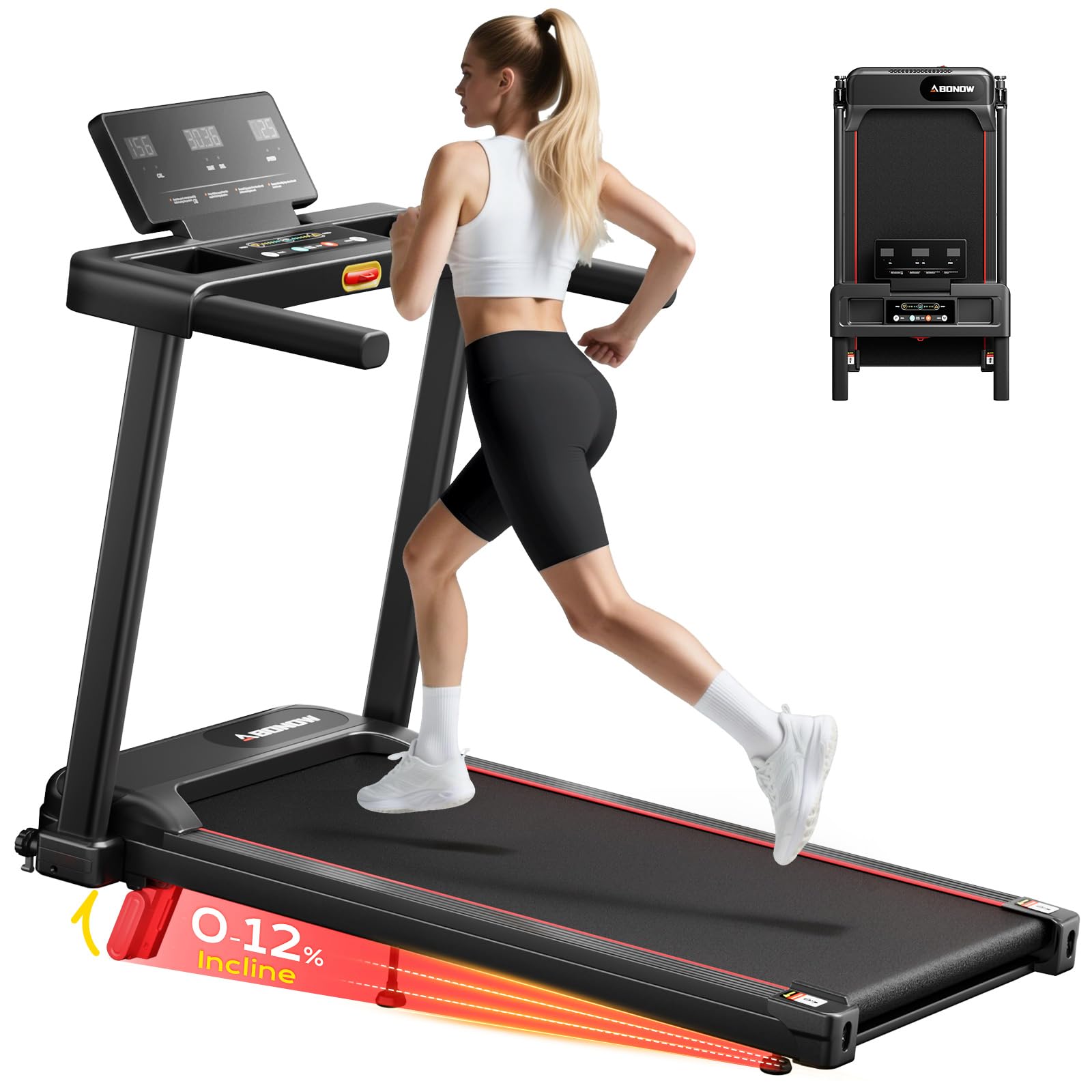
Shopping for best compact treadmills for running means balancing two goals that pull in opposite directions: a belt long enough for a natural stride and a frame small enough to fit a spare room. The comparison table below lays out the main types side by side so you can see the trade offs before you spend. Prices vary widely, so it helps to decide first how much space you have and how often you plan to run.
A compact treadmill is not simply a smaller version of a gym machine. The best small models protect your stride, fold away neatly, and stay stable at running speed. This guide explains what each price level usually delivers, which features are worth paying for, and which extras you can skip. Use it to match a machine to your room, your running habits, and your budget.


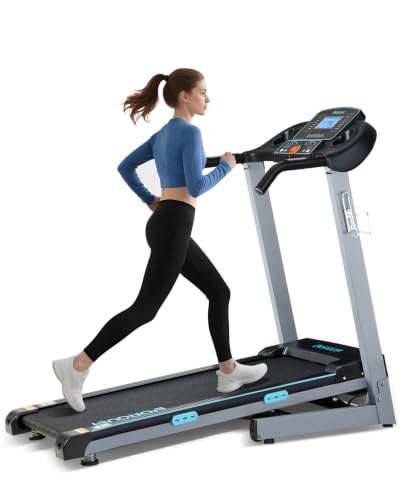
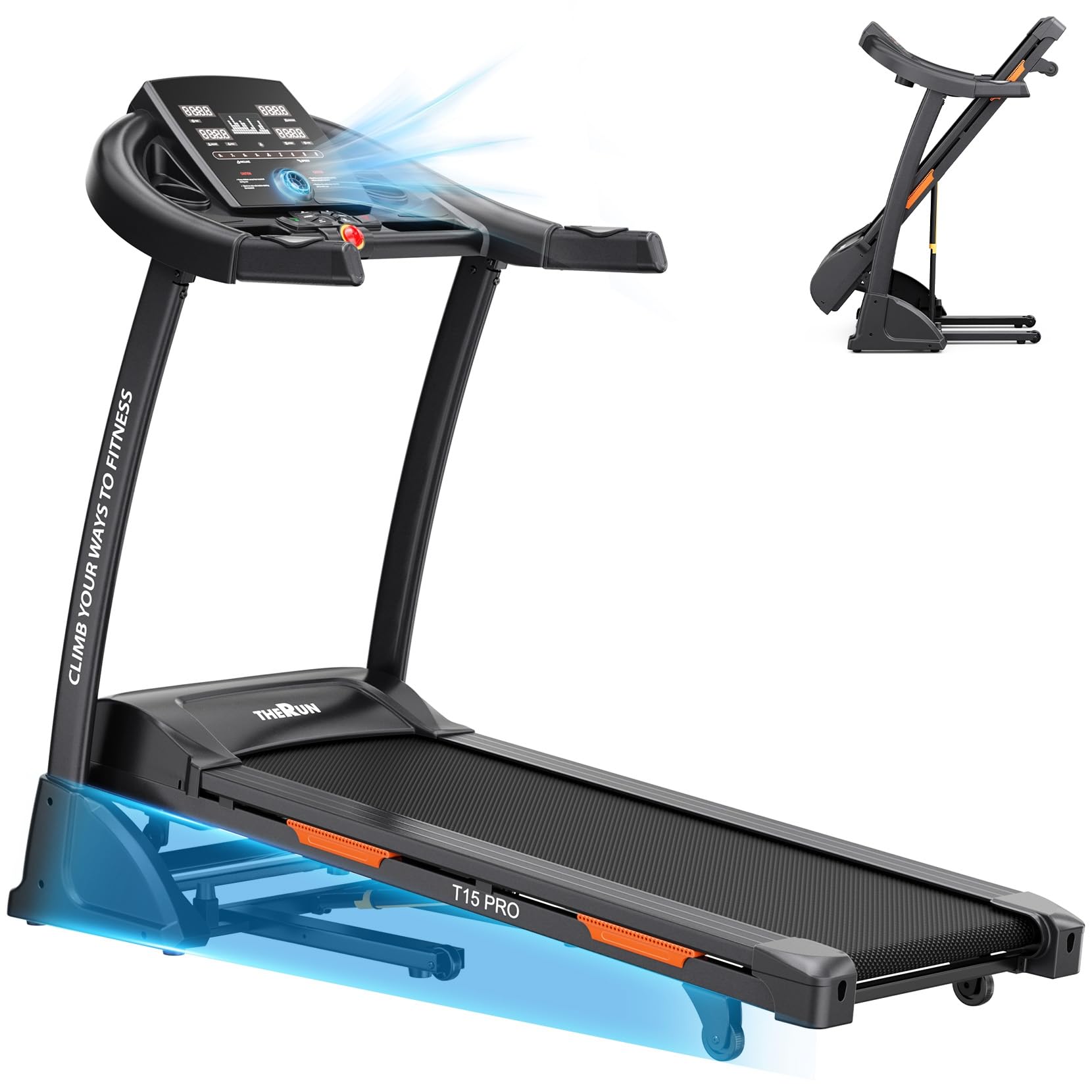

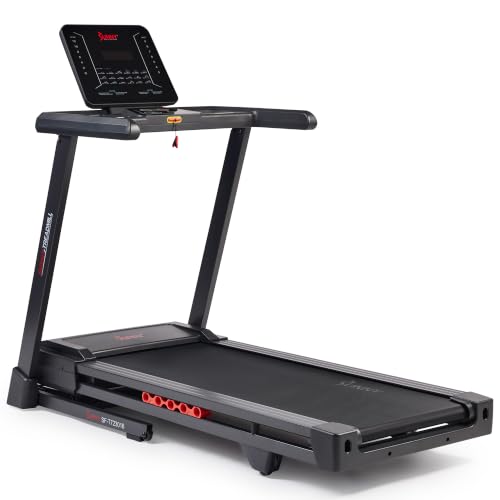
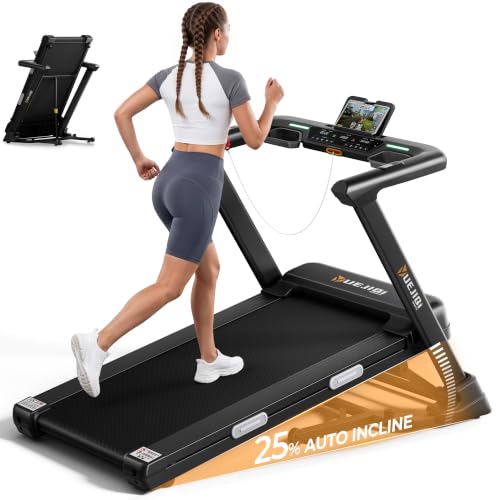

What Each Spending Level Delivers
Price alone does not tell you whether a treadmill suits running. A low priced model may work well for short jogs, while a higher priced model may still feel cramped if the belt is short. The levels below describe what you can usually expect, so you can judge value instead of guessing from the price tag alone. Keep your stride length and ceiling height in mind as you read each level.
Lower Spending Level
Models at the lower end of the range usually cost about $300 to $700. They often have a shorter belt, a lighter frame, and a simpler console with a small display. These machines suit walkers who jog in short bursts, runners with a short stride, and people who run only a few times each week. Check the top speed and the belt length carefully, since a belt under 50 inches can force taller runners to shorten their stride.
Middle Spending Level
The middle range, roughly about $700 to $1,500, is where most regular runners find the best balance. Belts are usually longer, frames feel sturdier, and motors handle repeated running sessions with less strain. You may also get a better cushioning system, a sturdier folding mechanism, and a console that tracks pace, distance, and heart rate. If you run three or more times each week, this level is often the most sensible place to spend.
Higher Spending Level
Higher priced compact models, often about $1,500 to $2,500, aim to feel close to a full size machine while still folding away. Expect a longer and wider belt, a stronger motor, better shock absorption, and a frame that stays steady at higher speeds. Some add a larger display, built in workout programs, and stronger warranties on the frame and motor. This level suits daily runners, heavier runners, and anyone who wants a machine that will last through years of frequent use.
Features Worth Paying For
Not every feature on a spec sheet matters for running. Some extras add real comfort and safety, while others only add cost. The factors below are the ones that change how a run feels, how long the machine lasts, and how easily it fits your home. Read each one with your own stride, weight, and room size in mind.
Build Quality and Weight Capacity
A steel frame and a generous weight capacity signal a machine built to handle repeated impact. Running puts far more force through the frame than walking, so a flimsy frame can flex, squeak, and wear out early. Check the stated user weight limit and leave a comfortable margin above your own weight. A sturdy frame also feels steadier at speed, which helps you relax and run with a natural stride instead of gripping the rails.
Features That Matter for Running
Running needs a longer belt, a higher top speed, and a motor that can hold speed without straining. Look for a belt at least 50 inches long, and longer if you are tall or have a long stride.
A top speed of at least 10 miles per hour covers most training paces, while a motor rated around 2.5 horsepower or more handles sustained running better than a small walking motor. Cushioning matters too, since a deck that absorbs some impact feels kinder on knees and ankles over long sessions.
Motor, Belt Drive, and Incline
A treadmill moves its belt with an electric motor, so the useful comparison is motor power, belt drive smoothness, and incline range. A stronger motor holds speed steady when your foot strikes the belt, while incline adds workout variety without needing more floor space. Resistance settings you may see in listings belong to bikes and rowers, so ignore them unless they describe incline or programmed workouts.
Measuring for Size and Portability
Measure your available floor space before you shop, including room behind the machine for safe mounting and dismounting. Note the folded dimensions as well as the open dimensions, and check whether the machine rolls easily on your flooring. A compact treadmill that is hard to fold or heavy to move may end up blocking a room instead of saving space. Also weigh the trade off between a very small frame and a belt long enough for comfortable running.
Space, Footprint, and Ceiling Height
Ceiling height is easy to overlook and hard to fix after delivery. Stand on a step as high as the treadmill deck and check that you have headroom above you, especially if you run in a basement or a room with a low ceiling. Allow space around the machine for ventilation and for stepping off safely. A folding deck helps with storage, but you still need clear floor space while the machine is in use.
Long Term Costs to Factor In
The purchase price is only part of the total cost. Over time you may pay for a replacement belt, belt lubricant, a safety key, and occasional servicing. Electricity use is modest for most home models, but a machine used daily will add a small amount to your power bill.
Warranties differ widely, so check how long the frame, motor, parts, and labor are covered before you buy. A longer warranty on the motor and frame can be worth more than a flashy console, since those parts are the most expensive to replace.
Compact Treadmills: Your Questions Answered
What features matter most in compact treadmills for running?
Belt length, motor strength, and frame stability matter most, because they decide whether you can run with a natural stride at a steady pace. A belt of at least 50 inches, a motor around 2.5 horsepower or more, and a sturdy frame give most runners a comfortable experience.
After those basics, look at cushioning, folding ease, and warranty length. Screens and app subscriptions are nice extras, but they never make up for a short belt or a weak motor.
How long does a compact treadmill last?
A well built compact treadmill used a few times each week can last many years, while a light duty model run daily may wear out sooner. Belt condition, motor strain, and how often you lubricate the deck all affect lifespan. Watch for a slipping belt, a noisy motor, or a deck that feels uneven, since those signs suggest servicing or replacement parts are needed. Following the maker care guide and keeping the machine clean usually extends its useful life.
Which compact treadmill is better for beginners?
Beginners do best with a simple machine that has a clear display, a gradual speed control, and a safety key that stops the belt quickly. A midrange belt length gives room to learn a comfortable stride without paying for advanced training programs. Choose a model with a low starting speed and gentle incline steps so you can build fitness gradually. A complicated console can distract a new runner, so ease of use matters more than extra programs at this stage.
How much space do I need for a compact treadmill?
Allow the full open footprint of the machine plus at least two feet of clear space behind it for safe mounting and dismounting. You also need side clearance for stepping off and for ventilation around the motor. Measure doorways and hallways along the delivery route, since a folded treadmill can still be bulky. If the machine will live in a small room, check the folded size and whether it can stand upright safely against a wall.
Is a subscription required to use a compact treadmill?
No, a subscription is not required for basic running on most compact treadmills. Manual speed and incline controls work without any membership, and the console usually tracks time, distance, and speed on its own. Subscriptions only add extras such as guided classes, virtual routes, or training plans. If you do not want ongoing fees, confirm before buying that the machine runs fully in manual mode without an account.
Is a compact treadmill quiet enough for an apartment?
Many compact treadmills are quiet enough for apartment use at walking and easy jogging speeds, but running at high speed always creates foot strike noise that can travel through floors. A cushioned deck, a mat under the machine, and running at moderate speeds all reduce noise. Talk with neighbors below you if you share a building, and avoid late night sessions if your floor transmits sound easily. A quieter motor helps, but foot strike sound is the larger factor in most homes.
The Bottom Line
Start with belt length, motor strength, and frame stability, then let your room size and running frequency set your spending level. Most regular runners get the best value in the middle range, while occasional joggers can save money at the lower end.
See our guide to best running shoes for footwear that pairs well with treadmill training, and read about best treadmill running shoes if you want shoes made for indoor surfaces. For a machine that stays in one room, compare best compact treadmills for home, and if budget is tight, check best inexpensive treadmills for running. Before you order, see a doctor before starting a new exercise routine, keep children and pets away from moving parts, and remember that the best compact treadmills for running are the ones that fit your stride, your room, and your routine. The product table above can help you compare the main options side by side.


