Best Treadmills for Running in 2026: Buying Guide
Disclosure: We may earn a commission when you buy through links on this page, at no extra cost to you. As an Amazon Associate I earn from qualifying purchases. Learn more
A guide to picking a treadmill built for running, covering motor power, cushioning, and belt sizing.
Running on a treadmill puts different demands on the machine than casual walking, and not every model can keep up with sustained higher speeds. The best treadmills for running pair a powerful motor, a stable frame, and a cushioned deck that protects joints through mile after mile of training.
This guide walks through motor power, deck cushioning, belt sizing, and stability features that separate a true running machine from a basic walking treadmill.





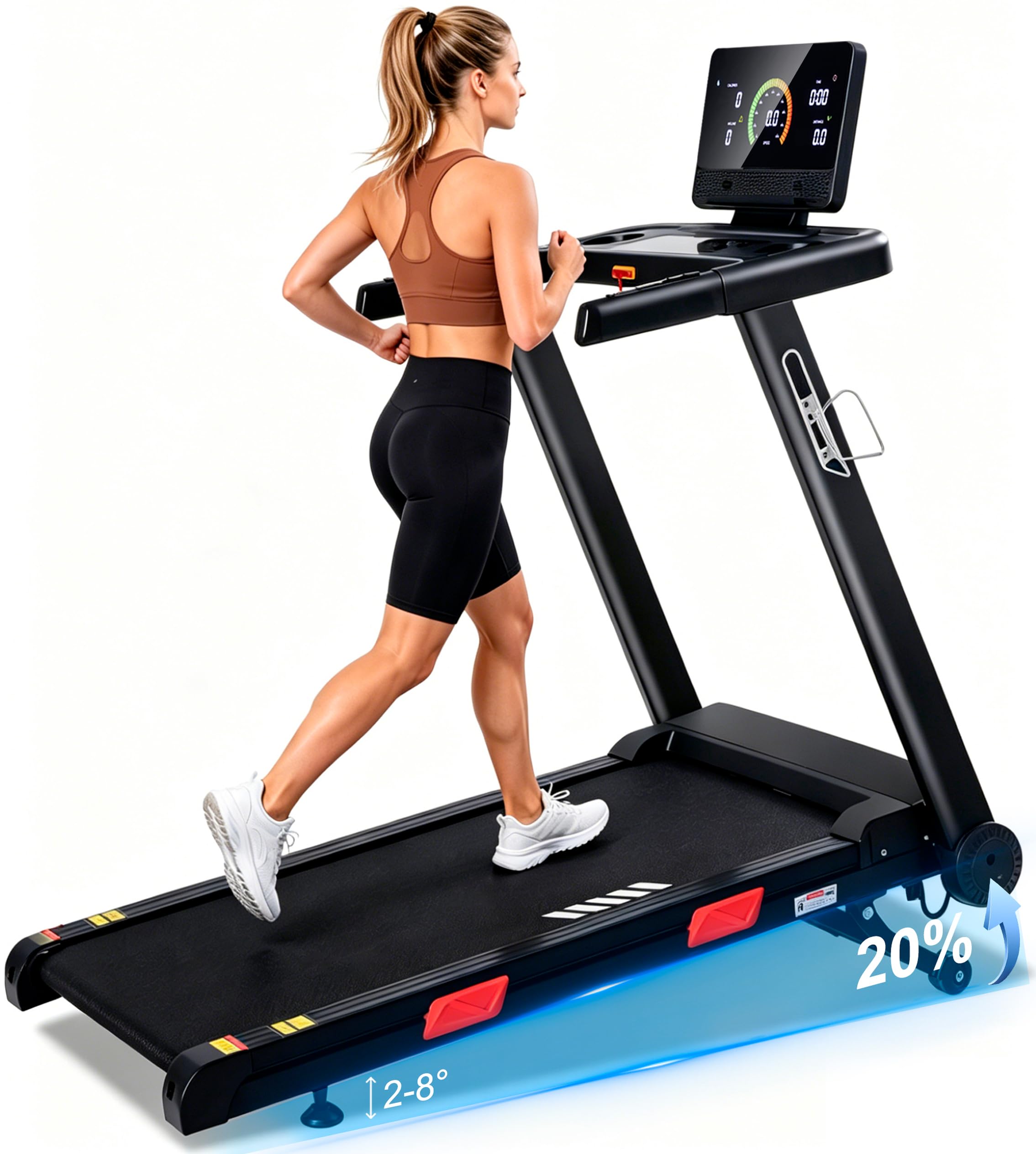

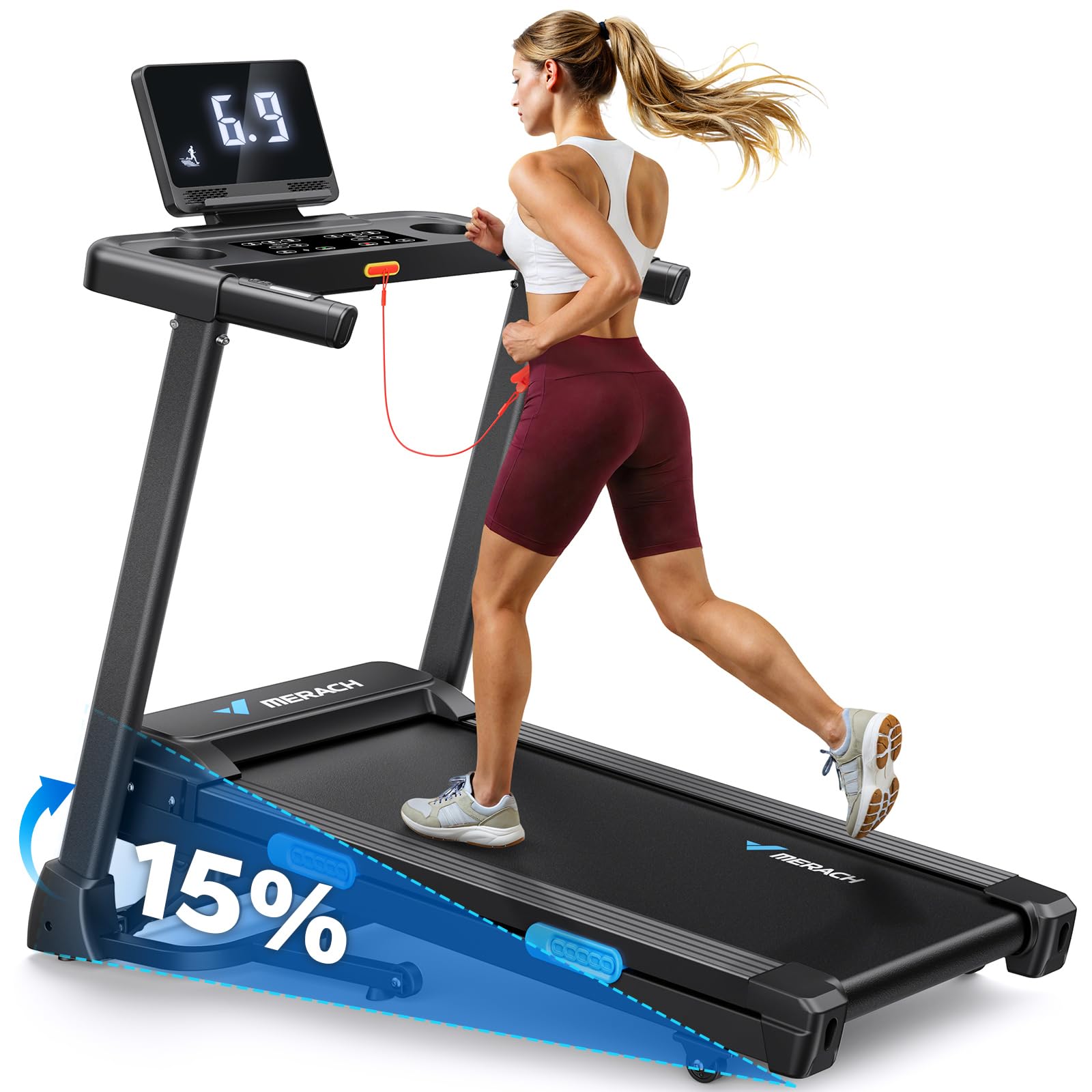
Why Running Demands More From a Treadmill
Running places repeated high-impact forces on the belt and frame, especially at faster paces and during interval training. A treadmill built primarily for walking often lacks the motor power and frame rigidity needed to handle sustained running speeds without straining the motor or feeling unstable underfoot.
Vibration and wobble become far more noticeable at running speeds than at a walking pace. A sturdier frame with a lower center of gravity keeps the deck feeling planted even during faster interval sessions.
Motor Power and Continuous Horsepower
Continuous horsepower, often listed as CHP, indicates how much power a motor can sustain over long periods rather than in short bursts. Running-focused treadmills typically need at least 2.5 to 3.5 continuous horsepower to handle sustained higher speeds without the motor overheating or bogging down.
Peak horsepower numbers sometimes appear in marketing but matter far less than continuous ratings for actual running performance. Focus comparisons on continuous horsepower whenever specifications list both figures.
Deck Cushioning and Joint Impact
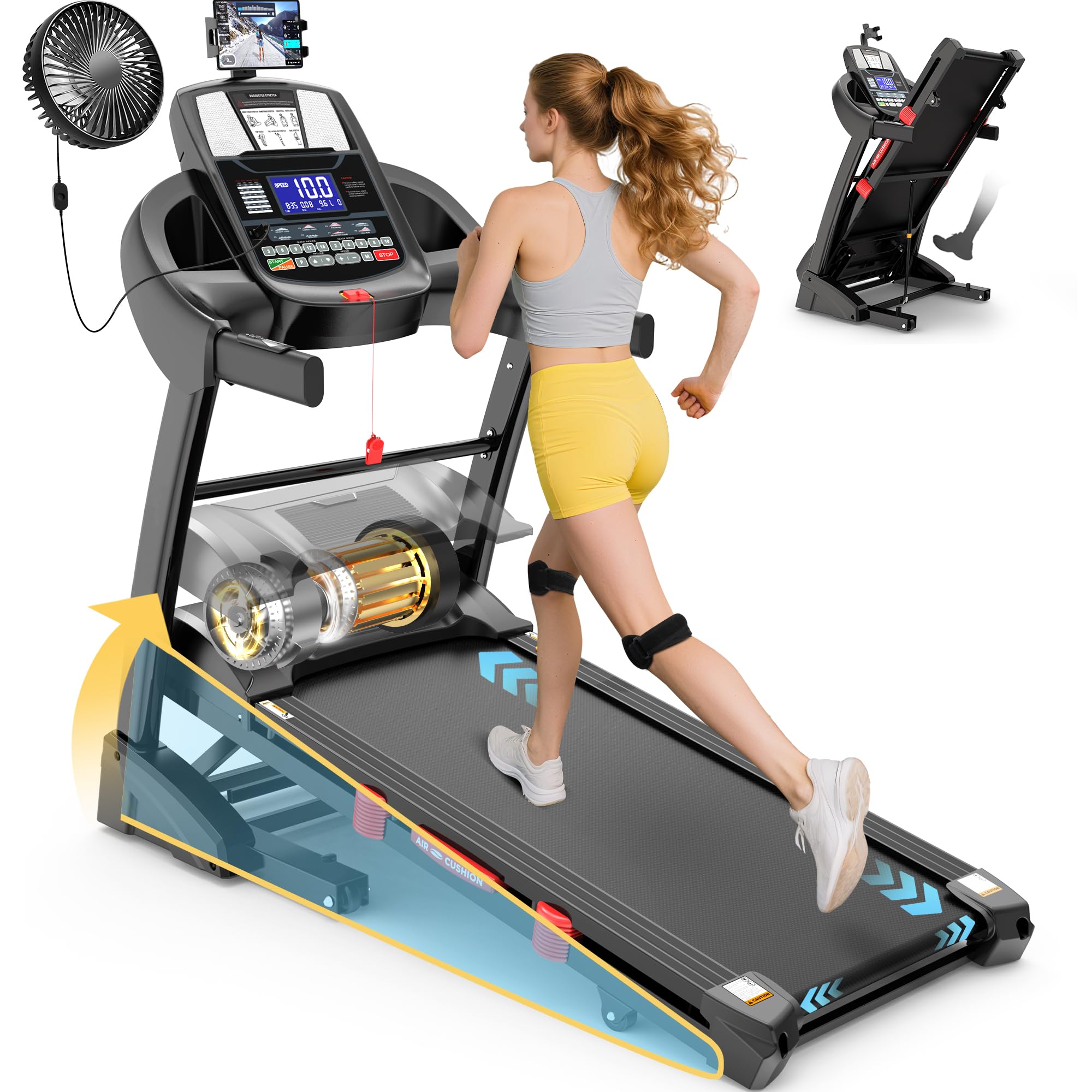
Running repeatedly on a hard, minimally cushioned deck increases stress on knees, ankles, and hips compared to a well-cushioned running surface. Look for a deck with multiple cushioning zones, since some machines vary firmness across the length of the belt to balance shock absorption with running stability.
Overly soft cushioning can feel unstable at faster speeds, so the ideal treadmill balances noticeable shock absorption with a firm enough surface for confident footing during sprints.
Belt Size Considerations
Belt length matters more for runners than walkers, since running naturally involves a longer stride. A belt shorter than 55 inches can feel cramped for taller runners moving at faster paces, while belts in the 60-inch range accommodate a wider range of stride lengths comfortably.
Belt width also affects comfort, particularly for runners who do not maintain a perfectly straight stride. Wider belts offer more margin for error without stepping off the edge during a workout.
Stability and Frame Construction
A heavier, more rigid frame generally translates to a more stable running experience, especially at higher speeds and inclines. Check the maximum user weight rating as a rough indicator of overall build quality, since sturdier frames tend to carry higher weight capacities.
Frame flex during running is a red flag that usually indicates lighter-duty construction not well suited to frequent running use. Reading verified user reviews about stability at running speeds can reveal issues that specifications alone do not show.
Comparing Treadmill Features
The table below highlights the specifications that separate the best treadmills for running from machines built mainly for walking.
| Feature | Why It Matters | What to Look For |
|---|---|---|
| Continuous horsepower | Sustains running speeds | 2.5 CHP or higher |
| Deck cushioning | Reduces joint impact | Multi-zone cushioning |
| Belt length | Accommodates stride length | 55 to 60 inches |
| Frame weight | Improves stability | Higher weight capacity rating |
Incline and Speed Range
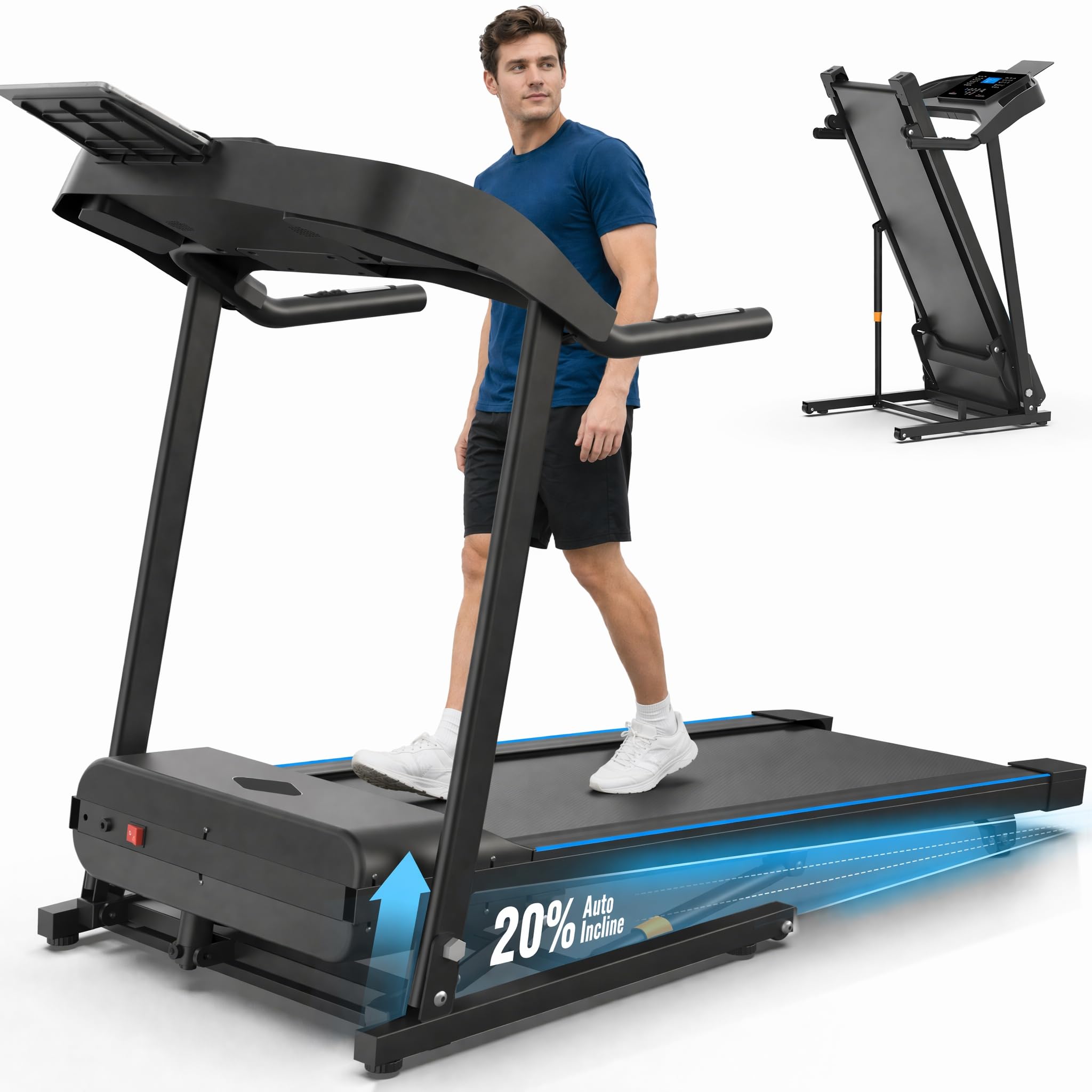
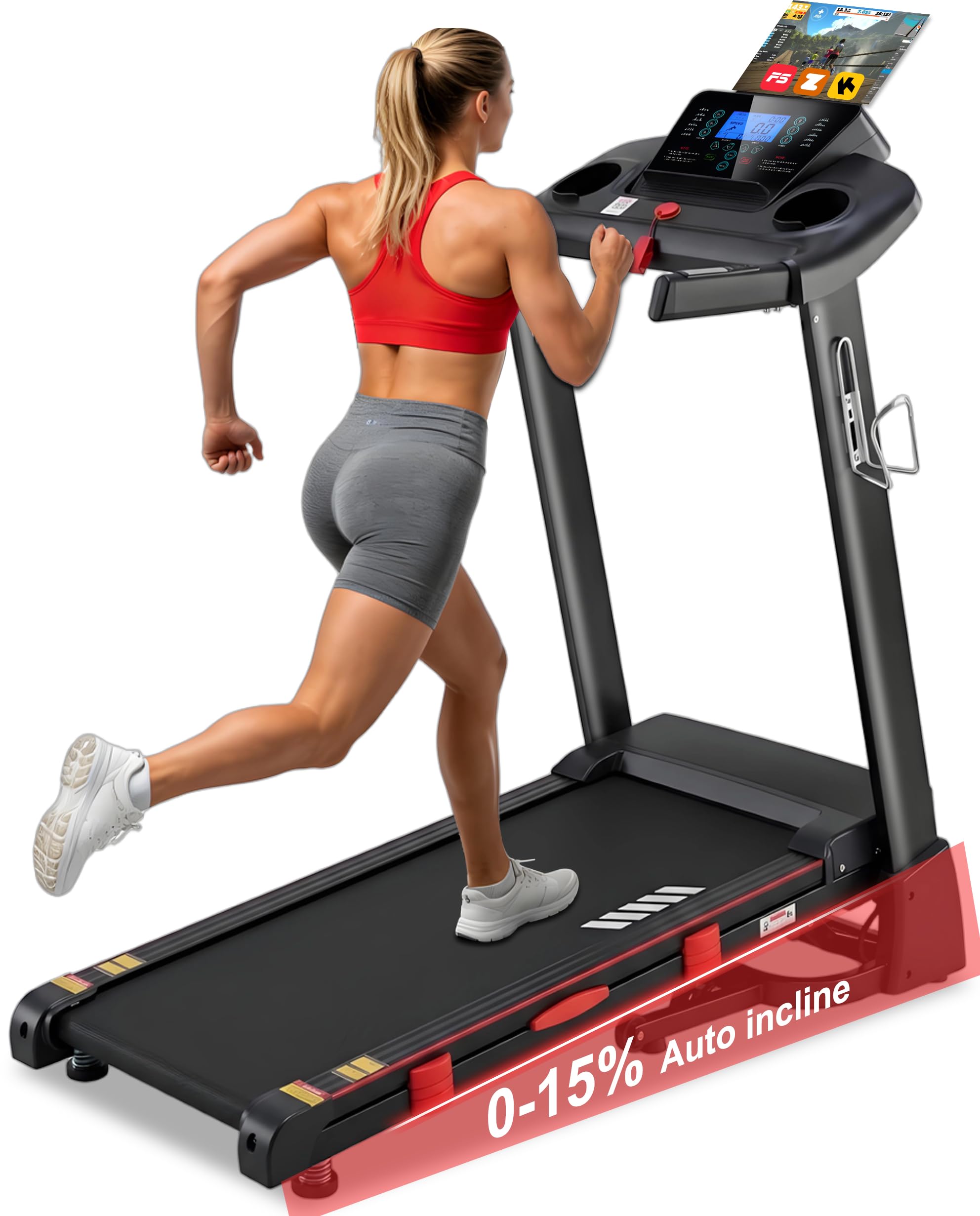
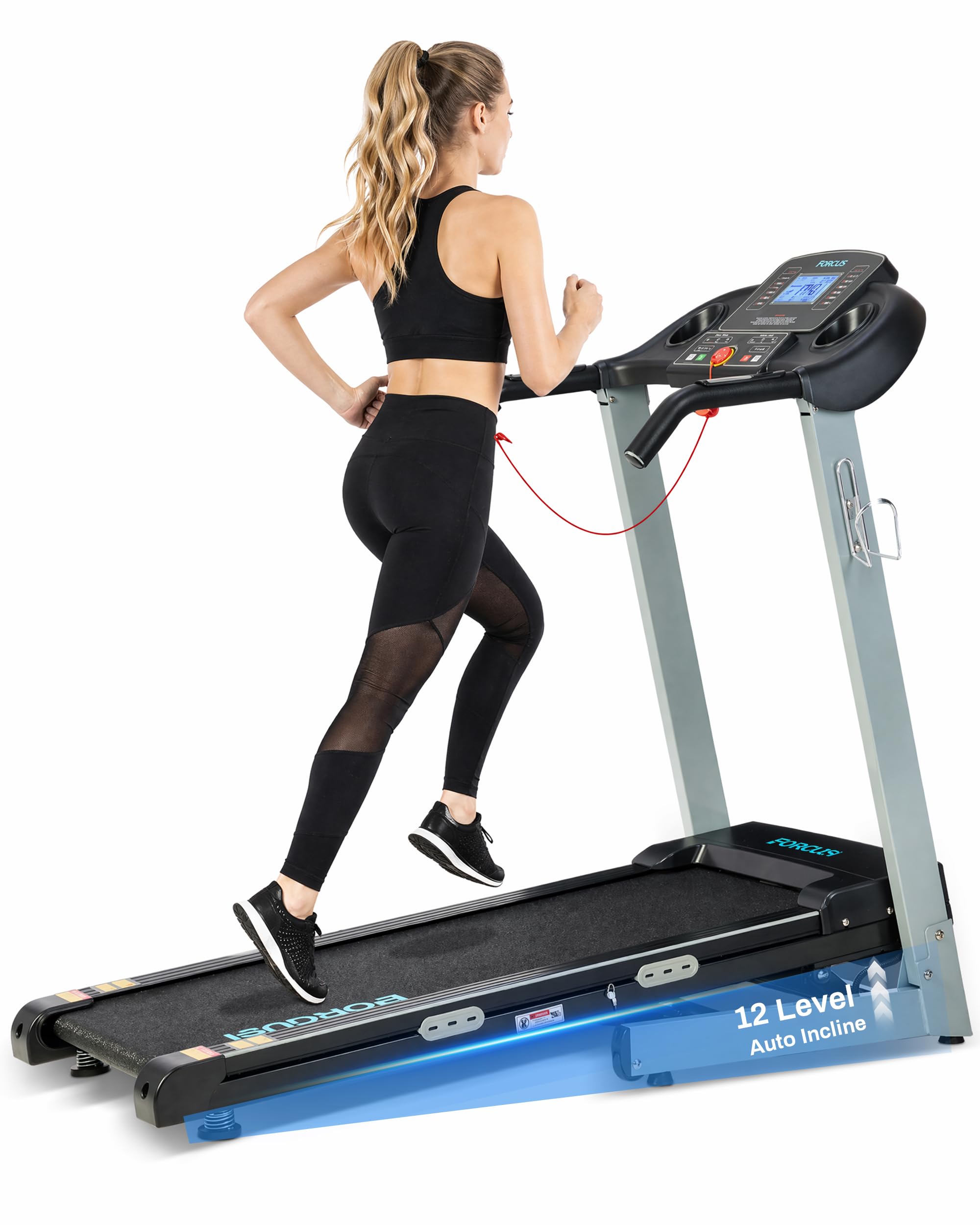
Higher maximum speed matters for interval training and sprint work, so check the top listed speed against realistic training goals rather than assuming every machine tops out the same. Incline range adds training variety, letting runners simulate hill workouts without leaving the house.
Automatic incline adjustment is convenient during structured workouts, since manual adjustment interrupts pace and rhythm mid-run in a way that automatic controls avoid entirely.
Warranty Coverage Worth Checking
Warranty terms often differ significantly between motor, frame, parts, and labor coverage, so read the fine print rather than assuming full coverage applies across every component. Motor warranties tend to run longer than parts or labor coverage, which reflects how critical that component is to overall reliability.
Register a new treadmill promptly after purchase, since many manufacturers require registration within a set window to activate full warranty benefits on frame and motor components.
Common Mistakes When Buying a Running Treadmill
- Choosing a machine based on peak horsepower instead of continuous ratings
- Picking a belt too short for a comfortable running stride
- Overlooking maximum user weight capacity as a stability indicator
- Ignoring deck cushioning quality in favor of price alone
- Skipping verified reviews focused specifically on running performance
Noise Levels and Home Placement
Motor and belt noise vary meaningfully between models, which matters if the treadmill sits in an apartment or a room near sleeping areas. Belt-related noise often increases as belts wear, so regular lubrication and proper belt tension help keep operation quieter over time.
Placement on a solid, level floor with a dedicated mat can also reduce vibration noise transmitted to floors below, which matters especially in multi-level homes.
Maintenance for Long-Term Reliability
Regular belt lubrication prevents excess friction that can strain the motor and wear the deck surface prematurely. Check belt alignment periodically, since a belt drifting to one side usually indicates a simple adjustment is needed before it causes more significant wear.
Keep the area around the motor housing free of dust, and clean the machine after sweaty sessions to prevent corrosion on metal components over time.
Screen, Console, and Training Features
Modern consoles range from simple speed and distance displays to large touchscreens with built-in workout programs and streaming classes. While these extras add convenience, prioritize motor power and deck quality first, since a great screen cannot compensate for an underpowered motor during sustained running.
Heart rate monitoring, whether through handgrips or a compatible chest strap, helps runners train within specific intensity zones. This feature is a useful addition but should not outweigh the core mechanical specifications when comparing models.
Space Requirements and Folding Options
Running treadmills tend to be larger overall than compact walking models, so measure available space carefully before purchasing, including clearance behind the machine for safe dismounts. Folding decks can save floor space between workouts, though folding mechanisms add moving parts that may need occasional maintenance over time.
Consider ceiling height as well if the treadmill will sit in a basement or a room with lower clearance, since taller runners need adequate headroom above the deck during use.
Frequently Asked Questions
What continuous horsepower is needed for regular running?
Most dedicated runners should look for at least 2.5 to 3.5 continuous horsepower to handle sustained speeds without straining the motor over time.
Does deck cushioning affect running speed?
Cushioning mainly affects joint impact rather than speed, though overly soft decks can feel less stable during fast sprints or interval work.
How long should a treadmill belt be for running?
A belt between 55 and 60 inches comfortably accommodates most stride lengths, with taller runners generally benefiting from the longer end of that range.
How often should a treadmill belt be lubricated?
Most manufacturers recommend lubrication every few months depending on usage frequency, though checking the owner's manual for specific guidance is best.
Final Thoughts
Selecting among the best treadmills for running comes down to prioritizing motor power, deck cushioning, and frame stability over flashy extras that do not affect actual running performance. Getting those fundamentals right leads to a smoother, more comfortable training experience over the long run.
Related reading: best incline treadmills and best balance bike under 100.