
Best Affordable Treadmills for Home for 2026: Every Type Explained Side by Side
Disclosure: We may earn a commission when you buy through links on this page, at no extra cost to you. As an Amazon Associate I earn from qualifying purchases. Learn more

Compare walking pads, folding and full size options to pick the best affordable treadmills for home, with pros, limits and price bands for each.
Home treadmills look similar in listings, yet the affordable end of the market hides five very different types of machine. Picking the best affordable treadmills for home starts with the type, because a walking pad, a folding runner, and a full size budget machine suit different rooms, different routines, and different bodies. This guide explains each type side by side, with honest strengths, real limits, and the price band each one usually sits in.
Use the comparison table in the first section for a fast overview, then read the type sections for the detail behind each row. You will also find the setup facts that listings play down, such as ceiling height, rear clearance, and what motor duty ratings really mean.



Before You Start: A Quick Word on Safety
A treadmill is exercise equipment, not a medical device, and no machine in this guide treats or improves any health condition. If you live with a joint, balance, or cardiovascular condition, if you are pregnant, or if you are returning to exercise after an injury or a long break, talk with your clinician before starting treadmill exercise. Your clinician can advise on the type of machine and the pace that suit your situation.
Stop the belt and step off at once if you feel pain, dizziness, or unusual breathlessness, and seek medical advice if those feelings return. Children should stay away from a running belt, and the machine should be switched off and unplugged when nobody is using it.
Best Affordable Treadmills for Home: Types Compared
The five types below cover nearly every affordable machine sold for home use. General treadmill advice, including room planning and shared buying factors, sits in the wider guide to best treadmills for home, while this article stays with the affordable types and how they differ.
| Type | Best For | Strengths | Limits | Typical Price |
|---|---|---|---|---|
| Manual walking | Walkers who want no motor | Quiet, simple, no power needed | You power every step, fixed pace feel | about $150 to $300 |
| Under desk walking | Slow walking while working | Slim deck, low speed, easy storage | Walking only, small belt | about $100 to $300 |
| Compact folding | Small rooms and mixed use spaces | Deck folds up, transport wheels | Shorter belt, lower weight limit | about $150 to $500 |
| Full size budget | Regular walking and light jogging | Longer belt, stronger frame, powered incline | Needs a fixed spot in the room | about $500 to $1,000 |
| Smart connected | Users who follow guided sessions | Large screen, app sessions, auto incline | Subscription often required | about $600 to $1,500 |
Manual and Under Desk Walking Treadmills
Manual treadmills have no motor at all, so your own steps drive the belt over a curved or flat deck. They are quiet, cheap to run, and light enough to move, but the pace is entirely your effort, which makes steady walking pleasant and faster work tiring.
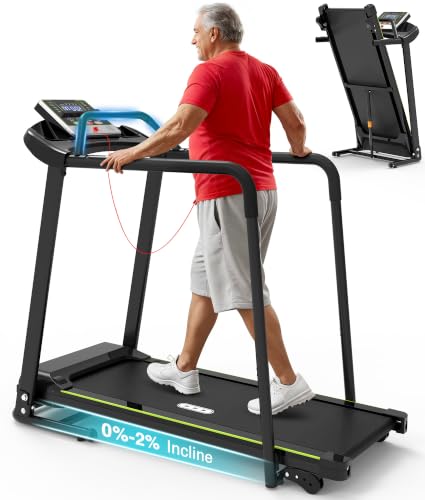
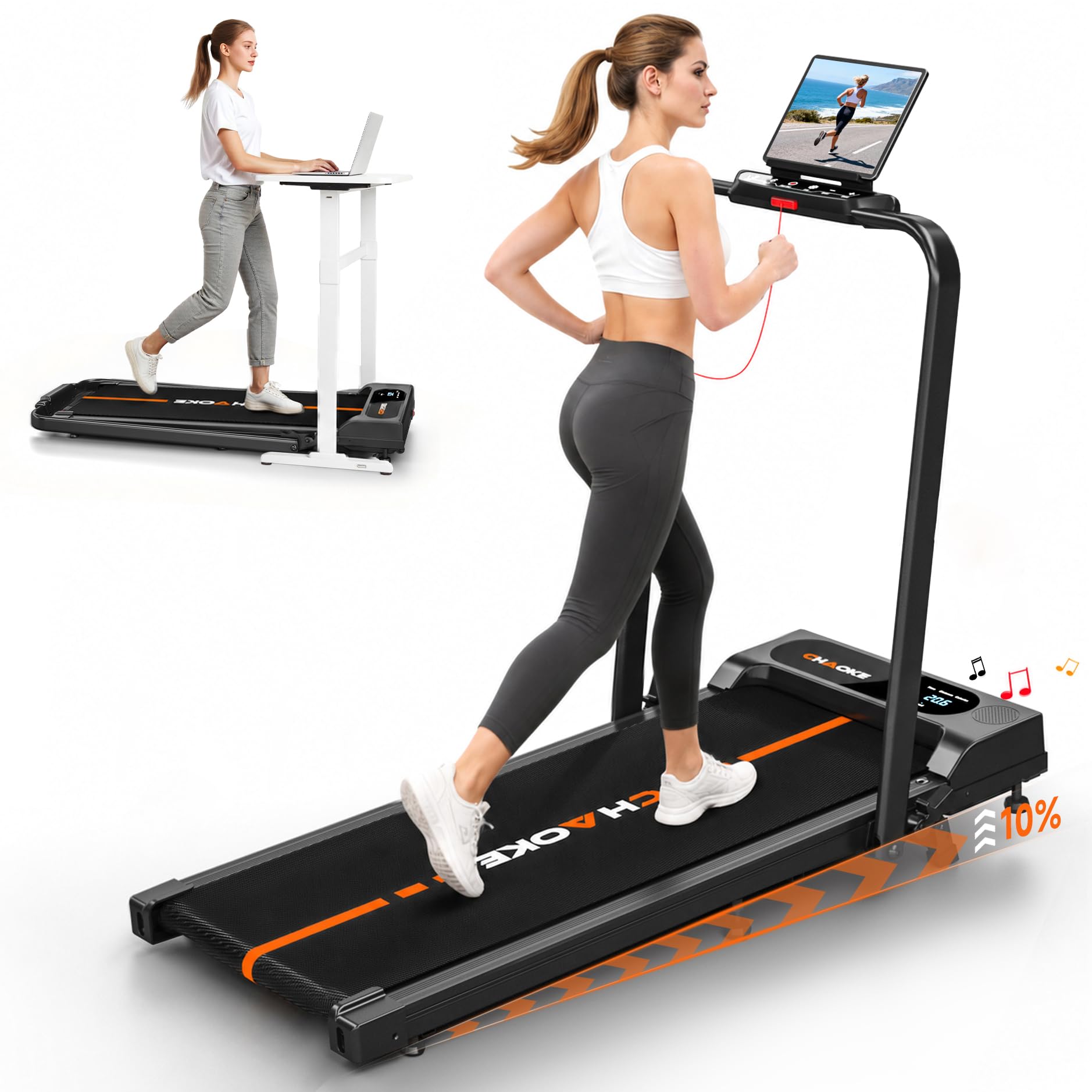
Under desk models are slim motorized pads built for slow walking while you work, usually topping out at walking speeds with a remote instead of a console post. Walkers comparing these two classes should read the dedicated guide to best home treadmills for walking for belt and deck detail. Both classes suit walking routines only, and their small decks and lower weight limits rule them out for running.
Compact Folding Treadmills
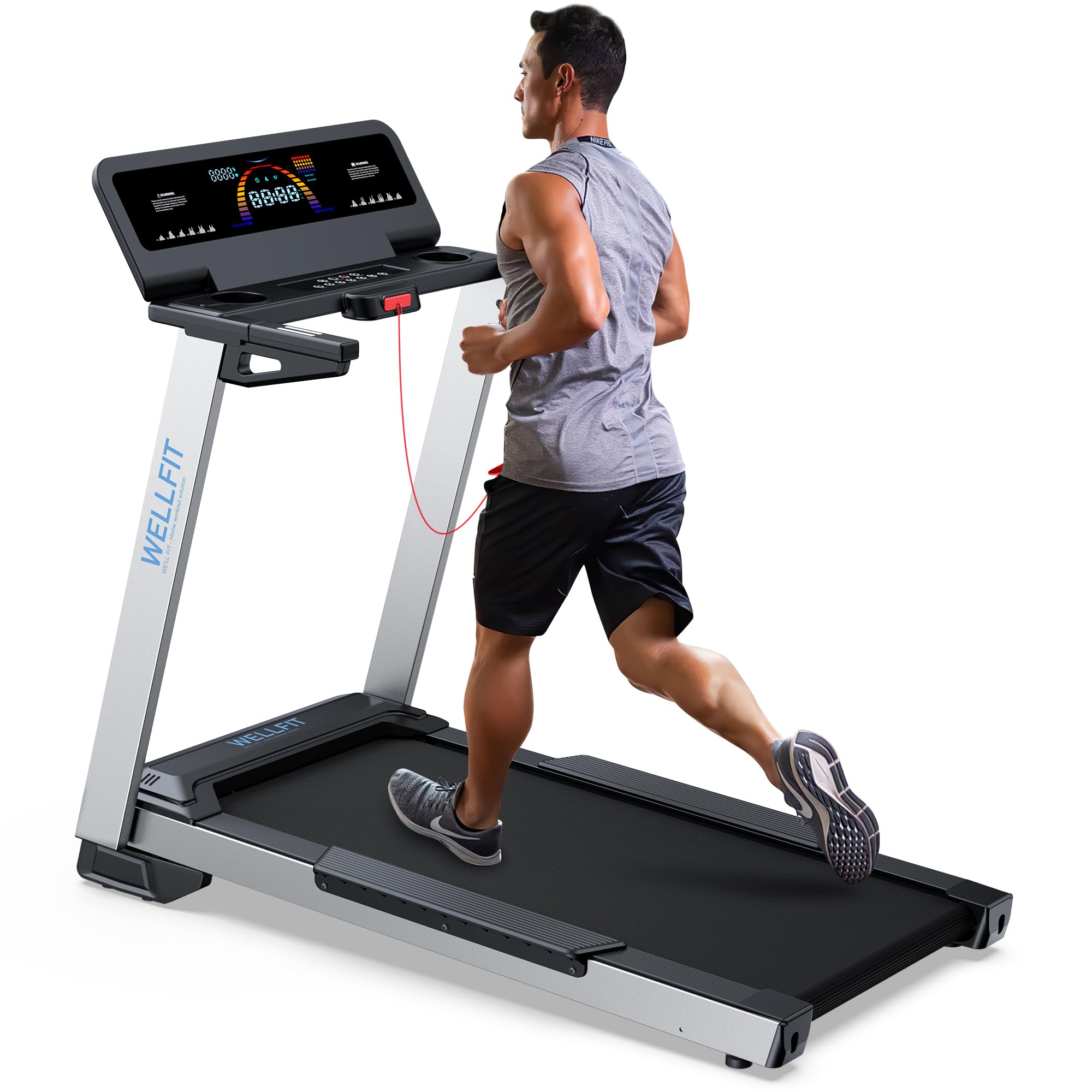
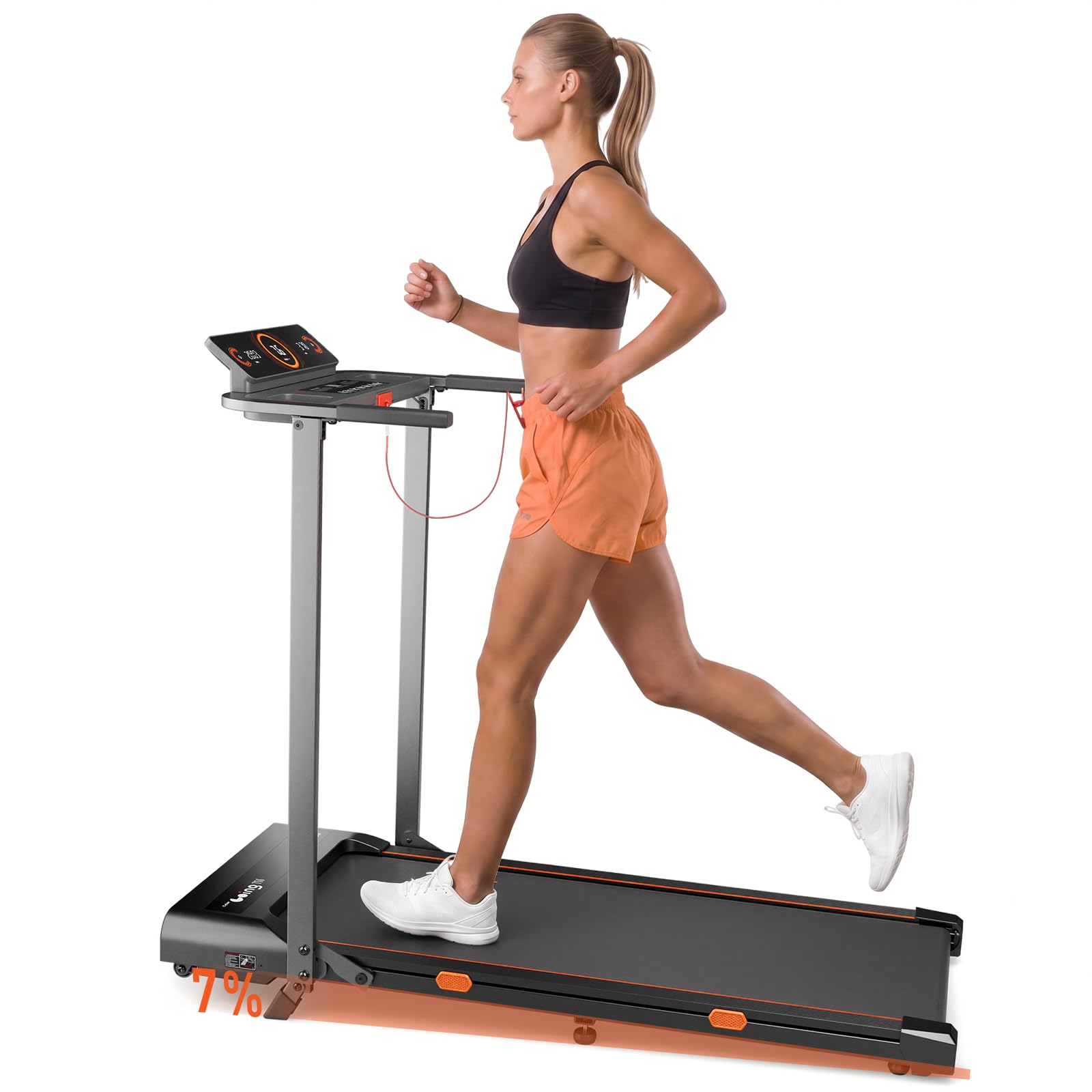
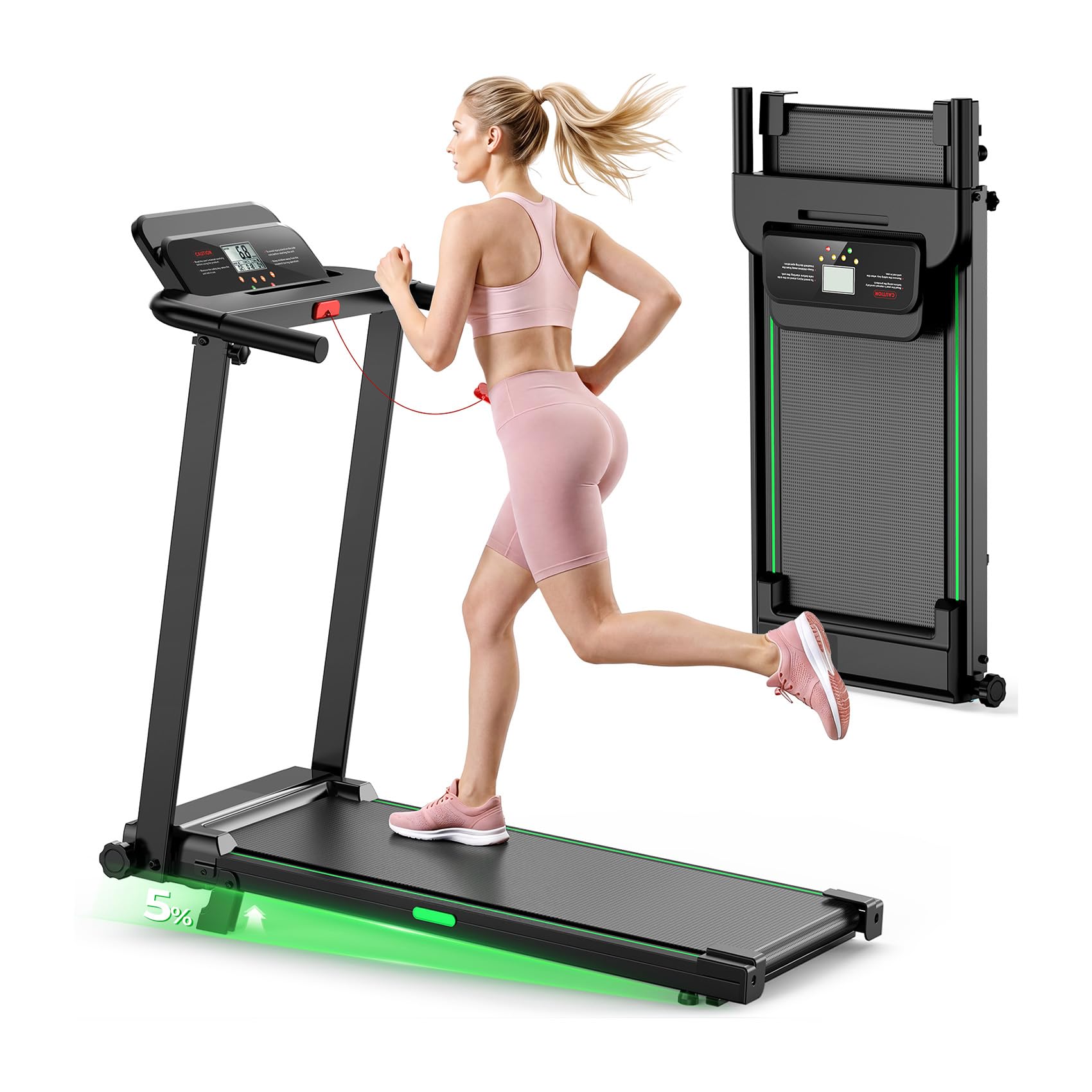
Compact folding models are the classic apartment answer. The deck lifts and locks upright after a session, and transport wheels let one person roll the machine against a wall. The trade off is size where it counts. Belts are shorter and narrower than on full size machines, frames carry lower weight limits, and motors work at the modest end of the range.
For walking and gentle jogging in a room that must return to normal life each evening, that trade is usually worth it. Shoppers short on floor space should also compare the dedicated options in the guide to best small treadmills for home, which focuses on footprint alone.
Full Size Budget Treadmills
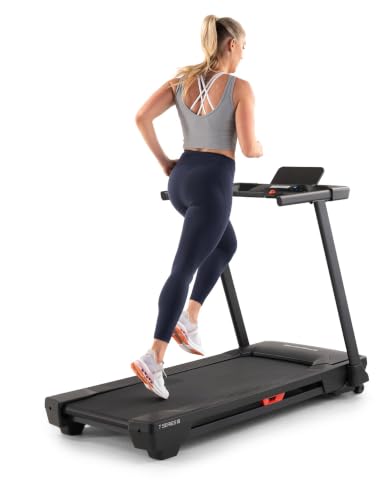
Full size budget machines give you the longest belts, the sturdiest frames, and powered incline at the lowest prices that can honestly support them. A longer belt suits taller walkers and anyone who drifts back while concentrating, and a stronger frame feels calmer at jogging speeds. These machines do not fold flat, so they claim a permanent corner of the room.
Runners on a budget should check the speed range and belt length first, and the guide to best treadmills running home covers the extra demands that running places on a deck. For households that will use the machine daily, this class is often the most honest value in the whole affordable range.
Smart Connected Treadmills
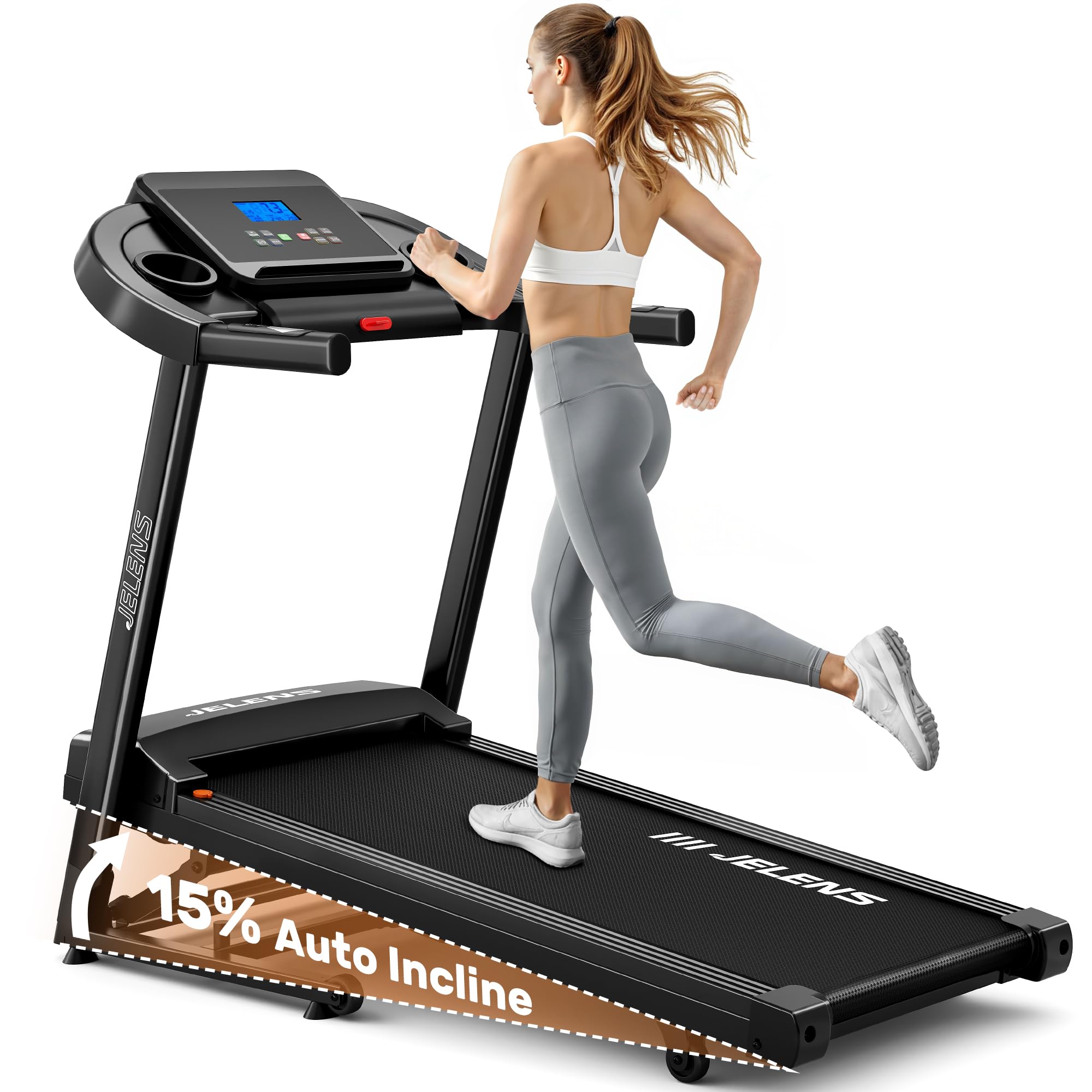
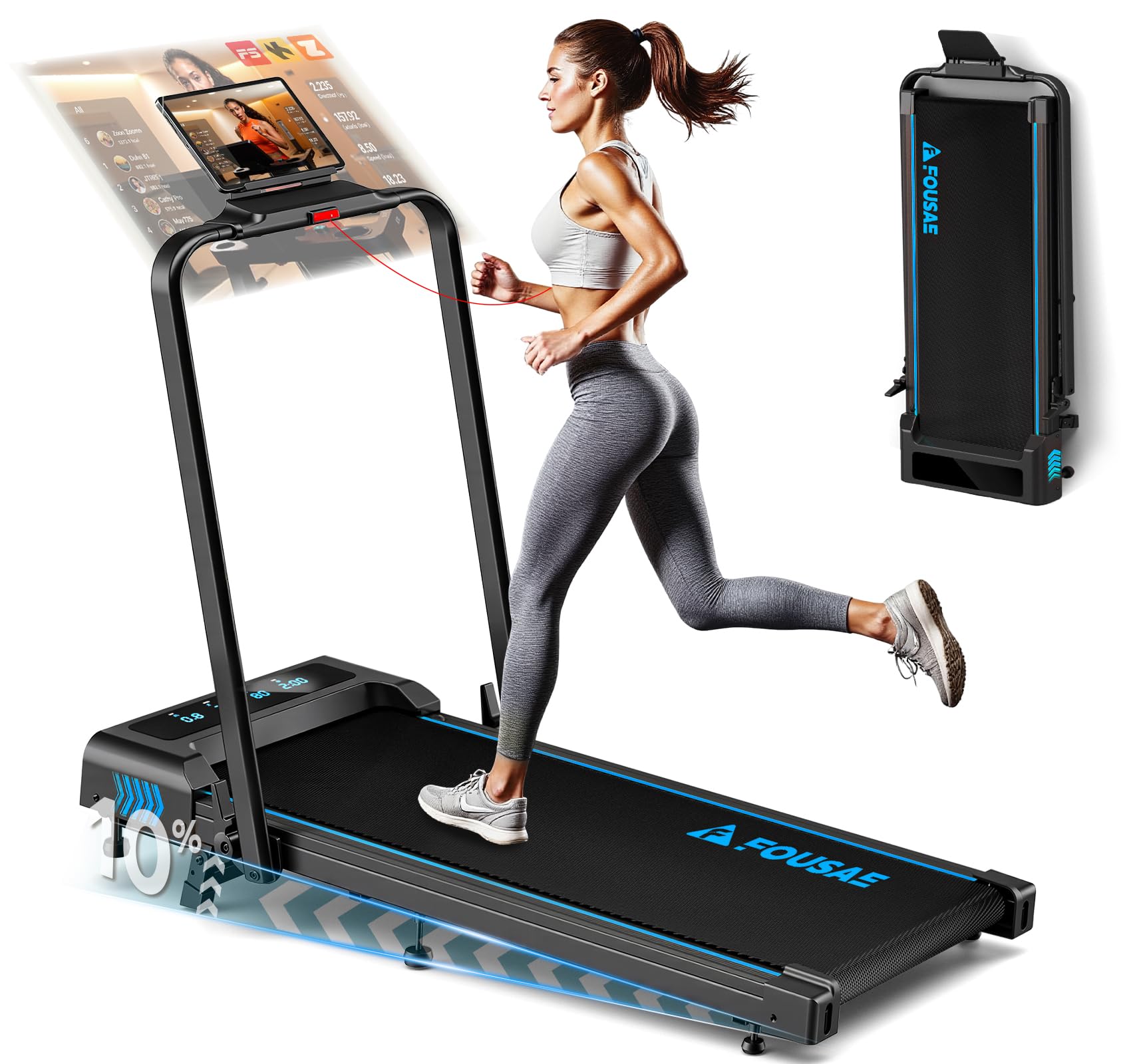
Smart connected models add a large screen, guided sessions through an app, and incline that adjusts itself to match the session on screen. The hardware underneath is usually a midrange folding or full size frame, so judge the machine as a treadmill first and a screen second.
The real cost sits in the subscription, which commonly runs around $10 to $40 a month and is often required to unlock the full session library. Buyers who enjoy coached sessions and clear progress tracking get genuine value here. Buyers who walk while watching their own shows may be paying for a screen they never open.
Folding or Full Size: Let the Room Decide
These two classes answer the same need in opposite ways, so compare them on the facts of your room. A folding machine wins on storage, because the deck stands upright and frees the floor, but you pay with a shorter belt, a lower weight limit, and a small setup ritual before every session. A full size machine wins on stride comfort and stability, and it is ready the moment you step on, but it owns its corner of the room for good.
Ceiling height matters for both, since your head rises by your full height plus the deck step up height while you walk. If the machine will anchor a dedicated workout corner, the guide to best treadmills for home gym covers the wider setup. Check the folded and in use dimensions of any model you consider, and measure your room before you fall for either class.
How to Choose the Right Type for Your Home
Space, Footprint, and Ceiling Height
Measure the room in both states, because the footprint in use and the footprint stored are different numbers on folding models. Leave a clear zone behind the deck, about 6 feet where you can, because that space is your landing area if you stumble or step off the back. Keep roughly 2 feet of free space at each side for mounting and dismounting.
Check ceiling height by adding your height to the deck step up height, then adding a margin for the bounce of a jogging stride. Finally, clip the safety key to your clothing on every session. The key stops the belt fast if you fall, and it only works when it is attached to you rather than looped over the console.
Motor Duty, Belt Size, and Speed Range
Continuous duty ratings are maker figures, and makers measure them in different ways, so treat the number as a rough class marker rather than a precise fact. A budget motor works harder for the same job than a larger one and needs more rest between long sessions, which matters in a household where several people queue for the machine.
Belt size decides comfort more honestly. Walkers need enough length for a natural stride, joggers need more, and a wider belt forgives sideways drift. Top speed matters less than sellers suggest. Most home walkers never use the upper half of the range, so a modest top speed paired with a generous belt is the smarter budget buy.
What You Can Realistically Get on a Budget
Shoppers comparing the best affordable treadmills for home should expect folding frames, smaller screens, and manual or modest powered incline at the lower shelves. Weight limits and belt sizes shrink as prices fall, and those two numbers are where makers save the most money.
Decide in advance where you refuse to save. A belt long enough for your stride and a weight limit with a clear margin above your body weight protect comfort and machine life at once. Screens, speakers, and app extras can all be modest without hurting the workout, so let them go first when the budget tightens.
Warranty: Frame, Parts, and Labor
Read the three warranty numbers separately, because they rarely match. Frame cover is usually the longest, parts cover sits in the middle, and labor cover is the shortest, sometimes only a single year. A longer parts term at the same price hints that the maker expects the motor and belt to last, while a short term on a heavy machine should give you pause.
Check what the warranty asks of you as well. Many makers require the machine to sit on a mat, stay indoors, and be registered soon after purchase, and missing those conditions can void the cover you thought you had.
Care and Maintenance Tips
Place the machine on a mat to protect the floor, cut noise, and keep dust out of the motor area. Wipe the console and handrails after each workout, because sweat corrodes metal and electronics over time. Check and tighten the frame bolts monthly, since vibration works them loose in small steps.
Vacuum under and around the deck weekly if you have pets, because hair and dust gather near the belt and shorten its life. Keep the belt area clear of clutter, store the safety key out of reach of children, and unplug the machine before any cleaning under the deck.
Treadmills: Your Questions Answered
How much space does a treadmill need in a small home?
Plan for the in use footprint plus a clear zone behind the deck, not just the stored size. Most folding models need a floor area of roughly 6 feet by 3 feet while running, and the rear clearance matters even in a small room. Measure doorways and turns on the delivery route as well, because a boxed treadmill is long and awkward. If the machine must store under a bed or in a cupboard, check the folded height and weight before buying, since some folding decks are heavier than they look in photos.
Is an affordable treadmill quiet enough for an apartment?
Walking on an affordable treadmill is usually quiet enough for an apartment, while running is the harder case. Most of the noise neighbors hear is footfall through the floor rather than motor sound, so a thick mat under the machine helps more than any quiet motor claim. Manual and under desk models are the quietest classes because speeds stay low and motors are small or absent. Scheduling sessions for daytime hours and placing the machine away from shared walls also keeps the peace in most buildings.
Which treadmill type suits a beginner who has never owned one?
A compact folding or full size budget model suits most beginners best. Both classes have simple consoles, powered belts that hold a steady pace, and enough belt length to walk without watching your feet. Manual models demand more effort than new walkers expect, and smart models add subscription decisions before the habit exists. Start with the machine that removes friction from the routine, because regularity matters more than features in the first months. You can always trade up once you know your pace, your distance, and your room.
Do smart treadmills need a paid subscription to work at all?
No, most smart treadmills still run in a basic manual mode without a subscription. Speed and incline controls work, and a simple display shows time and distance. What the subscription unlocks is the guided session library, scenic routes, and detailed progress tracking, which are the features the screen exists for. Check the maker terms before buying, because a few models limit even basic programs behind the paywall. Decide whether you are paying for the machine or for the content, and only buy the bundle when you want both.
How long should an affordable home treadmill last with regular use?
Expect about five to ten years of regular home use from an affordable treadmill, with hours of use mattering more than calendar years. The belt and deck are wear parts and usually need attention first, followed by the drive belt and motor brushes on cheaper builds. Machines walked on daily by several household members age far faster than machines used twice a week by one person. Staying inside the weight limit, keeping the belt area clean, and fixing small noises early are the habits that stretch a budget machine toward the long end of that range.
The Bottom Line
The best affordable treadmills for home are the ones whose type matches your room and your routine: a walking pad for slow desk miles, a folding frame for shared rooms, or a full size budget machine for daily use. Judge every candidate on belt size, a weight limit with real margin, and the warranty behind the motor, and treat headline motor figures as rough guides only. Compare the types in the comparison table, measure your space twice, and buy the simplest machine that fits your life well.


