
Best Compact Smartphones Buying Guide 2026
Disclosure: We may earn a commission when you buy through links on this page, at no extra cost to you. As an Amazon Associate I earn from qualifying purchases. Learn more

Best compact smartphones for one-handed use: compare small slab, flip and mini models by reach, battery life, camera and updates.
The best compact smartphones solve a problem that grows with every screen size increase: a phone that reaches across the palm, strains the thumb and fills the front pocket. A compact phone fits one hand, slips into a small pocket and keeps up with everyday jobs such as messages, maps, photos and video calls. The product table above lists current small and pocketable models, and this guide explains the trade-offs behind them.
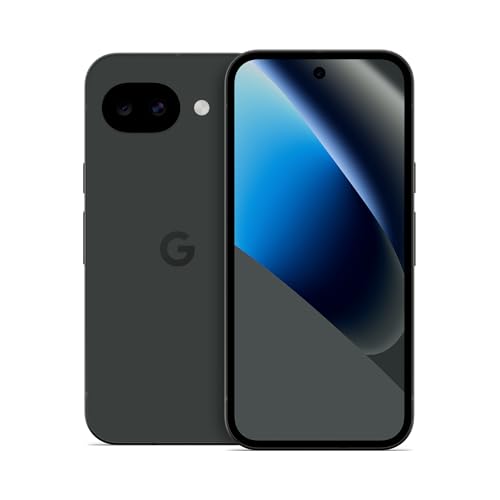
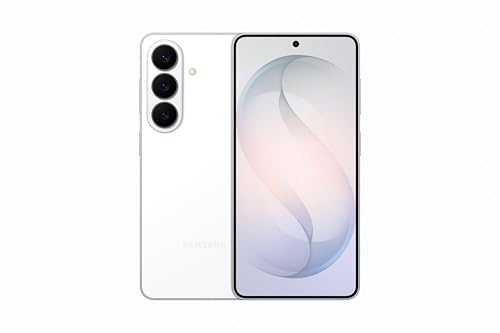
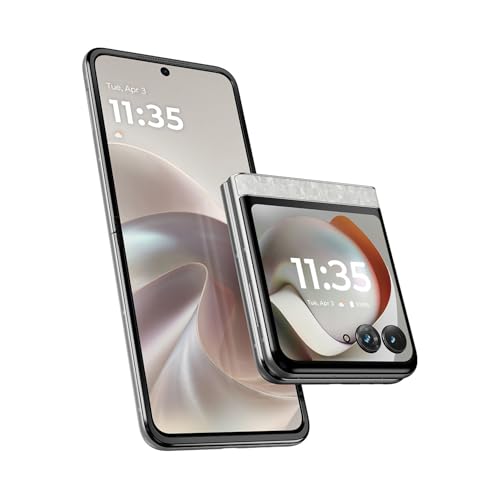
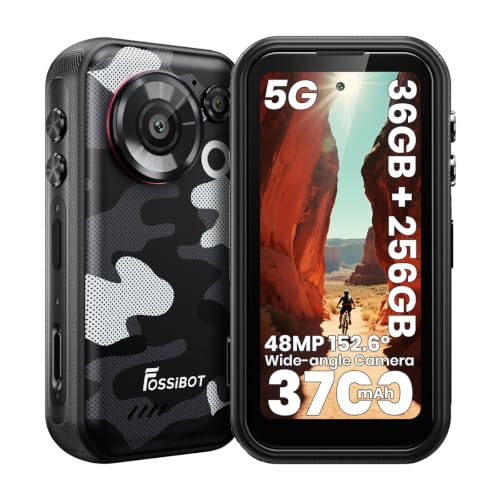
Compact now covers more than one style. Some phones are simply small slabs, some fold in half to fit in a pocket, and some are tiny rugged or minimalist devices. Each suits a different kind of owner.

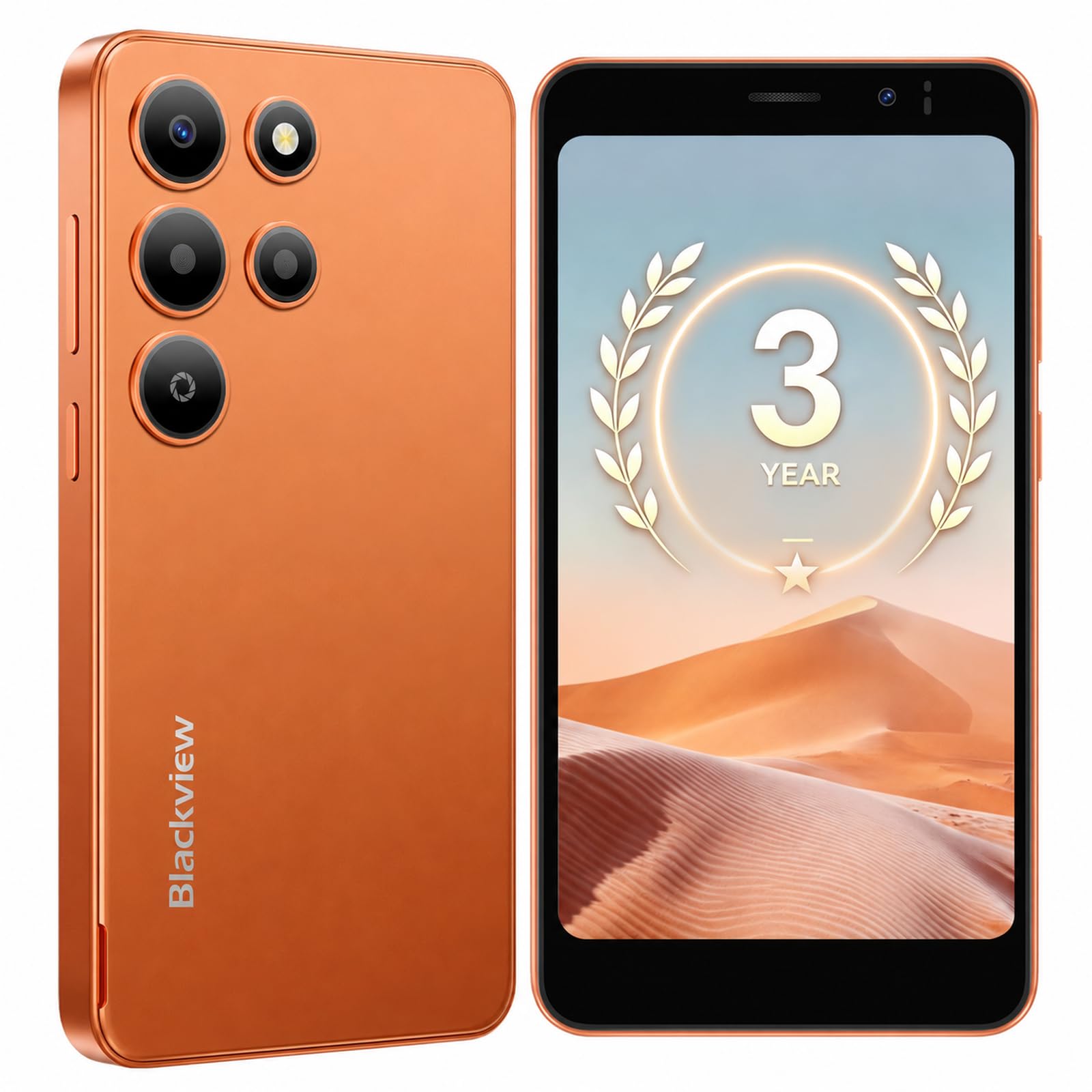


Who Benefits From A Compact Phone
People with smaller hands, one-handed texters, runners, cyclists and anyone who carries a phone in a small pocket all benefit from a lighter device. It also suits people who want to look at their phone less. If you edit documents, play long games or watch a lot of video on your phone, a larger screen may still be the better choice.
Types Of Compact Phones
Small slab phones
A standard slab with a screen around six inches or less is the simplest option. These phones run the same apps as larger models and can include very good cameras. Look at overall width and weight, not just the screen diagonal, since thick bezels can make a small screen phone wider than a modern phone with thin bezels.
Flip phones
Flip models fold small for a pocket and open to a full-size screen. They are pocketable and fun, but the hinge and folding screen need more care, and they usually cost more for the same performance. Check the outer screen, since it lets you check messages without opening the phone.
Mini rugged and minimalist phones
Very small phones with a four or five inch screen suit people who want a second phone or a distraction-free device. They can be tough and light, but expect smaller batteries, simpler cameras and fewer software updates. Check the supported networks and carrier compatibility before you buy.
Features That Matter In The Best Compact Smartphones
Reach and grip
Check whether your thumb reaches the far corners without shifting your grip. A narrow body, rounded edges and a well-placed fingerprint sensor or face unlock help more than any one-hand mode in software.
Battery
Small phones hold smaller batteries, so efficiency matters. Read buyer comments about a full day of mixed use, and favor phones with fast charging if the battery is modest. A small power bank helps on long travel days.
Camera
Compact flagships can take excellent pictures in daylight, while low-priced models may struggle in dim rooms. Look at sample photos from buyers in low light, and check whether the phone has a second lens for wide shots.
Screen
A bright, sharp display helps outdoors. A smooth refresh rate makes scrolling pleasant, but it costs battery, so look for an adaptive setting.
Software support
A phone you keep for years needs security updates. Check how many years the maker promises, since updates matter more over time than a small difference in speed.
Budget Ranges
Basic compact and mini phones cost the least and handle calls, messages and light apps. Midrange phones add better cameras and faster chips, and flip phones often cost more because of their folding screens. Premium compact flagships offer the best cameras, longest update support and fastest performance. Buy the tier that matches your most demanding daily task, and put the rest of the budget into a case and a screen protector.
Carrier, Unlocked And Setup Notes
Most phones in this guide are sold unlocked, which means you can use them with the carrier of your choice. Check that the model supports the bands your carrier uses, especially for small rugged and minimalist models, which sometimes have limited coverage. Back up your old phone before switching, and keep the original box until you are sure the new phone suits you.
A case adds width and thickness, so judge a compact phone with its case on if you always use one. Choose a thin case with a good grip, and add a screen protector to guard against scratches in a pocket with keys.
Everyday Habits That Suit A Small Phone
A compact phone rewards a few simple habits. Use voice typing and a good keyboard app to make up for a smaller screen, and increase the text size slightly in the display settings so reading stays comfortable. Keep the phone in a front pocket with a thin case, and avoid sitting on it, which is the quickest way to bend a slim body. Enable automatic updates, set up cloud backup for photos and turn on the find-my-phone feature before you need it.
Because the battery is smaller, it helps to lower screen brightness a little, turn on adaptive battery settings and close apps that run in the background. Wireless earbuds and a small power bank give you a flexible setup on busy days without adding bulk to a pocket.
Compact Phones For Different Lives
Runners and cyclists like a light phone that sits in an armband or a jersey pocket without bouncing. Commuters appreciate a phone they can use one-handed on a crowded train. Parents like a phone that fits in a small bag along with everything else. People who want less screen time sometimes choose a very small phone on purpose, since a tiny screen makes endless scrolling less appealing. Think about which of these describes you, and let it guide whether you need a flagship camera or just a reliable small phone.
Common Mistakes
The usual mistakes are buying by screen size only, ignoring battery reports, forgetting the case thickness and overlooking carrier compatibility. Another is choosing a very small phone without checking software update support. Read the return terms too, since the best way to know whether a phone suits your hand is to hold it for a week.
Related Guides
For nearby options, see best compact android smartphones, best smartphones ranked and best flip smartphones.
Frequently Asked Questions
Are compact smartphones slower than large phones?
Not necessarily. Many compact flagships use the same chips as larger models. Differences show up mainly in battery size and camera hardware.
Do compact phones have worse cameras?
They can when makers fit smaller sensors to save space, but many compact flagships take excellent daylight photos. Compare low-light samples before you decide.
How long does a compact phone battery last?
Many last a full day of moderate use. Heavy video, gaming and navigation drain any small battery faster, so carry a small power bank if your day is long.
Are compact phones easier to use one-handed?
Generally yes. A narrower body lets most thumbs reach the whole screen, which helps typing and navigation.
Should I buy a compact phone or a flip phone?
A compact slab is simpler and more durable. A flip phone folds smaller but costs more and needs more care around the hinge.
Final Thoughts
Pick the style first: small slab, flip or mini. Then check reach, battery, camera and update support. Compare the models in the product table, and use the return window to confirm the phone feels right in your hand. The best compact smartphones are the ones you do not mind carrying every day.


