
Best Compact Soundbars 2026: How to Pick One That Fits Real Homes
Disclosure: We may earn a commission when you buy through links on this page, at no extra cost to you. As an Amazon Associate I earn from qualifying purchases. Learn more

Best compact soundbar guide: choose by width, format, TV connection and bass to fit a narrow stand and lift dialogue.
Your TV sits on a narrow stand, the coffee table is already crowded, and the built in speakers still make dialogue sound thin and distant. A best compact soundbar search usually starts in exactly that spot. A short bar can lift voices and add warmth to music without taking over the room.
This guide helps you choose by space, by who shares the TV, and by budget. You will compare widths, channel formats, connections, and bass options, then match them to your room. Start with the comparison table below, and see our guide to the best soundbar for tv setups if your stand leaves you unsure about fit.


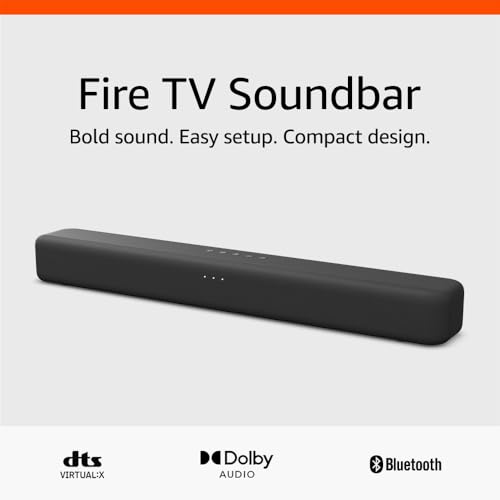
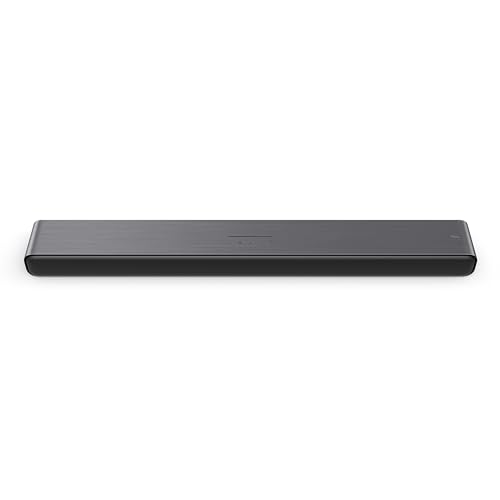
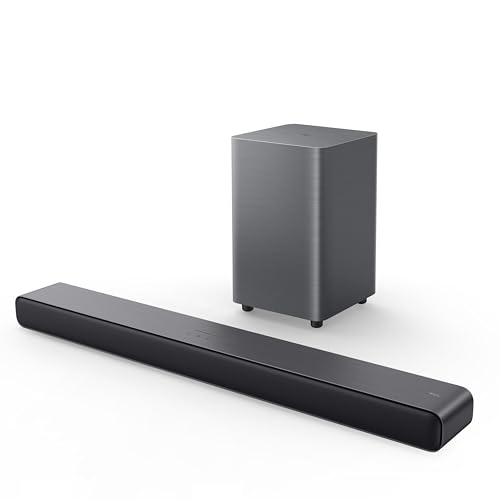
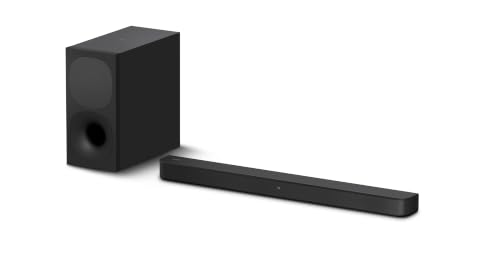
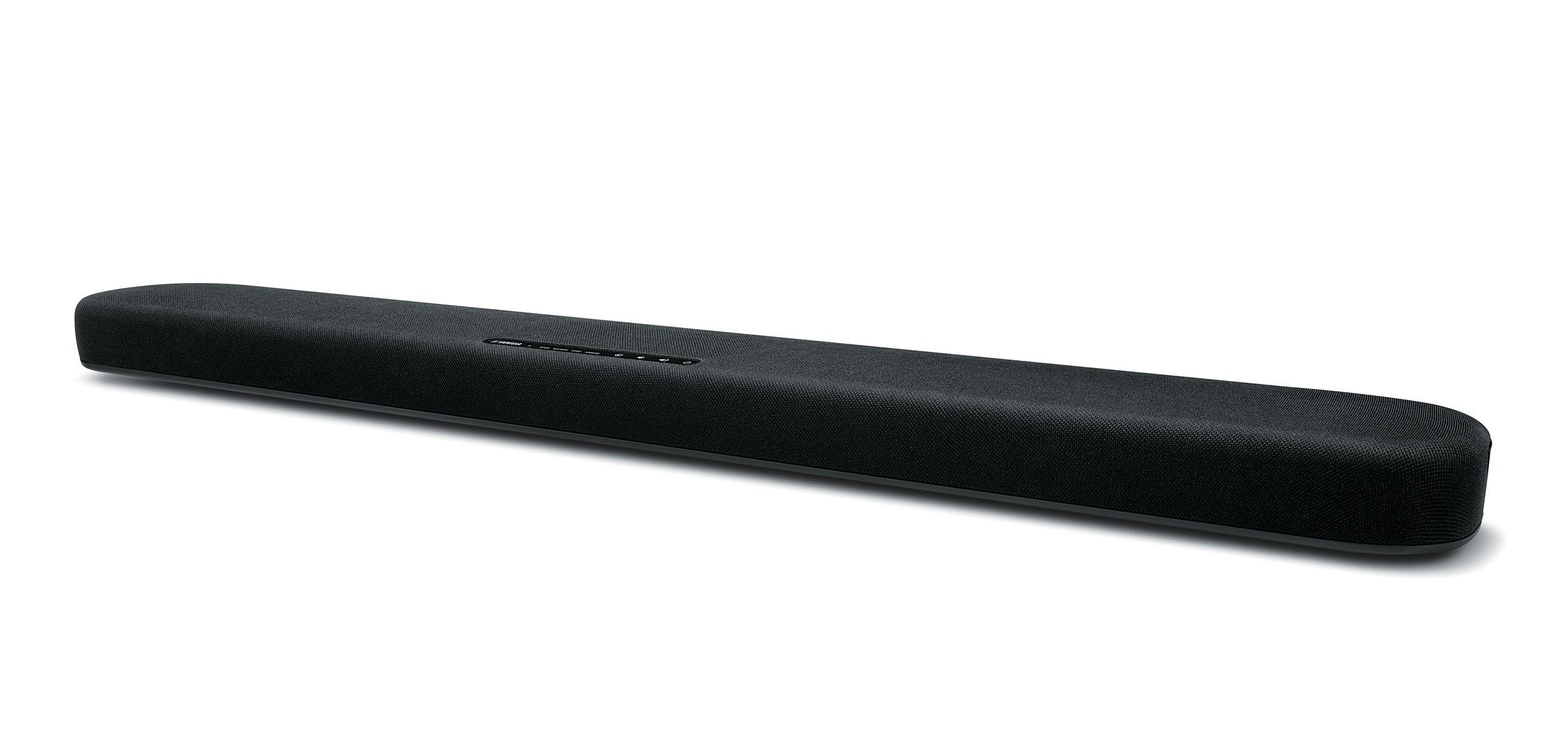

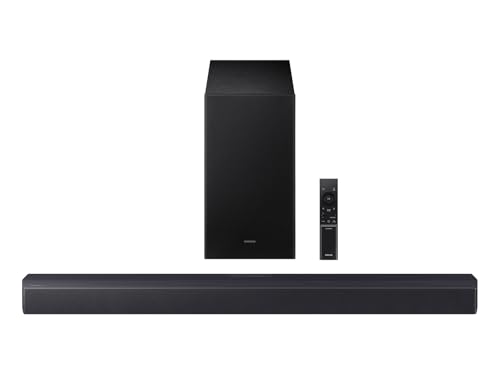

Quick Answer: Three Compact Types Compared
Most compact bars fall into three groups, and the right group depends on what your room lacks most.
- All in one bars hold every speaker inside one short cabinet. They suit bedrooms and small living rooms where you want clearer dialogue and the least clutter.
- Bars with a separate subwoofer add a small box that handles low notes. They suit movie nights in a shared living room, if you have floor space near an outlet.
- Premium bars with height effects use extra drivers and processing to place sounds above and around you. They suit film fans who want a larger sense of space.
Before You Buy: A Quick Checklist for Choosing a Soundbar
Size: Match It to Your Space
Measure the flat surface in front of your TV first. A compact bar is usually about 17 to 35 inches wide, and it should sit clear of the screen edges and any sensor your remote needs to reach. Leave a little room on each side so sound can spread. Under a monitor, check the desk to screen gap too, since height matters there as well.
Which Type Fits Your Routine
Think about a normal week of viewing, not your best movie night. News, sports, and drama reward a clear center image and simple controls everyone in the house can use. Film fans may want Dolby Atmos support and a wider soundstage, while music listeners may care more about Bluetooth pairing for a phone. A bar under a work monitor needs volume control you can reach without an app.
Features Worth Paying For, and Ones to Skip
Pay for clear dialogue modes, a remote that feels simple, and the connection your TV actually offers. Those three shape daily use the most. You can usually skip voice assistants if a phone or smart speaker already does that job, and skip extra surround processing if hard walls sit close behind the sofa, since reflections can muddy the effect. Add rear speakers only when you have a clear place and power for them.
Room Size and Placement
Placement does much of the work in a small to medium room. Set the bar at ear level when you can, keep it near the front edge of the stand, and never tuck it inside a closed cabinet. Once your bar is home, our guide on how to set up a soundbar walks through placement and basic settings.
Dialogue Clarity and Night Mode
Voices carry most shows, so look for a dialogue mode that lifts speech above music and effects. A center channel in a 3.0 or 3.1 bar does this job in a more natural way than processing alone. Night mode matters in shared homes because it softens loud peaks and keeps quiet scenes audible at low volume. That helps late viewing in homes where others sleep nearby.
Connections Your TV Needs to Support
HDMI eARC is the simplest link on most newer TVs, since the TV remote then controls bar volume and the bar wakes with the screen. Optical is a solid fallback on older sets, though you may need the bar remote for volume. Bluetooth suits music from a phone, but a small delay can put sound behind lips in video. Samsung owners will find notes in our guide to the best soundbar for samsung tv options.
Subwoofer and Surround Options
Bass is the main reason to step beyond an all in one bar. A separate subwoofer adds weight to film effects and music, and a wireless unit can sit where it sounds fullest. Some compact bars can pair with optional rear speakers later, which spreads the cost over time. Skip extra boxes if your room is small or a downstairs neighbor hears enough already.
Realistic Budget Ranges
At under $100 you get a basic lift over TV speakers, with simple connections and modest bass. Between about $100 to $200, bars add better dialogue modes and sometimes a separate subwoofer. About $200 to $300 brings stronger build quality and HDMI eARC, while about $300 to $500 buys the most refined compact options. For stretching a smaller budget, see our guide to the best budget soundbar choices.
Three Compact Formats and What Each Does Best
All in One Bars for Most Homes
An all in one compact soundbar keeps every driver in a single short cabinet, so setup is one cable and one power cord. It fixes the main TV speaker problems, weak voices and flat music, without adding boxes to the floor. Bass stays modest, which many apartment dwellers and bedroom viewers actually prefer. Choose it if your stand is shallow or several people share the TV and nobody wants extra remotes.
Bars With a Separate Subwoofer for Movie Weight
A subwoofer changes what a compact setup can do with films and music with real low notes. The bar itself stays short, and the subwoofer sits on the floor where low sound belongs. You gain impact during action scenes, while dialogue stays with the bar near the screen, so voices still sound anchored to the picture. Choose it if you have a spot beside the sofa for the box and movie nights are a regular family event.
Premium Bars With Height Effects for Film Fans
The premium end of the compact market adds upward firing drivers and Dolby Atmos processing, so rain, aircraft, and crowd noise can seem to come from above the screen. These bars cost more and need a flat ceiling to reflect sound well. You get the widest and tallest sound a short cabinet can offer. Choose it if streamed films are your main viewing.
How We Compare Compact Soundbars
Our comparisons rest on five criteria that match how these bars get used at home: overall sound quality, dialogue clarity, ease of setup, connectivity, and value for the price range. We read manufacturer specifications for size and formats, and we study patterns in verified buyer reviews, watching for complaints about remotes and lip sync. We do not claim hands on testing where none took place.
Is a Compact Soundbar the Right Size for You?
A compact bar is the right size when your stand, desk, or media unit leaves limited width, or when a full size bar would dominate a small room. It beats TV speakers on clarity by a wide margin and beats a full surround system on simplicity, cost, and daily tidiness. A larger bar will still fill a big open plan room with more ease. If you are weighing the upgrade itself, our article asking is a soundbar worth it works through the value question in more depth.
Families often find the size a genuine advantage. A short bar leaves stand room for a game console, and it moves easily between rooms, so a living room bar can serve in a bedroom later.
Common Buying Mistakes to Avoid
- Buying by width alone. A bar that blocks the TV sensor will annoy you every day.
- Ignoring the TV connection list. A bar without your TV input leads to adapters and sound that lags the picture.
- Paying for features your room cannot use. Height effects and wide surround modes disappoint when ceilings are vaulted or walls sit far away.
- Forgetting the subwoofer footprint. A bass box with no clear floor spot ends up in a corner where it booms.
- Skipping the return window check. Sound is personal and rooms differ, so a hard return policy raises the cost of a wrong choice.
Cost of Ownership and Care
A compact soundbar costs little to run. It draws modest power, far less than a receiver with separate speakers, and most models sip electricity on standby. Ownership costs stay small: a longer HDMI cable if the included one is short, remote batteries, and perhaps a wall bracket. Keep warranty details safe, since a bar that fails in its second year is often still covered.
Care is light but worth a routine. Dust the cabinet and keep pet hair away from the speaker grille, since buildup dulls the sound. Keep drinks off the stand near the bar, and leave any vents uncovered so heat can escape. A surge protector is a cheap safeguard in storm prone homes.
Your Questions, Answered
What is the most reliable soundbar brand?
No single brand wins on reliability for every buyer, and published failure data for soundbars is thin. A smarter check is warranty length, ease of reaching support, and whether the maker still offers firmware updates for older models. Long update support suggests a company stands behind its products. Favor makers with a clear repair path.
How do you clean a soundbar?
Switch the bar off and unplug it before you clean anything. Wipe the cabinet with a dry microfiber cloth, and lift dust from the speaker grille with a soft brush. Never spray liquid cleaner straight onto the grille, since moisture can reach the drivers behind the fabric. Clean the remote as well, since sticky buttons are common.
Is a compact soundbar worth it for a small TV?
Yes, in most small rooms it is the simplest upgrade you can make. Even modest TVs ship with tiny speakers, so a short bar aimed at your seat improves voices right away. The gain is largest for dialogue heavy shows and late night viewing at low volume. In a kitchen watched from across the room, distance matters more than bar size.
How long does a soundbar last?
A soundbar often serves for about five to ten years, and the speakers themselves rarely wear out first. The usual limits are changing connection standards and app support that fades over time. Choosing HDMI eARC today gives a bar the best chance of working well with your next TV. Current firmware and clear vents help the electronics age well.
What size soundbar do I need for my TV?
Match the bar roughly to the width of the screen rather than to the room alone. A 32 to 43 inch TV pairs well with a bar around 17 to 28 inches wide, while a 50 to 55 inch TV can take a bar closer to 35 inches. A shorter bar still sounds fine. What matters most is that it clears the stand, the legs, and the remote sensor.
What is the best compact soundbar for a shared family room?
The best choice is the format your household enjoys daily: clear dialogue, one simple remote, and controls a guest can guess. For most families that points to an all in one bar, or one with a separate subwoofer for film nights. Think about who watches, and at what hours, before paying for height effects.
Final Thoughts
Start with your space and your routine, and the right format usually picks itself. Measure the stand, confirm your TV connection, decide on a subwoofer, and set a budget you can hold. When you are ready to compare the wider market, our guide to the best soundbar range shows what larger models add. For most homes, the best compact soundbar is simply the one in the product table above that fits your room, your TV, and the way your family actually watches.


