
Best Compact Android Smartphones: Every Type Explained Side by Side for 2026
Disclosure: We may earn a commission when you buy through links on this page, at no extra cost to you. As an Amazon Associate I earn from qualifying purchases. Learn more

Compare the best compact android smartphones by type, from small flagships to budget models, and see what each gives up for its size.
Most phones keep getting bigger, which is a problem if you have small hands, shallow pockets, or simply prefer using a phone with one thumb. The confusing part is that compact phones are not one single category: some are small flagships, some are trimmed down budget models, and some shrink the body while keeping a serious camera. This guide sorts the best compact android smartphones by type, so you can see what each style gives up and what it keeps. The comparison table below lines the main options up in one place.
Once you know which type fits your habits, the detailed specs become much easier to judge. Start with the type, then check size, updates, and carrier support in that order.
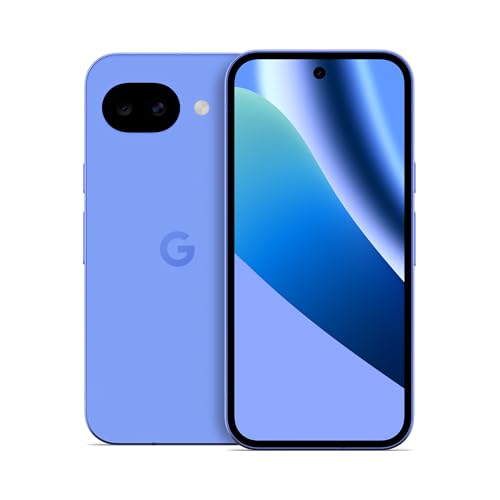


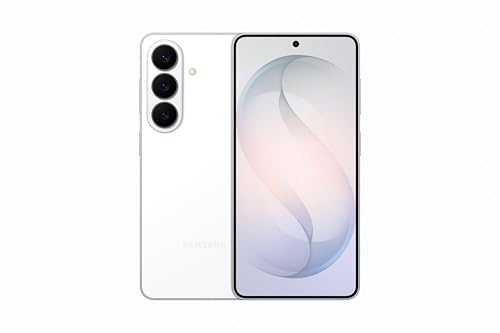

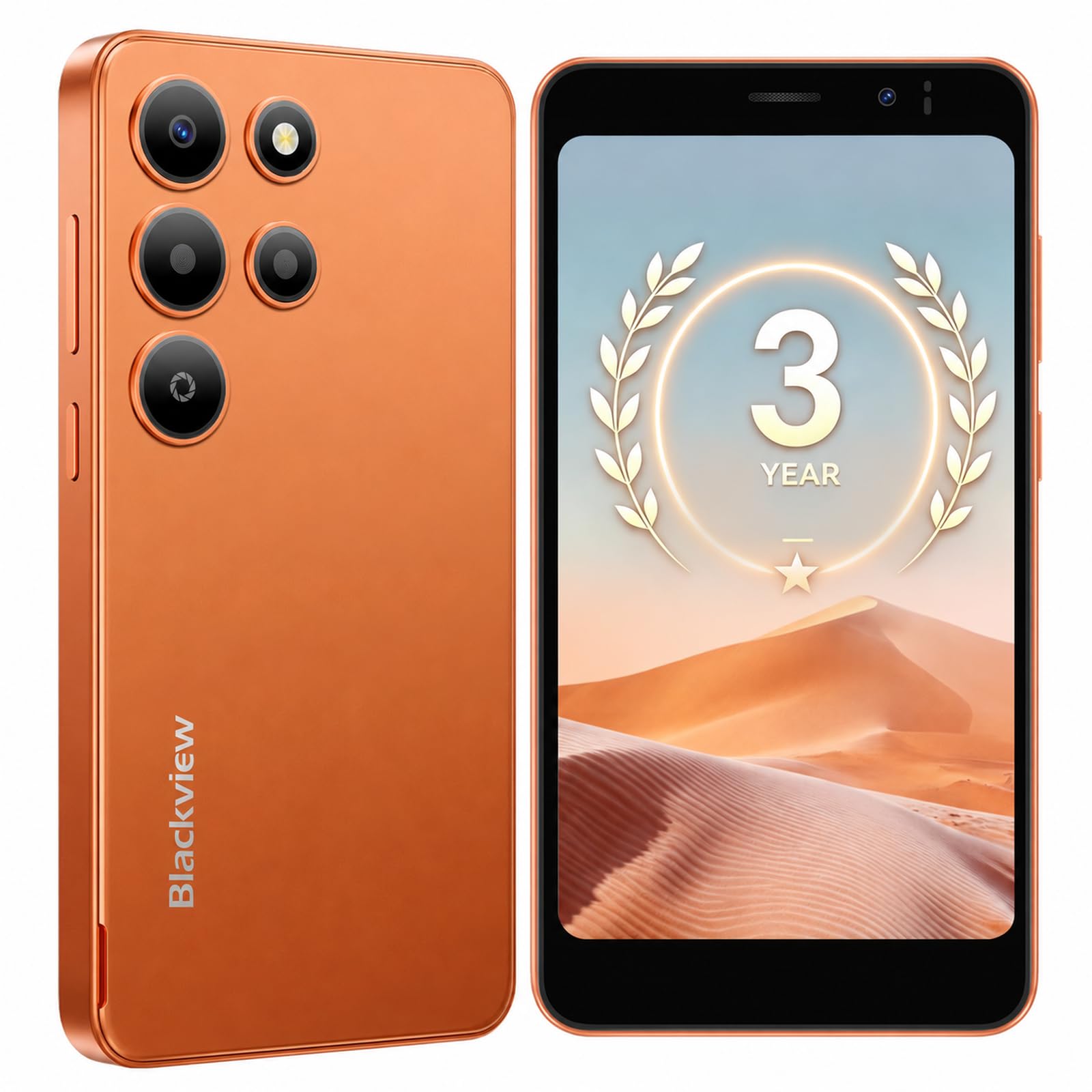
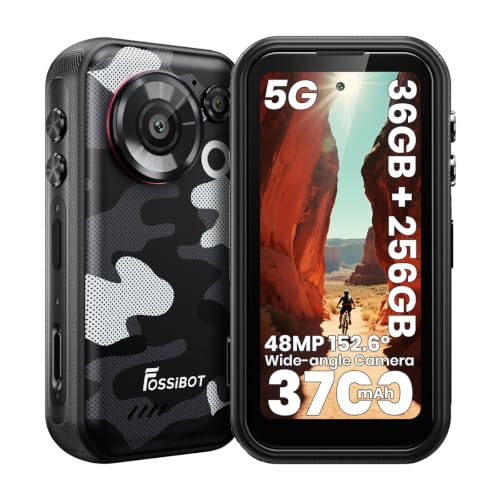
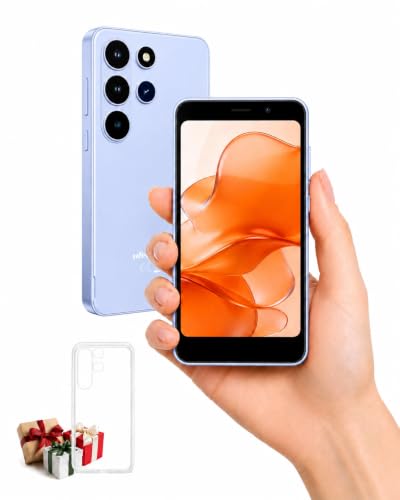
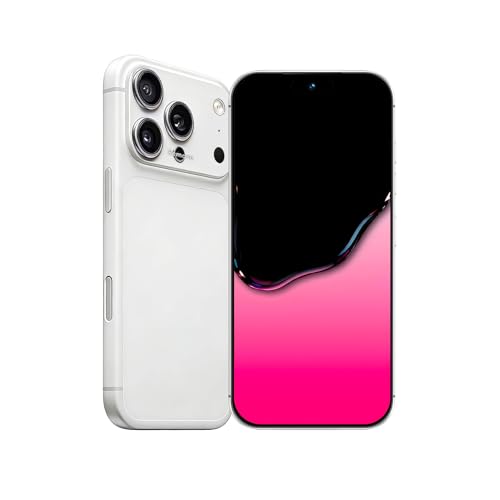
Types of Compact Android Smartphones Compared
Think of the three types below as different answers to the same question: what should a small phone protect, and what can it sacrifice? A flagship style compact phone protects performance and cameras and sacrifices price. A budget compact protects your wallet and sacrifices speed and update length. A camera focused compact protects photo quality and sacrifices battery size or screen features. Prices overlap between types, so use the trade offs, not the tag alone, to sort the product table above.
Compact Phones
The classic compact phone pairs a display around 6.1 inches or smaller with a current processor, an OLED panel, and water resistance such as IP68. It works like any flagship, just in a body you can wrap your fingers around, and it suits one handed use on trains, in lines, and on walks. The pros are speed, bright screens, and long software support. The cons are real too: smaller bodies hold smaller batteries, often around 3,500 to 4,500 mAh, and heat has less room to spread during long gaming sessions. Typical prices run about $500 to $900.
Budget Phones
Budget compact phones aim for the essentials: a modest processor, a smaller or lower resolution screen, and a plastic body that keeps weight and cost down. They handle calls, messages, maps, music, and light social apps without trouble, and many include a headphone jack or memory card slot that flagships dropped. The trade offs show up in camera quality at night, slower charging, and shorter update promises, sometimes only two or three years. For a second phone, a phone for a teenager, or anyone whose apps are simple, spending about $150 to $350 here is a sensible, low stress choice.
Camera Focused Phones
Camera focused compact phones put their budget into lenses, sensors, and image processing instead of raw size. You get strong main cameras, useful night mode, and often optical zoom or a good ultrawide lens, all in a body that still fits a jacket pocket. They suit travelers and parents who take most photos on the phone but hate carrying a large device. Watch the compromises: the battery is still small, video features may trail the biggest flagships, and prices around $600 to $1,000 reflect the camera hardware. Check sample photos in daylight and low light before you decide.
Compact Phones vs Budget Phones: Which Should You Choose?
These two types get mixed up most often, so compare them directly. On performance, a flagship style compact phone runs demanding games and edits photos smoothly, while a budget model may pause when switching between heavy apps. On cameras, the gap is largest at night, where the compact flagship keeps detail and the budget phone turns grainy. On support, compact flagships often promise five or more years of updates, while budget models may stop after two or three, which matters if you keep phones for a long time.
Battery life is the surprise category: budget phones often win, because their simpler screens and processors sip power from similar sized batteries. Price is the final divider, with budget models costing roughly half as much. Choose the flagship style compact if you keep a phone four years or more and care about photos. Choose the budget compact if your use is light, your replacement cycle is short, or the phone is a backup. If you are also weighing small phones from other platforms, our guide to the best compact smartphones covers the wider field.
How to Choose the Right Compact Android Smartphone
With your type chosen, four checks separate a good purchase from a frustrating one. Run through them in order before you look at colors or storage tiers.
Display Size and Quality
Look for an OLED display if your budget allows, because OLED panels give deep blacks, strong contrast, and better efficiency with dark themes. A refresh rate of 120Hz makes scrolling and animations feel smoother, though it uses a little more battery than 60Hz. Brightness matters outdoors: a panel rated around 1,500 nits or higher stays readable in sunlight, which matters for maps and photos. Resolution around 1080p is plenty at this size, since pixels pack tightly on a small screen and extra sharpness mainly drains the battery.
Measuring for Size and Portability
Screen inches can mislead, so measure the body instead. Width drives comfort most: a phone under about 71 mm wide is genuinely easy to grip for smaller hands, while thickness and weight shape pocket feel. A practical test is to cut a piece of cardboard to the listed dimensions and hold it for a day, or compare against your current phone measurements at home. Remember the core trade off: every millimeter you save comes from battery, camera hardware, or cooling, so decide which of those you can spare.
Carrier Compatibility and 5G
An unlocked phone gives you freedom to switch carriers, travel with local SIM cards, and avoid carrier bloatware. Before buying, confirm the phone supports your carrier bands, especially for 5G, because a phone missing a key band may fall back to slower service in your area. Most shoppers in the United States need sub 6 GHz 5G for coverage, while millimeter wave support is a bonus in dense city zones. For the full range of sizes and price points, our guide to the best android smartphones is a useful cross check, and if you like the smaller form factor in general, the best compact android phones guide focuses on the same idea.
Software Updates and Support Window
Update policy decides how long a compact phone stays safe and useful. Look for a stated number of Android version upgrades plus monthly or quarterly security patches, and prefer at least four years of security support. Long support also protects resale value and banking app compatibility, since apps drop old Android versions over time. A phone that costs a little more but receives three extra years of patches is often cheaper per year of use than a bargain model you must replace sooner.
Care and Maintenance Tips
Small phones live in pockets and get dropped like any other phone, so a slim case and a screen protector are cheap insurance that barely add bulk. Keep software updated, since patches fix security flaws and often improve battery behavior. Avoid charging in extreme heat, such as on a sunny car dashboard, because heat ages small batteries faster than large ones. If you pair your phone with audio gear, our guide to the best headphones for android smartphones can help, and smartwatch shoppers may also like the best smartphone watches for android roundup of companion options.
FAQs
Should I buy an unlocked compact Android smartphone?
Yes, unlocked is the safer default for most buyers. An unlocked phone works across carriers, travels well with local SIM or eSIM plans, and usually receives updates directly from the maker without carrier delays. The one caution is financing: carrier deals sometimes discount locked phones, so compare the total two year cost, including the plan, before assuming the unlocked route costs more.
How many years of updates should a compact Android smartphone get?
Aim for at least four years of security updates and two or three Android version upgrades. Premium compact models now promise considerably longer, which suits anyone keeping a phone five years. Shorter support is acceptable on a very cheap phone you plan to replace in two years, but it becomes a security risk if you stretch the phone beyond its patch window while using banking or work apps.
How much storage does a compact Android smartphone need?
Most people should start at 128 GB. Photos and videos fill space fastest, and 4K video can consume several gigabytes in minutes of shooting. If you shoot lots of video, store music offline, or keep big games installed, 256 GB buys comfortable headroom. Cloud storage helps, but it needs a connection and a subscription, so do not count it as a full substitute for local space.
Is a mid range phone good enough as a compact Android smartphone?
For most daily tasks, yes. Mid range compact phones handle messaging, browsing, maps, streaming, and casual games well, and their cameras are fine in daylight. You give up the sharpest night photos, the fastest charging, and the longest update windows. If those trade offs do not touch your routine, a mid range model around $300 to $500 is often the smartest value in this category.
Do I need 5G on a compact Android smartphone?
You do not strictly need 5G today, but buying without it shortens the phone useful life. 5G coverage is now standard in most cities, and carriers keep shifting capacity toward 5G networks, so a 5G phone holds its speed better over a four year ownership span. If you live in a rural area with strong 4G and weak 5G, the feature matters less, though the same phone will still benefit when you travel.
Our Verdict
Pick your type first, then verify body width in person or with a cardboard mock up, then confirm update length and carrier bands. Those three checks matter more than small differences in processor speed. Whether you land on a flagship style compact, a budget model, or a camera focused design, the best compact android smartphones share one trait: they fit your hand and your habits at the same time. Compare your shortlist in the product table above before you buy.


