Best Air Rowing Machine for Home: Types Compared and How to Choose for 2026
Disclosure: We may earn a commission when you buy through links on this page, at no extra cost to you. As an Amazon Associate I earn from qualifying purchases. Learn more

Compare the best air rowing machine for home by type, ideal user and price range, from compact foldables to commercial grade rowers.
Air rowers all use a flywheel and a fan, yet the machines built around that simple idea feel very different once one is standing in your spare room. Some fold upright into a corner, some stream coached workouts, and some are built to survive daily training for a decade. This guide compares the main types side by side so you can match a frame and a console to your space, your budget, and your training style.
The best air rowing machine for home is rarely the most expensive one. It is the one whose footprint you can live with, whose monitor gives you feedback you actually use, and whose rail and seat still feel smooth after thousands of strokes. Start with the comparison table below, then read the type breakdowns to see which category deserves your money.




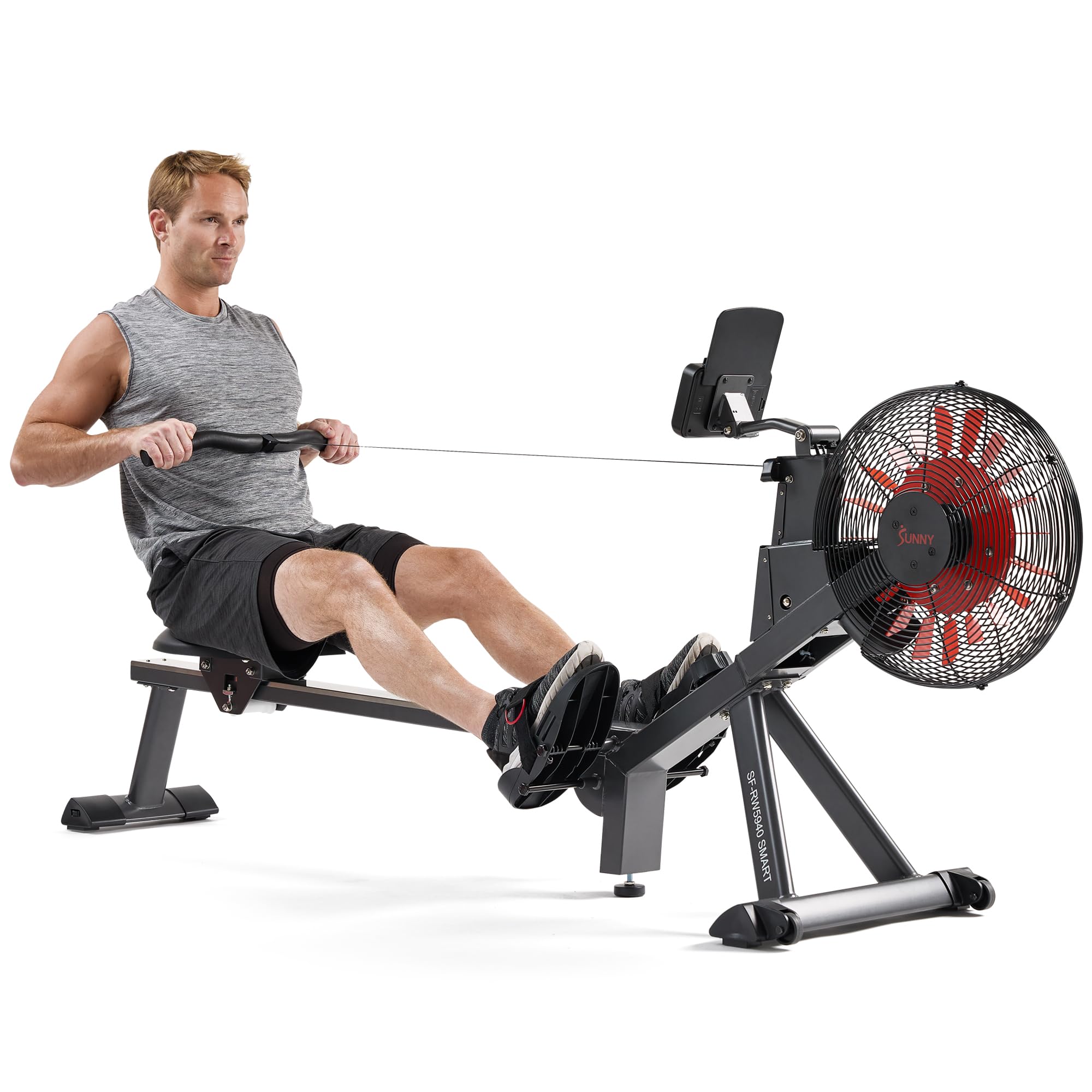
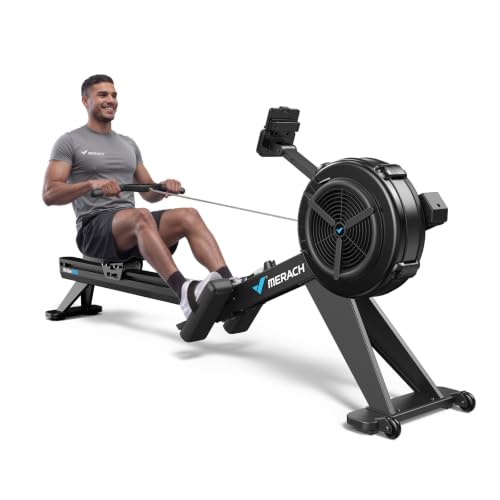
Types of Air Rowing Machines Compared
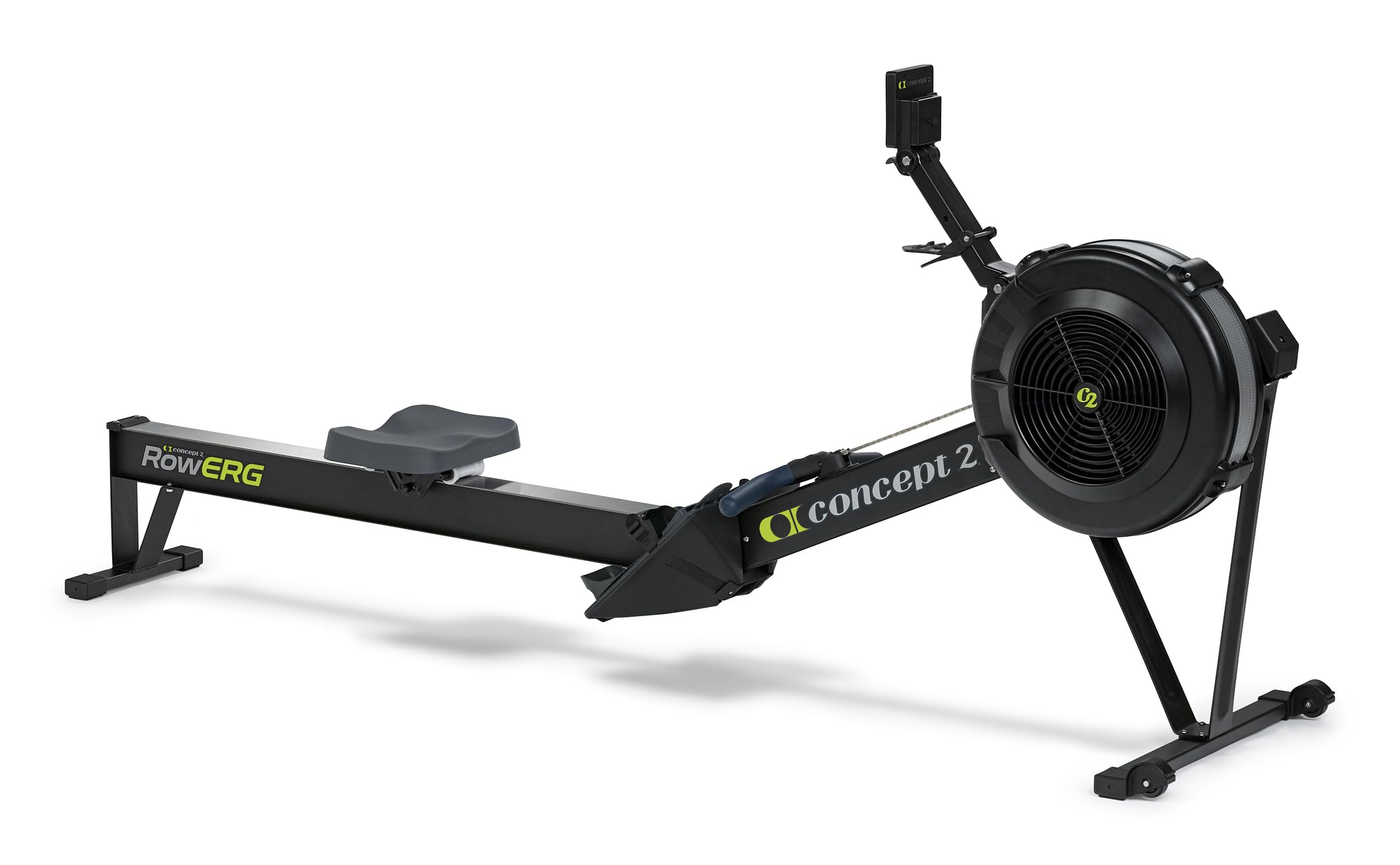
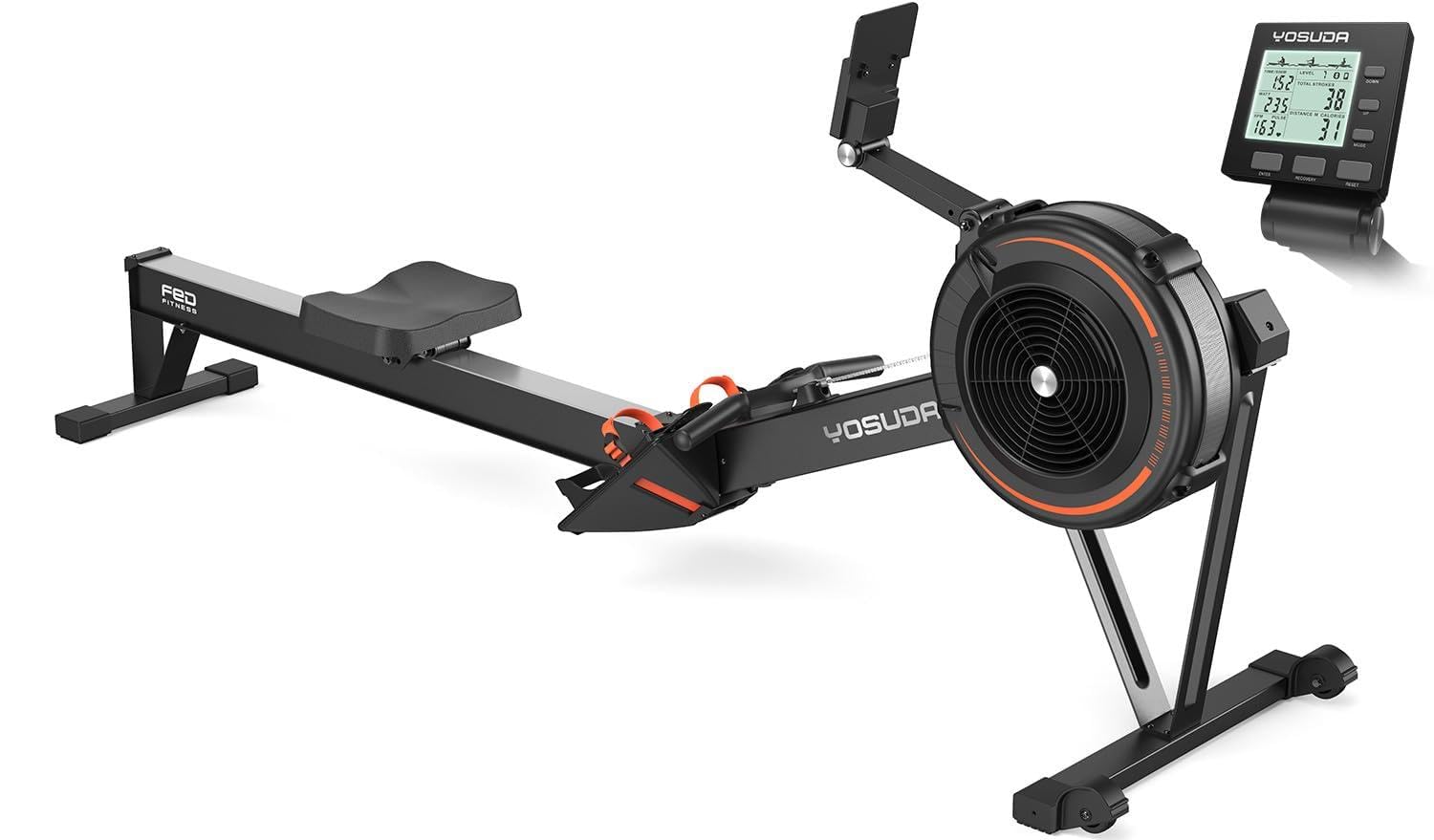
Every air rower creates resistance the same basic way: the harder and faster you pull, the more air the fan blades catch, and the heavier each stroke feels. The differences sit in the frame, the monitor, and the extras around that flywheel. Budget starter models often cost under $400, midrange foldable and connected models usually run about $600 to $1,100, and commercial grade machines commonly cost around $1,200 to $1,800. The product table above shows current examples in each band.
Compact and Foldable Models
Compact and foldable air rowers store upright against a wall or split into two pieces that slide into a closet. That design suits apartments, shared bedrooms, and garages where the machine must share space with daily life. Transport wheels and a lighter frame make moving one a one person job.
The trade off is usually a shorter rail and a simpler monitor. Taller rowers should check the rail length carefully, because a cramped catch position makes good form hard to hold. If you train three or four times a week and store the machine between sessions, this type is often the smartest fit.
Smart Connected Models
Smart connected air rowers add a larger display, Bluetooth, and app support on top of the same fan based resistance. They suit rowers who stay motivated with coached classes, virtual races, and detailed pace and watt data saved after every session. A tablet holder and a heart rate receiver are common extras in this group.
Expect to pay more upfront, and check whether the best content sits behind a monthly subscription. The flywheel and frame are rarely stronger than a plain midrange model, so you are paying for motivation and data. If you already follow structured workouts, that trade can be worth it.
Budget Starter Models
Budget starter air rowers keep the fan flywheel and skip almost everything else. Monitors typically show time, distance, and stroke count, frames are lighter, and weight capacity often tops out around 220 to 250 lb. For a first machine used a few times a week, that can be enough to build the habit and learn clean technique.
Go in with honest expectations. Seats may wobble sooner, chains or straps can feel less refined, and spare parts support varies widely between sellers. Buy from a seller with a clear returns policy, and treat this type as a low risk way to learn whether rowing suits you.
Commercial Grade Models
Commercial grade air rowers use a heavier steel frame, a long monorail, and components built for gyms where machines run all day. Weight capacity often reaches 350 to 500 lb, seats roll on larger bearings, and every wear part can usually be replaced. Serious rowers who train six days a week get real value from that durability.
The downsides are price, weight, and storage. These machines are long, heavy to move, and rarely fold small. If your training is the priority and the machine will live in one spot, this is the type that still feels tight and quiet years later.
Compact and Foldable Models vs Smart Connected Models: Which Should You Choose?
On storage, foldable models win easily, since most stand upright in about two square feet of floor space. On motivation, connected models win, because classes, pace boats, and saved workout history give each session a target. On stroke feel, the two are closer than prices suggest, since both use similar flywheels and dampers.
On total cost, foldable models pull ahead once you add two or three years of subscription fees to a connected machine. On data, connected models record far more. Choose the foldable type if space is your tightest limit, and choose the connected type if boredom, not space, is what usually ends your training plans.
How to Choose the Right Air Rowing Machine
Type comes first, but five details decide whether a specific machine earns its place in your home. Work through them in order, because a great console cannot fix a rail that is too short for your legs.
Console, Programs, and App Connectivity
At minimum, look for a monitor that shows pace per 500 meters, stroke rate, distance, and time, because pace is the number rowers use to pace intervals and track progress. Bluetooth lets the monitor send workouts to a phone app and receive heart rate data from a chest strap. Built in programs such as intervals and target distance sessions add variety without any subscription. Before paying extra for a big screen, confirm which features keep working if you later cancel the paid app.
Assembly and Portability
Most air rowers arrive in one large box and take about 30 to 60 minutes to assemble with basic tools, usually just attaching the rail, seat, and front legs. Check the boxed weight if the machine must go up stairs, since commercial models can be awkward for one person. Transport wheels should let you tip and roll the machine without dragging the flywheel housing across the floor. If you plan to store it daily, practice the fold or stand up motion in the store photos and confirm you can do it in your ceiling height.
Warranty (Frame, Parts, Labor)
Read the warranty in three parts. Frame coverage of five years or more signals a maker that trusts its steel, while parts coverage of two to five years matters most for the seat rollers, chain, and monitor. Labor coverage is often only one year, so ask who services the machine if something fails early. Keep your receipt and register the product, because some brands shorten coverage for unregistered buyers. A long parts warranty paired with available spare parts beats a long frame warranty on a machine nobody can repair.
Space, Footprint, and Ceiling Height
Plan on about nine feet of length and three feet of width while rowing, plus a little room behind the rail for a full finish position. Measure the storage spot too: a rower stood upright needs roughly two feet by two feet of floor and enough ceiling height for its full length, often around eight feet. Garages and basements with low beams catch people out here. Leave a few inches of clearance on each side so the machine never scrapes walls when you move it.
Build Quality and Weight Capacity
A steel frame with a solid monorail flexes less and tracks straighter than a light frame with a joint in the middle of the rail. Match weight capacity to the heaviest user with a comfortable margin, since capacity ratings assume smooth strokes and a level floor. Sit on the seat and roll it: it should glide without grinding or rocking. Wide, adjustable footplates with secure straps matter more than they sound, because loose feet waste power on every single stroke.
If you are comparing air models against other resistance types for a full training corner, see our guide to the best rowing machine for home gym for layout and flooring advice.
How to Make Your Air Rowing Machine Last Longer
- Use a mat to protect floors and reduce noise, and to keep the machine from creeping during hard intervals.
- Wipe down the rail, handle, and seat after each workout, because dried sweat corrodes metal and makes rollers gritty.
- Tighten bolts monthly, especially at the rail joint and front legs, and add a drop of chain oil if your model uses a chain.
- Vacuum dust from the flywheel housing every few months so airflow and resistance stay consistent.
Frequently Asked Questions
Is a subscription required for an air rowing machine?
No, a subscription is never required to row, because the flywheel and the basic monitor work on their own. Paid apps only add coached classes, scenery, and extra training plans on connected models. One practical point many buyers miss: some screens shrink to a small basic display without a membership, so check what the monitor shows in free mode before you buy.
Which type of air rowing machine is better for beginners?
A budget starter or a midrange foldable model suits most beginners best. Both keep the stroke simple, cost less while you learn, and store easily if your routine changes. Readers who scan best air rowing machine reviews often focus on top speed and race features, but for your first six months, a comfortable seat, clear pace readings, and a rail long enough for your height matter far more.
How long does an air rowing machine last?
A commercial grade machine can last ten years or more in a home, while light starter models often show wear in three to five years. The first parts to age are usually seat rollers and the chain or strap, both cheap to replace. One point the body sections skip: storing a rower in a damp garage shortens its life fastest, because moisture attacks bearings and electronics even when the machine is rarely used.
Is an air rowing machine quiet enough for an apartment?
It is the loudest rower type, but most apartment users manage fine with a few habits. The fan makes a whooshing sound that rises with your effort, yet it carries less through walls than impact noise. A thick mat, workouts outside late night hours, and a closed door usually keep neighbors happy. Avoid placing the flywheel right against a shared wall, where the sound transfers most.
How much space do I need for an air rowing machine?
You need a clear area about nine feet long and three feet wide to row safely. Storage needs far less if the machine stands upright, roughly a two foot square. One detail worth checking before delivery: measure your doorways and hallway turns, because a long one piece rail cannot bend, and some homes need the machine carried in through a wider back door instead.
Final Thoughts
Match the type to your real constraint first: storage space, motivation, budget, or training volume. Then confirm rail length, weight capacity, and warranty parts coverage on the specific model. If folding matters most, our guide to the best foldable rowing machine for home goes deeper on storage designs, and our guide to the best rated home rowing machine covers highly rated options across resistance types. The best air rowing machine for home for you is in the product table above, in the category that fits your room and routine.