
Best Affordable Home Rowing Machine: Buying Guide for 2026
Disclosure: We may earn a commission when you buy through links on this page, at no extra cost to you. As an Amazon Associate I earn from qualifying purchases. Learn more

A plain guide to the best affordable home rowing machine: resistance, rail length, storage, noise, and warranty.
Rowing machines look alike in photos, yet they feel completely different once you sit down and pull. This checklist helps you judge a best affordable home rowing machine by resistance feel, rail fit, build quality, and storage, in that order. Work through it before you compare prices and the weak options will drop away on their own.
Keep your height, your longest planned workout, and your storage space in mind as you read. A rower is a long piece of equipment, and the best value model is the one that fits your room and your body at the same time. The comparison table below is most useful after you know which resistance type and rail length you need.
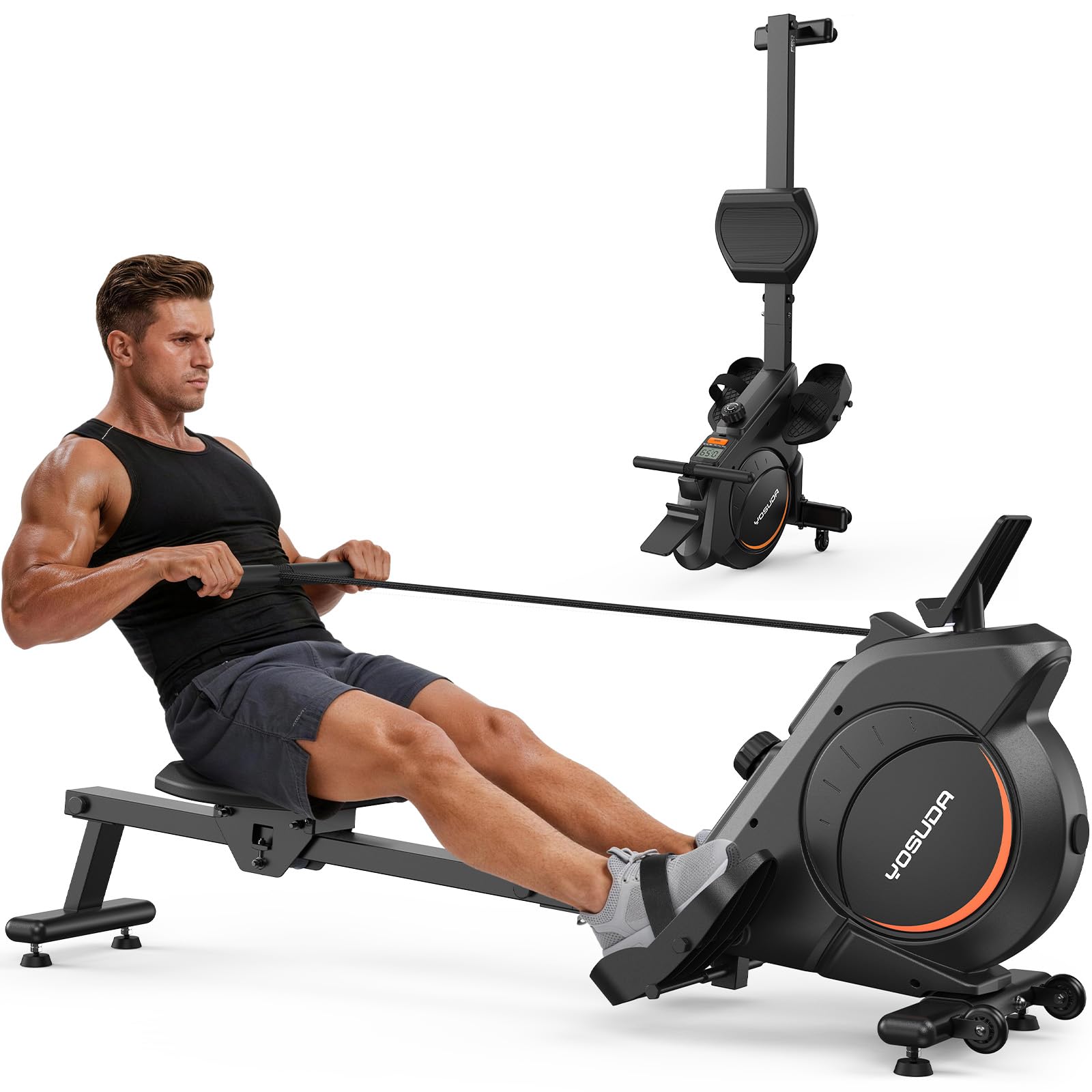
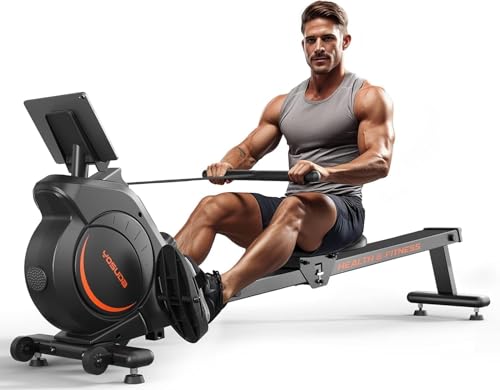


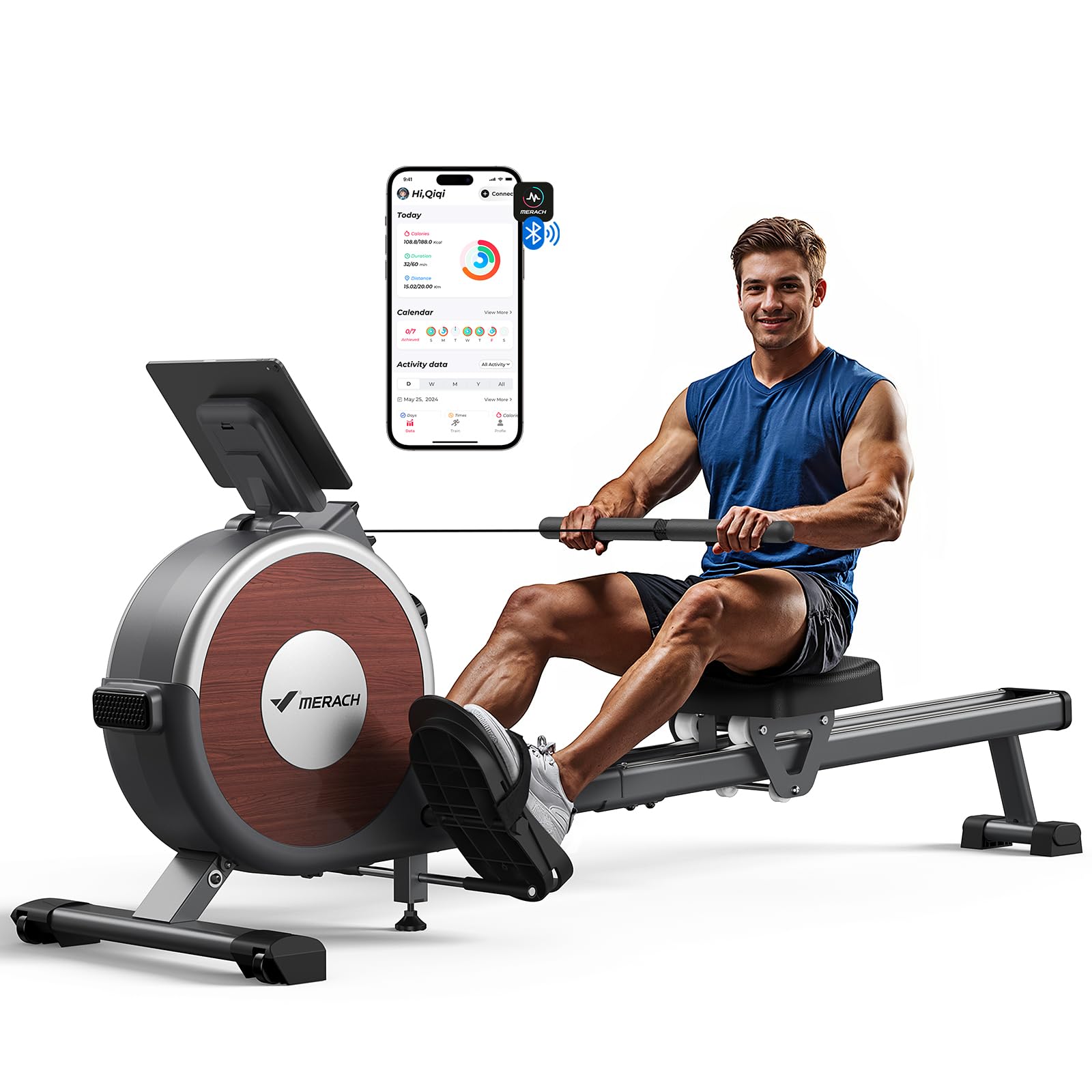

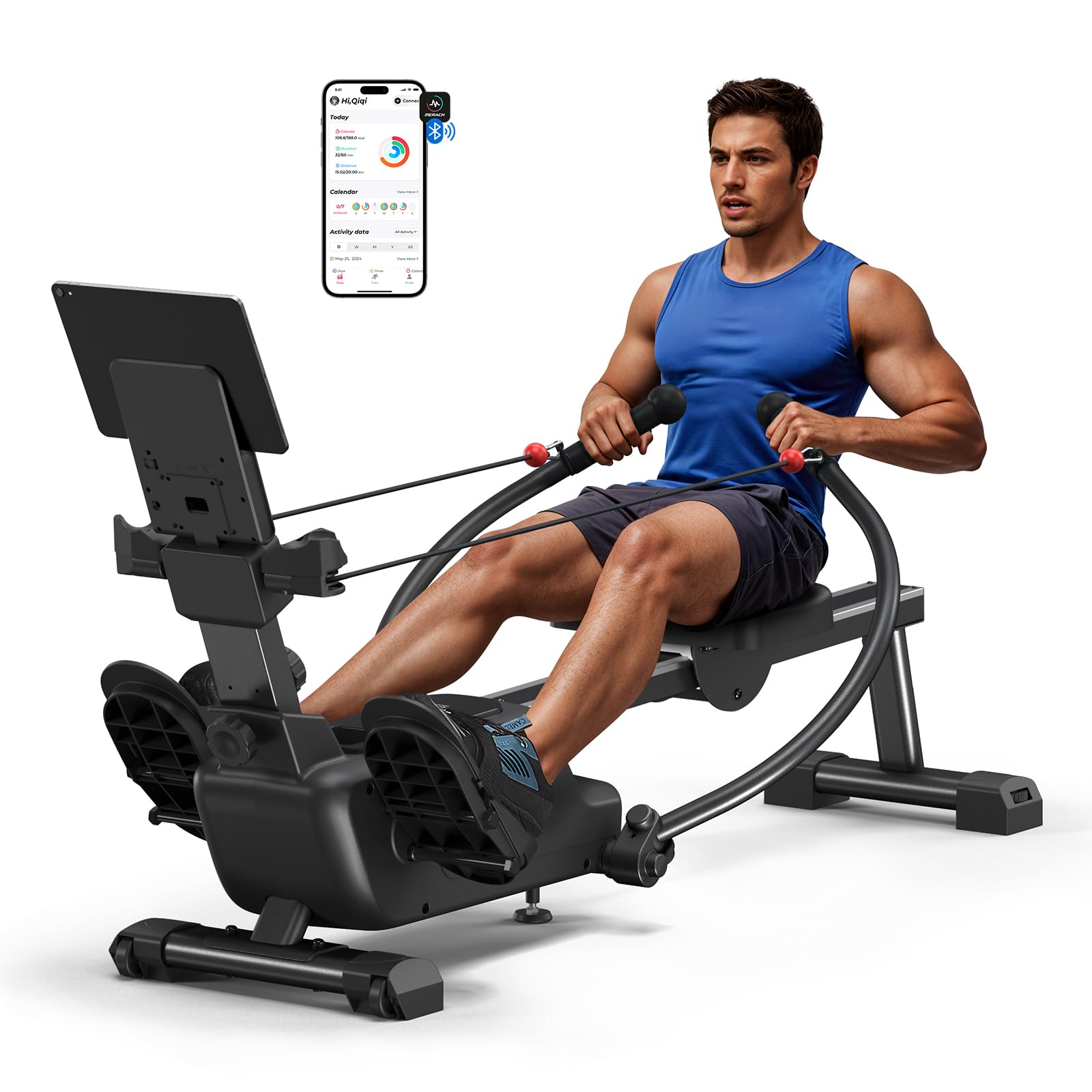
What to Check in Home Rowing Machines
What You Can Realistically Get on a Budget
At around $170 to $400, you can expect magnetic or air resistance, a steel or aluminum rail, a basic performance monitor, and a weight capacity near 250 to 300 lb. What usually gets cut is monitor depth, app features, and the smooth feel of a heavy flywheel at low stroke rates. Do not save money by accepting a short rail or a flimsy seat. Rail fit and seat comfort decide whether you can row with good form for twenty minutes or quit at eight.
Space, Footprint, and Ceiling Height
A typical rower needs about seven to nine feet of length and about two feet of width while in use, plus clear space behind it so you can sit down and stand up safely. Ceiling height is rarely a problem because you row seated, which makes rowers a smart pick for basements where an elliptical would not fit. Measure the full workout footprint, not just the frame, because your body extends past the rear of the rail at the finish of each stroke. If storage space is your main limit, our guide to the best foldable rowing machine for home explains which designs stand upright or fold with the least effort.
Assembly and Portability
Most budget rowers arrive in one long box and take about 30 to 60 minutes to assemble, with the rail, front legs, and monitor as the main steps. Transport wheels on the front end matter more than total weight, because you will tip and roll the machine rather than carry it. Test the storage move before your first workout, not after. If standing the rower upright feels awkward or unsafe in your space, choose a model that separates into two pieces or plan a permanent floor spot.
Build Quality and Weight Capacity
The rail takes your full body weight on every stroke, so look for a single solid rail or a well braced dual rail with a stated capacity well above your weight. Keep at least a 30 lb margin under the limit, because the load spikes as you drive back with your legs. Seat rollers should spin freely with no grinding, and the footplates should hold your heels without the straps loosening mid workout. A steel frame with a clean weld finish will usually outlast a lighter frame that flexes and creaks under strong strokes.
Shoppers comparing sturdier frames across budgets can see our guide to the best rated home rowing machine for the build details that separate durable rails from light ones.
Resistance Type and Range
Magnetic resistance feels smooth and stays quiet, and you set the level with a dial or buttons, which suits steady paced training. Air resistance rises as you pull harder, so it rewards strong strokes and feels natural to many rowers, but the fan makes a whooshing sound. Water resistance gives a smooth pull and a pleasant sound, though tanks add weight and need basic care. Hydraulic pistons appear on the cheapest compact models and often feel uneven. Whatever the type, you want a range that lets you warm up easily and still challenges you at the top end.
Warranty (Frame, Parts, Labor)
Frame coverage on budget rowers often runs two to five years, while parts coverage is commonly one year and labor may be 90 days or less. The parts term matters most, because straps, seat rollers, and monitor sensors are the pieces that wear first. Ask who pays shipping on a replacement rail or flywheel, since long parts are costly to send. Keep your receipt and a photo of the serial label in your phone so a claim never stalls while you search for paperwork.
Noise Level for Apartments
Magnetic models are the quietest choice for shared walls, producing little more than seat roller sound and your own breathing. Air models make a steady fan noise that grows with effort, which most neighbors tolerate during the day but may object to late at night. A mat under the machine cuts vibration through the floor and keeps the frame from creeping across hard surfaces. Place the rower away from a shared bedroom wall when you can, and keep rollers clean so grit does not turn a quiet machine into a noisy one.
What Each Price Tier Delivers
Rather than naming favorite models, use the tiers below to judge any rower in the product table above. Match the tier to your training plans and your storage reality, and you will avoid paying for features you will never open.
Balanced Tier for Most Homes
Around $300 to $400, this tier usually brings a longer rail, a smoother magnetic or air system, and a monitor that shows pace, strokes per minute, and distance with better clarity. It suits adults of most heights who plan three to five sessions a week. The main limit is app depth, since advanced programming and large screens still cost more. For most buyers, this tier delivers the best mix of stroke feel, durability, and price, and it is the standard the other tiers should be judged against.
Value Tier for New Rowers
Around $170 to $300, expect a solid basic machine with a shorter feature list, a simpler monitor, and a rail that fits users up to about six feet tall. This tier makes sense when you are building the rowing habit and want to confirm you enjoy it before spending more. Check the strap quality and seat padding with extra care here, because small comfort flaws end more beginner routines than weak monitors do. If you row four times a week after three months, the tier has done its job.
Compact Tier for Small Spaces
Compact models trade rail length and flywheel size for a storage move you can do in under a minute. Some stand upright in a closet, while others split into two shorter pieces that slide under a bed. The trade off is real, because taller users may find the stroke cramped and the resistance range narrow. Choose this tier only when a full size rower truly has no home in your space. A compact machine you can store beats a large machine you trip over daily and soon stop using.
If your rower will anchor a full training corner, our guide to the best rowing machine for home gym covers pairing one with mats, fans, and other equipment.
Quick Buyer Checklist
- Is the rail long enough for your height with room at the finish of the stroke?
- Is the weight capacity at least 30 lb above your body weight?
- Does the resistance type match your noise limits and training style?
- Can you store the machine safely in the space you actually have?
- Do the footplates and straps hold your feet without slipping or pinching?
- Does the monitor show pace and stroke rate, not just time and calories?
- Is parts coverage at least one year, with clear shipping terms?
Red Flags to Watch For
- No rail length listed. Without it, taller buyers cannot tell whether the machine fits their stroke at all.
- Weight capacity under 220 lb. A low limit often signals a light rail and rollers that will wear quickly under daily use.
- Monitor with calories only. Pace and stroke rate are the numbers that teach good form, and a bare bones display hides them.
- Straps sold as a feature. If the listing leads with accessories and says little about the flywheel or rail, the core machine is likely weak.
- Warranty under one year on parts. Short coverage on the pieces that wear first shifts the repair cost onto you early.
Tips to Get the Most From Your Home Rowing Machine
Use a mat to protect floors and reduce noise, and place it on a level surface so the rail does not twist under load. Wipe down the rail, handle, and seat after each workout, because sweat and dust on the rail make the seat rollers feel rough. Tighten bolts monthly and check the strap or chain for fraying before it fails mid stroke. Row with your legs driving first and your arms finishing the pull, since arm only rowing tires you fast and teaches poor form. Talk with your clinician before starting if you have back, knee, or heart concerns, and stop if you feel sharp pain or dizziness.
Readers curious about the smooth pull and sound of a tank based design can compare our guide to the best water rowing machine for home before ruling that type in or out.
Home Rowing Machines: Your Questions Answered
Is a subscription required?
No, most budget rowers work fully with no subscription, and the monitor tracks your session on its own. Some connected models offer paid classes and scenic rows through an app, and a few place extra programs behind that plan. Check what the screen shows with no account before you buy. If pace, distance, and interval settings need a paid plan, add that yearly cost to the machine price when you compare value across models.
Which is better for beginners?
Magnetic resistance is better for most beginners because the level stays steady while you learn form, and the machine stays quiet enough for any room. Air models reward experience, since the resistance jumps with every hard pull and can tempt new rowers into sloppy fast strokes. Start with a moderate setting you can hold for fifteen minutes with clean form. Shorter daily sessions build the habit and the technique that make harder settings useful later.
How much space do I need?
Plan on about eight feet of length and three feet of width during use, including room to sit down and stand up at the rear of the rail. Storage needs vary, since upright models need about two square feet of floor plus ceiling clearance for their height. Measure your storage spot with the same care as your workout spot. Many returns happen because a rower fits the room but not the closet the buyer counted on using every night.
Is it quiet enough for an apartment?
A magnetic rower on a mat is quiet enough for nearly any apartment, with sound limited to the seat rollers and the handle return. Air models are louder, closer to a fan on a medium setting at hard effort, and may carry through thin floors. You can lower noise by keeping rollers clean, tightening the frame, and rowing on the mat rather than bare wood. Reasonable hours still matter more than any single design choice in a shared building.
How long does it last?
A budget rower used three to five times a week commonly lasts about four to seven years, with straps, rollers, and batteries needing attention along the way. The rail and frame usually outlast the monitor and the small wear parts. Simple care stretches that life a lot, especially wiping the rail and storing the machine indoors away from damp air. When a flywheel or rail repair nears half the cost of a comparable new machine, replacement is usually the wiser spend.
Our Verdict
Put rail fit, resistance type, and parts warranty at the top of your list, and let screens and apps rank last. Match the tier to your space and your weekly plan, and keep a real margin under the weight capacity. Chosen that way, a best affordable home rowing machine will serve your training for years, so look back at the comparison table above and pick the frame that fits your room, your height, and your budget.


