
Best Compact Elliptical Machine Home Use: Our 2026 Checklist for Choosing Well
Disclosure: We may earn a commission when you buy through links on this page, at no extra cost to you. As an Amazon Associate I earn from qualifying purchases. Learn more

Run this checklist before you buy the best compact elliptical machine home use: size, stride, resistance, build, and value checks in plain English.
A checklist beats a star rating when you are buying fitness equipment for a small room. Compact ellipticals all promise smooth, quiet, space saving workouts, yet they differ sharply in stride, stability, and staying power. This guide gives you six practical checks for judging the best compact elliptical machine home use options, with clear pass and fail lines for each one.
Run every model you like through the six criteria below before you compare prices. The product table shows current models, and the budget section after the criteria explains what each price band usually delivers.


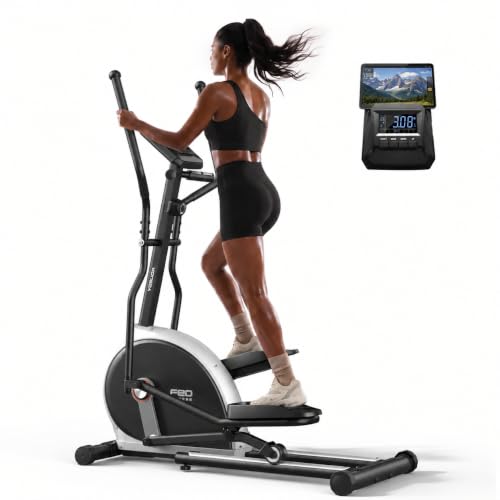


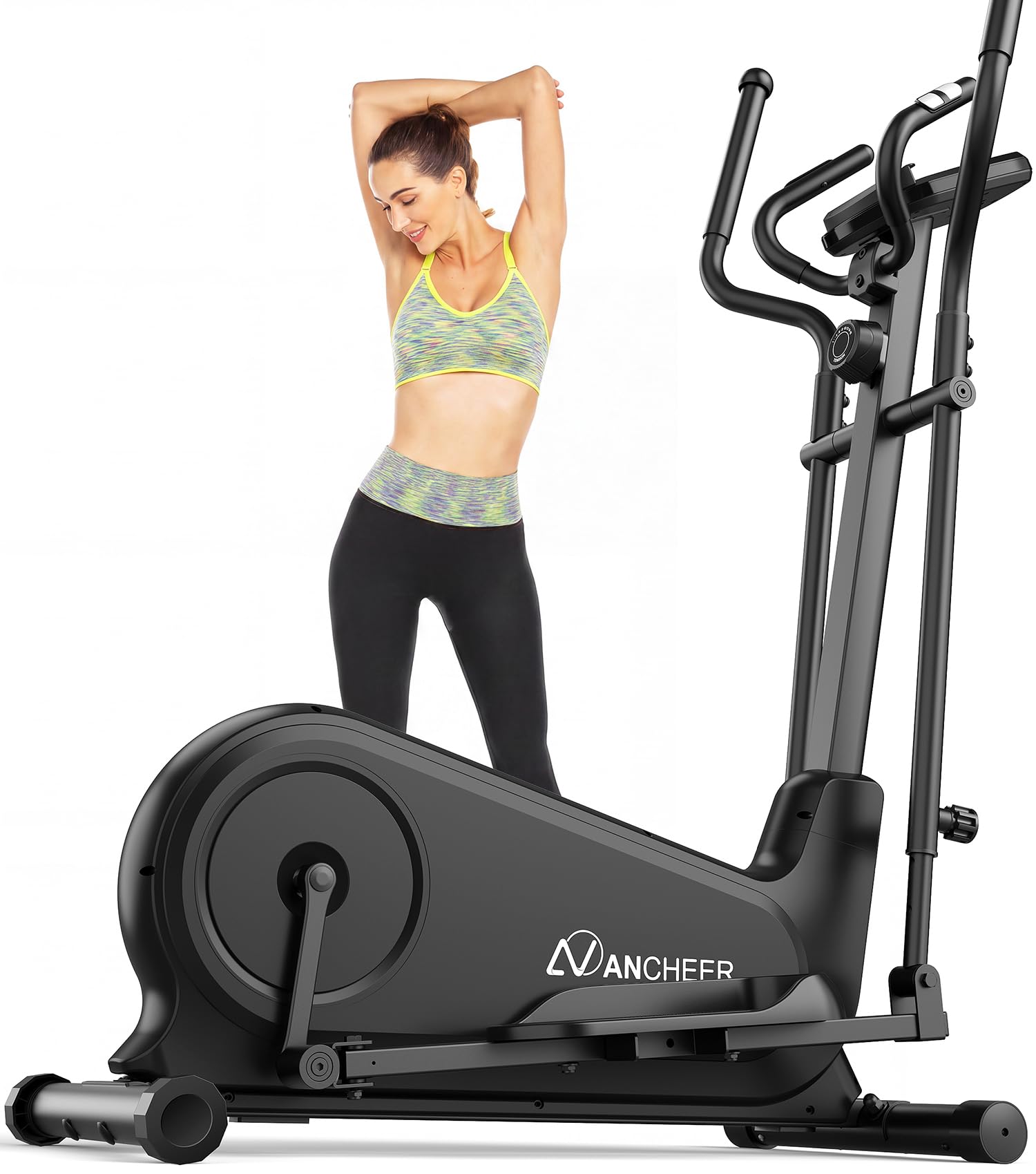
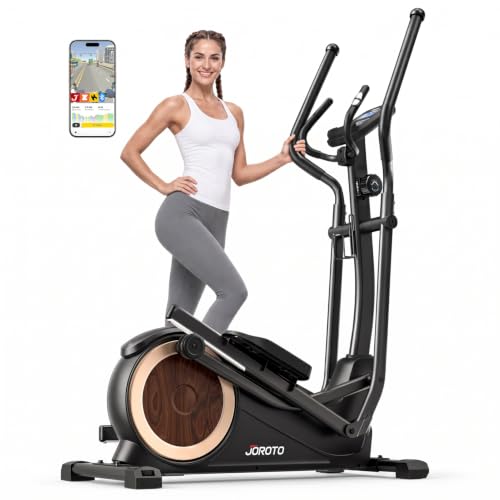
How to Judge a Compact Elliptical Machine for Home Use
Each criterion below has a practical threshold. A machine does not need to ace all six, but it should not fail the ones tied to your body and your room. Fit and stride failures cannot be fixed later, while a plain console can be worked around with a phone or tablet.
Measuring for Size and Portability
Pass mark: the in use footprint fits your taped floor footprint with a foot of clearance behind, and you can move the machine without help. Measure length, width, and the highest point of the moving handles, not just the folded size. Weight is the hidden half of portability: under about 100 lb rolls easily, while heavier frames should stay where you install them. Fail any model whose storage plan depends on strength you do not have, because a machine that is hard to move soon stops being moved at all.
Space, Footprint, and Ceiling Height
Pass mark: your ceiling clears your head at the top of the pedal motion with at least 6 inches to spare. Ellipticals raise you higher than treadmills do, so add your height to the pedal lift height, roughly 12 to 15 inches, and compare the total with your ceiling. Basements and rooms under sloped ceilings fail this check most often. Also confirm the power cord reaches an outlet without crossing your walking path, because tripping over a cord mid workout is a real and avoidable hazard.
Noise Level for Apartments
Pass mark: magnetic resistance, a belt drive, and no reported clunks or squeaks at working speed. Most sound complaints come from vibration rather than the drive itself, so the machine must sit flat with adjustable levelers on the feet. A dense mat underneath is part of this check, not an optional extra, because it absorbs the thump that travels through floor joists. If you train before dawn in an apartment, weight this criterion heavily: a quiet machine you can use daily beats a loud one you feel guilty starting.
Resistance Type and Range
Pass mark: magnetic resistance with at least 8 clearly spaced levels, and ideally 16 or more. Magnetic systems change effort smoothly and quietly because nothing touches the flywheel, so they wear slowly too. Air and hydraulic systems appear on some very small models; they can feel uneven and often limit the top end effort.
Judge the range by your future self: the hardest level should feel genuinely challenging now, or you will outgrow the machine as you get fitter. Easy spinning at maximum resistance is a fail for anyone training more than casually.
Stride Length, Range of Motion, and Ergonomics
Pass mark: a stride that matches your height, about 14 to 16 inches for shorter users, 17 to 19 inches for mid height users, and 20 inches or more for tall users. Too short a stride forces a choppy shuffle that loads your hips; too long can overreach and strain your lower back. Pedals should sit close together, near natural hip width, and stay large enough for your whole foot. Handlebars at two heights, fixed and moving, are a plus, because they let you choose posture on easy and hard days alike.
Console, Programs, and App Connectivity
Pass mark: clear readouts of time, distance, speed, and resistance that you can read at a glance while moving. Built in programs earn their place by varying effort for you; a dozen sensible ones beat forty gimmicks. Bluetooth links to fitness apps are a bonus for tracking, but confirm the core workout works with no phone and no subscription. For connected shoppers, our guide to the best compact elliptical for home use explains how app ecozystems differ across brands.
What Different Budgets Usually Buy
Instead of chasing one model, use these budget bands to see what your money should deliver. If a machine is priced in one band but built like the band below, treat that as your clearest value warning.
Entry Priced Machines
The lowest priced compact ellipticals trade frame mass and stride length for a friendlier price. They usually have fewer resistance levels, lighter frames, and shorter warranties. They suit beginners and lighter users training a few times a week, and they fold or roll away more easily. The honest limit is intensity headroom: stronger users reach the top resistance quickly, so buy here if you are building the habit and accept an upgrade later.
Mid Priced Machines
The middle of the market is where most households land. Expect a sturdier steel frame, magnetic resistance with many small steps, a longer stride, and a console that adds Bluetooth and a tablet ledge. Warranties tend to run longer here. This band suits daily use by one or two people and is the safest default if your budget allows it, because nothing about the ride feels like a compromise you must forgive.
Higher Priced Machines
At the top of the compact range, frames get heavier, strides get longer, and parts warranties stretch furthest. The ride stays planted during hard intervals. Consoles may add larger screens and richer app support, though durability is what you are paying for. Choose this band for daily hard training, several users in one home, or a buy once mindset, and compare it with the machines in our guide to the best rated elliptical machines for home use to see how ratings track build quality.
Quick Buyer Checklist
- Does the footprint fit your taped footprint, with a foot of space behind the machine?
- Does your ceiling clear your head at full pedal height with inches to spare?
- Does the stride length match your height range?
- Is the weight capacity at least 30 lb above your body weight?
- Is the resistance magnetic, with enough levels to challenge you next year?
- Can you move or fold it alone, in the way your room actually requires?
- Does the warranty cover frame and parts for a sensible length of time?
- Does every feature you care about work without a paid subscription?
Red Flags to Watch For
- Vague specifications: a listing that hides stride length or weight capacity is telling you something.
- Very short warranties: 90 days of parts coverage on a moving machine signals low confidence from the maker.
- Impossible claims: commercial grade language on a featherweight frame rarely survives contact with daily use.
- Odd review patterns: bursts of generic five star praise with no detail deserve skepticism.
- No replacement parts path: if pedals, belts, and power adapters are not sold, small failures end the machine.
Setup and Care Tips
Build the machine on the mat where it will live, because dragging an assembled elliptical through doorways is miserable. Use a mat to protect floors and reduce noise, tighten every bolt in the order the manual gives, and try it at slow speed before your first real session. Wipe down pedals and handles after each workout, and tighten bolts monthly, since motion works fasteners loose over time. Stop and check any new clicking or rocking right away rather than training through it.
FAQs
Is a compact elliptical quiet enough for an apartment?
Yes, if it uses magnetic resistance and sits on a dense mat, the sound is a soft hum that rarely carries through walls. The bigger risk is floor vibration during fast intervals, which the mat and level, stable placement reduce greatly. One extra trick: place the machine along a load bearing wall rather than mid room, where floor flex is greatest. Early morning users should also favor steady pacing over sprints.
Which compact elliptical setup is better for beginners?
An entry or mid priced machine with a simple console and a stride matched to your height is better for beginners than any complicated connected model. Fewer decisions at the console mean you start moving sooner, and magnetic resistance lets you change effort without stopping. Beginners also benefit from preset programs that structure the first month. If choosing between two, pick the one with the higher weight capacity, because stability builds confidence faster than features do.
How much space does a compact elliptical machine need?
Allow about 2 ft by 5 ft of floor, a foot of clearance behind, and enough ceiling that your head stays at least 6 inches below it at full pedal height. Foldable models store smaller but need the same room in use. Before ordering, tape the footprint and stand on a step of similar pedal height to sanity check the ceiling. Shoppers still torn between styles can read our explainer on what is the best elliptical machine for home use for a wider view.
How long does a compact elliptical machine last?
Expect about 5 to 10 years from a sturdily built machine that gets basic care. Monthly bolt checks and prompt cleaning matter more than brand prestige at this size. Electronics usually age out before frames do, so simple consoles often deliver the longest service. Heavy daily use pulls you toward the low end of the range, which is exactly why heavier frames exist.
Is a subscription required for compact elliptical machines?
No, and any machine that needs a subscription for basic resistance changes should fail your checklist outright. Paid memberships can add classes and tracking on connected models, and some people love them, but the hardware must work fully without one. Always check what happens if the app shuts down: manual mode should remain. If you prefer highly rated simple machines, our guide to the best rated elliptical for home use shows what satisfied owners prioritize.
Our Verdict
Fit, stride, and build are the three checks that decide everything, so refuse to compromise on them for a cheaper price or a bigger screen. Pick the budget band that matches your training load, run the checklist against the product table above, and the best compact elliptical machine home use choice for your home will be the one still feeling solid years from now. If joint pain or a medical condition shapes your exercise plans, talk with your clinician about suitable intensity before you buy.


