Best Compact Color Printers in 2026: What to Check First
Disclosure: We may earn a commission when you buy through links on this page, at no extra cost to you. As an Amazon Associate I earn from qualifying purchases. Learn more

Score size, running cost and setup honestly and the best compact color printers narrow down fast.
A compact printer earns its place by fitting the desk you actually have, not the office you wish you had. But small boxes hide big differences: two printers with the same footprint can cost three times as much per page, or take twice as long to produce a photo. This guide works like a checklist.
It lists the criteria for judging the best compact color printers, with the numbers that separate a good score from a poor one, so you can score any model yourself in minutes. The product table gathers the current contenders in one place.
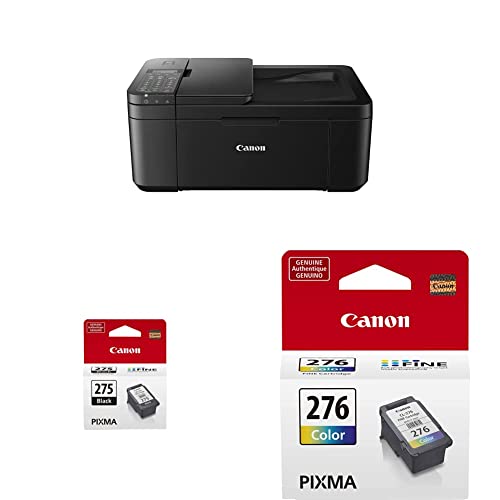


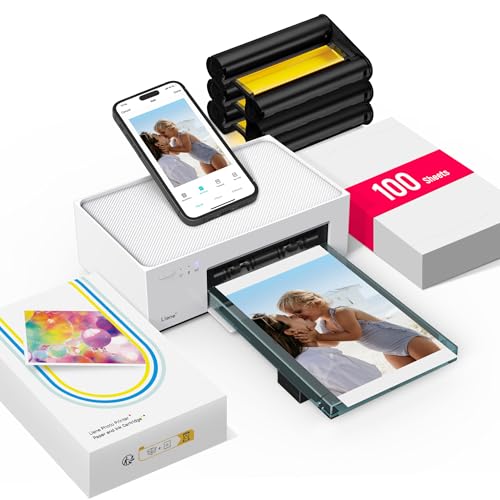
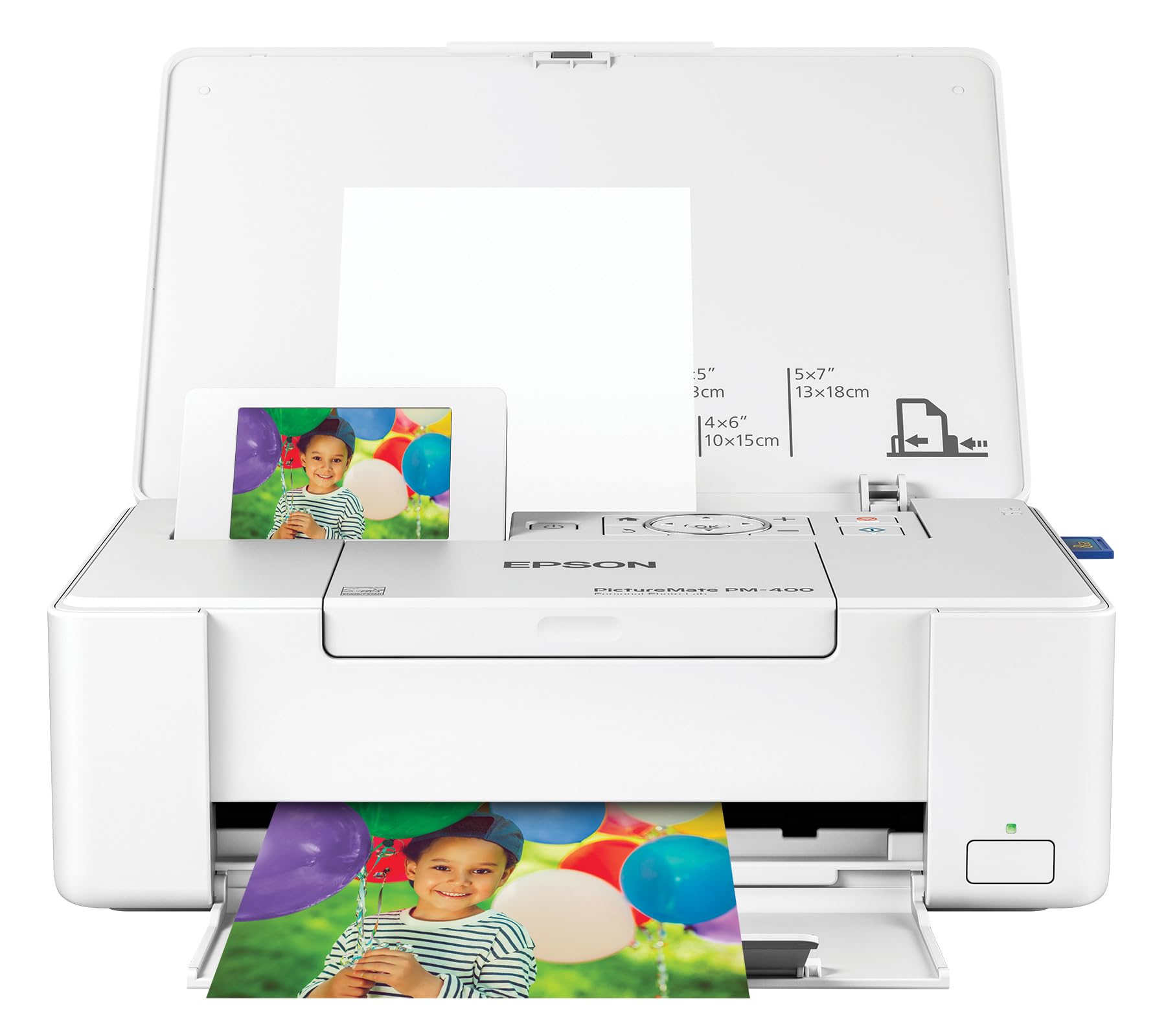


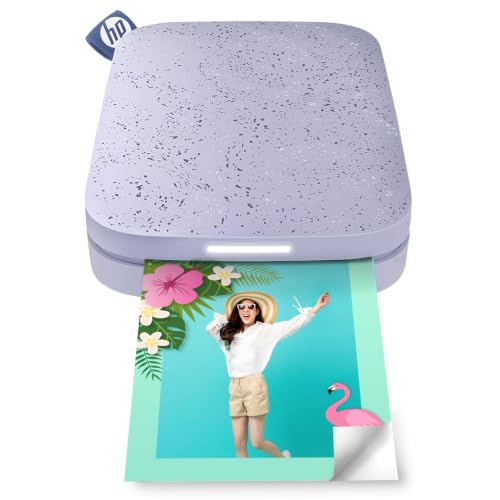
Run each candidate through the seven checks below. A printer that passes six of them will almost always serve you better than one with a flashy feature and weak basics.
How to Evaluate Compact Color Printers
Each criterion below includes a simple good and poor threshold. Thresholds are guides, not laws, but they turn vague marketing into decisions you can defend.
Measuring for Size and Portability
Measure the shelf or desk corner first, including the space the paper tray needs when it is open and loaded, because many compact printers grow several inches in use. A good target is a footprint under about 16 by 14 inches and a weight you can move alone, roughly 15 lb or less. Do not forget height with the lid raised for scanning. The trade off is constant: smaller bodies hold smaller paper trays and smaller ink supplies, so ultra compact designs ask you to refill and reload more often.
Printer Type: Inkjet, Laser, Tank, and 3D
Standard inkjets suit mixed home use and photos at a low purchase price. Compact laser models print sharp text fast and sit idle without clogging, but most small lasers are monochrome, so a color laser is bigger and pricier. Ink tank printers cost more up front and far less per page. Note that 3D printers, whether FDM models melting PLA filament or resin designs, are a separate category entirely: they make objects, not documents, so score them on layer height and build volume, not on anything in this checklist.
Ease of Setup and Calibration
A good compact printer goes from box to first page in about 15 minutes, with WiFi setup that works from a phone app or a clear on screen wizard. Poor setups demand a computer, a cable that is not included, and repeated network attempts. Look for automatic printhead alignment and simple cartridge or tank access from the front. For households that print from several devices, AirPrint and similar direct phone printing standards remove most daily friction, so treat built in support as a genuine scoring point, not a bonus.
Cost per Page and Ink Costs
Cost per page is the purchase price of ink divided by the pages it yields, and it decides what the printer really costs you. A good score is under about 5 cents per color page; cartridge models can run 15 cents or more, which punishes anyone printing school projects or flyers weekly. Ink tank models often land near 1 cent per page. Also check whether the printer accepts reputable third party cartridges or locks you into one supply, and whether ink subscriptions genuinely beat shelf prices at your volume.
Print Speed
Speed is rated in pages per minute, and a good compact score is around 10 pages per minute for black text and 6 or more for color. First page out time matters just as much for short jobs: a printer that wakes and prints in 10 seconds feels faster all day than a higher rated model that spends 30 seconds thinking. Photo printing is slower for every model, so judge photo speed separately and expect a borderless 4 by 6 print to take about a minute on a decent machine.
Print Quality and Resolution
Resolution is measured in DPI, and 4,800 by 1,200 DPI is a common good score for color inkjets, plenty for sharp photos at normal sizes. In practice, paper choice changes results more than the last few hundred DPI: glossy photo paper transforms the same file that looks flat on cheap copy stock. For text, laser output stays crisper at small font sizes because toner sits on the surface rather than soaking in. If you print mostly documents with occasional color charts, prioritize text sharpness over photo specifications.
Footprint and Noise
A printer beside a bedroom desk or in a shared living room should stay quiet. Good compact models run under about 50 decibels while printing, roughly the volume of a quiet conversation, and near silent in standby. Check the depth with the output tray extended, since a printer that fits closed may crowd your keyboard when working. If space is your top constraint across the whole category, our guide to the best compact home printers ranks small footprints specifically, while photo specialists should start with the best compact photo printers.
Three Printer Profiles That Pass the Checklist
Rather than naming individual models, here are the three profiles that consistently score well, with the buyer each one fits. Match the profiles against the product table.
The All Round Profile
The all round profile is a tank based inkjet with WiFi, automatic two sided printing, and a scanner lid, priced around $200 to $300. It passes on cost per page, quality, and setup, and its only weak score is size, since tanks add bulk. This profile fits families and home offices printing a few hundred pages a month who want color without counting pages. Its one limitation is photo depth: results are very good, but dedicated photo printers still render skin tones and shadow detail a step better.
The Budget Profile
The value profile is a cartridge inkjet around $80 to $130 with solid speed and a basic scanner. It passes on price, footprint, and setup, and fails honestly on cost per page, which suits light users printing under about 50 pages a month. Buy this profile if your printing is occasional: school forms, shipping labels, the odd boarding pass. Its limitation is structural, not a defect: the moment your monthly volume climbs, ink spending overtakes the money you saved at purchase within the first year.
The Smallest Profile
The smallest passing profile is a portable or mini desktop inkjet around $150 to $250, sometimes with an optional battery. It aces footprint and noise and scores acceptably on quality for documents and snapshot photos. This is the dorm room, small apartment, and shared desk answer.
The limitations are tray capacity, often 50 sheets or fewer, and slower color speed, so high volume days feel long. If most of your printing is photos, compare this profile against dedicated models in the best printers for color printing guide before deciding.
Quick Buyer Checklist
Answer these honestly before you buy. Three or more no answers means keep looking.
- Does the footprint, with trays open, fit the spot I measured?
- Is the cost per color page under about 5 cents at my monthly volume?
- Does it connect by WiFi and support printing from my phone?
- Does it print two sided automatically if I print documents weekly?
- Can it hold at least a week of my typical paper use in the tray?
- Are replacement ink or toner options easy to find at fair prices?
- Is the warranty at least one year, with support I can actually reach?
- Does it stay quiet enough for the room where it will live?
Red Flags to Watch For
- Vague yield claims. If a listing will not state page yield per cartridge or tank fill, assume the cost per page is embarrassing.
- Starter ink with no warning. Some printers ship with low fill starter cartridges; a listing that hides this sets you up for a purchase within weeks.
- No stated duty cycle. Makers who skip the monthly volume rating usually built the printer for very light use only.
- Short or murky warranty. A warranty under one year, or one that requires you to ship a bulky unit at your cost, is a warning sign.
- App only operation. A printer that cannot print without an account and a phone app becomes useless if the app is abandoned.
Care and Maintenance Tips
Print one color page every week or two, even a test image, because inkjet nozzles clog when they sit dry, and a weekly page is far cheaper than a cleaning cycle or a new printhead. Use genuine ink or reputable refills, since poor ink is the main cause of streaks and leaks in tank systems. Keep paper stored flat and dry, and fan each stack before loading to prevent double feeds. For a wider view of the category, our guide to the best color printers covers full size models too, and text heavy offices may prefer the best compact laser printers.
FAQs
Which type of compact color printer is easiest for beginners?
A tank based inkjet with a phone app setup is easiest for most beginners. You see ink levels through clear windows, refills are spill resistant bottles rather than fiddly cartridges, and there is no cartridge chip confusion. Compact laser models are also beginner friendly for documents only, since toner never clogs, but they give up photo printing and usually cost more in color versions.
Inkjet or laser: which is cheaper long term?
For color printing at home volumes, an ink tank inkjet is almost always cheaper long term, often near 1 cent per page against several cents for color toner. Laser wins on cost when you print mostly black text at high volume, and it wins on convenience for everyone, because toner cartridges can sit for a year without drying out. Count your color share honestly: above about a third color pages, the tank model pulls ahead fast.
What does cost per page mean?
Cost per page is the ink or toner cost of one printed page: the price of the cartridge or bottle divided by its rated page yield. A $30 cartridge rated at 300 pages costs 10 cents per page before paper. It is the single best number for comparing running costs, and it explains why a cheap printer with thirsty cartridges can cost more over two years than a pricier tank model.
Are ink tank printers worth it?
Yes, if you print more than about 100 pages a month or keep a printer for three years or more. The higher purchase price, often around $100 more than a cartridge model, is repaid by ink that costs a fraction as much per page, and most tank printers include enough ink for thousands of pages in the box. Very light users who print a few pages monthly may never spend the difference on cartridges, so the value case depends on volume.
Our Verdict
Score size honestly, put cost per page second, and let speed and photo quality break ties. A printer that fits your desk and costs a cent or two per page will make you happier than a faster model that punishes every print run. Choose between the tank, value, and mini profiles by your monthly volume, and the best compact color printers decision becomes straightforward. Check your finalists against the product table, then buy once and print without thinking about it.