Best Compact Cameras Under 400 in 2026: Practical Buying Guide
Disclosure: We may earn a commission when you buy through links on this page, at no extra cost to you. As an Amazon Associate I earn from qualifying purchases. Learn more
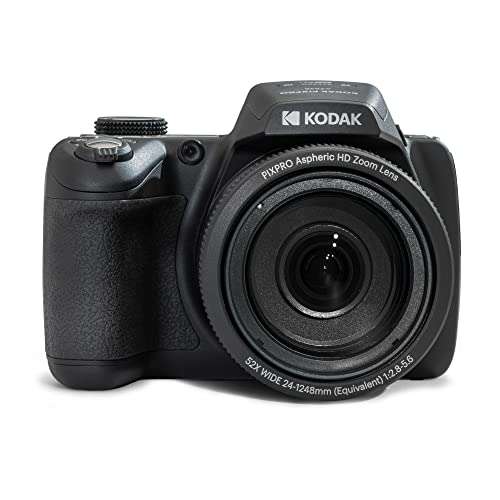
Phone photos fall short at a distance and in dim rooms: here is what the best compact cameras under 400 add.
Your phone takes decent snapshots, yet it still struggles with distant subjects, dim rooms, and fast moving kids or pets. A dedicated camera solves those problems with a real zoom lens, a larger sensor, and controls your phone hides in menus. The best compact cameras under 400 give you those gains in a body that still fits a jacket pocket, so you actually carry it.
This guide explains what this budget realistically buys, which features matter most, and where buyers waste money. Read it alongside the product table before you decide.

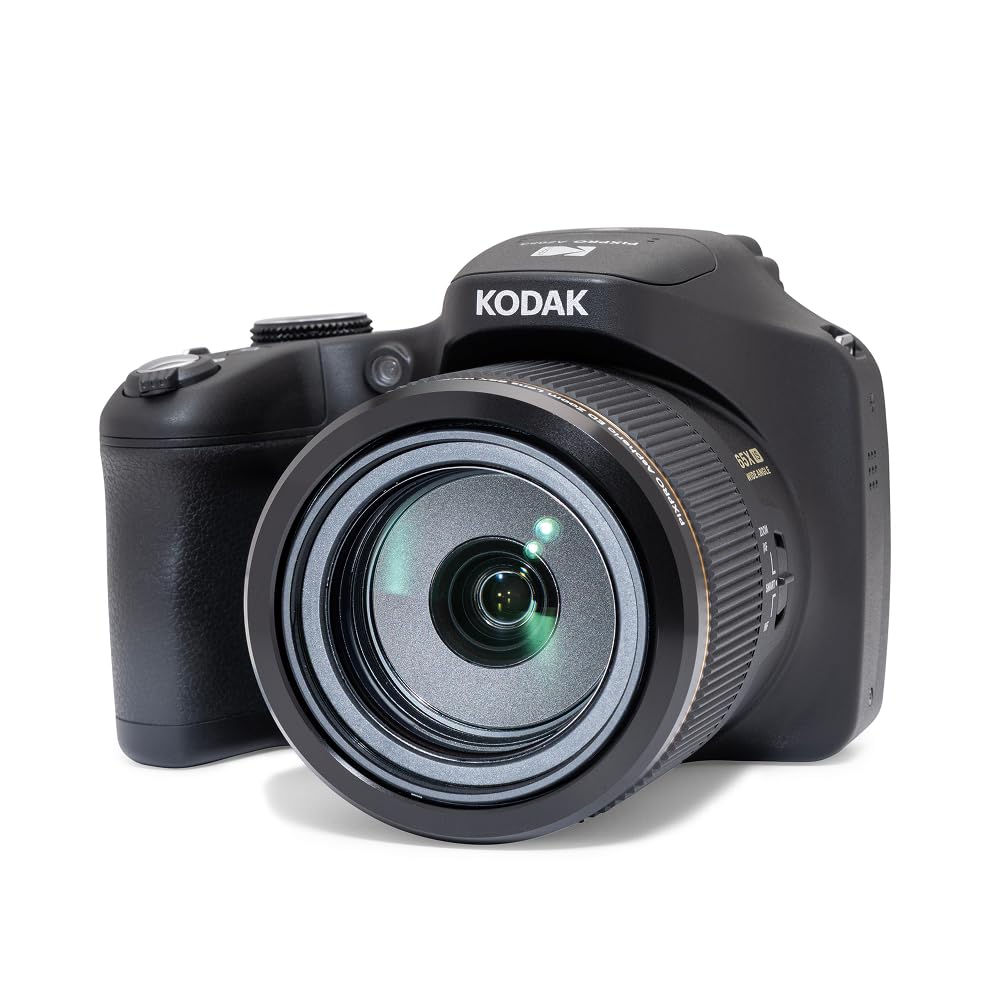
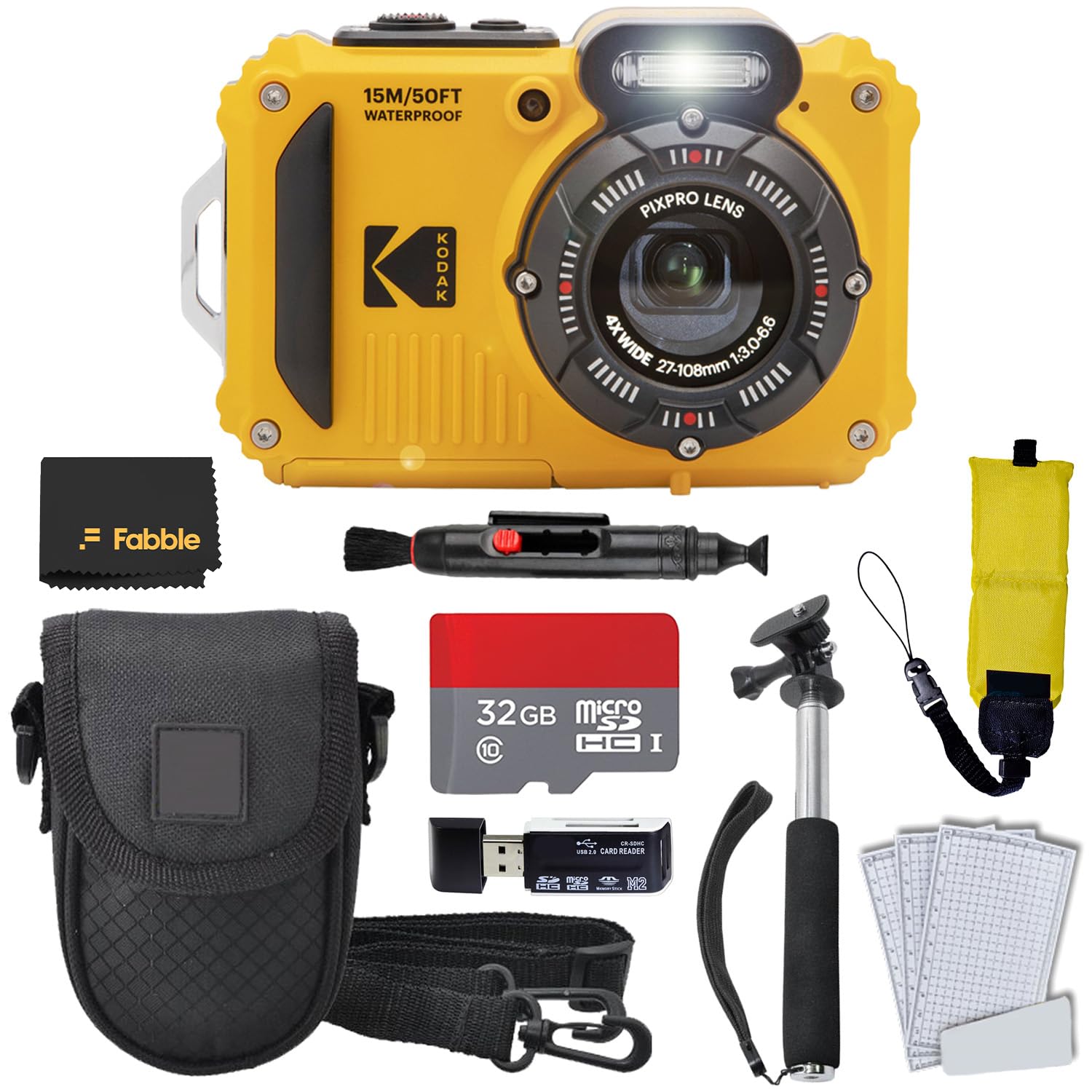
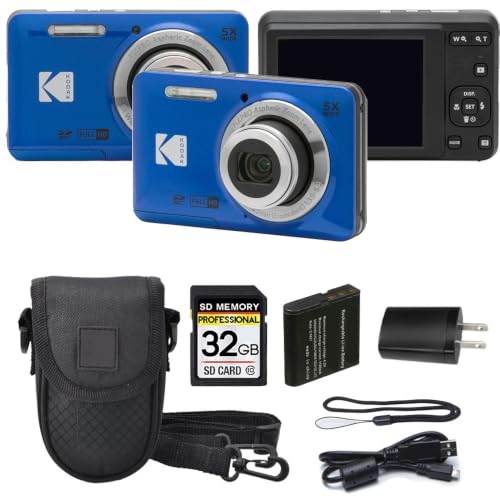
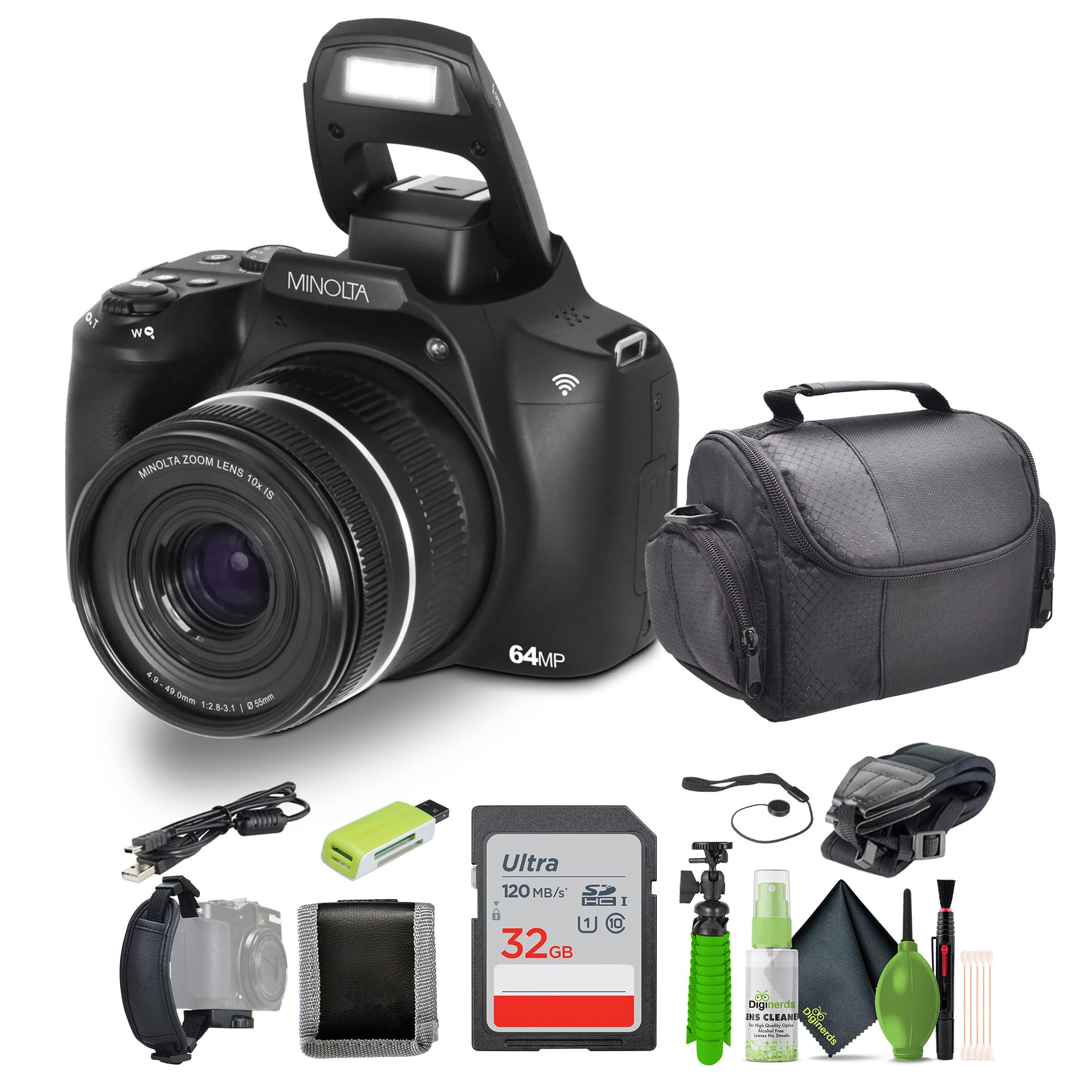
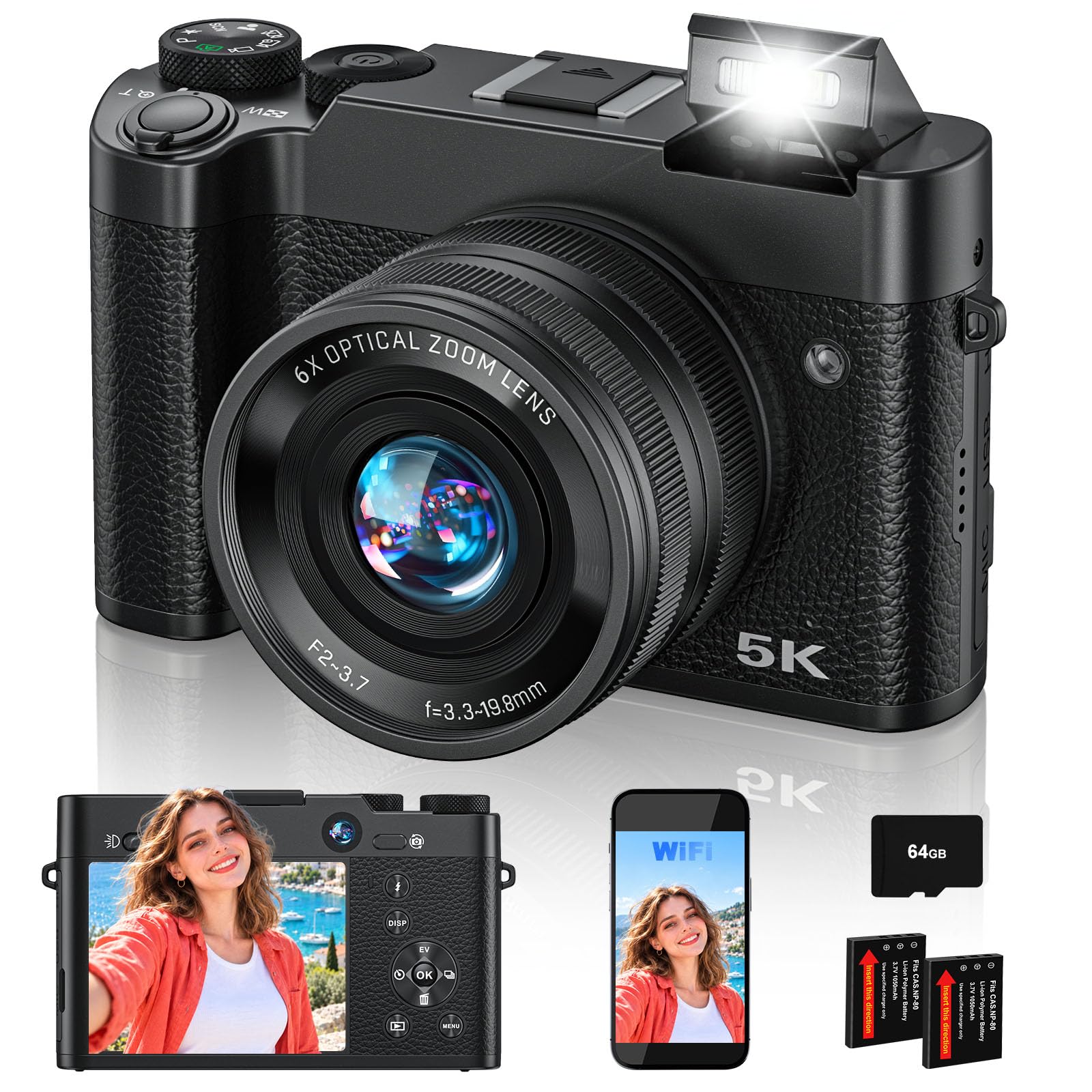
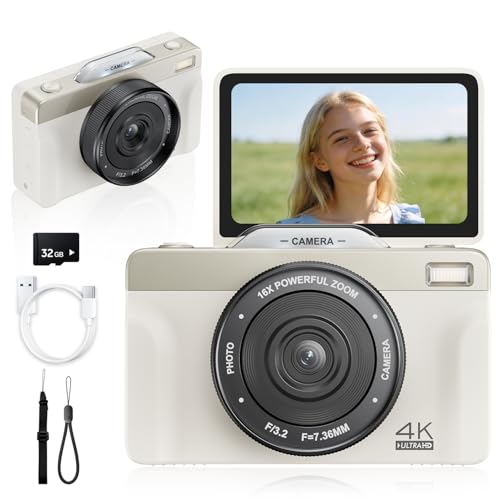
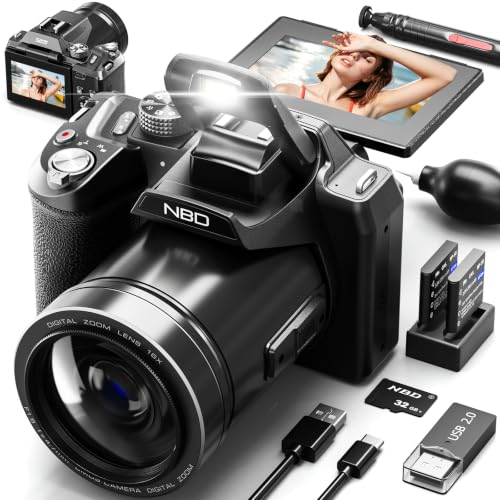
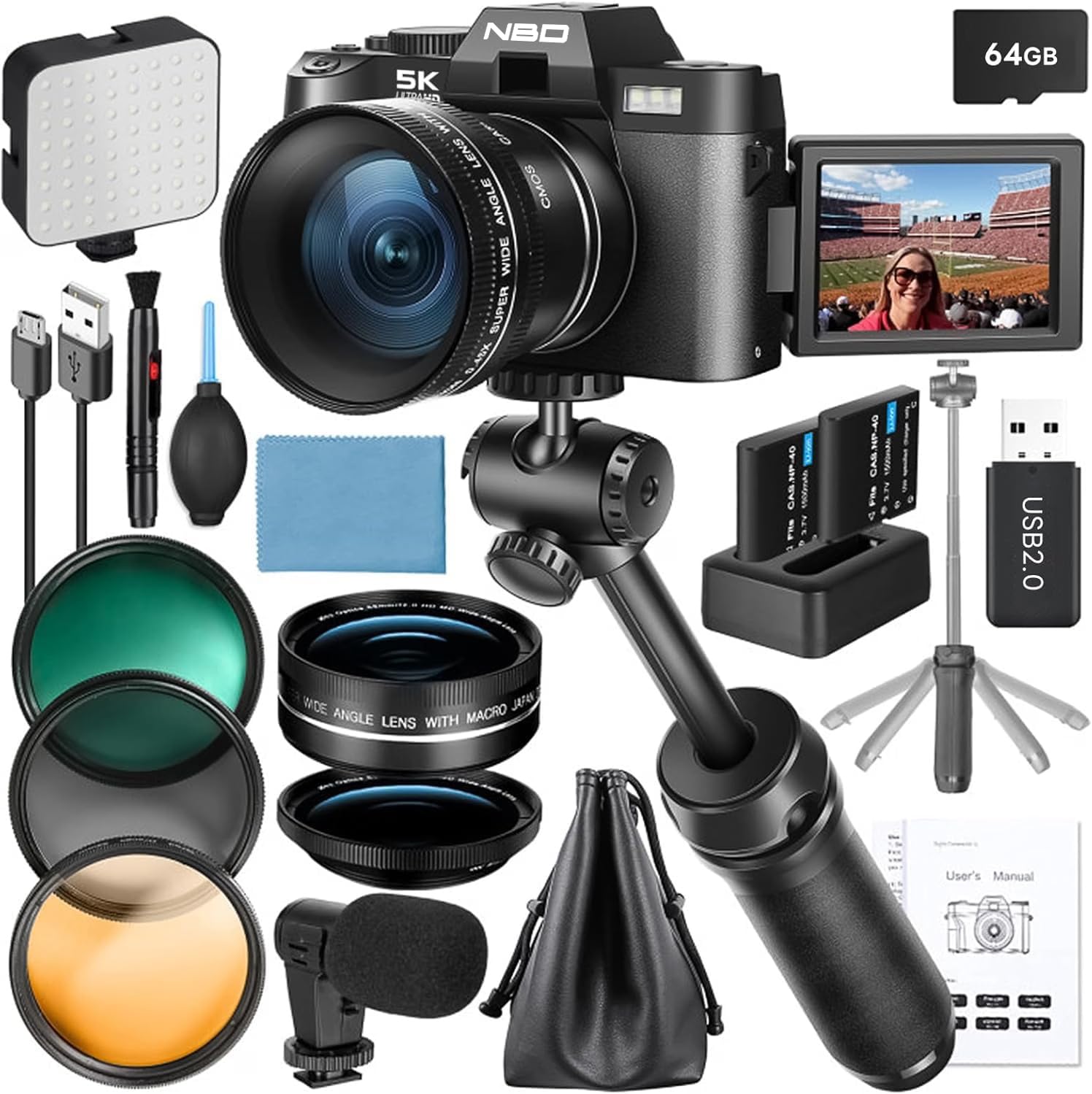
Who Should Buy a Compact Camera at This Price?
A budget of about $400 sits in a useful middle ground. It is enough for a larger sensor and a versatile zoom, without needing professional ambitions to justify it. The right model depends on what you shoot most.
Travelers Who Want More Than Phone Photos
If you travel a few times a year, you need a camera that handles landmarks across a plaza, street scenes at dusk, and portraits of your companions without swapping lenses. A travel oriented compact with a wide ranging zoom suits you best. Weight matters more than exotic features, because a camera left at the hotel captures nothing.
Parents Recording Everyday Family Life
School plays, birthday candles, and backyard games all punish slow focus and weak low light performance. Parents should favor quick autofocus, a screen that tilts for awkward angles, and auto modes that still allow a burst of shots when action peaks. A modest zoom around 10x reaches across a gym or stage. If the budget must stretch further, see our guide to the best compact cameras under 200.
New Photographers Who Want to Learn Real Controls
If you are curious about aperture, shutter speed, and ISO, choose a compact that exposes those settings on dials or a control ring rather than burying them in touch menus. Manual control teaches you faster because you see each change as you make it. Look for raw file support so you can practice editing later.
How to Spend a Budget of About $400 Wisely
Reserve part of your money for the things that make the camera usable on day one. A fast memory card, a padded case, and a second battery usually cost about $40 to $80 together, so a camera priced around $320 to $360 often fits the total better.
If your needs are modest, spending less leaves room to upgrade sooner. Readers who mainly want a simple camera for trips and family events can see our guide to the best compact cameras under 300 and keep the difference. If you are unsure whether a compact is the right format, see our guide to the best cameras under 400, which covers larger styles at the same budget, and compare that with our guide to the best cameras under 400 dollars before you commit.
Key Features to Compare
Spec sheets list dozens of numbers, but six factors decide how a compact camera performs. That balance is what separates the best compact cameras under 400 from models that only look good in a feature list.
What You Can Realistically Get at This Budget
Around $400 buys a solid sensor, a useful optical zoom, dependable autofocus, and either strong 1080p video or entry level 4K video. What gets trimmed is usually the viewfinder, extensive weather sealing, and the largest sensors. Do not economize on the lens or the sensor to pay for gimmicks like novelty scene modes, since those two parts set your image quality ceiling.
Sensor Size and Image Quality
Sensor size is the single strongest predictor of clean photos in dim light. Most compacts at this price use either a small sensor around 1/2.3 inch or a larger 1 inch sensor, and the 1 inch type gathers far more light, which means less grain at night and softer portrait backgrounds. Megapixels matter less than sellers suggest. Indoors, favor the bigger sensor over a longer zoom.
Lens and Optical Zoom Range
Optical zoom moves real glass, so detail stays sharp at every setting, while digital zoom only crops the image and throws detail away. A range starting wide, around 24 mm equivalent, suits landscapes and group shots, and reach of 10x or more handles distant details on trips. Check aperture too, since f/2.8 at the wide end admits much more light than f/3.5.
Autofocus and Image Stabilization
Autofocus quality decides how many of your shots are sharp, not just how good the sharp ones look. Look for face and eye detection if you photograph people, and check that focus tracks a moving subject across a burst rather than locking once. Image stabilization steadies the camera against hand shake, which helps most at long zoom settings and in low light.
Video Features and 4K Video
Many models here record 4K video, but the details differ. Some crop the image heavily in 4K, some limit clip length, and some soften quality once the camera warms up. If video matters, check for clear built in audio, a tilting screen for filming yourself, and stabilization that works while walking. Stills shooters can treat 4K as a bonus.
Size, Weight, and Handling
A compact camera earns its name only if you carry it without thinking twice. Compare the weight with the battery and card loaded, and picture it in the pocket or bag you actually use. A small grip and buttons you can find by touch help during a full day of shooting. Larger travel zoom models trade some pocketability for reach.
Durability and Weather Resistance
True weatherproof construction is uncommon at this price, so read claims carefully. Some models resist splashes and dust, while rugged designs built for drops and shallow water form a small niche with modest zoom lenses. If you shoot at beaches or in rain, that rugged niche is worth the trade. Otherwise, a normal compact plus a dry bag is the sensible path.
Types of Compact Cameras
Compact cameras split into a few clear families, and naming the family you want narrows the field fast. The product table groups similar styles together.
Simple Point and Shoot Cameras
These models automate nearly everything and aim for the smallest body and the easiest experience. They suit casual shooters who want better reach than a phone without learning settings. Expect a smaller sensor and few manual controls, plus low prices and menus anyone in the family can handle.
Advanced Compacts With Manual Controls
Advanced compacts pair a 1 inch sensor with dials, a control ring, and raw file support in a still portable body. They suit learners and enthusiasts who want quality without a bag of lenses. Zoom ranges stay modest, often around 3x to 5x, because the larger sensor demands a bigger lens.
Travel Zoom Cameras
Travel zoom models stretch the lens to 20x, 30x, or more while keeping the body pocketable. They are the natural choice for sightseeing, distant wildlife, and concerts. The cost is a smaller sensor, so low light results trail the advanced compacts.
Vlogging and Video Focused Compacts
These cameras add a screen that flips forward, strong face tracking, and product showcase style focus behavior for people who film themselves. They suit creators who record walks, reviews, and daily life on the move. If your ambitions grow toward interchangeable lenses, see our guide to the best compact cameras under 500 for what the next budget step adds.
Tips to Get the Most From Your Compact Camera
- Brace your elbows against your body at long zoom settings, because small movements blur distant subjects first.
- Turn digital zoom off in the menu, since cropping later on a computer keeps more detail than cropping in the camera.
- Tap the screen to place focus on your subject rather than the center, so portraits and pets stay sharp where it counts.
- Shoot near windows indoors and face your subject toward the light, which helps a small sensor more than any setting.
- Format the memory card in the camera after each download, which prevents file errors that mixed device use can cause.
Common Mistakes to Avoid
- Judging a camera by megapixels alone, which leads you to a tiny sensor that struggles in dim rooms.
- Paying for extreme digital zoom numbers, which only crop your photo and discard the detail you wanted.
- Spending the entire budget on the camera body, which leaves nothing for the card, case, and spare battery you need immediately.
- Ignoring screen and control layout, which makes a capable camera frustrating every time you change a setting.
- Assuming every model resists rain, which risks water damage the first time a shower catches you outdoors.
- Buying the longest zoom for indoor family photos, which trades away the bright lens and larger sensor those photos need.
How to Make Your Compact Camera Last Longer
Clean the lens with a soft microfiber cloth and gentle circular strokes, never your shirt, because grit trapped in fabric can scratch the coating. Blow loose sand and dust off first with a small air blower. Store the camera in a dry, padded bag away from steamy bathrooms and hot car interiors, since heat ages batteries and humidity invites fungus.
Charge the battery before it sits empty for months, and top it up every few months during storage so it keeps its capacity. Update the camera firmware when the maker releases a new version, keeping the battery full during the process, because updates often improve autofocus behavior and fix bugs. Use a wrist strap near water or over hard ground, since one slip is the most common way these cameras die.
FAQ
Can You Get a Good Compact Camera for Under $400?
Yes, a budget under $400 buys a genuinely good compact camera. At this level you can expect a sharp zoom lens, reliable autofocus, and clean photos in daylight, with respectable results indoors. The main sacrifices are the largest sensors and extensive weather sealing. One extra worth seeking out is a tilting screen, which helps with low angle shots and self portraits.
What Does Optical Zoom Mean on a Compact Camera?
Optical zoom means the lens physically changes focal length to bring distant subjects closer without losing detail. A 10x rating means the longest setting magnifies about ten times compared with the widest one. Check the equivalent range in millimeters too, since 24 mm to 240 mm and 35 mm to 350 mm lenses are both 10x but frame scenes very differently.
What Specs Matter Most for Beginners Buying a Compact Camera?
Sensor size, lens brightness, and autofocus reliability matter most for beginners. These three decide whether your early photos look clean and sharp while you learn. A helpful extra is an auto mode that explains settings on screen as it chooses them, turning each outing into a quiet lesson. Skip long lists of scene modes, which you will likely use once and forget.
How Much Should a First Time Buyer Spend on a Compact Camera?
Most first time buyers do well spending about $250 to $350 on the camera itself. That range buys a meaningful step up from a phone while leaving money for a card, a case, and a spare battery. Spending the full amount makes sense only when you know you want manual controls or a larger sensor for indoor photos.
Which Compact Camera Features Matter Most for Low Light Photos?
A larger 1 inch sensor, a bright lens aperture, and effective image stabilization matter most for low light photos. Together they let the camera gather more light and use slower shutter speeds without blur. A useful habit is to raise ISO one step at a time and review results at home, so you learn where grain starts to bother you on your camera.
Is a Smartphone Enough Instead of a Compact Camera?
A smartphone is enough for quick snapshots in good light, and it always wins on convenience. A compact camera pulls ahead when you need real zoom reach, stronger indoor results without flash, or physical controls that work with gloves on. Battery life also favors the camera on long days, since shooting will not drain the phone you need for maps and messages.
Final Thoughts
Start with the sensor and the lens, because those two parts decide your image quality in the light you actually shoot in. Then match the zoom range and body size to your main subject, whether that is travel scenes, family life, or learning photography. When you compare the finalists in the product table, the right best compact cameras under 400 choice for your needs should stand out clearly, and prices and availability can change, so check the product page before ordering.