
Best Compact Binoculars for Long Distance at Every Price in 2026: What Your Money Really Gets You
Disclosure: We may earn a commission when you buy through links on this page, at no extra cost to you. As an Amazon Associate I earn from qualifying purchases. Learn more

Compare the best compact binoculars for long distance by magnification, lens size, field of view and price tier, with a checklist for travel and wildlife.
Prices for compact binoculars stretch from pocket money to serious gear, and spec sheets rarely show where extra money helps. The best compact binoculars for long distance balance strong magnification with a lens large enough to stay bright, yet still fit a jacket pocket. This guide sorts that tradeoff by budget, so you spend on glass and build rather than on numbers you will never notice.
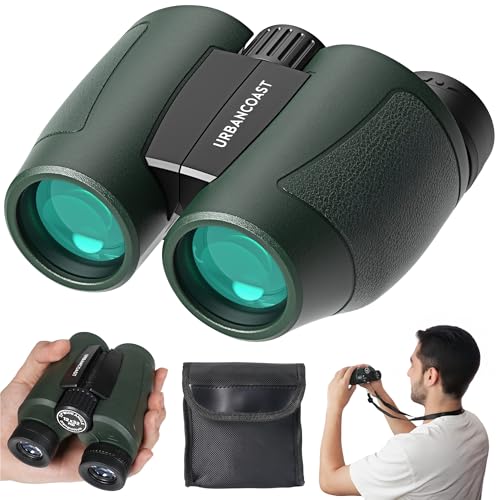
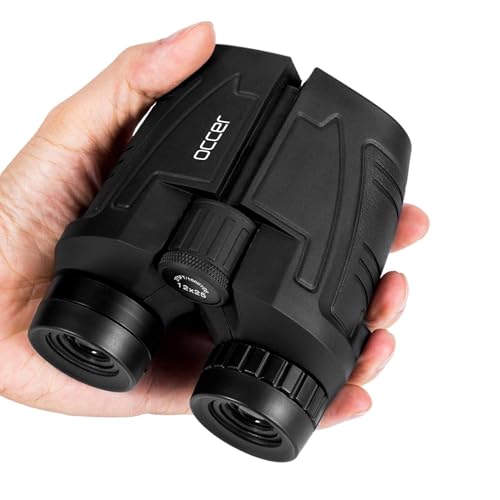
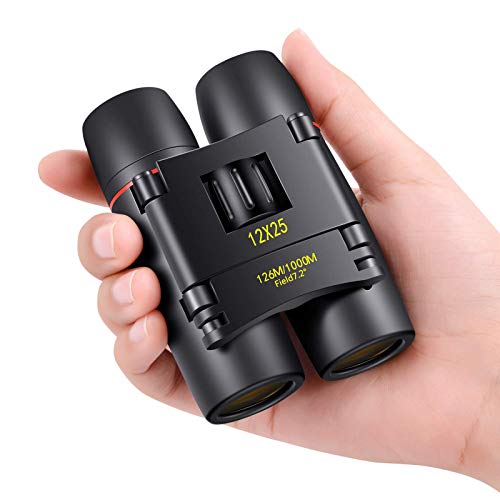
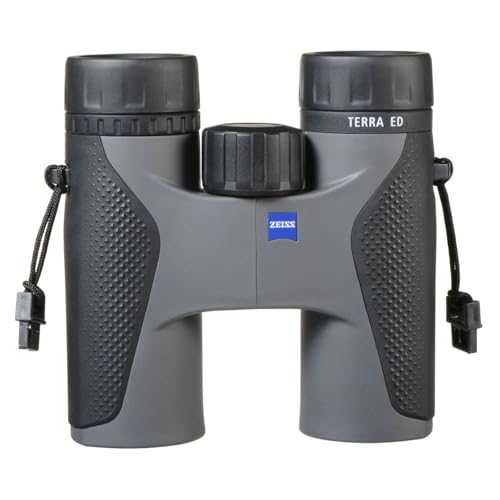
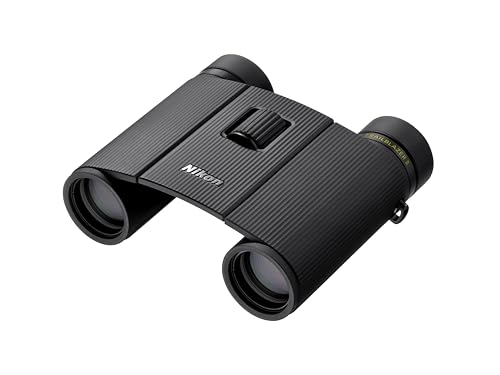
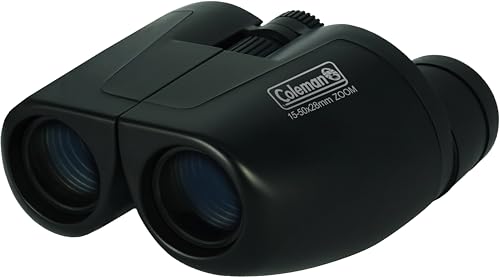
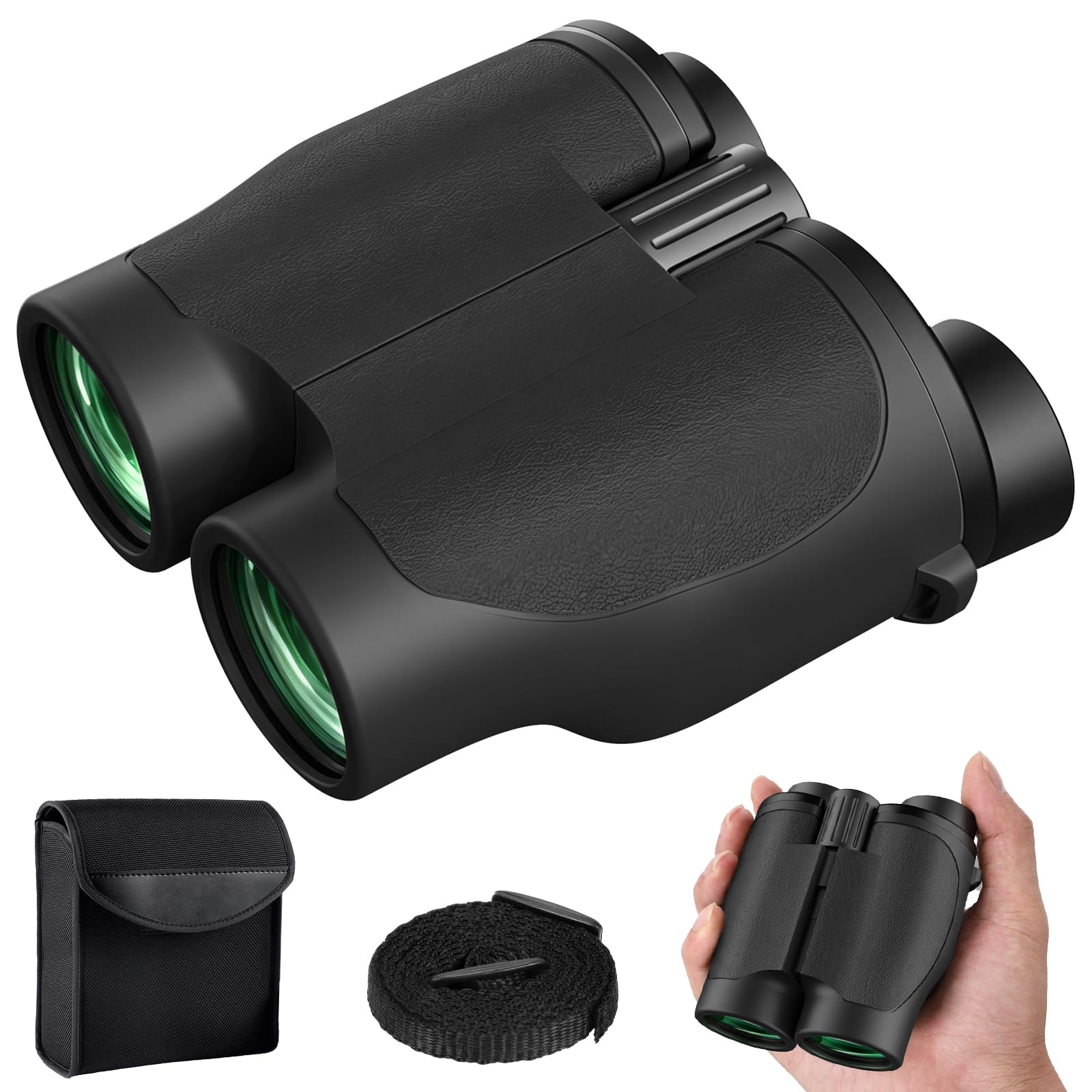
Distance viewing asks more of a small binocular than casual sightseeing does. A ridge, a hawk over a marsh, or a rider on a far straight all shrink when the lens is tiny and the image shakes. Use the comparison table below to shortlist by size and magnification first.



Who Should Buy Compact Binoculars for Distant Viewing
Choosing the best compact binoculars for long distance starts with how far you walk and how long you watch. The groups below share one limit, small glass, but use it in different light.
Hikers and Travelers Watching Distant Landmarks and Wildlife
You cover miles before you stop to look, so weight matters. A model around 8 to 12 ounces rides in a chest pocket and comes out fast when an eagle crosses a valley. Choose 8x for steadier views on windy ridges, sealed barrels for showers, and a strap that holds it close while you climb.
Birders and Wildlife Watchers With Limited Pack Space
You often spot movement with the naked eye, then lift the binocular for a quick identification. A wide view helps you land on a perched bird quickly. Look for a smooth center focus wheel you can turn with one finger and eyecups that stay put during repeated short looks.
Spectators at Stadiums, Races and Outdoor Events
You follow fast action from a fixed seat, so a steady grip and generous view matter more than extreme reach. A compact 10x model brings faces and numbers closer across a field, while a wider 8x model keeps a moving boat in frame more easily. If you can carry larger glass, see our guide to the best binoculars long distance for the brightness bigger lenses provide.
Key Features to Compare for Compact Distance Viewing
Small barrels leave less room for glass, so every spec below pulls against size. Read them together when you compare options for best binoculars for long distance viewing, because a strong number in one column often explains a weak one in another.
Magnification, Steadiness and Field of View at a Distance
Magnification tells you how much closer a subject appears, so a bird at 100 yards looks about 10 yards away through a 10x lens. In compacts, 8x and 10x are the useful choices. A 10x view shows more detail, but it magnifies hand tremble and narrows field of view, the width seen at 1,000 yards. An 8x view feels calmer and, at around 300 feet or wider, tracks flying hawks more easily. Image stabilization is rare in compacts, so steadiness comes from the lower number and a firm grip.
Objective Lens Size, Exit Pupil and Low Light Performance
The second number in a spec such as 10x25 gives front lens width in millimeters and controls how much light the binocular gathers. Divide it by the magnification and you get the exit pupil, the circle of light reaching your eye. A 10x25 gives about 2.5 mm, while an 8x32 gives about 4 mm and looks brighter at dawn and dusk. Twilight factor hints at dim light detail, but exit pupil is the simpler guide.
Prism Design and Lens Coatings for Clarity at Range
Most compacts use roof prisms because the barrels stay straight and slim, while porro prism models look wider and fold larger. Roof prism glass benefits from phase coating, which preserves contrast on pale birds against sky. Fully multicoated lenses pass more light and cut glare better than a single coated surface, so modest magnification with good coatings can look sharper than stronger power with plain glass, especially through haze.
Eye Relief, Diopter Adjustment and Fit for Glasses Wearers
Eye relief is the distance your eye can sit behind the eyepiece and still see the full frame, and glasses wearers generally need about 14 mm or more. Short relief forces glasses against the eyecups and crops the edges. Also check the diopter dial, usually on the right barrel, which matches a difference between your eyes after center focusing. Set it once from the manual, then note the mark.
Size, Weight and Weather Sealing for Travel
A true compact folds to about the size of a large phone and weighs about 7 to 13 ounces, while a 32 mm model stretches both figures for brightness. Measure the pocket you actually carry. Weatherproof sealing and nitrogen filled barrels resist internal fog when you step from a cool car into warm damp air, and rubber armor softens knocks. For wet climates, sealing is worth more than a small gain in magnification.
What Each Price Tier Buys in Compact Long Distance Glass
Price tiers here buy glass quality and sealing first, and extra magnification last. The levels below describe types, not specific models, so match a tier to your habits before shortlisting.
Budget Tier: Basic Coatings and Narrower Views for Occasional Use
Models around $30 to $80 suit school trips, occasional stadium seats, and a glove box spare. Expect simple coatings, a narrower view, plastic focus parts, and little sealing. The image serves well at midday, but edges soften and dusk views fade fast. Buy here when use is rare and daylight is normal.
Middle Tier: Brighter Glass and Better Sealing for Regular Trips
Models around $90 to $220 are where most travelers and wildlife watchers should shop. This level adds fully multicoated lenses, phase coated prisms, waterproof barrels, and a smooth focus wheel. An 8x32 or 10x32 here often beats a cheaper 10x25 at distance because the larger lens holds contrast. See our guide to the best rated compact binoculars for rating patterns on build issues.
Premium Tier: Sharper Edges and Stronger Build for Frequent Long Sessions
Models around $250 to $500 buy finer glass, wider views, and metal focus parts that stay precise for years. Edge sharpness improves, color fringing drops, and the image holds up better against haze. This tier pays off for long sessions and frequent trips, but it cannot make a 25 mm lens gather light like a larger one at dusk.
Long term costs stay modest. Budget for a case around $15 to $40 and a cleaning kit under $20. A dropped budget model usually costs more to repair than to replace, so warranty terms add value at higher tiers.
Common Mistakes to Avoid When Buying Compact Binoculars
- Choosing 12x or higher magnification in a compact, which magnifies hand shake until detail blurs.
- Buying a 10x25 model for dawn use, which leaves a dim view because the small lens gathers little light.
- Ignoring field of view, which makes fast birds hard to find and follow at distance.
- Trusting a printed zoom claim such as 30x on a toy like listing, which usually signals weak glass.
- Skipping the glasses fit check, which crops the frame when eye relief is too short.
- Paying for premium glass in an unsealed body for wet travel, which risks internal fog no cloth can clear.
Care and Maintenance for Compact Binoculars
Keep the lens caps on in any bag, because grit against coated glass does more damage than normal use. Blow loose dust off first, then wipe with a clean microfiber cloth, using lens fluid when needed. Never use a shirt hem or paper tissue, since grit and rough fibers can scratch the coating.
Store the binocular dry in its case at room temperature, away from car heat and damp rooms. After rain, pat the barrels dry and leave the caps off indoors until moisture evaporates. If the barrels show a doubled image after a hard drop, seek a repair quote, because strained eyes cannot fix an alignment fault.
FAQ About Compact Binoculars for Distant Viewing
What features matter most in compact binoculars for long distance travel?
Brightness, steadiness, and a view wide enough to aim with matter most for travel at distance. Heat shimmer softens far views at midday, so plan long looks for morning and late afternoon. Pack a lens cloth in the pouch, because a clean front lens restores more clarity than any accessory can.
How much should a first time buyer spend on compact binoculars for long distance use?
A first time buyer should plan on about $90 to $220 for a compact that stays satisfying past the first season. Spending a little on a chest harness pays off, because a binocular at your chest gets used far more than one buried in a backpack. Rare midday users can start cheaper.
What does 10x25 mean on compact binoculars?
10x25 means the view appears ten times closer and each front lens measures 25 mm across. The numbers also warn you about bulk, because a 10x42 version would belong to the full size binoculars class and no longer fold into a pocket. When models share the same numbers, compare folded length next.
Which magnification is better for low light in compact binoculars, 8x or 10x?
8x is better in low light when lens size stays the same, and it settles faster when your hands are cold. For the steadiest dusk view, rest your elbows on a railing or your knees and let the subject come to the center of the frame. That brace often reveals more detail than a higher price would.
Can a smartphone replace compact binoculars for long distance viewing?
A smartphone cannot replace a compact binocular for sustained distance viewing, because phone zoom beyond its optical range crops and softens the image. A phone also drains its battery in bright sun, while a binocular works instantly with no screen. Many watchers use both, viewing first and recording only a subject already found.
The Bottom Line
For most buyers, an 8x32 or 10x32 middle tier compact gives the best mix of reach, brightness, and size, while a 25 mm model suits bright days. Match magnification to your steadiness, lens size to your light, and sealing to your weather. Compare your shortlist in the product table above, and the best compact binoculars for long distance for your trips will be the one whose limits you understand.


