
Best Binoculars for Long Distance Viewing: A First Time Buyer's Guide for 2026
Disclosure: We may earn a commission when you buy through links on this page, at no extra cost to you. As an Amazon Associate I earn from qualifying purchases. Learn more

A first time buyer guide to the best binoculars for long distance viewing, explaining power, exit pupil and field of view in plain English with price bands.
Buying your first pair for watching distant shorelines, ridgelines or playing fields feels confusing because the box prints two numbers and a wall of unfamiliar terms. This first time guide to the best binoculars for long distance viewing explains those numbers in plain English, in the order they actually affect your view. The comparison table below sets the common sizes side by side for a quick first look.
We will cover how much power you can hold steady, why the second number decides brightness, and how wide your view stays when the subject will not sit still.


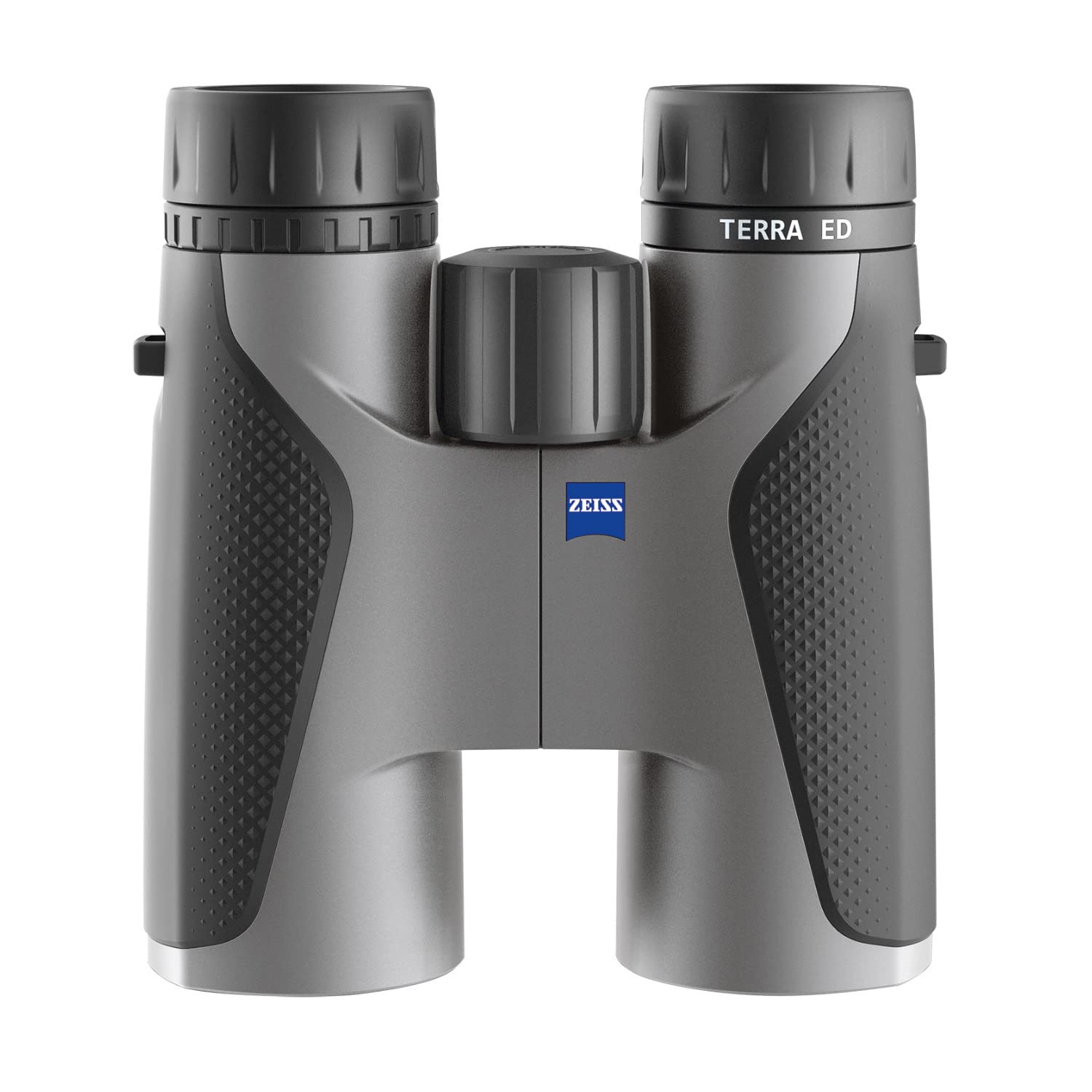


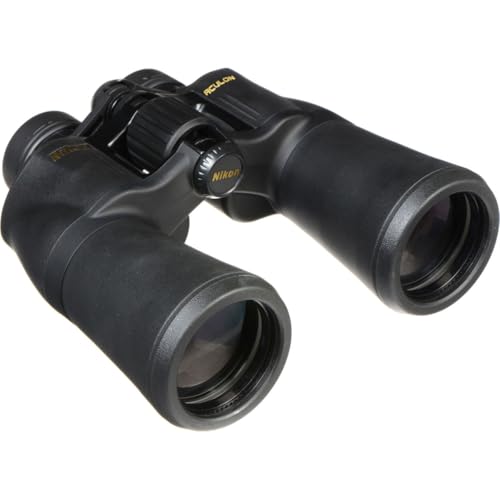


Binoculars 101: The Basics for First Time Buyers
A binocular is two small telescopes joined together, one for each eye, which gives you depth perception that a single scope cannot. The two numbers in a name like 10x42 describe it fully: the first is magnification, how many times closer the subject appears, and the second is the diameter of the front lenses in millimeters, which sets how much light enters.
You focus with a center wheel that sharpens both barrels at once, plus a small diopter ring on one eyepiece that balances the pair to your two eyes. Set the diopter once by focusing each eye in turn, and after that the center wheel does all the daily work. If you wear glasses, look for eye relief of about 16 mm or more and eyecups that twist down, so you can see the whole view without dark edges.
Key Specs Explained in Plain English
Magnification and Support Come First
Magnification governs your choice, and it governs your support too. A power of 8x or 10x suits handheld watching for most adults, since normal hand tremor stays manageable at those levels. Step up to 12x, 15x or beyond and every heartbeat wobble grows with the image, so a high power pair is a tripod class tool in practice, happiest on a mount at a fixed viewpoint. Beginners comparing best binoculars long distance often grab the biggest number on the shelf, then discover that a steady 10x shows more detail than a shaking 15x ever will.
Exit Pupil Decides Dusk Brightness
Exit pupil is the width of the light beam that reaches your eye, and you find it by dividing the front lens size by the magnification. A 10x42 gives about 4.2 mm, an 8x42 gives about 5.3 mm, and a 7x50 gives about 7.1 mm. Your own pupil opens to roughly 5 to 7 mm in dim light, so a bigger exit pupil keeps the image bright at dawn, dusk and under heavy cloud. For distance viewing that often runs into the evening, 5 mm or more is a comfortable target.
Field of View Is Your Width
Field of view is the width of the scene you can see at once, usually printed as feet at 1,000 yards. A wide field near 340 to 380 feet makes it far easier to find a moving subject and follow it, which matters for birds in flight, boats and sports. Higher magnification narrows the field, another reason the biggest power is not automatically the best buy. Readers drawn to pocket sizes should read about best compact binoculars for long distance with this trade in mind, since small barrels give up both width and brightness.
Lens Coatings and Glass Quality
Coatings are thin layers on the glass that stop light bouncing away between surfaces, and they decide how much of the gathered light reaches your eyes. The ladder runs from coated, to multi coated, to fully multi coated, and the top rung is the one to want at any budget. Better glass grades reduce color fringing on high contrast edges, such as a dark mast against a bright sky. None of this shows on a spec sheet headline, yet it separates a crisp 10x42 from a hazy one at the same price.
Weather Sealing and Build
Distance viewing happens outdoors, so sealing matters more than beginners expect. Look for wording that says waterproof and fog proof, with nitrogen or argon purging named, which keeps internal fog off the glass when you move from a warm car into cold air. Rubber armor absorbs knocks and improves grip with gloves. A pair that fogs internally on its first cold morning is useless no matter how strong its numbers look, so treat sealing as a core spec rather than a bonus.
Weight, Focus and Ease of Use
A full size pair weighs about 24 to 30 ounces, and that weight hangs from your neck all day, so try the strap and harness options if you walk far. The focus wheel should turn smoothly without grit or slack, landing sharp in about one full turn from near to far. Close focus near 6 to 8 feet lets you inspect a butterfly or a trail sign without backing up. Small comforts like this decide whether a first pair gets used weekly or left in a drawer.
Rookie Mistakes to Avoid
- Chasing the highest magnification on the shelf, then fighting shake that erases the extra detail you paid for.
- Ignoring exit pupil and buying a compact pair that turns dim and dull the moment the light drops.
- Judging sharpness only at the center of the view, when cheap glass often blurs badly toward the edges.
- Skipping the diopter setup, which leaves one eye slightly soft and causes headaches on long watches.
- Forgetting the support budget, although readers asking what are the best binoculars for long distance viewing for fixed posts need a tripod and adapter in the same purchase.
Getting Started: Setup and First Use
Begin on your porch with a fixed target such as a chimney or a distant sign. Set the barrel spacing until the two circles merge into one clean image, then cover the right barrel and focus the left eye with the center wheel. Swap sides and use the diopter ring to sharpen the right eye, and note the diopter setting so you can restore it later.
On your first outing, brace your elbows against your ribs or a railing and scan slowly, stopping often rather than sweeping fast. Keep a lens cloth in a pocket and use it instead of a shirt corner, and cap the lenses whenever the pair hangs idle. Store it dry at home, and the same simple routine will keep the view clear for years.
Long Distance Viewing: Questions Answered
What do the numbers 10x42 mean on a first pair of binoculars?
The first number, 10x, means the subject appears ten times closer than it does to your naked eye. The second number, 42, is the front lens diameter in millimeters, and a larger lens gathers more light for a brighter image. A related format, 8x42, trades a little reach for a wider and brighter view. Neither is better in the abstract; your light conditions and your steadiness decide which suits you.
How much should a first time buyer spend on long distance binoculars?
About $130 to $300 buys a first pair with fully multi coated glass, real weather sealing and a warranty worth having. Below that band, corners get cut in coatings and sealing first, and the view shows it at dusk. Above it, you pay for finer glass and smoother mechanics rather than a different category of performance. Spend a little of the budget on a harness strap too, since comfort decides whether the pair leaves the house.
Which binoculars are best for long distance viewing from a fixed spot?
For a fixed spot such as a balcony, a harbor wall or a hunting blind, higher power earns its keep because a tripod removes the shake problem. A 12x50 or 15x56 on a mount will resolve buoys, ridge detail and far shorebirds that a handheld 10x42 cannot. Shoppers weighing which binoculars are best for long distance viewing for a permanent viewpoint should put the mount and adapter in the cart from the start. Weight stops mattering here, so buy the glass, not the portability.
Can I use the same binoculars for the night sky?
Yes, a distance pair doubles for casual astronomy, and a 7x50 or 10x50 is a classic starting point because its large exit pupil suits dark adapted eyes. You will pick out star clusters, the moons of bright planets and wide sweeps of the Milky Way on clear nights. Keep expectations modest, since no handheld binocular shows planet surface detail the way a telescope does. A reclining chair and a steady rest turn a ten minute look into an hour of comfortable scanning.
What is the difference between binoculars for distance viewing and binoculars distance viewing guides describe as marine models?
Marine models are distance binoculars built around water, usually 7x50, with heavy sealing, a wide exit pupil and sometimes a built in compass. The lower 7x power stays steadier on a moving deck, and the big front lenses keep the image bright in flat gray light. Pages about best binoculars distance viewing often feature them for shore and boat use. On dry land they work perfectly well too, just with extra weight you may not need.
The Bottom Line
Start with the power your hands or your tripod can hold steady, check that the exit pupil reaches about 5 mm if your watching runs into low light, and insist on fully multi coated, sealed glass. The product table above collects the common sizes so you can confirm your pick against those three checks. Follow them and the best binoculars for long distance viewing for your budget will feel obvious rather than overwhelming.


