
Best Compact Binoculars for Bird Watching in 2026: A Buying Guide
Disclosure: We may earn a commission when you buy through links on this page, at no extra cost to you. As an Amazon Associate I earn from qualifying purchases. Learn more

Choose compact binoculars for bird watching with confidence. Compare magnification, close focus, field of view, weight, and low light limits for travel.
A compact binocular is the one you actually carry, in a jacket pocket or a small pack, ready when a bird appears for ten seconds and then drops into cover. Choosing best compact binoculars for bird watching means accepting a clear trade and then picking the model that makes that trade work for your walks, your light, and your eyes.
This guide leads with the compact trade, then the birding needs that follow from it, so you can judge any model in minutes. Use the comparison table below to line up sizes and prices once you know which specs matter for the way you watch.
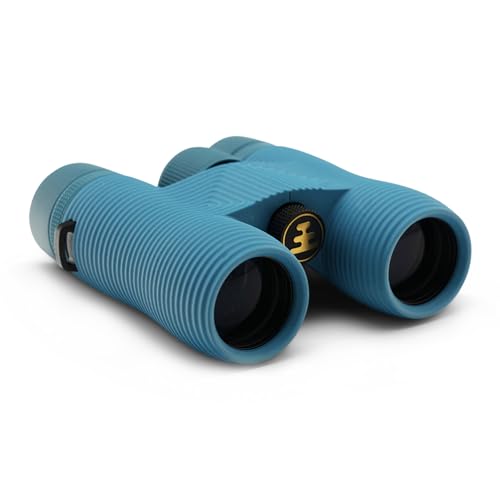


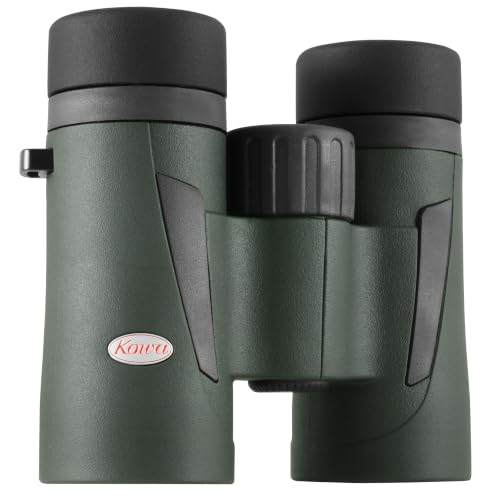
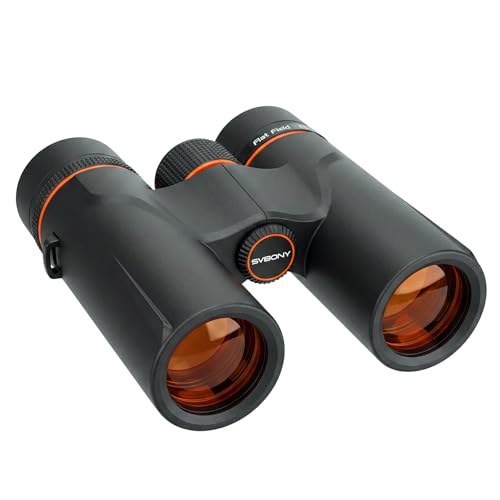
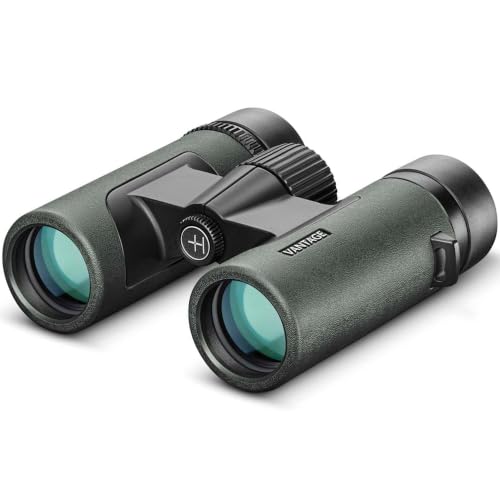
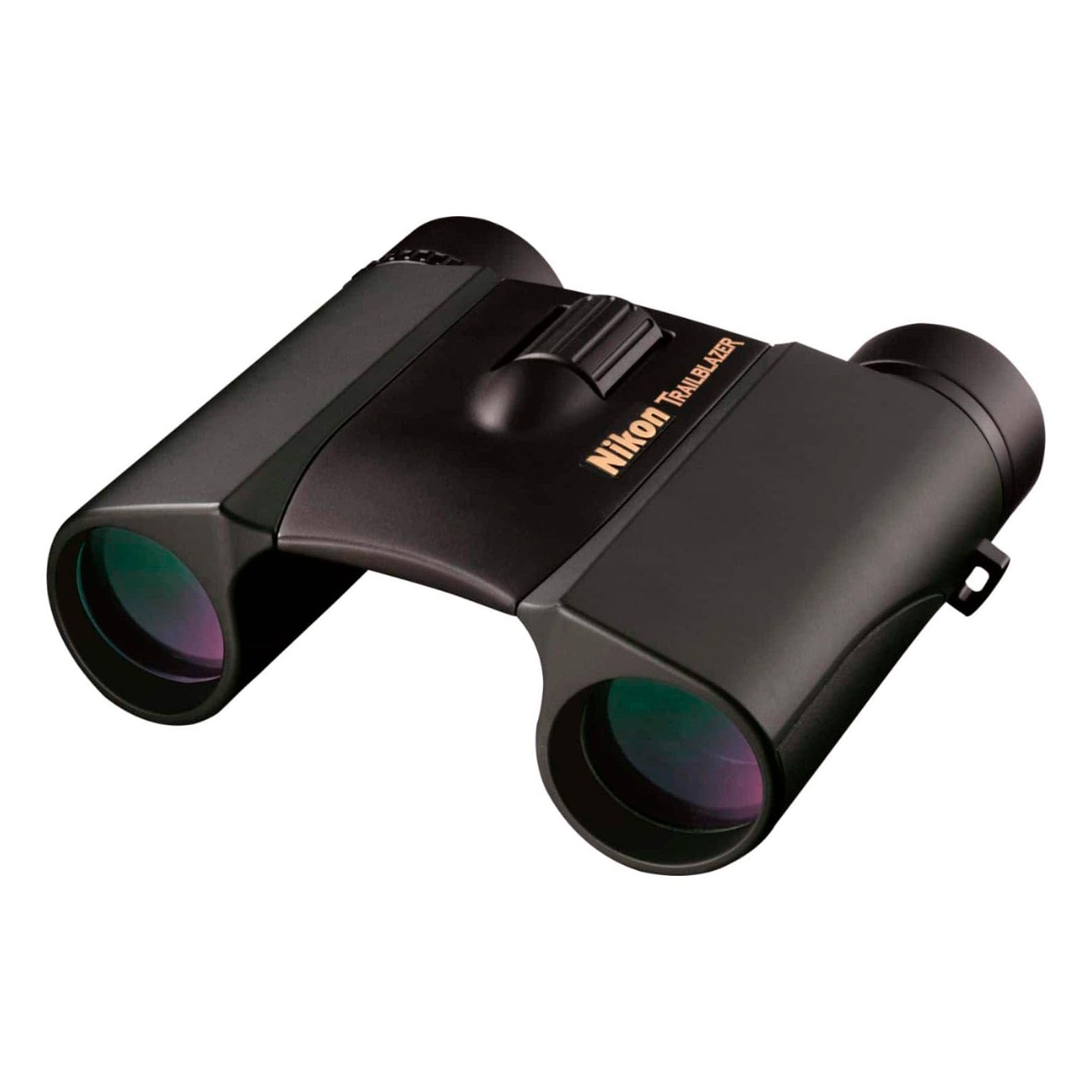
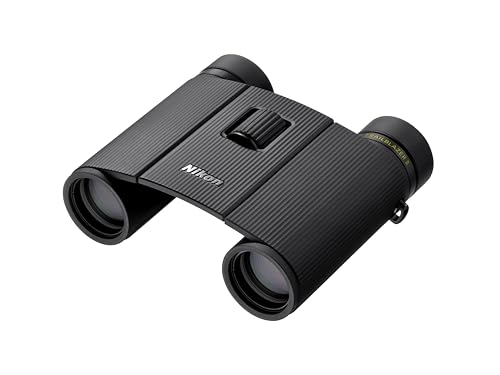


Start With the Compact Trade
Here is the compact box, stated plainly. A compact binocular trades light for size, and the small objective class is a daylight class, stated plainly because it shapes every choice that follows. Lenses around 25 to 32 mm gather less light than full size lenses around 42 mm, so the image will be dimmer at dawn, at dusk, and under deep tree cover, even when the glass itself is good.
What you gain is carry. A compact model can weigh about half as much as a full size model, hang on the neck without strain, and travel in a pocket where a larger binocular would be left at home. For midday walks, open shore, gardens, and travel days, that carry advantage often decides whether you see the bird at all.
Next comes the birding passage. Bird watching is a light and identification task, because you are reading color, wing bars, eye rings, and bill shape, often in shade and often for only a few seconds. Close focus and a wide field are the birding facts that matter most, since warblers and other small birds feed close in bushes and move fast across the view.
For the broader picture beyond the compact class, our guide to the best binoculars bird watching covers the general birding category in compressed form. Use that page for the wider category and this page when pocket size and light weight are the reasons you are shopping at all.
Types of Compact Binoculars
Roof prism compacts are straight and slim, with both barrels in line, so they slip into a pocket and seal well against weather. Reverse porro prism compacts are a little wider, with the small lenses set closer than the eyepieces, and they can give a strong sense of depth at close range for a modest price. Both types can serve birding well when the focus wheel and eyecups suit your hands and eyes.
Price Bands and What They Buy
Entry compact models often cost about $40 to $90 and suit occasional garden and holiday use, with simpler coatings and narrower fields. Mid range models around $90 to $250 bring better coatings, wider fields, stronger waterproofing, and smoother focus wheels, and this is where most bird watchers find lasting value. Higher priced compacts, around $250 to $500 or above, add finer glass, better edge clarity, and stronger build in the same small size.
If price is your starting point, our guide to the best budget binoculars for bird watching is the cluster sibling for this topic and works through the low cost end in detail. Whichever band you choose, spend first on focus quality, field of view, and a warranty you trust, rather than on extreme magnification in a small body.
A Short Checklist Before You Buy
Check five things in order: objective size and weight you will truly carry, close focus around 6 to 8 feet or less for nearby birds, a wide field of view for moving birds, eye relief long enough if you wear glasses, and waterproof sealing for rain and shore spray. Use the product table above to run that checklist against real models instead of relying on headline magnification alone.
How to Choose the Best Compact Binoculars: Buying Guide
This is the main guide section, and it works through the specs in the order they affect a birding walk. Read it with your own walks in mind, because a shore watcher, a woodland watcher, and a traveling watcher will weight these factors differently.
Features That Matter for Bird Watching
Birding asks for fast focus, honest color, and enough contrast to separate a pale wing bar from a pale branch behind it. Look for fully multi coated glass in plain language on the spec sheet, a focus wheel that turns smoothly without grit, and a center image that stays sharp without constant refocusing. Color should look natural, since identification often rests on subtle tones of brown, yellow, and gray.
Measuring for Size and Portability
Compact usually means objectives around 25 to 32 mm, a short folded length, and weight often around 7 to 15 ounces. That size fits a coat pocket or the top of a day pack, which is the whole point of the class. Measure your pocket or pack space if you plan to carry the binocular folded, and check the strap and case, since a bulky case can undo the size saving.
Size choice is a class choice, and our guide to the best size binoculars for bird watching works through the size classes side by side. Keep the rule simple here. If the binocular will live in a pocket and walk miles with you, stay compact. If it will live on a car seat or at a window, size matters less and a larger class may serve you better.
Objective Size and Image Quality
The second number in a size such as 8x25 or 10x32 is the objective lens width in millimeters, and it sets how much light the binocular can gather. Larger objectives in the compact range, around 30 to 32 mm, give a brighter and steadier image than the smallest 25 mm models, at a small cost in bulk. Glass quality and coatings then decide how much of that light reaches your eyes as a clear image.
Low Light Performance and Exit Pupil
Exit pupil honesty belongs at the center of this class. Divide the objective size by the magnification to get the exit pupil, so an 8x25 gives a small exit pupil of about 3 mm. In bright daylight your own pupil is small and that is enough, but at dawn and dusk your pupil opens wider and wants more light than a small exit pupil can pass. Dawn and dusk are where the compact class shows its limit, in general terms, however good the coatings are.
Ease of Use for Your Skill Level
New watchers benefit from a wide field, a forgiving eye position, and controls that need no thought. Set the diopter adjustment once for your own eyes, following the maker instructions, then leave it alone and focus with the center wheel. Twist up eyecups help both glasses wearers and others, as long as they stay where you set them and do not collapse mid walk.
Magnification and Lens Range
For compact birding, 8 times magnification is the calm default, giving a wider field and a steadier image than 10 times in a small body. Ten times brings a distant bird closer but narrows the field, magnifies hand shake, and pairs with small objectives to give a dimmer view. On a compact frame, that combination can make identification harder, not easier, especially in shade.
The larger class makes the contrast clear. Our guide to the best 10x42 binoculars for bird watching covers the bigger format where 10 times power sits on a 42 mm lens and keeps a workable exit pupil. Read it as a class contrast. It shows what the compact class gives up in light and field to gain its pocket size, and what it keeps in carry and convenience.
Compact Binoculars vs Other Options
No single optic covers every kind of watching. Use this comparison to check whether compact is truly your class, or whether your walks point to a larger or simpler tool.
Full Size Binoculars
Full size models around 8x42 or 10x42 gather far more light, give a wider and brighter view, and suit dawn, dusk, and woodland watching best. They weigh more, cost more at equal quality, and are far less likely to be carried on a casual walk. Choose full size when light and identification detail matter more than pocket carry, and compact when carry decides whether the optic comes along at all.
Monoculars and Spotting Scopes
A monocular is smaller still and can suit a quick look, but using one eye tires most watchers and makes tracking a moving bird harder. A spotting scope on a tripod gives far more reach for distant shorebirds and raptors, yet it is not a carry everywhere tool. Most bird watchers who need distance add a scope later and keep a binocular, compact or larger, as the everyday optic.
Value as a Class Question
Value in this class means paying for glass, focus, and sealing rather than for gimmicks. Our guide to the best value binoculars for bird watching explores that value question across price bands. In compact form, the best value is usually a mid range 8x32 or a well made 8x25 with a wide field, bought once and used for years, rather than a very cheap model replaced after one season of dim and stiff use.
Tips to Get the Most From Your Pair of Compact Binoculars
- Use a lens cloth, not your shirt. Shirts carry grit that can scratch coatings, so keep a clean microfiber cloth in the case and use it every time.
- Set the eyecups and diopter at home. Calm setup before a walk means no fiddling while a bird waits in view for only a few seconds.
- Store in a dry, padded bag. A padded case protects hinges and alignment in a pack, and dry storage keeps fungus and fogging away from the lenses.
- Carry the strap short on the move. A short strap stops the binocular swinging into branches, gates, and optics of companions on narrow paths.
- Shade the lenses with a hand in low sun. A cupped hand above the objectives cuts glare when you watch toward bright sky or water.
- Clean only when needed. Blow loose dust off first, then wipe gently, because rubbing dry grit across glass does more harm than a little dust left alone.
Questions Answered: Frequently Asked Questions
What features matter most in compact binoculars for bird watching?
Close focus, a wide field of view, and smooth fast focus matter most for bird watching in the compact class. Those three decide whether you can find a small bird in a bush and focus before it moves. After them, check eye relief if you wear glasses, waterproof sealing for wet walks, and weight you will carry without complaint. A model strong on those points will serve better than one chosen for magnification alone.
Which is better for low light?
A larger objective is better for low light, so full size and mid size models beat true compacts at dawn and dusk. Within the compact class, choose the larger objective and the lower magnification, such as 8x32 over 10x25, for the brightest view the class can give. Also watch from open edges rather than deep shade at those hours, since position can gain you as much light as glass.
Is a smartphone enough instead?
A smartphone is not enough for most bird watching, because phone cameras are built for wide scenes and close subjects, not for fast identification of small distant birds. Zoom on a phone crops and softens detail just when you need feather marks to stay clear. A phone is fine for recording a sound or a note, and a compact binocular does the watching job the phone cannot do well.
What does 8x42 or 10x42 mean?
The first number is magnification and the second is objective lens width in millimeters, so 8x42 magnifies eight times with a 42 mm front lens. Those sizes are full size, not compact, and they show the scale of the trade this guide describes. A compact 8x25 magnifies the same eight times but gathers far less light through its 25 mm lens, which is why it is smaller, lighter, and dimmer in low light.
What specs matter most for beginners?
Beginners should start with 8 times magnification, a wide field, and close focus around 6 to 8 feet or less. That mix is forgiving to use, steady in the hand, and good for the garden and park birds most new watchers meet first. Add twist up eyecups and a simple, grippy focus wheel, and avoid very high magnification in a tiny body, which frustrates new users more than any other single choice.
Wrapping Up
Choose by the trade, not by the headline. Weigh objective size and light first, then close focus and field for identification, then weight and fit for the walks you actually take, and check the product table above with those three in hand. A compact model chosen that way will be carried often and used well.
For watchers who want best compact binoculars for bird watching in a form they will truly take everywhere, the right pick is the daylight compact that fits your eyes, your hands, and your pocket. Accept its dawn and dusk limits honestly, and it will reward you on every bright walk.


