
Best Compact Bike Pumps: Hand, Floor and Electric Compared for 2026
Disclosure: We may earn a commission when you buy through links on this page, at no extra cost to you. As an Amazon Associate I earn from qualifying purchases. Learn more

Match the best compact bike pumps to your valve and tire pressure, from mini hand pumps to pocket electric inflators and small floor pumps.
A flat tire ten miles from home is the moment a pump earns its place, and it only helps if it is small enough that you actually brought it. This guide to the best compact bike pumps sorts the small pumps by how they work, what pressure they can reach, and where they ride on the bike. The product table right after the intro lists the options worth comparing, and the sections below explain how to choose between them.
Compact pumps trade size for effort or for battery power, so the right choice depends on the tires you run and how often you top them up. Start with valve type and tire pressure, then decide between a hand pump, a mini floor pump, and a pocket electric pump.






Types of Compact Bike Pumps
Mini Hand Pumps
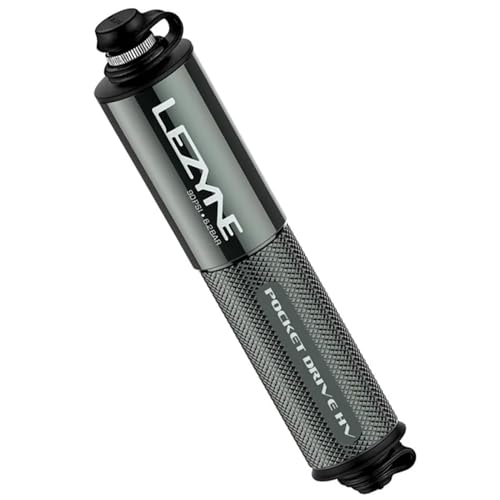
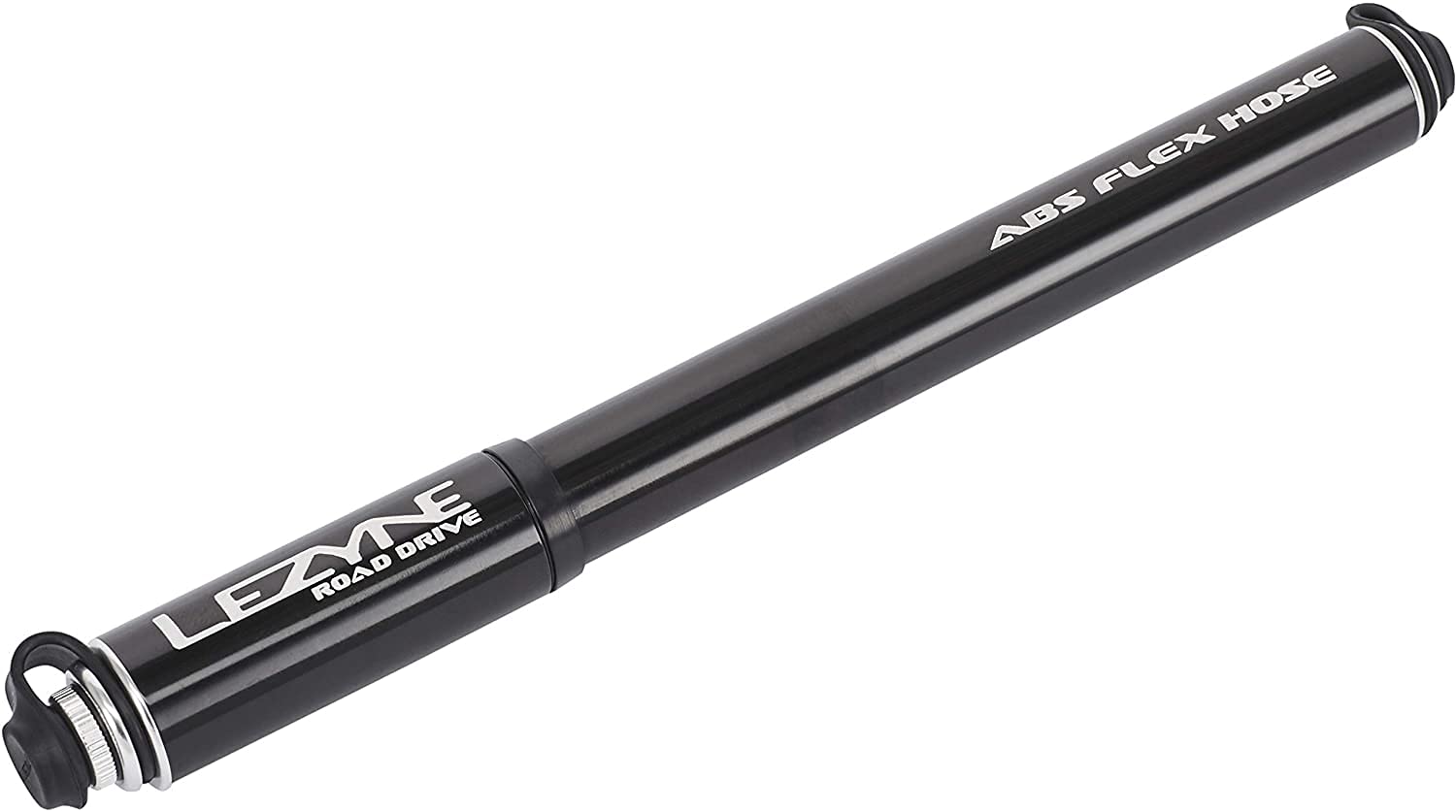
These are the classic frame or jersey pocket pumps, usually 7 to 11 inches long. They are the lightest option, need no charging, and work anywhere. Many have a short flexible hose so the valve is not bent while you push. The price is effort: a small barrel moves little air per stroke, so filling a wide mountain bike tire takes a couple of minutes of steady pumping and a road tire at high pressure is hard on the arms.
High Volume and High Pressure Designs
Hand pumps are usually built for one of two jobs. A high volume pump moves more air per stroke and suits wide tires, gravel, mountain, and commuter bikes. A high pressure pump moves less air but builds more pressure, which suits narrow road tires. Buying the wrong one is the most common mistake: a high pressure pump on a fat tire feels endless, and a high volume pump may never get a road tire firm enough. Check which job the pump is made for before you compare prices.
Mini Floor Pumps and Foot Pumps
A compact floor pump stands on the ground and uses your body weight, so it fills tires faster and with less effort than any pocket pump. It stays in the trunk, the garage, or a pannier rather than in a jersey. It suits commuters, bike path riders, and anyone who wants a small pump for home that does not take up floor space.
Pocket Electric Pumps
Small rechargeable electric pumps inflate a tire at the push of a button and many stop automatically at a set pressure. They weigh little more than a large hand pump and spare your arms, which helps riders with sore wrists or hands. The limits are battery life, a charging habit, and a slower finish on very high pressure road tires. Keep one charged in the saddlebag, and carry a hand pump as backup on long rides far from help. Our guide to the best electric bike pumps goes deeper on this type.
How to Choose a Compact Bike Pump
Match the Valve
Presta valves are thin and common on road and many mountain bikes, while Schrader valves are wider and look like a car tire valve. Many pumps handle both with a reversible head or an included adapter. A pump that does not fit your valve is useless at the roadside, so confirm this first.
Know Your Pressure
Look at the sidewall of your tire, where the recommended pressure range is printed. Road tires need much higher pressure than mountain or commuter tires, and the pump must be able to reach that number comfortably. A gauge on the pump or on the electric unit takes the guesswork out, while pumps without one need a separate gauge at home.
Check the Head and Hose
A head that locks on with a lever grips the valve firmly and avoids hiss and lost air. A short hose protects a delicate Presta stem from bending as you push, while a direct head keeps the pump smaller. If you want to look at related designs, the guide to the best portable bike pumps compares a wider range of sizes.
Think About Mounting
Frame pumps clip under the top tube or bottle cage bosses. Check that the clip holds the pump silently on rough roads. A pump that rattles loose on a descent is worse than no pump. Pocket sized models avoid the issue but live in a jersey or bag.
Compact Pump or Floor Pump?
Many riders end up owning both. A compact pump rides with you and solves emergencies, while a full floor pump at home does the daily topping up with less effort and a bigger gauge. If you only want one, the choice comes down to whether you ride away from home. Riders who stay near home can lean toward the guide to best bike floor pumps, and those who ride far should treat a compact pump as required gear, not an optional extra. Note that tire and tyre are the same thing, so our guides on best bike tire pumps and best bike tyre pumps cover the same ground with different spelling.
Care and Maintenance
Wipe dust from the head and hose, and check the rubber seal for cracks before a long ride, because a worn seal leaks air at the valve. A drop of light lubricant on the plunger rod keeps strokes smooth, and a pump stored dry lasts for years. For electric pumps, charge the battery every few months even when unused, and keep the hose clean. Practice once at home, so you know how the head locks and how many strokes it takes to reach your usual pressure.
Compact Bike Pump FAQ
How long does it take to inflate a tire with a mini pump?
A hand pump on a road tire takes a few minutes and a mountain bike tire takes about as long, though the strokes feel easier. An electric pump usually finishes a tire in well under a minute. Times vary with tire size and target pressure, so treat any quoted number as a guide.
Can a mini pump reach road bike pressure?
Some can, but it takes effort and a pump built for high pressure. Check the maximum pressure the pump lists, and compare it to the number on your tire sidewall before buying. Riders who need very high pressure often prefer a small floor pump for home use and a compact pump for the road.
Do I need a gauge?
A gauge is helpful, mainly for road tires where a few psi changes how the bike feels. For wide mountain or commuter tires you can judge by squeezing the tire. If a pump has no gauge, a simple pressure gauge at home lets you learn how many strokes reach your usual pressure.
What is better, a hand pump or an electric pump?
Hand pumps are lighter, never run out of power, and last for years, while electric pumps are faster and easier on your hands. Many riders carry a small electric pump for convenience and a hand pump as backup on long rides.
Bottom Line
Pick the pump that matches your valve and your tire pressure first, then choose between hand, floor, and electric by how you ride. The best compact bike pumps are the ones that fit your bike, hold firmly on the valve, and are small enough that you never leave them at home. Compare the options in the product table above, and keep your chosen pump on the bike so it is there when you need it.


