
Best Commuter Tire for Mountain Bike: A Buying Guide for 2026
Disclosure: We may earn a commission when you buy through links on this page, at no extra cost to you. As an Amazon Associate I earn from qualifying purchases. Learn more

Choose the best commuter tire for mountain bike riding: tread, width, puncture protection and pressure for daily paved and mixed routes.
Your mountain bike was built for dirt, but your weekday rides happen on pavement, bike lanes, and the occasional cracked shortcut. Knobby tires that feel great on a trail can feel slow, loud, and quick to wear down on asphalt. Choosing the best commuter tire for mountain bike frames comes down to matching tread, width, and protection to the roads you actually ride. This guide walks through the specs that matter, the main tire styles, and simple care habits.
Most riders do not need a second bike to commute well. A thoughtful tire swap changes rolling speed, grip in the rain, and how often you stop to fix a flat, all for far less than a new wheelset.
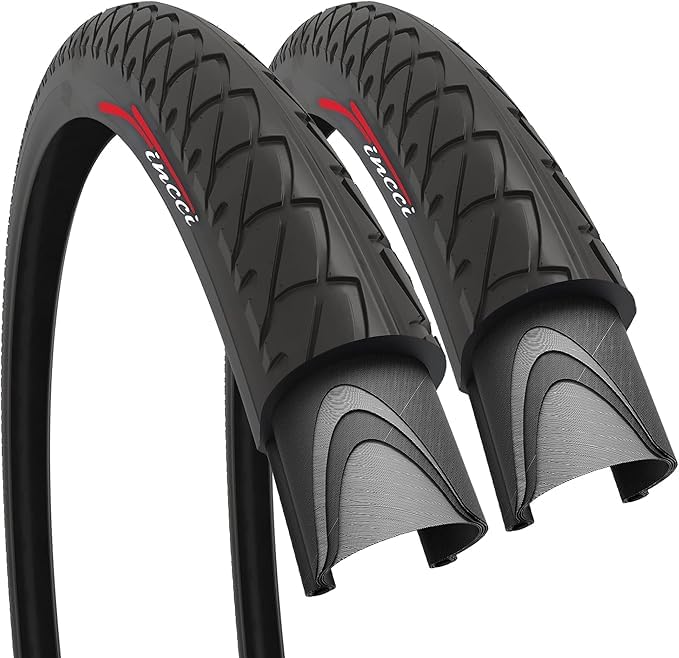
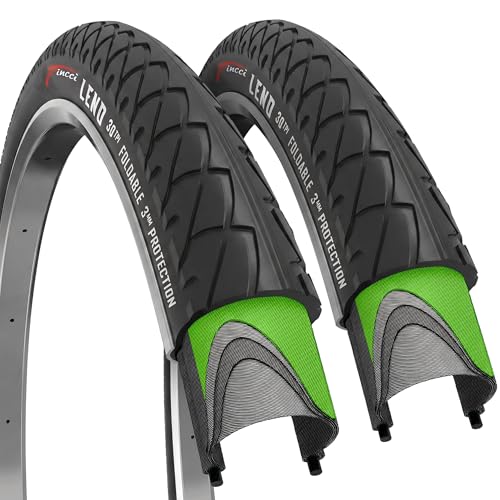

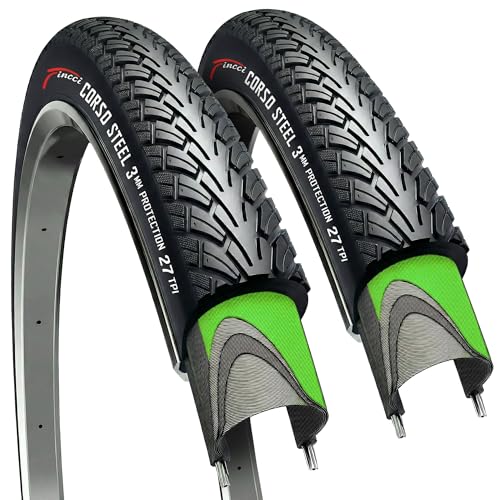

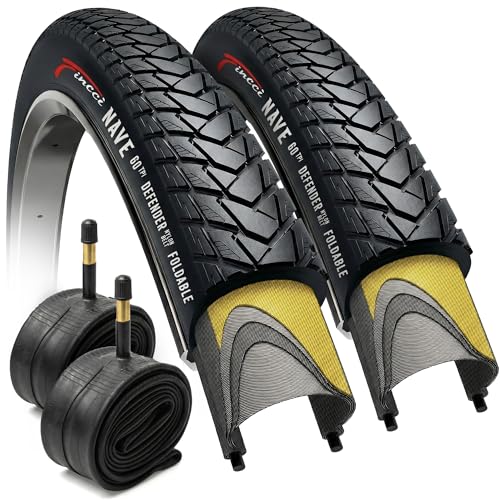
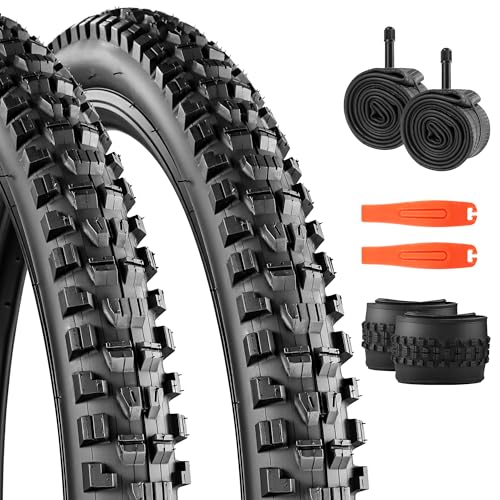
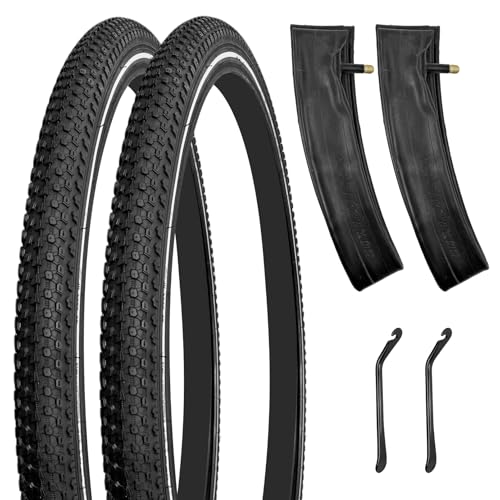
Three Profiles for the Best Commuter Tire for Mountain Bike Riders
Instead of thinking in brand names, think in profiles. Almost every commuter tire for a mountain bike fits one of three profiles, and your route decides which one serves you best. Hold each profile up against your own route as you read.
The All Round Profile
The all round profile pairs a smooth center strip with light shoulder tread, a casing with a puncture belt under the tread, and a width around 1.9 to 2.2 inches. It rolls quietly on pavement, still grips on gravel paths and wet corners, and suits riders who mix road miles with park trails. Expect to pay about $40 to $70 per tire. The trade off is that it is not the fastest option on pure asphalt and not the grippiest in mud, but for most mixed commutes that balance is exactly the point.
The Budget Profile
The value profile keeps things simple: a basic tread with a continuous center rib, a standard casing, and wire bead construction that folds less easily but costs less. Prices often land around $25 to $40 per tire, which makes sense for short rides, campus bikes, and older frames you do not want to overinvest in. You give up some flat protection and wet grip, and the tire may feel heavier when you accelerate. For rides under five miles on decent roads, that compromise is usually fine.
The Upgrade Profile
The upgrade profile adds a supple folding casing, stronger puncture protection that wraps further down the sidewalls, and often tubeless compatibility. Tubeless setups let you run slightly lower pressure for comfort and let sealant close small punctures as you ride, and our guide to the best mountain bike tire sealant explains how sealant choices affect that protection. Prices run about $60 to $90 per tire. This profile suits longer commutes, rough city streets with glass and debris, and riders who count on the bike every single day and cannot afford surprise flats before work.
How to Choose the Best Commuter Tire for Your Mountain Bike
This is the heart of the decision. Work through each factor below with your route in mind, and the right size and tread pattern usually become obvious. A tire that is perfect for a dry suburban bike path can be a poor match for a rainy downtown commute.
Features That Matter for Mountain Bike Commuting
Mountain bike wheels come in 26 inch, 27.5 inch, and 29 inch diameters, and your tire must match your rim diameter exactly. Check the numbers molded on your current sidewall before you shop. Beyond size, prioritize a puncture belt, reflective sidewall strips for visibility at dusk, and a tread compound that stays grippy when wet. Mountain bike rims are also wider than road rims, so commuter tires for these bikes start around 1.5 inches wide and keep the stable, cushioned feel that makes rough streets tolerable. For a broader look at tread categories before you narrow down, see our guide to the best mountain bike tires.
Bike Type and Riding Style
Your riding style shapes tread choice more than any other factor. If your commute is all pavement, pick a mostly smooth tread and enjoy the quiet, efficient roll. If you cut across gravel, dirt paths, or grass, choose small, closely spaced knobs that still roll well but bite on loose surfaces. Riders who keep weekend trail rides in the mix often run a faster rear tire and a slightly grippier front tire, since the front wheel handles steering and braking while the rear carries most of your weight. If your weekends lean toward smooth race courses, our guide to the best xc mountain bike tires covers that faster end of the spectrum, while riders on rougher ground should look at the best trail mountain bike tires instead.
Brakes and Tire Grip
Your brakes can only slow you as fast as your tires can grip. Hydraulic disc brakes deliver strong, controlled stopping power, and they reward a tire with a quality rubber compound and enough width to put a healthy contact patch on the road. Mechanical disc brakes and older rim brakes stop more gently, but the same logic applies: a worn, hardened tire lengthens stopping distance in the rain. If you upgrade brakes or ride in wet weather often, budget for fresh rubber with siped tread, the small slits that channel water away from the contact patch.
Weight and Components Upgrade Path
Tires are the easiest upgrade on a commuter build because they change ride feel immediately and cost far less than wheels or suspension work. A lighter folding tire can save noticeable rotating weight, which you feel most when leaving traffic lights. After tires, sensible upgrades include a rack, full coverage fenders where frame clearance allows, and lights. Plan the order around your pain points: if flats are your problem, spend on protection first; if the ride feels harsh, spend on width and casing quality first.
Motor, Battery, and Range for E Bikes
If your mountain bike has a mid drive motor or you are converting a bike for commuting, tires carry extra load and wear faster under motor torque. Look for tires rated for e bike use, with reinforced casings that handle higher weights and sustained speeds. Keep pressure toward the upper part of the sidewall range to protect the rim and support the battery and cargo weight. A smoother tread also helps range a little, because less energy goes into deforming knobs on every wheel rotation.
Frame Material and Geometry
Frame clearance decides how wide a tire you can run. Measure the gap at the fork, seat stays, and chain stays, and leave a few millimeters on each side for mud and wheel flex. Aluminum and carbon frames often have tighter clearance than steel frames, and full suspension frames lose room when the shock compresses. Hardtail frames usually accept the widest commuter tires. If you want fenders for wet commuting, subtract more space, since a fender sits between the tire and the frame and needs its own clearance.
Types of Commuter Tires by Bike
The same tread idea plays out differently depending on the bike it serves. Here is how the main categories break down.
Kids Bikes
Children commuting to school need durability and forgiveness more than speed. A mid width tire with a simple tread and strong sidewalls handles curbs, playground gravel, and the occasional skid without drama. Lower pressure adds grip and comfort for light riders. Avoid very slick tires for kids, because young riders brake suddenly and steer abruptly, and a little shoulder tread helps the tire recover when a corner gets sloppy.
Hardtail Mountain Bikes
The hardtail is the classic commuter conversion, and it takes the widest range of commuter tires. With no rear suspension, the tire itself provides much of the comfort, so widths around 2.0 to 2.3 inches with a supple casing work beautifully on broken pavement. A smooth center tread keeps the roll efficient while modest side knobs handle unpaved shortcuts. If you ride the same bike on weekend trails, this is the category where a true dual purpose tread earns its keep. And if you are choosing a complete bike rather than converting one, our guide to the best commuter mountain bike compares purpose built options.
Commuter E Bikes
Electric commuters add weight and speed, so their tires need reinforced construction and honest load ratings. Reflective sidewalls matter more here because these bikes often run in traffic at car like speeds in low light. Wider tires, around 2.2 to 2.8 inches on many builds, spread the load and protect rims from pothole strikes. Check that any tire you consider lists e bike suitability on the sidewall or packaging, and inspect wear more often, since motor torque shortens tread life.
How to Make Your Commuter Tire Last Longer
Good care habits stretch tire life and cut your flat count at the same time.
- Check tire pressure before every ride. A quick squeeze test catches slow leaks, and a weekly gauge check keeps you in the printed range, since underinflated tires wear at the shoulders and pinch flat easily.
- Pick glass and debris out of the tread. Once a week, spin each wheel slowly and flick out embedded fragments with a small tool before they work through the casing.
- Clean and lube the chain every 100 to 200 miles. A clean drivetrain shifts smoothly and stops grit from spraying onto your rear tire and rim.
- Have a professional tune up yearly. A shop can spot casing cuts, worn brake pads, and wheel issues that quietly damage tires.
- Store the bike out of direct sun. Ultraviolet light and heat dry out rubber, so a garage or shaded indoor spot slows cracking.
- Charge e bike batteries at room temperature. Use the maker supplied charger, ideally one tied to UL 2849 certified systems, and keep charging away from the tires and other flammables.
FAQs
What features matter most in commuter tires for a mountain bike?
Puncture protection matters most, followed by a tread that matches your surfaces and a width your frame clears comfortably. A belt under the tread stops most glass and wire flats that end commutes. Reflective sidewalls are a quiet bonus worth having, because dawn and dusk rides put you in traffic when drivers notice reflective strips far earlier than dark rubber.
Hardtail or full suspension for beginner commuters?
A hardtail is the better starting point for most beginner commuters. It costs less, weighs less, and has no rear shock to service, and a wide commuter tire supplies most of the comfort you need on pavement. Full suspension helps on genuinely rough routes, but it adds maintenance and can bob as you pedal unless the shock has a firm lockout setting.
What e bike class is legal where I live?
Legality depends on your state and city, so check local rules before you ride. Most states use a three class system: class 1 and class 2 assist up to 20 mph, while class 3 reaches 28 mph and may face helmet rules and path restrictions. Bike lanes and shared paths sometimes limit which classes may use them, and rules change, so a quick check of your state transportation site is worth it.
What size tire do I need for my mountain bike?
Match the diameter printed on your current sidewall, such as 29 by 2.1, and then choose width based on frame clearance and route roughness. The first number is the wheel diameter and cannot change without new wheels. The second number is width, and you can usually move one or two steps wider or narrower than stock as long as the tire clears the frame and fork with room to spare.
How much should I spend on commuter tires for a mountain bike?
Plan on about $25 to $90 per tire, and buy in pairs when you can so grip stays balanced. Around $40 to $60 per tire is the sweet spot for daily riders, where puncture belts and better compounds appear. Riders with very short, gentle routes can spend less, while anyone whose job depends on arriving on time should treat strong flat protection as cheap insurance.
How far can an e bike go on one charge?
Most commuter e bikes travel about 25 to 60 miles per charge, depending on battery size in watt hours, assist level, hills, and rider weight. Tires play a small but real role: smooth tread and correct pressure reduce rolling resistance, while soft, underinflated knobs drain the battery faster. Riding in a mid level assist mode and pedaling steadily stretches range the most.
The Bottom Line
Match the diameter to your wheels, choose width your frame clears, and let your surfaces pick the tread: smooth for pavement, lightly knobbed for mixed routes. Spend on puncture protection if your streets carry glass and debris, and keep pressure in range to protect both tire and rim. With those basics right, the best commuter tire for mountain bike riding is simply the one that gets you to work quietly, comfortably, and without flats, so compare your finalists in the product table above.


