
Best Commuter Mountain Bike: A Buyer Checklist for 2026
Disclosure: We may earn a commission when you buy through links on this page, at no extra cost to you. As an Amazon Associate I earn from qualifying purchases. Learn more

Daily riders: find the best commuter mountain bike by comparing fit, brakes, gearing and costs for streets, paths and rough patches.
Choosing the best commuter mountain bike starts with how you ride each day, not with a single feature. A bike that feels fine on a short test ride can feel heavy, cramped, or awkward after a week of traffic, curbs, and loaded bags. Work through fit, brakes, gears, and running costs before you decide.
Commuting adds demands that weekend trail riding does not. You need reliable stopping in wet weather, room for lights and a lock, and a position you can hold in work clothes without strain. A practical commuter mountain bike balances toughness with comfort, and it should be easy to maintain between rides.
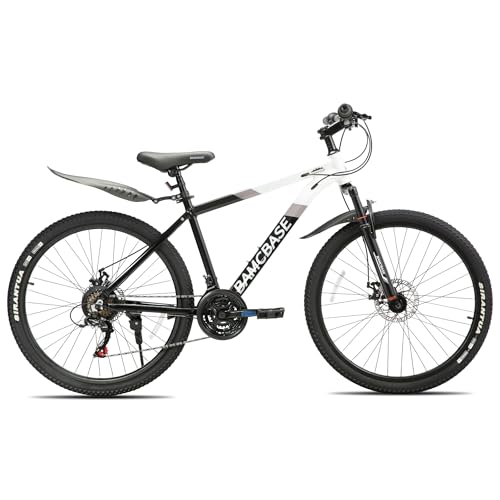


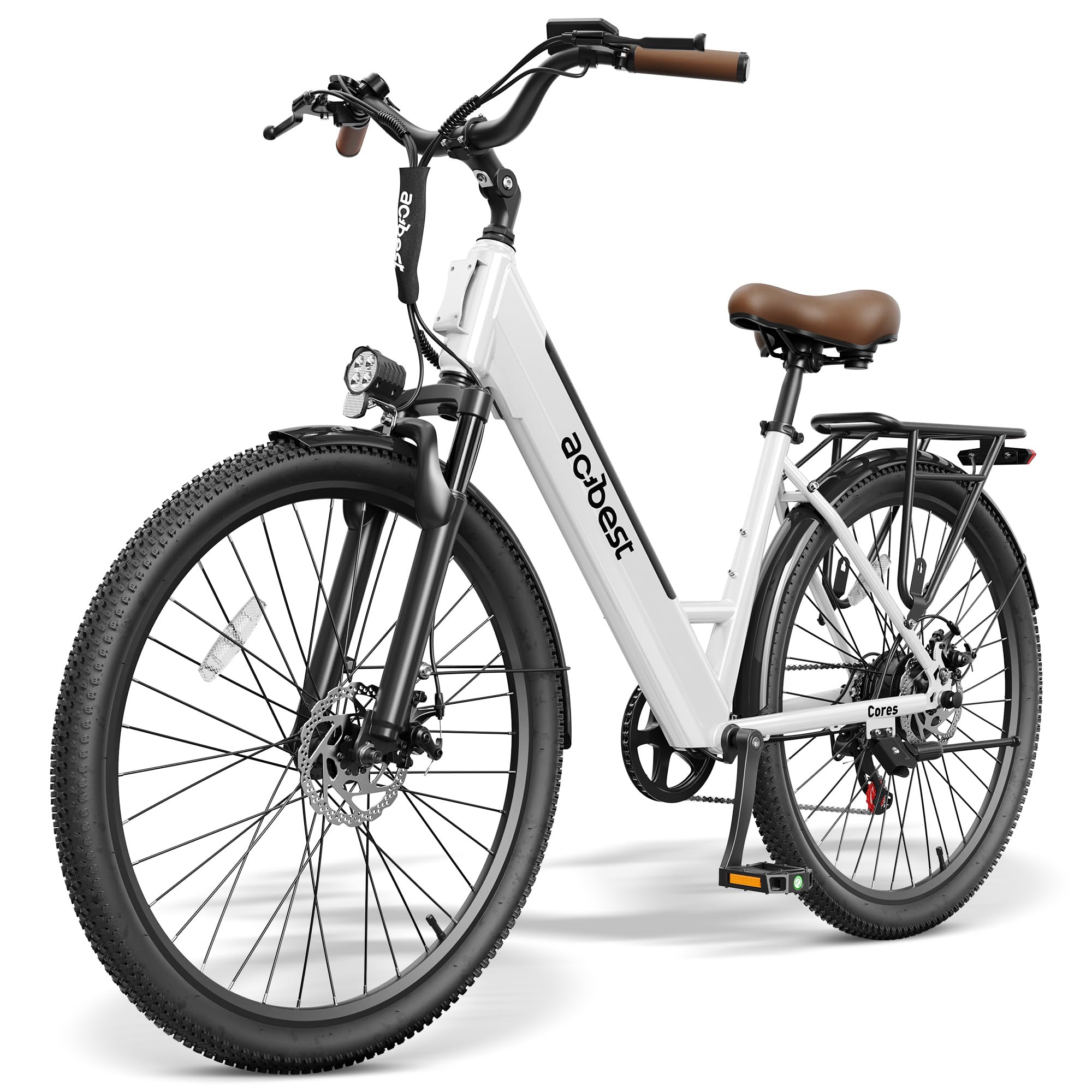
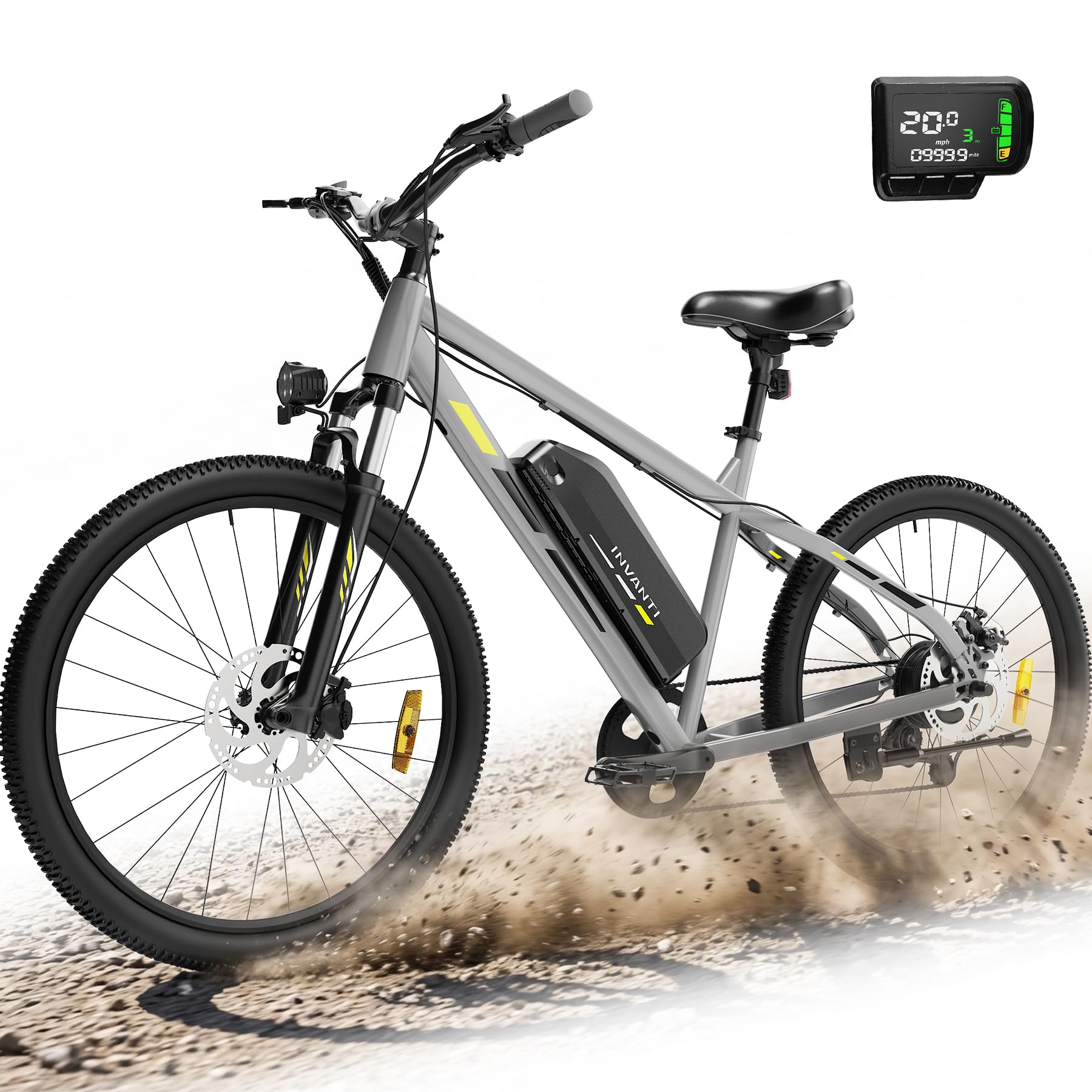
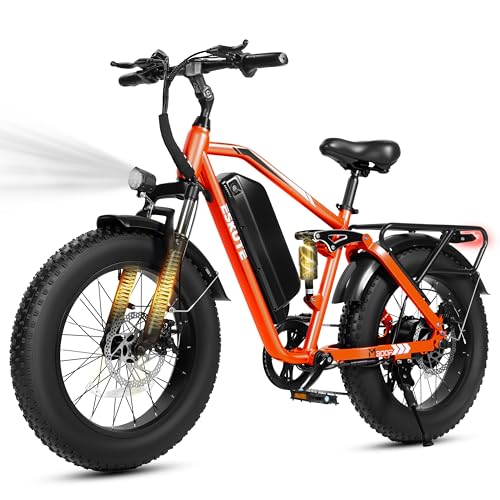
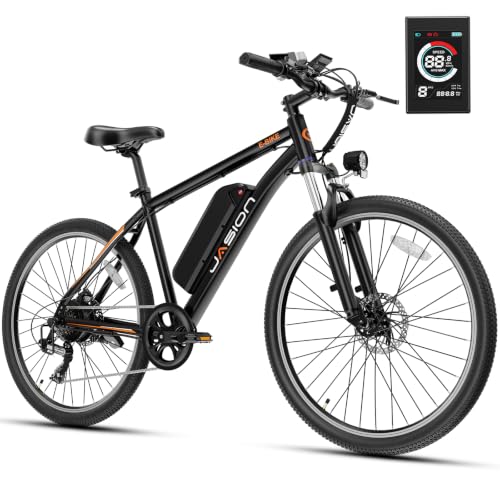
How to Judge the Best Commuter Mountain Bike
Think of this section as a buyer checklist rather than a test report. Each factor below affects daily use in a different way, and the right balance depends on your route, your load, and how often you ride.
Bike Type and Riding Style
A hardtail suits most commuters because it is simpler, lighter, and easier to service than a full suspension frame. Full suspension adds comfort on rough ground, but it also adds weight, moving parts, and upkeep that may not pay off on paved routes. If your route mixes smooth streets with gravel paths and broken pavement, a sturdy hardtail with wide tires is often the sensible middle ground. Riders who face long climbs or heavy loads may look at pedal assist options, but frame and fit still matter more than motor power alone.
Sizing and Fit
Size charts give a starting point, yet standover clearance and reach decide whether a bike feels right in daily use. You should be able to stand over the top tube with room to spare and reach the bars without stretching or hunching. A shorter reach suits stop and go traffic, while a longer reach can feel steadier at speed. If you ride in work clothes, leave room for a slightly upright position, and check that you can put a foot down quickly at lights.
Frame Material and Geometry
Aluminum frames are common for commuting because they are light, stiff, and resistant to rust when cared for. Steel frames can feel smoother on rough roads and often handle racks and fenders well, though they may weigh more. Carbon frames are light and stiff, but they cost more and need careful inspection after a crash.
Geometry matters too: a slacker head angle feels stable on descents, while a steeper angle steers more quickly in traffic. For commuting, stable and predictable handling usually beats aggressive trail geometry.
Brakes for Wet Weather
Disc brakes are a strong choice for commuting because they keep working well when rims are wet or muddy. Hydraulic disc brakes offer strong stopping with light lever effort, which helps on long descents and in stop and go traffic. Mechanical disc brakes are simpler to adjust at home and easier to service on the road, though they may need more frequent cable care. Whichever type you choose, check pad wear often, keep rotors clean, and make sure the levers feel firm before every ride.
Weight and Upgrade Path
Weight matters more when you carry a bike up stairs, lift it onto a rack, or ride with bags. A lighter bike feels easier on climbs, but durability and rack mounts may matter more than saving a small amount of weight. Look at what you can upgrade later, such as tires, saddle, grips, and lights, without replacing major parts. A frame with standard mounts for racks and fenders gives you more options as your commute changes.
Avoid a bike that locks you into unusual parts unless you have a clear reason to accept that limit. Standard parts also make repairs simpler and cheaper over time.
Drivetrain and Gearing
A simple drivetrain is easier to live with on a daily commute. A single chainring setup reduces parts to maintain and keeps shifting simple, while a wider gear range helps on hills and loaded rides. Check that the lowest gear is low enough for your steepest climb with bags, and that the highest gear lets you cruise without spinning too fast. Smooth shifting under load, a quiet chain, and parts that are easy to find locally all matter more for commuting than a high end groupset name.
Spending Levels That Make Sense
At a lower spending level, focus on a solid frame, reliable disc brakes, and a fit that suits your route. You may get heavier parts and simpler gears, but a well fitted bike at this level can still serve a daily commute well. Spend a little more for better brakes, wider tires, and mounts for racks and fenders if you ride in all weather. At a higher spending level, you are paying for lighter parts, smoother shifting, and more refined handling, so make sure those gains match your route.
In every tier, set aside money for a good lock, lights, and basic maintenance tools, since those items protect your ride and keep it running.
Tires deserve special attention for commuting, because they affect comfort, grip, and puncture risk every day. For a related comparison, see our guide to the best commuter tires for mountain bike before you settle on a width and tread pattern. Wider tires at lower pressure can smooth rough streets, while a light tread rolls faster on pavement. Balance grip, durability, and rolling speed for the surfaces you ride most.
Quick Buyer Checklist
- Does the frame size give you safe standover clearance and a comfortable reach?
- Do the brakes stop firmly and predictably in wet conditions?
- Is the lowest gear low enough for your steepest hill with a loaded bag?
- Are there mounts for a rack, fenders, and lights if you need them?
- Can you lift and store the bike where you live and work?
- Are replacement tires, pads, and chains easy to find and fit?
- Does the riding position suit your clothes, your back, and your daily distance?
- Have you budgeted for a lock, lights, and basic maintenance?
Red Flags to Watch For
Vague specifications are a warning sign, especially when a seller does not list frame size, brake type, or gear range clearly. Very short warranty cover and missing safety information should also make you pause. A bike that cannot take a rack or fenders may still work, but only if you truly do not need them. If a seller promises extreme speed or durability without clear details, compare the same points across other options.
Also think about how the bike fits a wider riding life, not just the commute. For a broader view of trail capable options, see our guide to the best all mountain mountain bike and note how its geometry and weight differ from a commuter setup. A second comparison, our guide to the best bicycle mountain bike, can help you separate general features from daily travel needs.
Care and Maintenance Tips
Check tire pressure before every ride, since low pressure increases puncture risk and makes pedaling harder. Clean and lubricate the chain regularly, and have a professional tune up once a year or sooner if shifting or braking feels off. Wipe the frame after wet rides, inspect bolts and quick releases, and store the bike where it stays dry. A few minutes of care each week prevents many common commuting problems and keeps the bike feeling safe.
Frequently Asked Questions
What size commuter mountain bike do I need?
Start with the maker size chart for your height, then check standover clearance and reach in person when you can. You need room to stand over the frame safely and a reach that lets you sit upright enough for traffic without strain. A bike that is slightly small often feels easier to handle at low speed, while a bike that is too large can feel stretched and hard to control at lights. Check the fit with your usual load, since weight changes balance.
Hardtail or full suspension for commuting?
A hardtail suits most commuters because it is lighter, simpler, and cheaper to maintain. Full suspension adds comfort on rough trails, but the extra weight and moving parts rarely pay off on streets and smooth paths. If your route includes long stretches of rough gravel, wider tires and a comfortable saddle may give you most of the comfort benefit without the added upkeep. Choose full suspension only when rough ground is a large part of your daily route and you accept the service needs.
How far can a pedal assist commuter bike go on one charge?
Range depends on assist level, rider weight, load, hills, wind, and tire pressure, so a single number rarely tells the full story. Riding at a lower assist level and keeping tires inflated will stretch range, while high assist on steep hills will shorten it. For commuting, plan around your longest regular ride plus a margin for detours, and charge at home or work when you can.
How much should I spend on a first commuter mountain bike?
Plan your budget around fit, brakes, and durability rather than a single price point. A lower cost bike can work well if it fits, stops reliably, and takes the racks or fenders you need. Spending more usually buys lighter parts, better brakes, and smoother gears, which matter most if you ride daily or over long distances. In all cases, reserve money for a lock, lights, and maintenance, since those items affect safety and running costs from the first week.
What e bike class rules apply where I live?
E bike classes and local rules vary by state and city, so check your local rules before you buy. Rules can cover where you may ride, speed limits for assist, and whether a throttle is allowed on certain paths. When in doubt, ask a local bike shop or check the rules published by your city or state transport authority.
The Bottom Line
Fit, brakes, and practical mounts matter more than any single headline feature for daily riding. Work through the checklist above and choose the option that feels steady, comfortable, and easy to maintain. The best commuter mountain bike for you is the one that fits your route, your storage, and your budget. Review the product table above once more before you order.


