
Best Commercial Treadmills for Runners: A Budget Buying Guide for 2026
Disclosure: We may earn a commission when you buy through links on this page, at no extra cost to you. As an Amazon Associate I earn from qualifying purchases. Learn more

Compare the best commercial treadmills for runners by budget, deck size, motor power, and durability so you spend on features that truly matter for daily miles.
Commercial treadmills span a very wide price range, and the gap between the lowest and highest prices can feel hard to justify. This guide to the best commercial treadmills for runners shows you where extra money actually improves your training and where it simply buys extras you may never use.
You will learn how motor power, belt size, frame strength, and warranty coverage change as prices rise. You can then match a machine to your weekly mileage, stride, and room instead of paying for a label.




Choosing the Best Commercial Treadmills for Runners by Training Load
Price alone tells you little until you link it to the work the machine must do every week. A treadmill that feels solid during a short jog can run hot and wear its belt early when you train on it six days a week. Start with your training load, then set a sensible budget.
High Mileage Trainers Building Toward a Marathon
If you log 30 miles a week or more, treat the treadmill as training equipment rather than a backup for bad weather. You need a motor that holds pace during long runs, plus a deck long enough for a relaxed stride when you tire. Plan on midrange money or above, and weigh warranty length heavily as annual mileage climbs.
Runners Who Mix Speed Work With Easy Days
Intervals and tempo runs ask more of a treadmill than steady miles do. The belt must speed up and slow down promptly between repeats, and the deck should stay stable when you run fast. Quick speed controls you can reach without looking down help during hard efforts. If this sounds like your week, see our guide to the best treadmills for serious runners for more on pace focused training.
Taller and Heavier Runners Who Need Real Room
A long stride and a higher body weight both push you toward the stronger end of the market. Look for a wide and long belt, a high stated weight capacity, and a steel frame that does not flex at foot strike. For sizing help focused on body weight, see our guide to the best treadmills for heavy runners alongside the notes below.
What Your Money Gets You at Each Price Tier
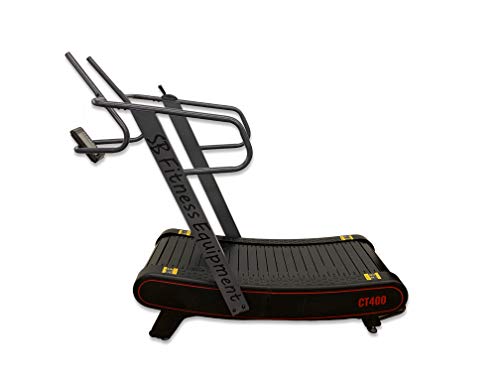
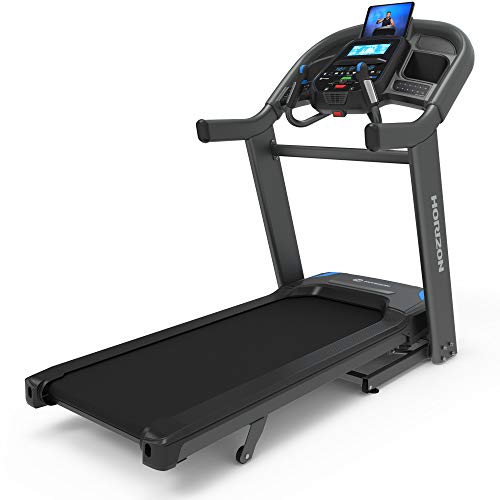
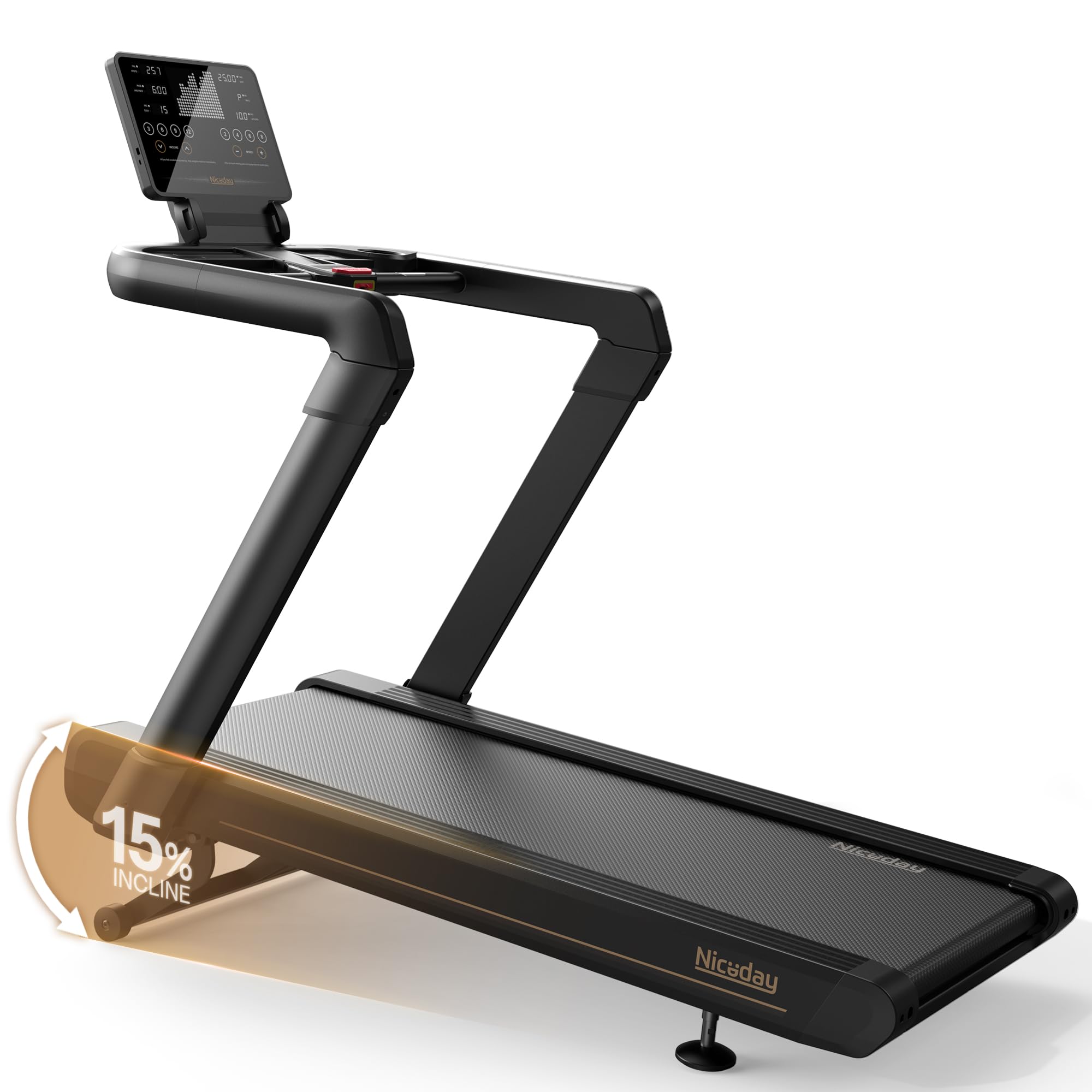
The best commercial treadmills for runners conversation changes completely once you split it into price tiers. Each tier below describes what you can realistically expect, what you give up, and who should shop there. Use the product table above to see how the models on your short list line up with these tiers.
Budget Tier: What to Expect
Budget commercial models usually cost about $1000 to $1800. Expect a smaller motor, a shorter belt, and a basic console with preset programs. These machines suit lighter runners doing a few runs a week, and they can struggle during long or fast sessions. If your spending limit is firm, see our guide to the best affordable treadmills for runners for ways to protect value at lower prices.
Midrange Tier: Where Most Runners Should Shop
Midrange models run about $1800 to $3000, and this is where value peaks for most home runners. Motors get stronger, belts grow longer and wider, and frames feel steadier at speed. You also see better cushioning and longer parts warranties. For one runner training most days, this tier usually delivers the best balance of durability and cost.
Premium Tier: When Spending More Pays Off
Premium models cost about $3000 to $5500 and mirror what you find on a gym floor. You get heavy steel frames, large rollers, powerful motors built for hours of daily use, and long parts warranties. This tier makes sense for very high mileage, multiple runners in one home, or small studios. Facility buyers can also see our guide to the best commercial treadmills for gyms for capacity planning ideas.
Features Worth Paying For and Ones to Skip
Feature lists grow fast as prices rise, and not every addition improves a run. The factors below change how a treadmill feels at mile eight, how long it lasts, and how well it fits your space. Spend first on the running surface and the motor.
Motor Power, Belt Size, and Stride Length
Motor ratings are often shown as continuous horsepower, and runners should look for about 3 to 4 horsepower for regular training. A stronger motor works less hard at a given pace, so it runs cooler and lasts longer. A belt about 20 to 22 inches wide and 60 inches long gives most runners room for a natural stride length, while shorter belts can force shorter steps at faster paces.
Frame Strength, Rollers, and Weight Capacity
A rigid steel frame keeps the deck steady and limits shaking that loosens bolts. Larger rollers help the belt travel smoothly and can extend belt and bearing life. Always keep a margin between your body weight plus running impact and the stated weight capacity, because running loads the machine far more than walking does.
Noise Level for Apartments and Shared Homes
Most treadmill noise comes from foot strikes and deck vibration rather than the motor itself. A heavy frame, a thick belt, and a mat under the machine all reduce sound that travels through floors. A ground floor spot helps as well.
Console, Programs, and App Connectivity
Bluetooth pairing lets smart connected models sync with training apps and heart rate straps, which many runners value for logging workouts. Built in programs can guide intervals, but a large screen with a required subscription adds cost every month. If you prefer your own watch and plan, a simple console with clear speed and incline readouts may serve you better and cost less.
Assembly and Portability
Commercial treadmills are heavy, often well over 200 pounds, and most arrive in a large box that needs two adults to move. Assembly usually means attaching the uprights, console, and arms, and it takes one to two hours with basic tools. Transport wheels help with short moves for cleaning, but these are not machines you roll away after each run. Measure doors and stairs before ordering.
Space, Footprint, and Ceiling Height
Plan a clear area roughly 7 feet long and 3 feet wide, plus open space behind the belt in case you step off badly. Add your height, the deck height, and several inches of bounce to find your minimum ceiling. Most truly commercial models do not fold, though a few compact foldable models exist for tight rooms. If a dedicated room is not possible, see our guide to the best commercial treadmills for home for layout ideas.
Common Mistakes to Avoid
- Buying by top speed alone, which leads to a fast but weak motor that runs hot during long runs.
- Choosing a short belt to save money, which forces a choppy stride and raises your trip risk at pace.
- Ignoring the parts warranty, which leaves you paying full price when a motor or deck fails early.
- Skipping ceiling and doorway measurements, which can leave a delivered treadmill stuck outside the room.
- Paying for a large screen and subscription you never use, which inflates both the purchase price and monthly costs.
- Setting the treadmill on thick carpet without a mat, which traps heat around the motor and strains airflow.
Long Term Costs to Factor In
The purchase price is only part of what a commercial treadmill costs you. Budget for a mat, belt lubricant, and eventual replacement of the belt and deck as mileage wears the surface. A longer warranty can offset costs by covering the motor and electronics, the priciest parts to replace out of pocket.
Subscriptions deserve a line in your budget too. If the console depends on a paid service, add about $30 to $45 per month to your true cost and judge the machine on that total. Models that run fully without a subscription keep long term costs predictable.
How to Make a Commercial Treadmill Last Longer
Care centers on the belt, the deck, and the motor area. Wipe sweat off the console and rails after each run, because sweat corrodes metal and electronics over time. Vacuum around and under the machine regularly so dust does not build up near the motor.
Lubricate the belt on the schedule the manual states, using only the lubricant type the maker specifies. Check belt tracking every few weeks and adjust it in small steps if it drifts. If the belt slips, smells hot, or the motor sounds strained, stop running and arrange service before a small fault damages the drive system.
If you feel new chest pain, sharp joint pain, or dizziness while training, stop and seek medical care promptly rather than pushing through a workout. Runners managing a heart condition, joint replacement, or other ongoing concern should talk with their clinician about pace, incline, and weekly load that fit their personal needs.
Frequently Asked Questions
What features matter most in commercial treadmills for runners?
Motor strength, belt size, and frame rigidity matter most in commercial treadmills for runners. A motor of about 3 to 4 horsepower, a belt near 60 inches long, and a steel frame that stays steady at speed form the core package. One extra point worth checking is roller size, because larger rollers are rarely highlighted yet they support smooth belt travel and longer bearing life.
Are commercial treadmills for runners quiet enough for an apartment?
Yes, many commercial treadmills for runners can work in an apartment with the right setup. Choose a heavy frame, place a dense mat under the deck, and run during hours your building allows noise. Ground floor rooms carry the least complaint risk. Tell downstairs neighbors your usual training times as a courtesy, and keep easy runs at a steady pace that limits hard foot strikes on the deck.
How long should a commercial treadmill for runners last?
A commercial treadmill for runners should last about 7 to 12 years of regular home training with proper care. Lifespan depends mostly on weekly mileage, user weight, and how well the belt is lubricated and kept clean. The belt and deck are wear parts and may need replacement sooner than the motor. Keeping a simple service log helps you spot wear early and supports any warranty claim later.
Is a subscription required to use a commercial treadmill for runners?
No, a subscription is not required to use a commercial treadmill for runners for basic running. Speed, incline, and manual mode should work without any paid plan on a well designed machine. Some models lock guided classes and advanced screens behind a monthly fee. Before buying, confirm exactly which features stop working if you cancel, because that answer changes the long term value of the console.
How much space does a commercial treadmill for runners need?
A commercial treadmill for runners needs a floor area of about 7 feet by 3 feet, plus at least 3 feet of clear space behind the belt. Ceiling height should equal your height plus the deck height plus room for your running bounce. Measure the full delivery path as well, including turns on stairs, because the boxed base is often the widest and heaviest piece you must move.
Which commercial treadmill setup is better for new runners?
A midrange commercial treadmill setup is better for new runners in most cases. It gives you a roomy belt and a steady frame while you build mileage, without the premium price of a gym floor machine. New runners also benefit from simple controls and preset workouts that add structure. Start with flat, easy runs, raise incline gradually, and add speed work only after several weeks of consistent training.
Final Thoughts
Focus your budget on the motor, the belt, and the frame, and let screens and extras compete only after those basics are covered. Match the price tier to your true weekly mileage, confirm the machine fits your room and ceiling, and count subscription and upkeep costs before you order. When you compare the best commercial treadmills for runners through that lens, the right tier usually becomes clear. Use the product table above to confirm specs and warranties on your final choices.


