
Best Commercial Treadmills for Running: A First-Time Buyer Guide for 2026
Disclosure: We may earn a commission when you buy through links on this page, at no extra cost to you. As an Amazon Associate I earn from qualifying purchases. Learn more

First-time buyers: learn what motor, belt, space and warranty terms mean before choosing the best commercial treadmills for running.
Buying a commercial treadmill for the first time feels different from buying most home gym gear, because the listings are full of terms like continuous duty, roller size, and deck ratings. This guide starts with the plain basics and builds up to confident buying, so you can read any listing and know what actually matters. If you want the best commercial treadmills for running for a gym, a studio, or a serious home setup, the sections below are a good place to start.
Commercial machines are built for many runners and many hours of use each day, and that design goal changes everything from the motor to the warranty. By the end, you will know which specs deserve your money, how much space you truly need, and which rookie mistakes cost new buyers the most.
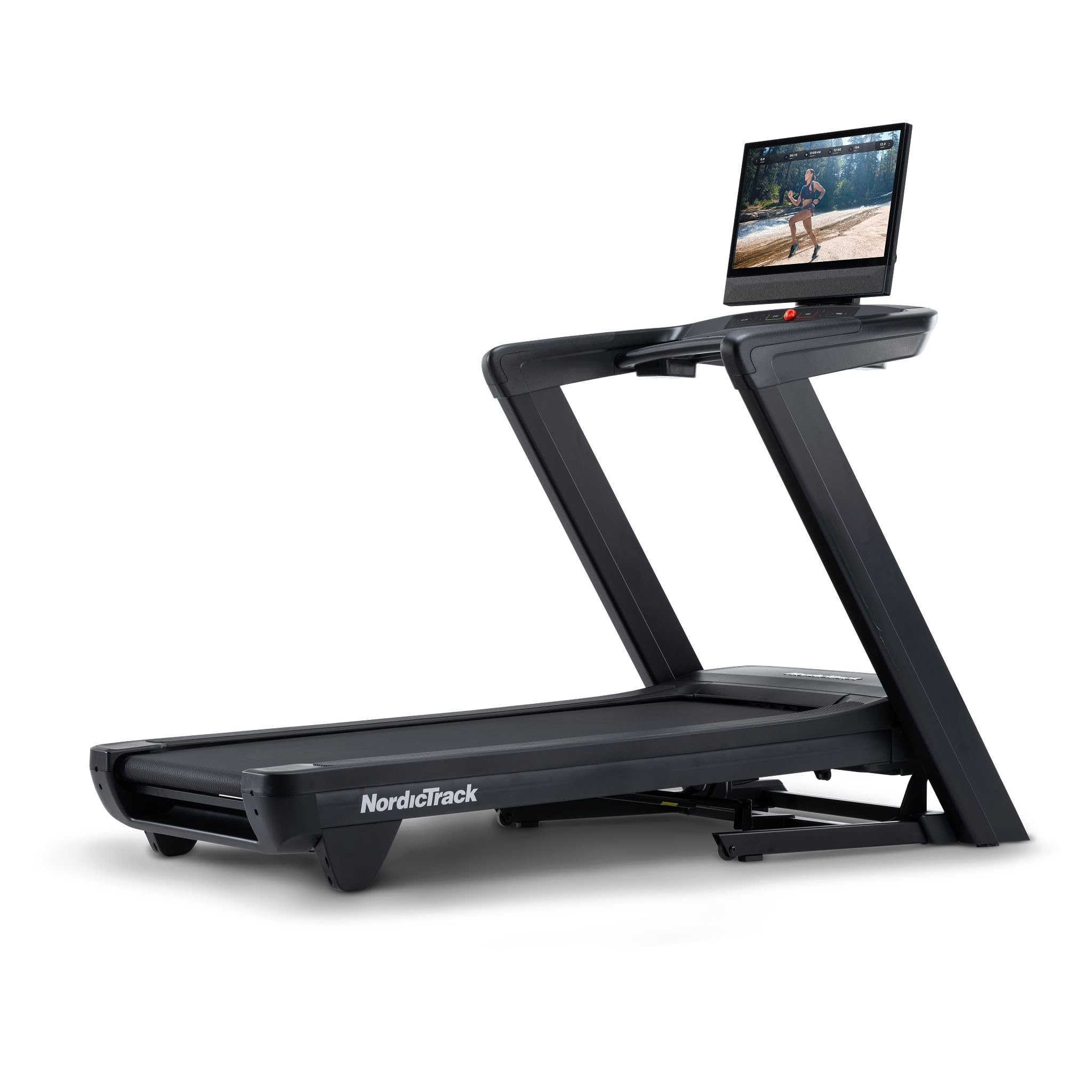
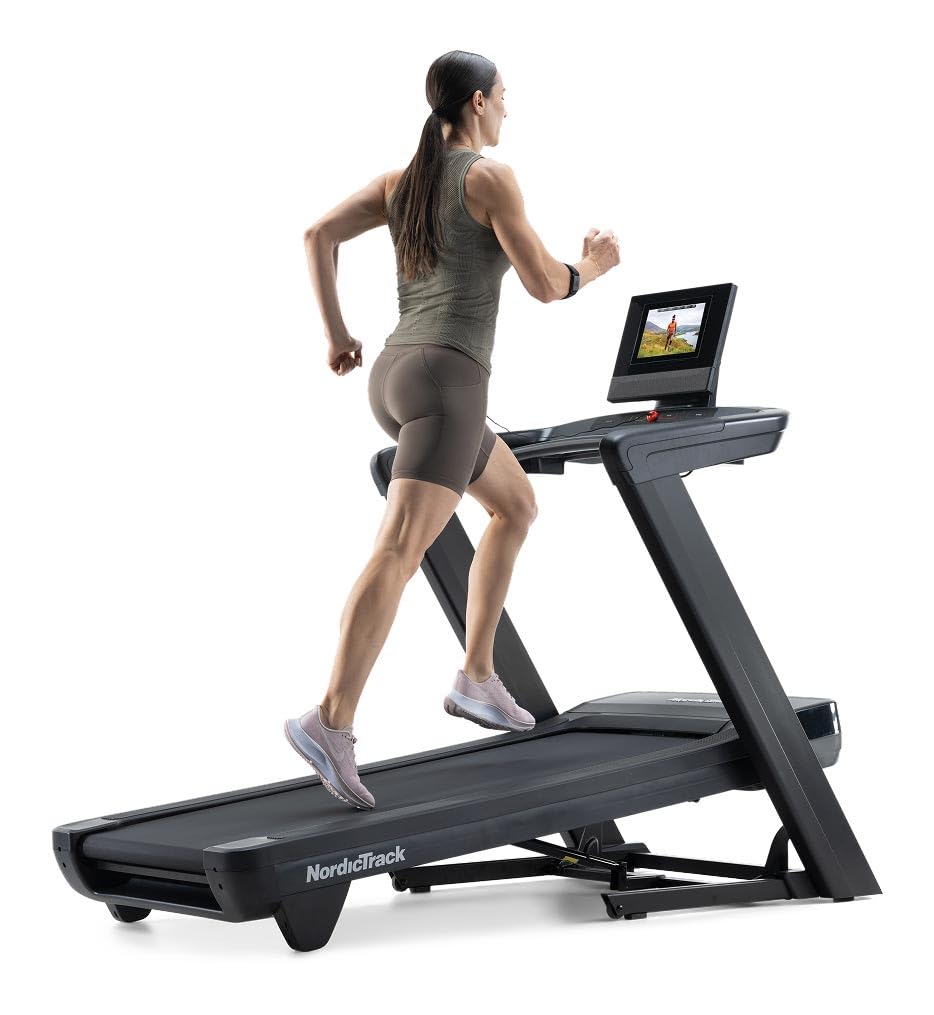


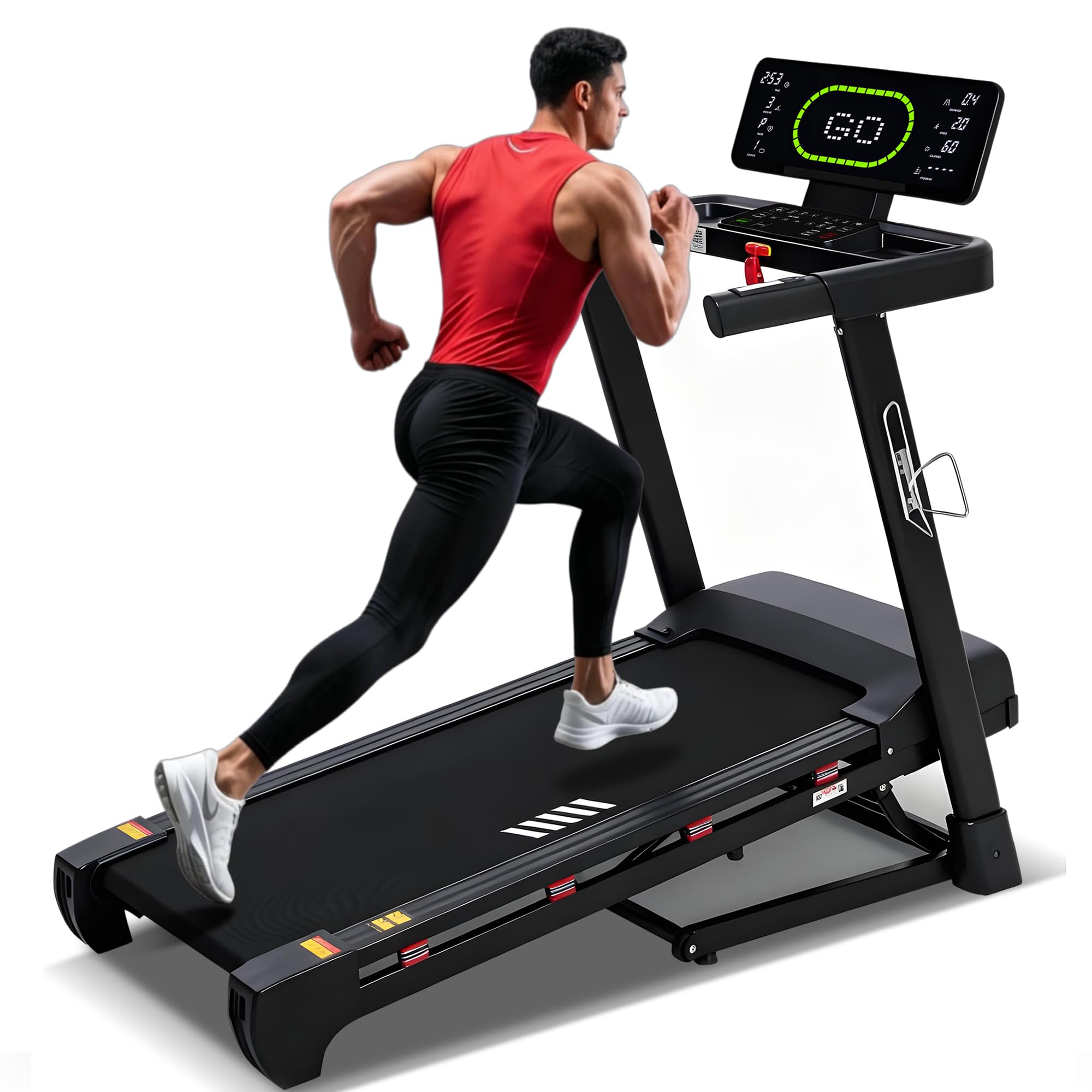
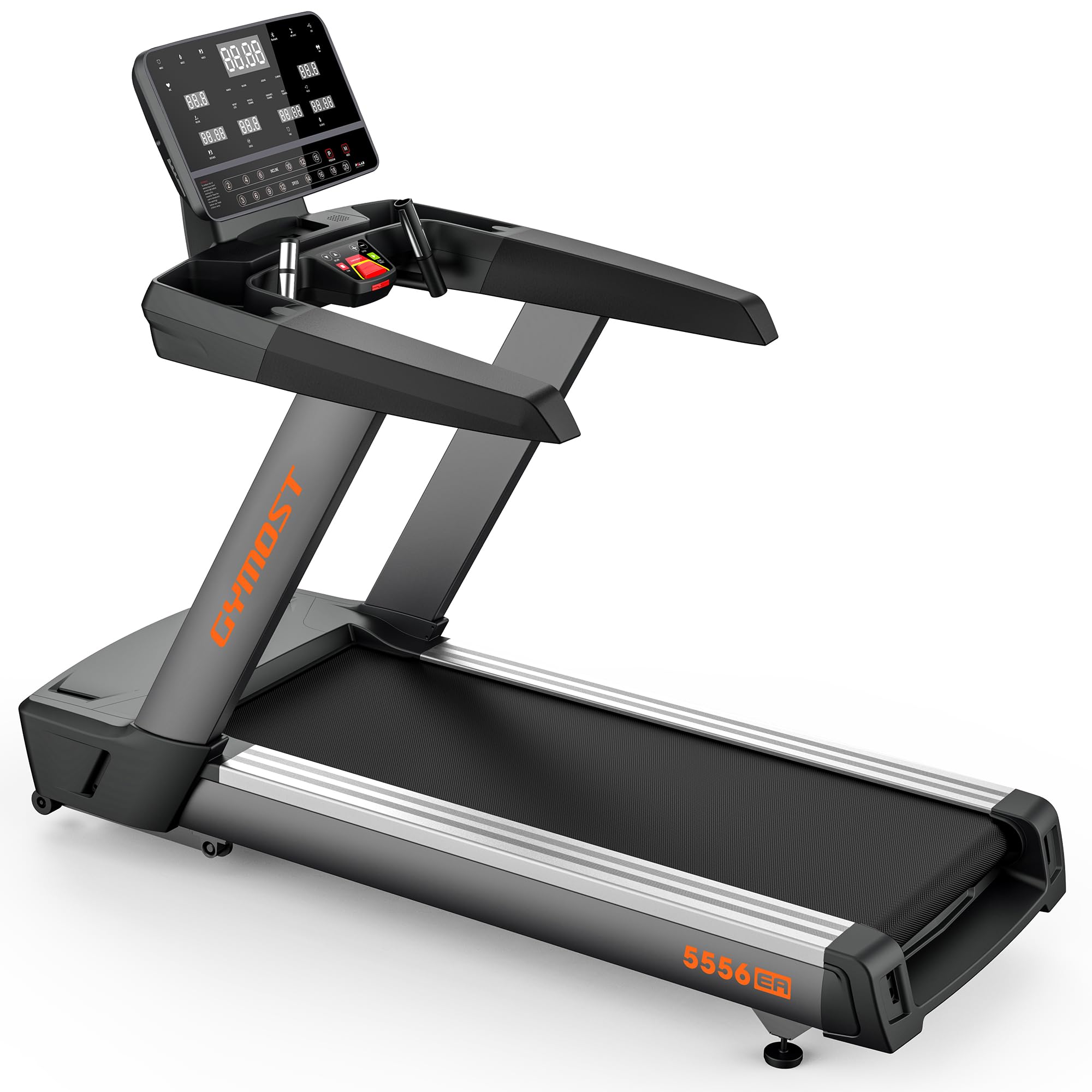


Commercial Treadmills 101: The Basics for New Buyers
A commercial treadmill is a running machine built for shared, heavy use in places like gyms, hotels, schools, and training studios. Where a typical home treadmill might run for an hour a day, a commercial model is engineered to run for many hours daily under runners of different sizes and speeds. That duty rating is the biggest difference between the two classes, and it explains the higher prices, heavier frames, and longer warranties.
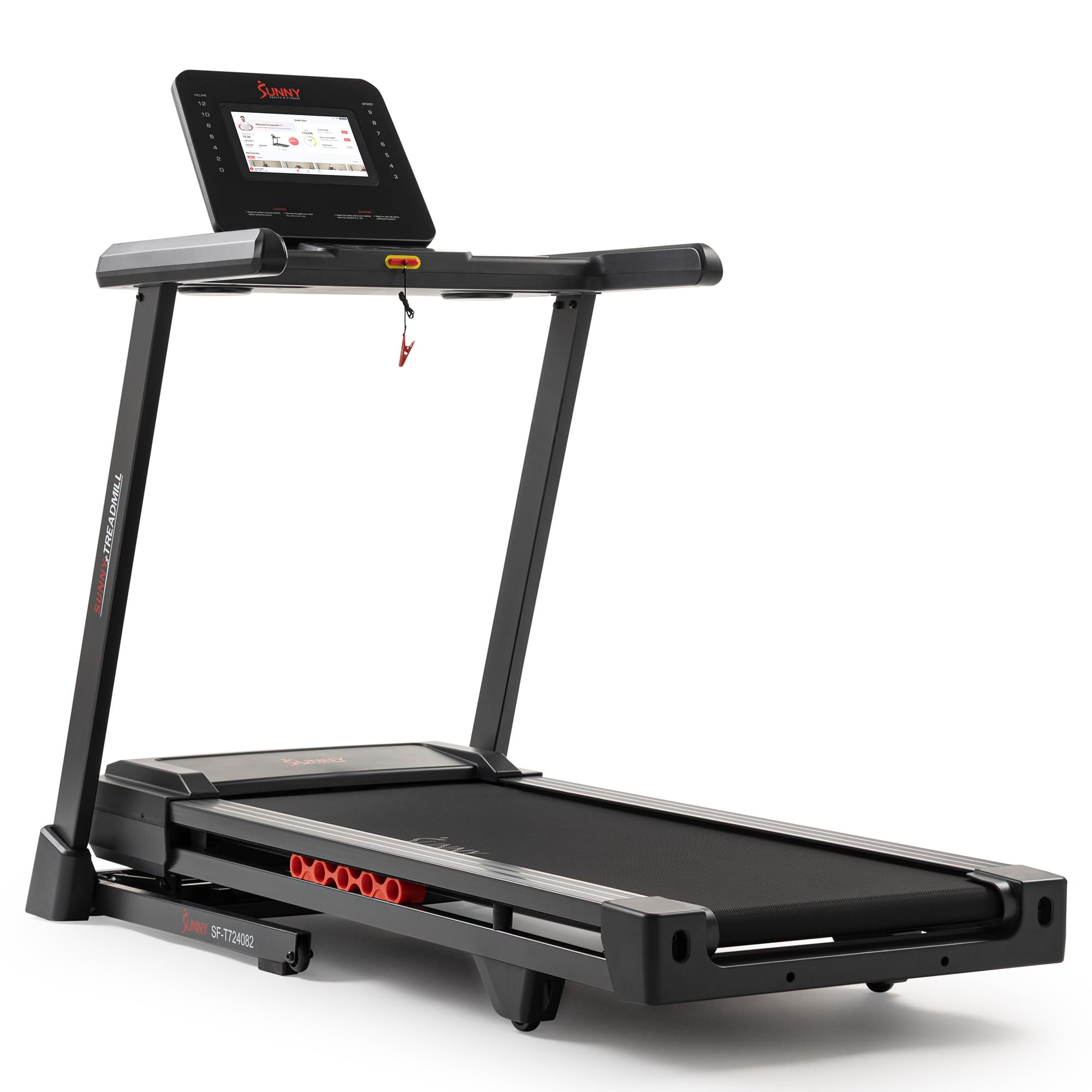
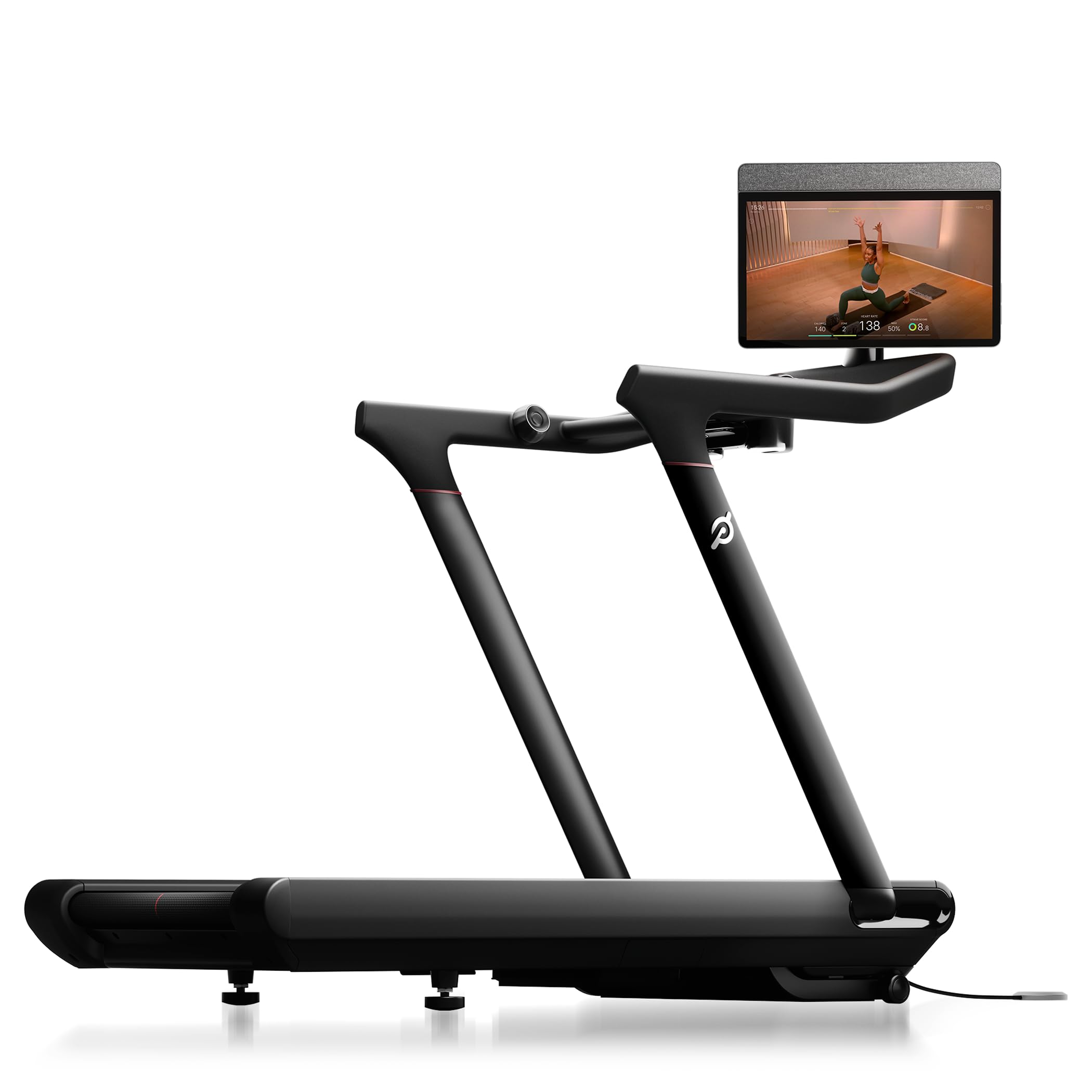
Under the deck, the parts follow the same basic layout as any treadmill. A motor drives a wide belt over a low friction deck, large rollers keep the belt tracking straight, and a steel frame holds everything rigid while you run. A console controls speed and incline, and many models add Bluetooth so apps and heart rate straps can connect. What changes in a commercial build is the size and strength of each part, plus cooling and electronics built for back to back sessions.
You will also see the term light commercial, which sits between home and full commercial use. Light commercial machines suit small studios, apartment gyms, and offices where several people run each day but traffic stays moderate. Full commercial models are rated for busy health clubs open long hours. If you are still deciding which class fits your plans, our guide to the best quality treadmills for running explains how build quality shows up in daily use.
Key Specs of the Best Commercial Treadmills for Running
Listings look intimidating, but only a handful of numbers decide whether a treadmill feels solid at full stride or starts to struggle within a year. Work through the six areas below and you will be able to judge any model in the product table above with confidence. These are the details that separate the best commercial treadmills for running from machines that only look the part on paper.
Features That Matter Most for Running
Running is harder on a treadmill than walking, because every foot strike lands with force well above your body weight and the motor must hold speed steady through each impact. Look for a continuous duty motor rated around 3.0 to 4.0 horsepower, since that rating reflects sustained output rather than a brief peak number. A weight capacity of about 350 to 450 pounds signals a frame and drive system with real headroom, even if your runners weigh far less. Large rollers, around 2.5 to 3 inches across, help the belt run smoothly and extend belt life.
Space, Footprint, and Ceiling Height
Most commercial treadmills occupy a footprint of roughly 80 inches long by 35 inches wide, and most do not fold, because a fixed steel frame is part of what makes them stable. Measure your room and then add working space, especially about 6 feet of clear floor behind the deck so a runner who loses balance has room to step off safely. Ceiling height matters too: add the height of your tallest runner to the deck height, which grows as incline rises, and keep at least 15 to 20 inches of clearance above that total. If the machine will live in a house, our guide to the best commercial treadmills for home covers placement in smaller rooms.
Incline and Speed: How a Treadmill Adds Challenge
New buyers sometimes look for resistance levels or magnetic resistance on a treadmill, but those terms belong to exercise bikes and rowers. On a treadmill, challenge comes from two controls only: belt speed and incline. Most commercial models reach at least 12 miles per hour, plenty for all but elite sprint work, and incline typically climbs to about 15 percent to simulate hills. A smooth, gradual incline change matters more than an extreme maximum, because jerky adjustments break your rhythm mid run. Some models also offer a small decline for downhill training, a nice extra rather than a must have.
Belt Size, Stride Length, and Running Comfort
The belt is where your stride lives, so its size decides whether running feels free or cramped. Widths of about 20 to 22 inches give your feet room to land slightly off center without worry, and length is the number taller runners should check first. A deck around 55 inches long suits shorter strides, while runners over about 6 feet tall should look for about 60 to 62 inches so the back of the stride never runs out of belt. Deck cushioning also shapes comfort, softening impact at foot strike while staying firm at push off, and a good system feels supportive rather than spongy.
Noise Level in Shared and Apartment Settings
Commercial treadmills are built solidly, which helps them run with less rattling than light home models, but running noise is mostly foot strike sound traveling through the floor. In a ground floor gym this is rarely an issue. In an upstairs room or an apartment building, the thud of each landing can carry into the unit below even when the machine itself is quiet. A thick equipment mat under the deck helps, and a dry or worn belt adds a slapping sound that lubrication and timely replacement can prevent.
Assembly, Delivery, and Moving the Machine
Expect a commercial treadmill to weigh 300 pounds or more, and plan the delivery before you order. Measure doorways, hallway turns, and stairwells along the route, because the base often arrives as one large piece that will not squeeze through a narrow door. Many sellers offer inside delivery or full installation, and for a first purchase that service is usually money well spent. Once placed, most models have transport wheels at the front so two people can tip and roll the machine short distances for cleaning. Compact and foldable designs exist in the home category, but commercial buyers trade that portability for frame strength.
Rookie Mistakes to Avoid
- Choosing by peak horsepower instead of the continuous duty rating, which leaves the motor straining and overheating during long use.
- Buying a belt that is too short for your tallest runner, so fast strides land near the rear roller and feel unsafe.
- Forgetting the electrical requirements, since many commercial models need a dedicated 20 amp circuit and will trip a shared circuit under load.
- Skipping the space behind the deck, which removes the safe landing zone a runner needs after a stumble.
- Assuming commercial means maintenance free, when belts still need lubrication and inspection to reach their full service life.
- Paying for a huge entertainment screen while underfunding the motor and deck, a trade that hurts daily running far more than it helps.
Budget surprises many first time buyers as well, because commercial pricing sits well above home treadmill pricing. If the numbers push past what your facility can spend, our overview of the best inexpensive treadmills for running explains what you give up and what you keep at lower prices.
Getting Started: Setup and First Use
Once the machine is installed, a few first steps protect both the treadmill and your runners. Place a durable equipment mat under the deck before final positioning, since the mat shields the floor and absorbs some vibration. Plug the treadmill into the circuit the manual specifies, and avoid extension cords, which can starve the motor of power. Before the first real run, walk slowly on the belt for a few minutes to confirm it tracks in the center and feels even underfoot.
Teach every new user the safety basics on day one. Show them the emergency stop key and clip, explain that the belt keeps moving briefly after a stop command, and set a rule that nobody steps on from the back while the belt is moving. Footwear matters more than most beginners expect, so read our guide to the best running shoes before your first week of training, and keep a towel and a mild cleaner nearby so sweat gets wiped off the console and rails after each workout.
Start new runners gently even on a machine built for hard work. A week of walking and easy jogging lets people learn the controls and build confidence before intervals or hill work begin. Post the basic care tasks near the machine, such as wiping the deck edges and reporting new noises early, so small issues get attention while they are still cheap to fix.
Commercial Treadmills: Your Questions Answered
What features matter most in a commercial treadmill built for running?
Motor strength, belt size, and frame stability matter most, in that order. A continuous duty motor around 3.0 to 4.0 horsepower holds speed steady under hard foot strikes, and a belt about 60 inches long suits most strides. One point buyers often overlook is the warranty structure: commercial warranties split coverage into frame, motor, parts, and labor terms, and a long parts term says more about expected durability than a lifetime frame promise alone.
How much space does a commercial treadmill need around it?
Plan for the machine footprint of about 80 by 35 inches, plus working clearance on every side. Keep roughly 2 feet at the sides for safe mounting and about 6 feet open behind the deck. That rear zone is not wasted space, because it doubles as the area where a runner can step off quickly and where a technician can stand during service.
Is a subscription required to use a commercial treadmill for running?
No, a subscription is not required to run on a commercial treadmill. Speed, incline, and manual workouts work without any plan, and Bluetooth connections to common fitness apps are usually free. Paid subscriptions only unlock extras such as streamed classes and coached programs. If your gym does not want monthly fees, choose a model with a simple console and strong built in programs, and confirm that no core function sits behind a paywall before you buy.
How long does a commercial treadmill last in regular use?
A commercial treadmill often lasts about 7 to 10 years in a busy facility, and longer in a home or light use setting. The frame rarely wears out first. Belts and decks are the wear items, typically needing replacement after several years of daily running. Keeping a simple service log with dates for lubrication, belt checks, and any error codes helps you spot wear early and gives a technician useful history.
Which commercial treadmill setup works best for beginners who run?
Beginners do best on a setup that keeps controls simple and the running surface generous. Choose a console with large speed and incline buttons you can tap without looking down, and a belt at least 20 inches wide. Dedicated shoes help new runners feel stable on the belt, so see our guide to the best treadmill running shoes for what to look for. Start with flat, short sessions and add incline before adding top speed.
Is a commercial treadmill quiet enough for an apartment building?
A commercial treadmill can work in an apartment building, but placement decides more than the machine itself. Ground floor rooms over concrete transmit the least foot strike sound, while upper floor wood framing carries the most. A thick mat and avoiding very late or very early sessions keep relations with neighbors healthy. If your building has gym rules or quiet hours, check them before delivery day, because returning a 300 pound machine is no fun for anyone.
Final Thoughts
For a first purchase, keep your priorities in order: a continuous duty motor with real headroom, a belt long enough for your tallest runner, and a frame and warranty built for daily shared use. Space, ceiling height, and the right electrical circuit come next, because the strongest machine still disappoints if it barely fits or trips the breaker mid run. Use the product table above to compare models against those few criteria.
The best commercial treadmills for running are not the ones with the longest feature lists, but the ones your runners will use hard, day after day, without thinking about the machine at all. Choose for durability and fit first, and add entertainment only after those boxes are checked.


