Bagged vs Bagless Vacuum: Which Is Better in 2026?
Disclosure: We may earn a commission when you buy through links on this page, at no extra cost to you. As an Amazon Associate I earn from qualifying purchases. Learn more

Bagged vs Bagless Vacuum: we compare the key differences, pros and cons side by side so you can decide which one is right for you. Updated for 2026.
The bagged vs bagless vacuum choice comes down to how you want to handle dirt after it leaves your floor. Choose a bagged model if you want cleaner emptying, stronger filtration, and less contact with dust. Choose a bagless model if you want no ongoing bag cost and a clear view of what the machine has picked up. Neither format cleans carpet better by default, so your daily habits matter more than the label.
The comparison table below sums up the main differences at a glance. The sections after it explain capacity, suction, upkeep, noise, and cost in more depth, so you can match each format to your home, your floors, and your tolerance for maintenance tasks.



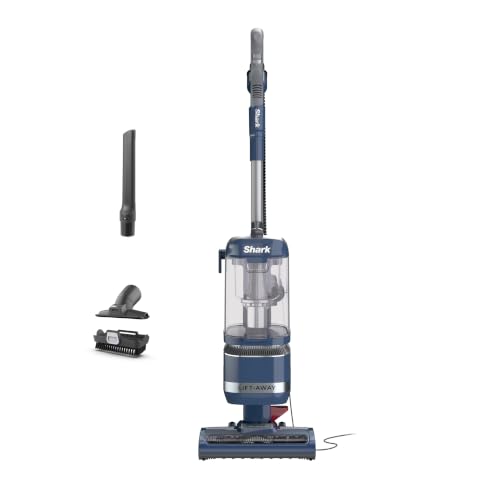


Bagged vs Bagless Vacuum: Comparison Table
This table is a summary only, and the detail behind each row sits in the sections below it. Use it to spot the two or three criteria that matter most in your home, then read those parts closely before you decide.
| Criterion | Bagged | Bagless Vacuum | Edge |
|---|---|---|---|
| Filtration | Bag adds a sealed layer | Relies on filters and seals | Bagged |
| Emptying | Lift out and bin the bag | Pour out an open dust cup | Bagged |
| Ongoing cost | New bags on a schedule | Filters only, no bags | Bagless |
| Capacity | About 3 to 4 quarts | About 1 to 2 quarts | Bagged |
| Upkeep | Swap a bag, little washing | Wash filters, wipe the cup | Bagged |
| Dirt visibility | Hidden inside the bag | Visible in a clear cup | Bagless |
What Is Bagged? What Is Bagless Vacuum?
Bagged overview
A bagged vacuum pulls dirt into a disposable bag that sits inside the body of the machine. The bag does two jobs at once: it stores the debris and it acts as the first stage of filtration, trapping fine dust inside its layered walls. When the bag fills up, you lift it out, drop it in the trash, and fit a fresh one. Many bags have a flap or collar that closes as you remove them, which keeps the collected dust sealed away from you and from the room air.
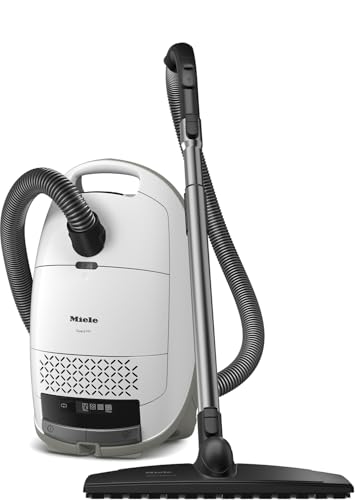
Because the bag itself filters the air stream, bagged designs often suit people who react to dust. Shoppers who want a classic example of the format in canister form can read our miele classic c1 review for a sense of how a bagged machine is laid out. Bagged models come as uprights, canisters, and even some stick designs, so the format is about dirt handling rather than body shape.
Bagless Vacuum overview
A bagless vacuum skips the disposable bag and collects dirt in a rigid plastic cup or bin. Most designs spin the air in a cyclonic chamber, which flings heavier debris outward so it falls into the cup while finer dust moves on to washable or replaceable filters. You empty the cup over a trash can, usually by pressing a latch that drops the bottom open. The cup is clear, so you can see at a glance how full it is and spot anything valuable you picked up by accident.
Bagless designs dominate the upright market, and our dyson ball animal 3 review shows the layout most buyers picture: a clear bin up front, a washable filter, and no consumable bags at all. The trade off is that the filters now do all the fine dust work the bag used to share, so they need regular attention to keep airflow strong.
Key Differences
Capacity: Bagged vs Bagless Vacuum
Capacity is where the gap is easiest to measure. A typical upright bag holds about 3 to 4 quarts of debris, and the porous walls let air keep passing as it fills, so the usable space is close to the stated size. A typical bagless cup holds about 1 to 2 quarts, and it has a marked fill line well below the rim because suction drops once dirt reaches the inner shroud. In practice, a bagged machine in an average home may go one to two months between changes, while a bagless cup often needs emptying after every one or two full house sessions.
Suction Performance
Both formats can deliver strong suction when new, and motor power matters more than the dirt format in a showroom test. The difference shows up over time. A bagged vacuum loses suction gradually and predictably as the bag fills, and a fresh bag restores full airflow at once. A bagless vacuum holds suction well while its filters stay clean, then falls off more sharply once fine dust coats the filter surface. If you tend to ignore maintenance, the bagged pattern of decline is more forgiving. If you rinse filters on schedule, bagless suction stays close to its best for years.
Ease of Use: Bagged vs Bagless Vacuum
Day to day handling splits in two directions. Bagless wins on visibility and spontaneity: you always know how full the cup is, you never discover mid clean that you are out of bags, and emptying takes seconds with no parts to buy ahead. Bagged wins on the emptying moment itself, since removing a sealed bag is a single tidy motion with no cloud of dust and no need to shake debris loose from a cup wall. Bagged owners do need to keep spare bags at home and remember which size their model takes, which is a small but real planning chore.
Cleaning and Upkeep
Cleaning the machine itself is the bagless format's main chore. Cups collect a film of fine dust that needs an occasional wipe or rinse, hair wraps around the inner cone, and the washable filter needs rinsing roughly every month and a full day to dry before it goes back. Skip that drying time and you trap moisture inside the machine. A bagged vacuum asks far less: there is no cup to wash, and the filters sit downstream of the bag, so they stay cleaner and need attention far less often. Your upkeep is basically the bag swap itself plus a quick check of the brush roll.
Noise
Noise levels overlap heavily between the two formats, and motor design and floor type matter more than the dirt container. That said, bagged machines often sound slightly softer in use, since the dirt sits inside an enclosed body that absorbs some sound, while the hollow plastic cup on a bagless model can echo and amplify the motor tone a little. The gap is small, usually a few decibels at most, so treat noise as a tie breaker rather than a deciding factor. If quiet matters most, compare the stated sound rating of each specific model instead of the format.
Safety and Warranty
The safety angle here is mostly about dust exposure. A bagged vacuum keeps allergens sealed from the moment they enter the machine until the bag reaches an outside bin, which is why many allergy households prefer bags. A bagless vacuum releases a small puff of fine dust at emptying unless you do it slowly outdoors or into a bag lined trash can. Warranty terms rarely differ by format, but read the fine print on filters: some brands exclude clogged filter damage, and using the correct bag type is often a condition on bagged models. Keep receipts and follow the stated change intervals either way.
Price and Value
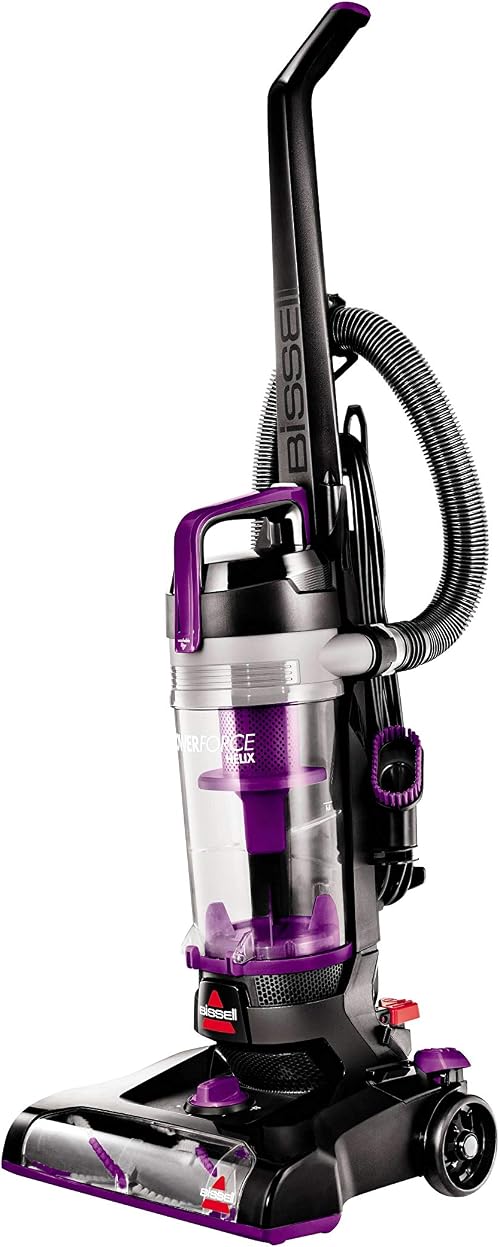
Sticker prices overlap, with plenty of capable models in both formats between about $100 and $400. The real split is running cost. Bags cost about $2 to $5 each, so a typical home spends about $20 to $50 a year on them. Bagless owners skip that bill but replace filters every year or two at about $10 to $30 a set, and a neglected filter can shorten motor life. Our bissell powerforce helix review covers one budget bagless upright where low running cost is the whole appeal. Over five years, the bagged premium is modest, so buy on hygiene and habits rather than on savings alone.
Which Should You Buy?
Choose Bagged if
- You or a family member has allergies or asthma and you want dust sealed away at emptying time.
- You clean a large home and dislike stopping to empty a small cup mid session.
- You prefer minimal machine upkeep and would rather swap a bag than wash filters.
- You vacuum up fine material like fireplace ash dust or drywall dust from small projects, which coats filters fast.
Choose Bagless Vacuum if
- You hate the idea of buying consumables and want running costs close to zero.
- You vacuum often in short bursts and like seeing exactly when the cup needs emptying.
- You have pets and go through debris fast, so a large bag would fill before its time.
- You want to spot and rescue small lost items, like earrings or screws, before they reach the trash.
Other Options to Consider
If neither upright format feels right, look at the body style rather than the dirt system. Canister vacuums come in both bagged and bagless versions, and they put the weight in a separate unit that rolls behind you, which suits stairs and furniture heavy rooms. Robot vacuums are a different compromise again, trading deep cleaning power for daily automatic passes. Either way, the dirt handling choice stays the same, so settle the bag question first and the body style second.
FAQs
Is Bagged better than Bagless Vacuum?
Neither format is better for every home, and the honest answer depends on what you dislike more: buying bags or washing filters. Bagged machines give cleaner emptying and steadier filtration with very little effort from you. Bagless machines remove the consumable cost and show you the dirt level at all times. If two models sit in the same price band and clean equally well on your floors, let your allergy needs and your maintenance habits make the final call.
What is the main difference between Bagged and Bagless Vacuum?
The main difference is where the dirt waits between cleanings and who does the filtering work. In a bagged machine the disposable bag stores debris and filters the air in one step. In a bagless machine a plastic cup stores the debris while separate filters handle the fine dust. That single design choice explains every other difference in this guide, from emptying style to running cost to how much upkeep each machine asks of you each month.
Which is easier to clean, Bagged or Bagless Vacuum?
Cleaning the vacuum itself is easier with a bagged model, since there is no dusty cup to wipe out and the filters stay sheltered behind the bag. One extra tip for bagless owners: empty the cup outdoors or hold it deep inside a tall trash bag, and tap the sides gently rather than shaking it, which keeps the dust cloud down. Wiping the cup with a slightly damp cloth once a month also stops the static film that makes fine dust cling to the walls.
Which lasts longer, a Bagged or a Bagless Vacuum?
Lifespan depends more on motor quality and care than on the dirt format, and both styles commonly serve five to eight years in normal home use. The failure pattern differs, though. Bagless motors suffer when clogged filters force them to run hot, so filter neglect is the usual early killer. Bagged machines more often die from unrelated wear, like belts and brush rolls. Either format rewards the same habit: fix small airflow problems early instead of letting the motor strain for months.
The Bottom Line
The bagged vs bagless vacuum decision is really about dirt handling, not cleaning power. Pick bagged for sealed, hygienic emptying and low upkeep, and pick bagless for zero bag cost and a clear view of the cup. Look back at the product table above, weigh the two or three rows that match your home, and check the guide to the best upright vacuum picks before you order. Prices and availability can change, so check the product page before ordering.