Best Budget Upright Vacuums: Types Compared and Buying Guide for 2026
Disclosure: We may earn a commission when you buy through links on this page, at no extra cost to you. As an Amazon Associate I earn from qualifying purchases. Learn more

Bagless, swivel or lift away? Compare dirt capacity, cleaning power and running costs to find the best budget upright vacuum for your home.
A low price only saves you money when the vacuum still cleans well, empties without fuss, and holds up to weekly use. The challenge with a best budget upright vacuum is knowing which corners the maker cut to reach that price, and whether those cuts matter in your home. Some cheap models lose suction fast or cost you more later in bags, belts, and filters.
This guide compares the main budget upright types by dirt capacity, cleaning performance, ease of use, and running costs, so you can match a type to your rooms instead of chasing the lowest tag. Start with the comparison table below.





Budget Upright Types at a Glance
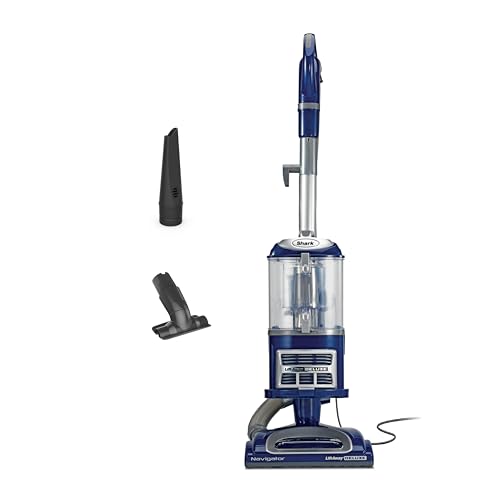
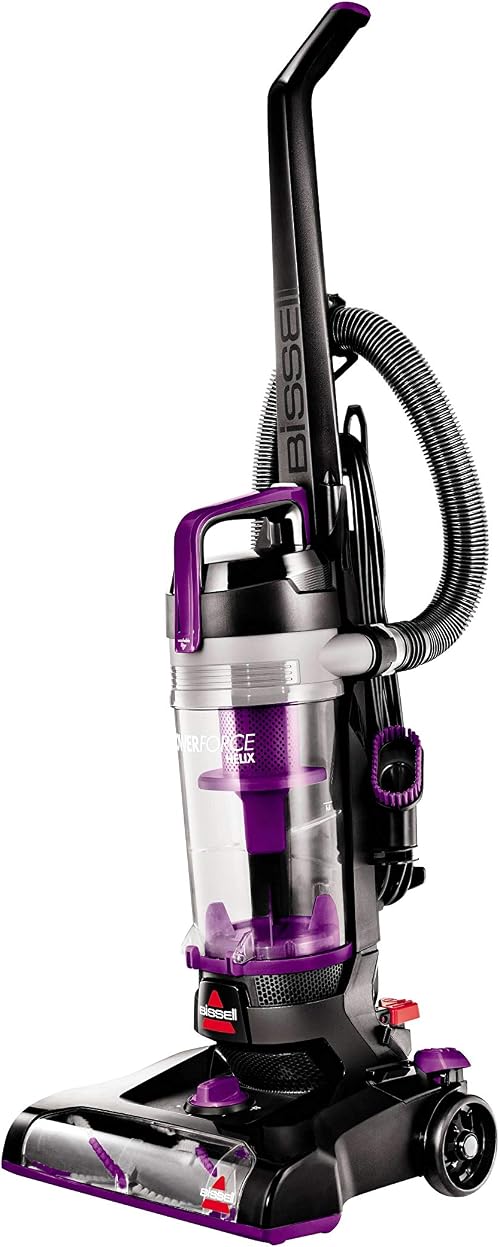
Budget uprights fall into three broad types. A simple bagless corded model costs the least and suits mostly carpeted rooms. A swivel steering model adds easier movement around furniture for a modest step up in price. A lift away model with sealed filtration costs the most in this group, but it cleans stairs and shelves without dragging the whole machine along.
None of these types needs an app, a battery pack, or a charging dock, and that simplicity is part of their value. To see what higher prices buy, our guide to the best upright vacuum covers the wider market.
Three Budget Upright Types Compared
Simple Bagless Corded Uprights for the Lowest Cost
This type gives you a motor, a brush roll, and a clear dirt bin in a basic upright body, with a cord of about 25 to 35 feet. It suits small homes where storage is tight and most floors are carpet or rugs. Cleaning is strongest on carpet, where the brush roll agitates the pile, and weaker on large debris on hard floors, which the head can push ahead of itself. Running costs stay low because there are no bags to buy, though you will replace the belt and wash the foam filter on a schedule.
Swivel Steering Bagless Uprights for Mixed Floors
A swivel head turns with a twist of your wrist, so the vacuum slips around chair legs and along baseboards with less pushing. This type often adds a brush roll shutoff, which lets you cross hard floors without scattering grit. It suits homes that mix carpet in bedrooms with tile or wood in living areas, and it pairs well with an upholstery tool for fabric. Expect to pay a little more than the simplest type, and check bin size, since compact swivel bodies often hold less dirt.
Lift Away Uprights With Sealed Filtration as the Upgrade Type
On a lift away model the canister lifts off the base and rides in your hand, turning a length of hose into a tool for stairs, curtains, and car interiors. Better versions seal the air path and fit a HEPA filter, which traps fine dust inside the machine instead of blowing it back into the room. That matters if anyone at home reacts to dust or pollen. This type costs the most among budget uprights and weighs more in full form, so weigh the filtration and reach against your strength before you pay the difference.
How the Types Were Chosen
Budget uprights are grouped by the factors that change your cleaning most: dirt capacity, cleaning performance, ease of emptying, noise, safety listings, and warranty length. The comparison relies on manufacturer specifications and verified buyer feedback about suction loss and clogging, rather than headline motor numbers. A type earned its place only when its strengths matched a clear home situation and its running costs stayed low.
Who Should Buy Which Budget Upright?
Renters and Small Homes Watching Every Dollar
If you clean a studio or a small apartment, a simple bagless corded upright covers your needs without paying for reach or tools you will rarely use. Your floors are close together, so a shorter cord and a small bin are minor issues. Choose a compact body that fits a closet, and put the money you save toward a spare filter so one can dry while you use the other.
Families Who Need Low Running Costs
A busy family home fills a dirt bin fast and wears belts and filters faster than a quiet household does. Look for a larger bin, a washable foam filter, and a brush roll you can remove without tools, since those details decide what the vacuum costs you each year. A swivel model earns its price here because faster passes around furniture shorten every session. Avoid types that need pricey bags unless someone at home prefers bagged cleaning for dust control.
Pet Owners on a Budget
Hair changes the math on a cheap vacuum, because hair wraps the brush roll, fills the bin, and loads the filter sooner than ordinary dirt. Prioritize a wide cleaning path, strong suction at the head, and attachments for upholstery and stairs where hair collects. Our guide to the best upright vacuum for pet hair goes deeper on hair specific tools. Plan to clear the brush roll often, since budget models rarely cut hair away for you.
How to Choose the Right Upright Vacuum
Type: Bagged, Bagless, Corded, and Lift Away
Bagless models cost less to run and show you when the bin is full, but emptying one can puff dust back into the air. Bagged models hold more dirt and keep emptying tidy, yet bags add a steady yearly cost that can erase a low purchase price. The comparison in bagged vs bagless vacuum walks through that trade in detail, and our roundup of the best bagless upright vacuum shows what the bag free route offers at higher prices. Nearly all budget uprights are corded, which gives steady power with no battery to replace later. Lift away is a body style rather than a power source, and it adds stair reach to either bag style.
Features Worth Paying For
A HEPA filter inside a sealed body is worth paying for if dust bothers anyone at home, because a loose body leaks unfiltered air around a good filter. A brush roll shutoff protects hard floors and stops scatter, and a hose that stretches to about 8 to 12 feet makes stairs realistic without the lift away design. Swivel steering reduces strain during long sessions. Skip features that add failure points at this price, such as powered mini heads with their own motors or scent cartridges that need regular replacement.
Wattage, Power, and Energy Use
Motor wattage tells you how much power the vacuum draws, not how strongly it pulls dirt from carpet. Suction and airflow at the head, plus brush roll design, decide cleaning results, and makers rarely publish comparable suction figures for budget models. Treat very high watt claims with skepticism and lean on verified buyer reports instead. A corded upright uses modest electricity per session, so energy cost is minor next to bags, filters, and belts.
Safety Features and Certifications
Look for a UL or ETL listing, which means an independent lab has checked the electrical safety of the design. A thermal shutoff that stops the motor when airflow blocks and the motor overheats protects the machine and your home, and it is common even at budget prices. Unplug the vacuum before you clear any blockage. Never use a standard indoor upright on wet floors or on flammable material such as ashes.
Storage Space and Dimensions
Measure your storage spot before you buy, since budget uprights rarely fold for compact keeping. Most stand about 42 to 46 inches tall and need a footprint near 12 to 14 inches in each direction, plus room for the cord hooks. Weight runs from about 10 to 18 pounds, and heavier lift away bodies feel it most on stairs. A model that parks securely without leaning saves space and prevents falls that crack plastic housings.
How Much Should You Spend?
Under about $100 you get the simple bagless type, basic filtration, and a smaller tool set, which is fair for apartments and mostly carpeted rooms. Between about $100 and $150, expect swivel steering, a brush roll shutoff, and larger bins. Between about $150 and $200, sealed HEPA filtration and lift away designs appear, along with longer warranties. Spending about $200 to $300 leaves strict budget territory, so step up only when filtration or reach solves a real problem in your home.
Budget Uprights Compared With Other Options: Pros and Cons
The strongest case for a budget upright is simple value. You get full size carpet cleaning, steady corded power, and parts you can replace yourself, for far less than premium uprights or cordless models. Against a canister, an upright stores in less floor space, though the comparison in upright vs canister vacuum shows where canisters win on stairs and bare floors.
- Pros: low purchase price, low running costs on bagless types, strong carpet agitation, and easy closet storage.
- Pros: corded power never fades mid session, and belts, filters, and hoses are widely available and simple to fit.
- Cons: filtration and build quality trail premium models, noise is often higher, and cords limit your range.
- Cons: most budget uprights are heavy to push on thick carpet and offer few height settings.
Care and Maintenance That Keeps Suction Strong
Empty the dirt bin when debris reaches the fill line, since an overfull bin blocks airflow and strains the motor. Rinse washable foam filters with water only, let them dry fully for about a day, and keep a spare so the vacuum stays in service. Our step by step guide on how to clean an upright vacuum covers the full routine.
Check the belt when the brush roll stops turning or you smell warm rubber, and replace a stretched belt rather than forcing the machine to work harder. Store the vacuum indoors away from damp, which swells foam filters and corrodes metal fittings over time.
FAQs
What is the best budget upright vacuum for a home with thick carpet?
Choose a type with manual height adjustment, since a fixed head can bog down on deep pile or ride too high to pull out embedded grit. Raise the head until the brush roll contacts the pile without slowing, then check a full pass for clean lines in the carpet. Strong airflow matters most here.
Are budget upright vacuums worth it for everyday cleaning?
Yes, for most homes a budget upright covers weekly carpet and floor cleaning without the cost of premium extras. The savings hold up when you pick a type with washable filters and common belts, because ownership cost stays low for years. Spend more only when a specific need appears, such as dust sensitivity or stairs that call for a lift away body.
How long does a budget upright vacuum usually last?
Many budget uprights serve about five to eight years with basic care, and the motor is rarely the part that ends their life. Belts snap, hoses split at the cuffs, and plastic latches wear first, so models with replaceable hoses and standard belts tend to survive longest. Clearing blockages promptly, before heat builds in the motor, also extends its working life.
Can a budget upright vacuum clean stairs well?
A plain upright is awkward on stairs because the body is tall and the hose is often short, so you balance the machine on a step while you work. A lift away type solves this by letting you carry only the canister and the tool. With a fixed body model, check that the hose stretches enough to cover several steps from a stable base on the landing.
How do you clean an upright vacuum hose that has lost suction?
Detach the hose at both ends and look through it toward a light source, since a dark block shows where debris has packed together. Push a broom handle through gently to shift the clog, then shake the hose outdoors before refitting it. A sock, a clump of hair, or a small toy causes most blockages, and checking the hose first saves an unnecessary repair bill.
Final Thoughts
The right choice depends on your floors, your storage, and what the machine will cost you after the first year, not on the longest feature list. Match the type to your home: simple bagless for small carpeted spaces, swivel steering for mixed floors, and lift away with sealed filtration when dust or stairs shape your cleaning. Compare your shortlist in the product table above, confirm the filter and belt costs, and the best budget upright vacuum for your home becomes an easy pick.