
Best Commercial Carpet Cleaners in 2026: 3 Top Picks + Buying Guide
Disclosure: We may earn a commission when you buy through links on this page, at no extra cost to you. As an Amazon Associate I earn from qualifying purchases. Learn more
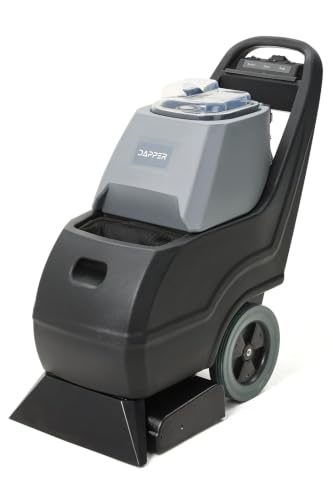
Choose the best commercial carpet cleaner by format, tank capacity and suction, from walk behind extractors to compact spot machines.
Choosing a carpet cleaner for a business is a different job from choosing one for a hallway at home. The machine has to cover large areas, run often, survive staff handling, and keep working during your busiest weeks. This guide to finding the best commercial carpet cleaner compares the main commercial formats on tank capacity, cleaning power, and ease of use, so you can match a machine to your floors instead of guessing.
The comparison table below sums up the three formats at a glance. If your workload is light and mostly at home, our guide to the best carpet cleaner covers household models instead. Read on for the criteria that separate a true commercial machine from a home unit in a larger box.





Commercial Carpet Cleaner Types at a Glance
Commercial extractors fall into three broad formats. Walk behind machines push like a lawn mower and clean wide paths in open rooms. Box and wand extractors pair a tank unit with a separate wand, which reaches stairs, corners, and upholstery. Compact spot machines trade tank size for light weight and fast setup on small messes. Capacity, cleaning path width, and ease of use differ sharply between them, and the next section compares each format on the work it handles best.
Three Commercial Formats Compared
Walk Behind Extractors for Large Open Floors
This format suits hotels, offices, schools, and event venues with broad carpeted areas that need cleaning on a set schedule. Solution tanks commonly hold about 10 to 20 gallons, so staff refill far less often than with a home unit, and cleaning paths are wide enough to finish a ballroom or a long corridor in steady passes. The trade off is size and cost. These machines are heavy, need real storage space, and ask for a trained operator who can keep an even pace. For a facility team measured on rooms finished per shift, this is usually the most productive choice.
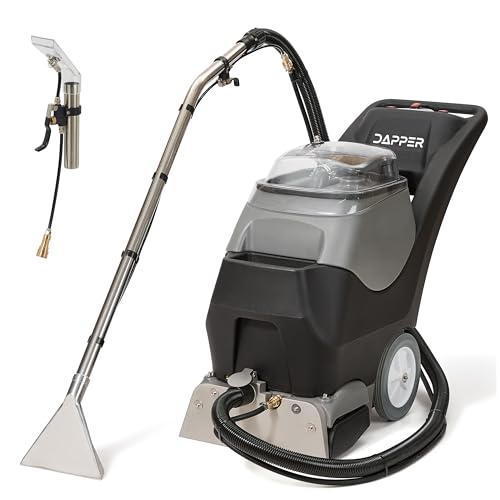
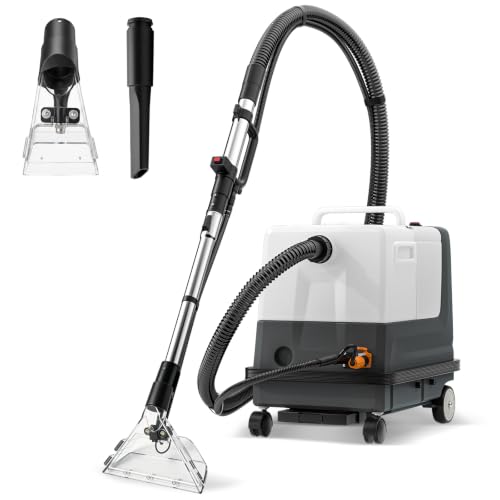
Box and Wand Extractors for Detail Work
A box and wand setup keeps the tank and pump in one unit while the operator works a separate wand at the end of a hose. That split design reaches stairs, edges, and tight rows of seating that a walk behind machine cannot touch, and an upholstery tool turns the same unit toward chairs and booths. Cleaning contractors like this format because one machine covers both open floors and detail jobs across different client sites. The wand work is slower and more physical, though, since every pass is done by hand and the operator manages the hose as they move.
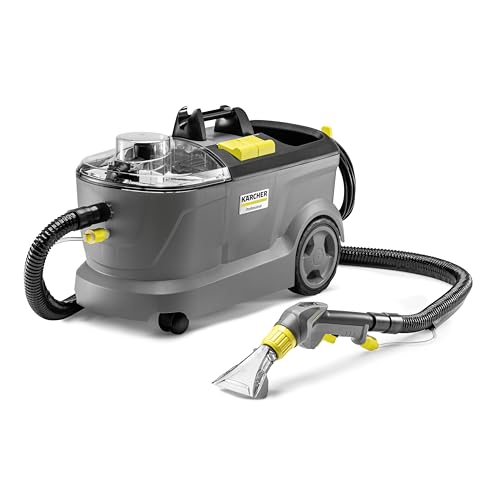
Compact Spot Machines for Fast Response
Small extractors earn their place where spills and tracked in dirt appear daily, such as restaurants, clinics, rental desks, and small retail floors. Tanks are small, often around 1 to 3 gallons, but the machine is light, sets up in minutes, and stores in a closet corner. Staff can treat a spill before it sets instead of waiting for a scheduled deep clean. If portability matters more than commercial duty parts, compare our guide to the best portable carpet cleaner as well. Just know a compact unit is a response tool, not a substitute for scheduled whole floor extraction.
How to Compare Commercial Carpet Cleaners
Judge commercial models on six criteria: tank capacity, cleaning performance on ground in soil, ease of use for staff with mixed experience, cleaning speed across large areas, noise during business hours, and safety features plus warranty support. Maker data sheets and buyer feedback from facility teams and contractors help here. A machine scores well when its features fit commercial duty: frequent runs, long sessions, and parts that a service shop can actually obtain.
How to Choose the Right Carpet Cleaner
Start with your floor plan and your calendar, not with a feature list. Measure the carpeted area, note how often each zone needs cleaning, and learn how to use a carpet cleaner with proper passes and drying time before you buy, since technique affects results as much as the machine does. Then work through the factors below.
Type
Match the format to the layout first. Open floors with few obstacles reward a walk behind machine, while mixed spaces with stairs, elevators, and furnished rooms favor a box and wand unit that follows the operator. Portable spot machines fit sites where messes are small but constant. Hot water extraction is the standard commercial method, since heated solution loosens oily soil that cold water leaves behind. Picking the wrong type costs you every week, because staff end up fighting the machine instead of cleaning with it.
Features Worth Paying For
Heated cleaning tops the list for commercial work, because hot solution breaks down grease in entryways and dining areas. Separate clean and dirty tanks matter too, since you never spray used water back onto the carpet, and larger tanks cut refill stops during a shift. An upholstery tool extends one machine to seating, and a dedicated pet stain tool helps venues that allow animals; for urine problems in particular, see our guide to the best carpet cleaner for pet urine. Pay for these before cosmetic extras.
Power and Energy Use
Commercial extractors draw serious current, and many need a dedicated circuit so the vacuum motor, pump, and heater can run together without tripping a breaker. Check the amp rating against the circuits in the rooms you clean, especially in older buildings. Strong suction matters more than headline wattage, because pulling more solution back out shortens drying time and leaves less residue to attract new soil. Energy use adds up across daily runs, so a machine that cleans in fewer passes often costs less to operate than a cheaper unit that needs three.
Safety Features and Certifications
Look for a UL or ETL listing, which confirms the machine met recognized electrical safety standards. A ground fault protected plug or circuit is worth having anywhere water and electricity meet, and it matters even more in public buildings. Cords should be long, bright, and replaceable, since a damaged cord is the most common electrical hazard on cleaning equipment. Train every operator on cord placement and wet floor signs, because most workplace incidents around extraction involve slips and trips rather than the machine itself.
Floor Space and Dimensions
Home guides talk about counter space, but the commercial version of this question is closet space, door width, and elevator access. Measure your storage room and the narrowest doorway on the cleaning route, then compare both against the machine footprint and turning space. A unit that lives near the floors it cleans gets used on schedule, while one stored across the building gets skipped. Weight matters for the same reason: a machine one staff member cannot load into a van will sit unused at multi site jobs.
How Much Should You Spend?
Budget honestly for the duty level. The under $100 to under $300 brackets buy home spot cleaners, not commercial machines, and they rarely survive daily business use. Compact commercial spot units often run about $300 to $800. Box and wand extractors commonly land around $800 to $2,500, while walk behind models can reach about $2,500 to $5,000 or more. Higher prices mainly buy tank size, stronger suction, and parts support. Spending one tier up usually beats replacing a worn out light duty machine within a year.
Commercial vs Other Carpet Cleaners: Pros and Cons
A commercial extractor gives you larger tanks, stronger suction, motors rated for long daily runs, and replaceable parts backed by service networks. It also costs more, weighs more, and needs storage and basic staff training. A home upright costs less and stores easily, but its small tanks and light duty motor fall behind fast in a business setting, and heavy use can void assumptions behind a household warranty. A rented machine suits a once a year deep clean, yet rental fees pass ownership cost quickly if you clean monthly. If you are weighing heat and steam claims, our comparison of carpet cleaner vs steam cleaner explains where each method actually fits.
- Pro: tanks sized for whole floors, so fewer stops and faster shifts
- Pro: suction that shortens drying time in rooms guests or staff reuse
- Pro: parts, hoses, and cords that can be replaced instead of discarding the unit
- Con: purchase price several times higher than a home model
- Con: weight and footprint that demand storage planning and training
FAQ
What is the best commercial carpet cleaner?
The right answer depends on your floor layout, since format matters more than any single feature. Open areas point to a walk behind extractor, mixed spaces with stairs point to a box and wand unit, and spill heavy small sites point to a compact spot machine. Whichever format fits, choose the unit in it with the strongest suction, the largest tank your storage allows, and parts you can source locally. A machine your team can service quickly beats a stronger one that waits weeks for a hose.
Are commercial carpet cleaners worth it?
They are worth it when carpet cleaning is a recurring business cost rather than an occasional chore. Add up what you now pay for rentals or outside cleaning visits across a year, then compare that total with ownership plus solution and upkeep. Most sites that clean monthly or more often come out ahead, and they also gain scheduling freedom, since the machine is available the night a spill happens. Sites cleaning once a year usually save money by renting instead.
How long does a carpet cleaner last?
A commercial unit in regular service often lasts about five to ten years, with the wide range set by run hours and upkeep. Pumps and vacuum motors wear first, so models with replaceable parts and available service manuals reach the long end of that range. Flushing the system, emptying tanks after use, and storing the machine dry all slow wear. Light duty home machines used commercially tend to fail far sooner, which is why duty rating matters more than purchase price here.
Is a carpet cleaner worth it for a small business?
For a small business, the deciding factor is foot traffic, not company size. A cafe, salon, or clinic waiting room shows soil fast, and a compact commercial spot machine lets staff respond the same day instead of living with stains until a contractor visit. Ownership also protects your image, since guests judge cleanliness the moment they step in. If your floors are mostly hard surface with one small rug, a professional visit twice a year is the simpler spend.
How do you clean a carpet cleaner?
Rinse both tanks after every use, flush clean water through the hose and wand until it runs clear, and wipe the brush and suction path free of lint and hair. Let every part dry fully before storage so odors and mildew never start inside the machine. Check filters and spray jets weekly for clogs, since a blocked jet leaves stripes on the next job. Our full walkthrough on how to clean a carpet cleaner covers deep cleaning steps and storage in detail.
What is the most reliable commercial carpet cleaner brand?
Reliability in this category tracks service support more than a name. The safest brands publish parts diagrams, stock hoses and pumps for years, and keep dealers or service centers within reach of your sites. Before buying, search for the replacement parts your model will need and confirm they are in stock at normal prices. A brand with a strong local service network will keep your machine running longer than a famous name with no support near you, whatever its logo.
Final Thoughts
Match the format to your floors, size the tank to your longest shift, and buy parts support along with the machine. The product table above pulls the comparison together so you can shortlist with confidence. When you choose the best commercial carpet cleaner for your site, you trade a higher purchase price for faster cleaning, shorter drying times, and equipment your team can rely on every single week.

