
Best Commercial Treadmills for Home: Gym Grade Durability for 2026
Disclosure: We may earn a commission when you buy through links on this page, at no extra cost to you. As an Amazon Associate I earn from qualifying purchases. Learn more

Bring gym grade durability home: compare the best commercial treadmills for home by motor, belt, noise, space and warranty.
Choosing the best commercial treadmills for home is about bringing gym grade durability into a room that was never built like a gym. Commercial style machines usually offer stronger motors, wider belts, sturdier frames, and longer warranties than light home models. This guide explains how to compare those strengths without overbuying, and how to match a machine to your space, your walking or running routine, and your budget.
You will learn how motor power, belt size, cushioning, incline, console features, and noise interact in daily use. You will also see how types differ, what care keeps a heavy machine running well, and which questions to ask before delivery day. Measure your room first, since a commercial style treadmill needs floor space, ceiling clearance, and a safe path around the belt.
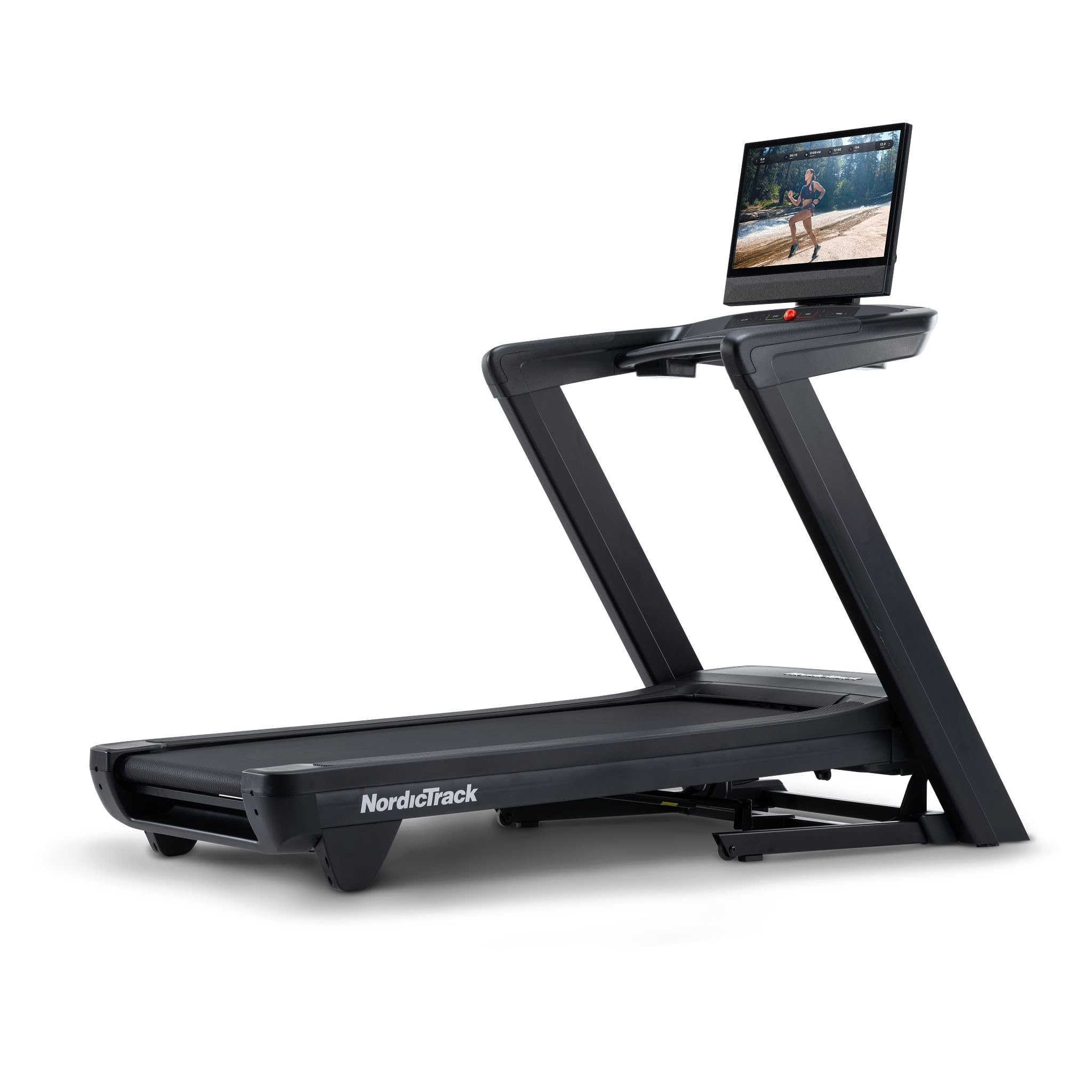
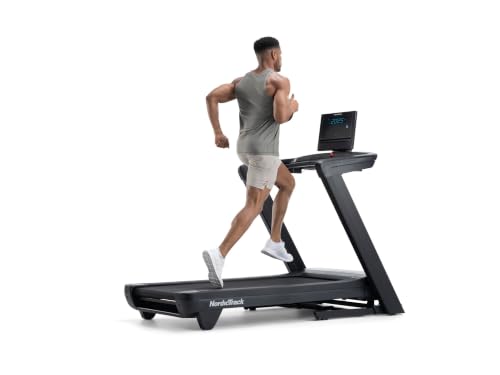
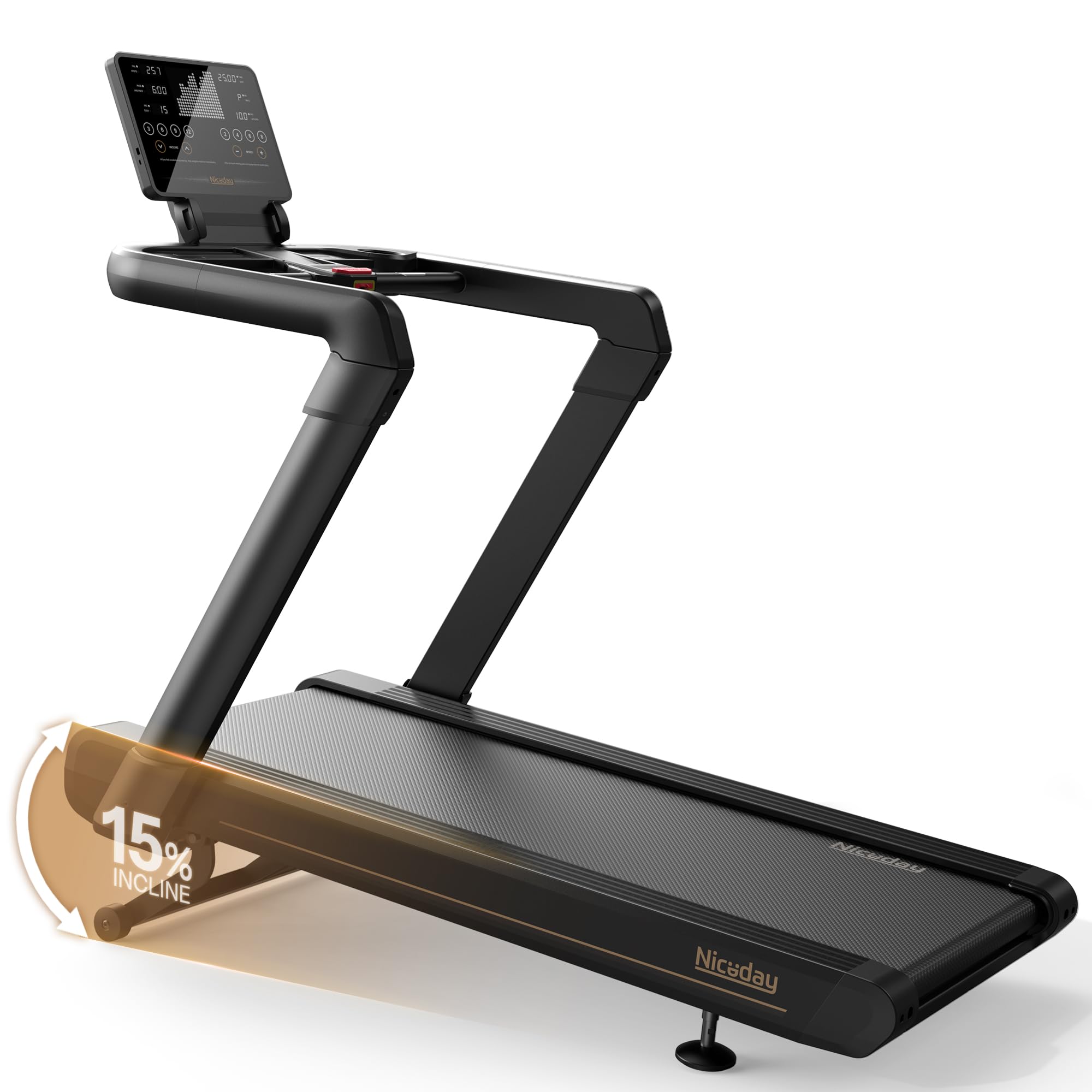
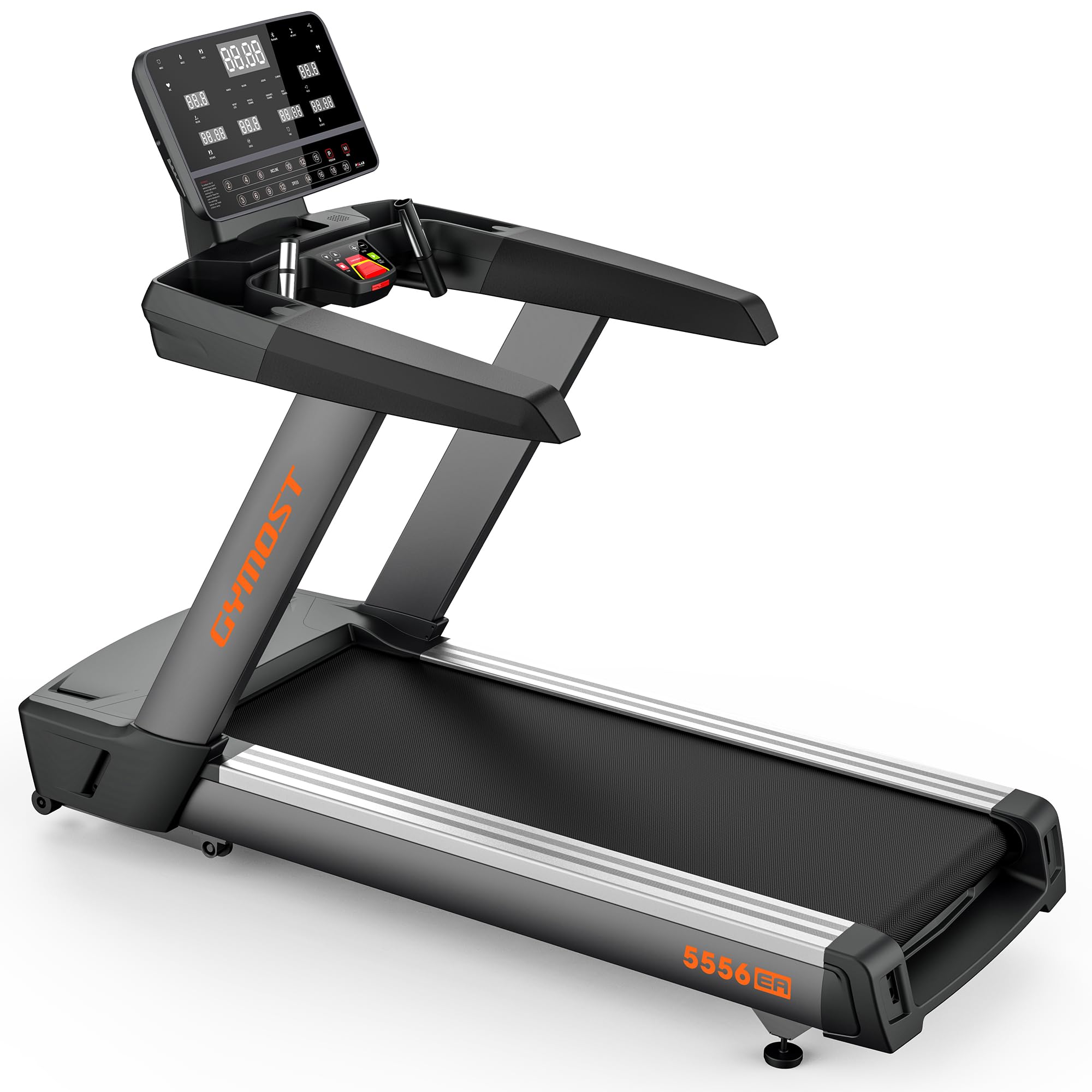
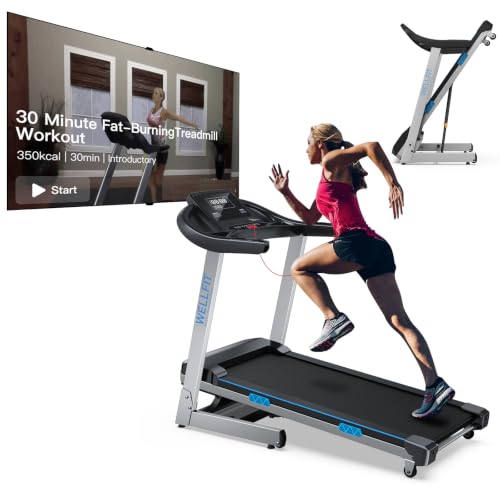
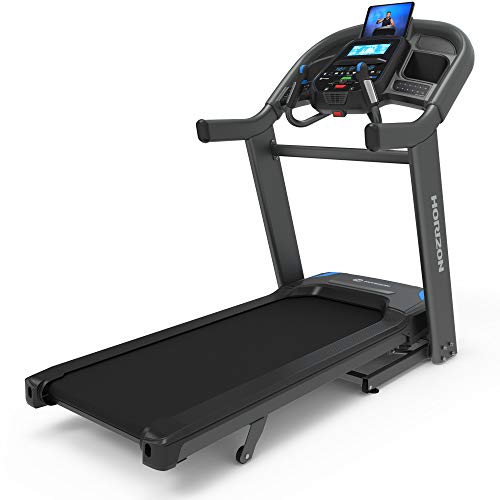


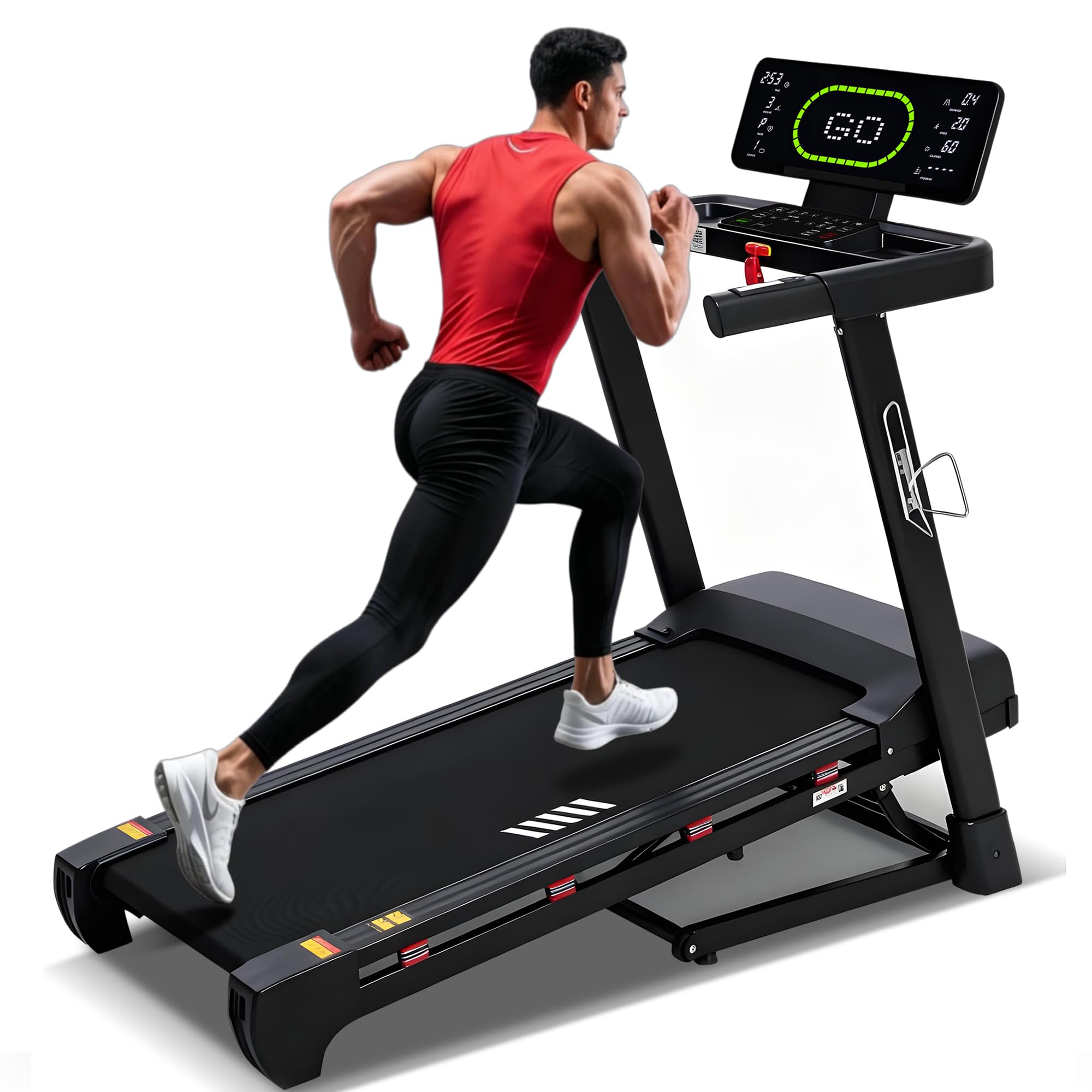

Who Benefits From a Commercial Grade Home Treadmill
Daily runners benefit most, since a stronger motor and a wider belt handle repeated high speed use with less strain. Walkers who use the machine every day also benefit, especially taller users who need a longer belt for a natural stride. Households with more than one regular user gain from a sturdier frame and a higher weight capacity, since the machine must hold up across many sessions each week.
Apartment dwellers need to weigh durability against noise and floor load. A commercial style frame is heavier, which can help stability, but foot strike noise still travels through floors. Look for good cushioning, a mat under the machine, and a motor that runs smoothly at your usual speed. If your ceiling is low, check head clearance carefully, since incline adds height and a tall user needs room above the belt.
Budget focused buyers may still prefer a lighter home model if use is occasional or limited to gentle walking. Commercial style machines cost more up front and take more space, so the extra durability only pays off with frequent use. If you plan to run several times a week for years, the stronger build, longer belt, and better warranty often make more sense than replacing a light machine sooner.
How to Choose the Best Commercial Treadmills for Home
Start with your routine, then match the machine to it. A walker needs less motor power than a runner, while a runner needs a longer belt, stronger cushioning, and a motor that stays cool at higher speeds. A household with mixed use should size for the heaviest and tallest user, not the average user. Check the product table above after this section to compare the tradeoffs side by side.
Space, Footprint, and Ceiling Height
Measure the full footprint, plus clearance behind the belt for safe stops and clearance on each side for stepping off. Allow extra ceiling height for incline use, since raising the front of the belt lifts the user higher. A folding frame can help in a small room, but commercial style folding models are still heavy and need a clear path to fold safely. Keep children and pets away from the machine, especially around the moving belt and the rear roller.
Motor Power and Belt Size
Motor power, often listed in horsepower, affects how smoothly the belt runs under load and how well it handles speed changes and incline. Runners generally need a stronger continuous duty motor than walkers, while heavier users also benefit from extra power. Belt width affects comfort and safety, since a narrow belt forces a careful stride, while belt length affects taller users most. About 20 inches wide and 60 inches long suits many runners, while walkers can often use a shorter belt.
Warranty for Frame, Parts, and Labor
Warranty terms reveal how much confidence the maker has in the frame, motor, belt, and electronics. Frame and motor coverage often lasts longest, while parts and labor coverage is shorter. Read what counts as normal wear, since belts, decks, and lubrication are often treated as maintenance items. A long frame warranty matters little if labor coverage is very short, so compare all three parts of the warranty before deciding.
Noise Level for Apartments
Noise comes from the motor, the belt, foot strikes, and vibration through the floor. A smooth motor and good cushioning reduce machine noise, but foot strike sound still depends on running style and flooring. A thick mat, a ground floor room, or a room away from bedrooms helps most. Test at your usual speed if possible, and ask neighbours or household members about sound transfer before choosing a heavy commercial style model for an upper floor.
Assembly and Portability
Commercial style treadmills are heavy and often arrive in large boxes that need two people to move. Check whether delivery includes room placement, and whether assembly help is available. Wheels help with small moves, but they do not make a heavy machine easy to carry up stairs. Leave a clear path from the door to the room, measure doorways and turns, and keep the manual for belt tension and lubrication steps.
Stride Length, Range of Motion, and Ergonomics
Stride length depends on height, speed, and running style, so taller and faster users need longer belts. Handrails should feel secure without forcing an awkward arm position, and the console should sit at a comfortable eye height. Cushioning changes how each step feels, with softer decks easing joint impact and firmer decks feeling more like outdoor running. Try the machine at walking and running speeds if you can, since a deck that feels good while walking may feel different at a run.
Console, Programs, and App Connectivity
Consoles range from simple speed and incline controls to large screens with built in programs and app links. Built in programs can add variety, while app connectivity can add classes, tracking, and entertainment. Check whether a subscription is required for full features, since some programs lock key content behind a monthly fee. A simple console often lasts longer and costs less to repair, while a smart console adds convenience that some users value highly.
See our guide to best treadmills for home for a broader look at console and program choices across home models.
Types of Commercial Treadmills for Home
Commercial grade models offer the strongest frames, motors, and belts, and they suit daily runners and multi user households. They take the most space and cost the most, but they also tend to carry the longest frame and motor warranties. Compact and foldable models trade some belt length and motor strength for a smaller footprint, which suits smaller rooms and lighter use.
Smart connected models add screens, programs, and app features on top of a commercial style build. They suit users who want guided workouts and tracking, but they may need a subscription for full access. Budget starter models look commercial in style but use lighter motors and shorter belts, so they suit gentle walking and occasional jogging rather than daily running. Match the type to your weekly mileage, not to a single impressive spec.
See our guide to best home treadmills for walking if your main use is daily walking, since walking focused models often need less motor power and a shorter belt. For a gym style setup, see our guide to best treadmills for home gym, which covers how a treadmill fits alongside other equipment in a dedicated room.
Care and Maintenance Tips
- Use a mat to protect floors, reduce noise, and catch dust under the machine.
- Wipe down the belt, deck edges, and console after each workout to remove sweat and dust.
- Tighten bolts monthly and check belt alignment, since a drifting belt wears unevenly.
- Lubricate the belt on the maker schedule, using only the lubricant type the maker specifies.
- Keep the area around the belt clear, and never let children or pets play on or near the machine.
- Start with lower speed and incline and build gradually, especially after a break from exercise.
See a doctor before starting a new exercise routine, especially if you have a heart condition, joint problems, or other health concerns. Keep children and pets away from moving belts at all times, and use the safety key as directed. Unplug the machine before cleaning under the belt or performing maintenance, and call a qualified technician if the belt slips, the motor smells hot, or the frame makes new noises.
Frequently Asked Questions
Is a commercial treadmill for home better for beginners?
A commercial treadmill for home is better for beginners only when the beginner plans to use it often and wants a stable, roomy belt. Beginners who walk gently a few times a week may do just as well with a lighter home model that costs less and takes less space. A commercial style machine helps most when the user is tall, heavy, or plans to progress to running. Start slowly, learn the safety key and stop controls first, and build speed and incline gradually.
Is a subscription required for a commercial treadmill for home?
A subscription is not always required for a commercial treadmill for home, since basic speed, incline, and manual programs usually work without one. Some smart consoles lock guided classes, scenic routes, and detailed tracking behind a monthly fee, so check what stays free before buying. If you prefer simple workouts, a basic console avoids ongoing costs entirely. If you value classes, factor the subscription into the yearly cost before comparing machines.
How much space does a commercial treadmill for home need?
A commercial treadmill for home needs its full footprint plus clearance behind the belt, space on each side, and extra ceiling height for incline use. Measure the room, doorways, and turns on the delivery path before ordering, since these machines are heavy and hard to move. A folding frame helps with floor space, but it does not reduce ceiling needs or delivery size. Leave a clear safety zone around the belt so you can step off safely at any time.
How long does a commercial treadmill for home last?
A commercial treadmill for home can last many years with regular use when the belt is lubricated, bolts are checked, and the machine is kept clean and dry. Daily running wears belts and decks faster than gentle walking, so lifespan depends on mileage, user weight, and care. Watch for belt fraying, deck wear, and motor strain, and replace worn parts on the maker schedule. A strong frame warranty helps, but routine care decides how long the moving parts actually last.
Is a commercial treadmill for home quiet enough for an apartment?
A commercial treadmill for home can be quiet enough for an apartment when it has a smooth motor, good cushioning, and a mat under the frame. Foot strike noise still travels through floors, especially at running speeds, so upper floor use needs extra care. Walk first, test at your usual speed, and consider a ground floor room or a room away from bedrooms. If noise is a strict limit, a walking focused model with a softer deck may suit an apartment better.
Final Thoughts
Choose by routine first, room second, and extras last. A strong motor, a belt that fits your stride, and a warranty that covers frame, parts, and labor matter more than a large screen or a long program list. Use the product table above to compare those core factors, then check delivery size, ceiling height, and subscription costs before ordering. If you want a lower cost comparison, see our guide to best affordable treadmills for home.
When you find best commercial treadmills for home that fit your room and your weekly routine, start gradually, keep up with belt care, and keep children and pets clear of the moving belt.


