
Best Commercial Treadmills for Gyms: A Buyer Checklist for 2026
Disclosure: We may earn a commission when you buy through links on this page, at no extra cost to you. As an Amazon Associate I earn from qualifying purchases. Learn more

Facility buyers: compare the best commercial treadmills for gyms by motor strength, belt size, weight capacity, service cover and price band.
A treadmill on a gym floor can log more miles before lunch than a home unit sees in a month, so small spec gaps turn into breakdowns fast. This checklist walks through the best commercial treadmills for gyms the way a facility buyer would judge them: duty first, comfort second, screens last.
One honesty note before the checklist starts. A treadmill is a training aid that supports the work your members choose to do, and it promises no fitness result by itself. Buy for steady daily duty, safe use, and parts you can actually get, and the machine will serve the floor well for years.


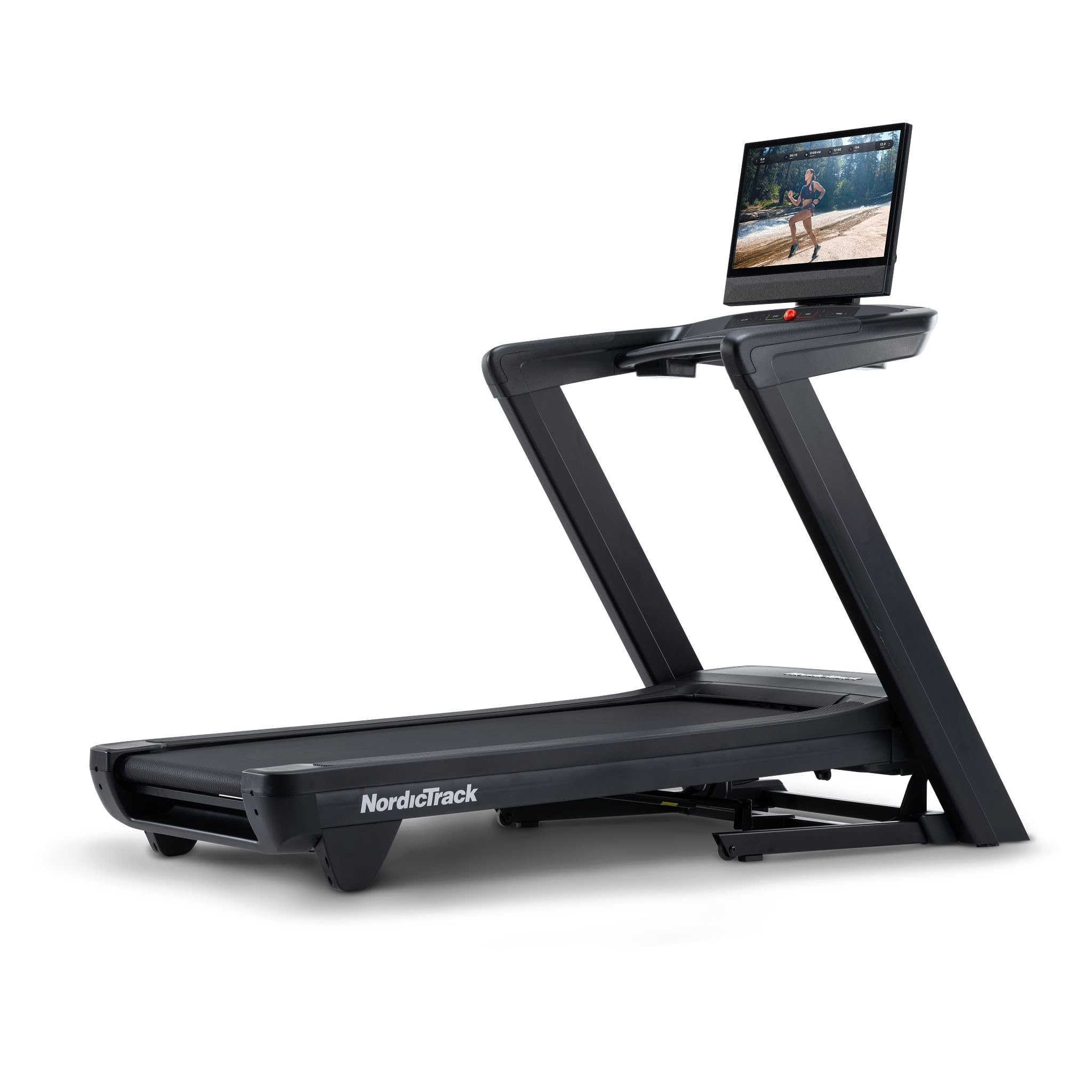
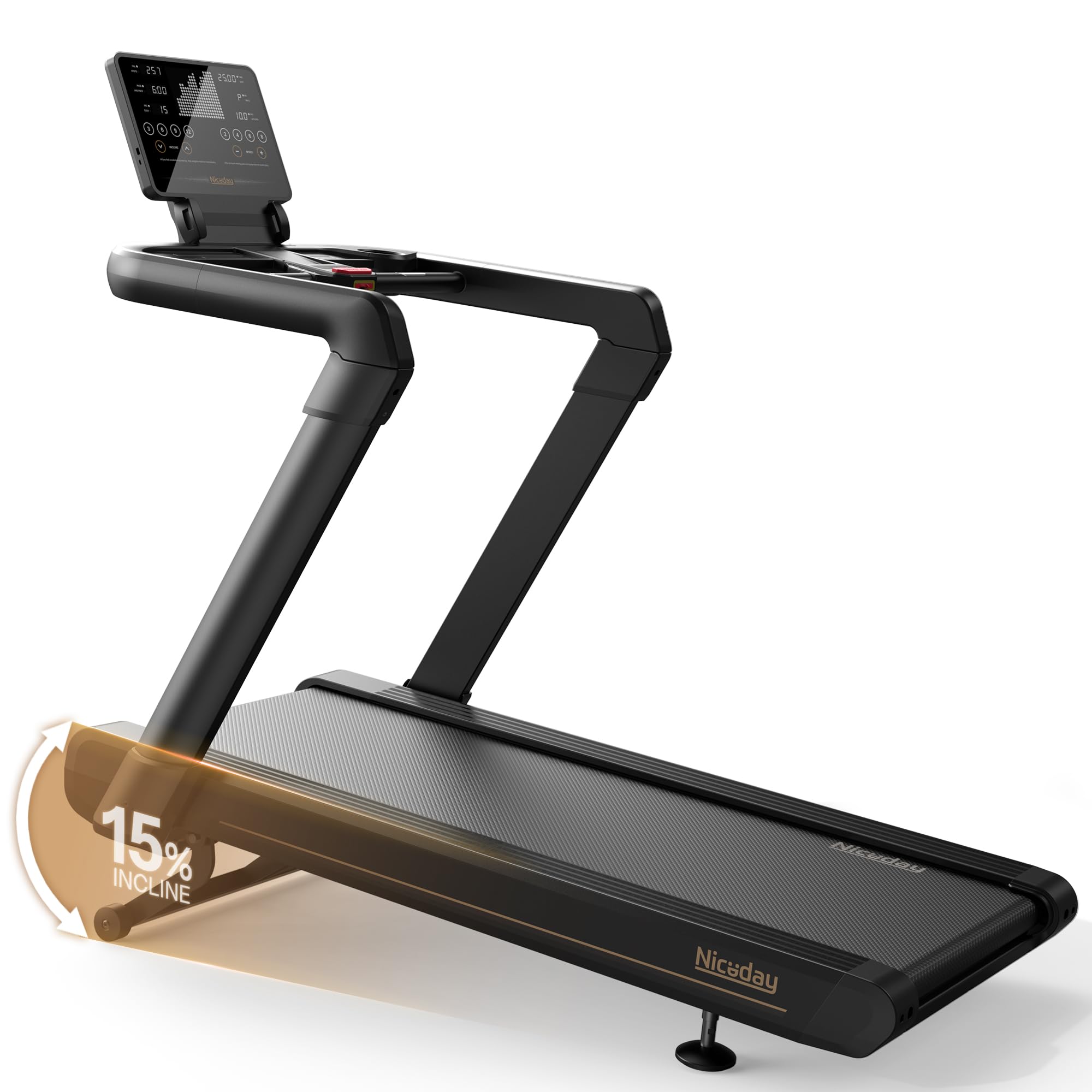


A Checklist for Choosing the Best Commercial Treadmills for Gyms
Work through the points below in order, because the early ones decide whether the best commercial treadmills for gyms survive a busy floor. If you are still sorting treadmill types in general, our guide to best gym treadmills gives the wider picture before you narrow down. Any unit that fails on motor, belt, or service should drop off your list no matter how good the screen looks.
Motor Strength and Belt Size Come First
Judge duty by two numbers before anything else: motor strength and belt size. A commercial motor rated about 3.0 to 4.0 continuous horsepower holds speed steady through long open hours, where a peak rated motor fades under the same load. Pair it with a belt about 22 inches wide and 60 to 62 inches long so tall runners keep a natural stride at full pace. Shoppers focused on pace work can compare sizes in our guide to best commercial treadmills for running.
Deck Build and the Load Each Runner Brings
A thick deck and a wide belt spread the load of every footstrike, which is what protects the machine and the runner alike over thousands of runs. Look for a deck about 1 inch thick with large rollers around 2.5 to 3 inches, since bigger rollers turn slower and wear less. Cushioning should feel firm and even, not soft and spongy, because members may run on it for an hour at a time.
Features That Matter on a Gym Floor
Gym members range from first time walkers to marathon trainers, so the winning features are simple ones. A clear start button, quick speed keys, and a strong emergency stop with a clip matter more than a huge program library. Easy wipe surfaces help staff turn units around between users. Members should stop and step off if they feel pain, dizziness, or chest discomfort, and staff should point anyone with recurring pain to a clinician, not to a harder session.
Space, Footprint, and Ceiling Height
A full size commercial unit needs a footprint of about 80 by 35 inches, plus clear space behind it. Leave about 6 feet open behind the belt so a member who loses footing has room to land safely. Check ceiling height with your tallest member in mind: deck height plus runner height plus a safety margin. Rows also need walk space between units so members can mount from the side without stepping onto a moving belt.
Console, Programs, and App Connectivity
Consoles should start a manual run in two taps, because queues form when screens confuse people. Bluetooth pairing and app links are pleasant extras, yet no member should need a paid subscription to use basic speed and incline. A guest mode matters in gyms, since many users will never create an account. Prefer simple, bright displays that staff can explain in one sentence over touchscreens packed with menus.
Build Quality and Weight Capacity
A steel frame is the base line for commercial duty, and the user weight capacity tells you how honest that frame is. Look for a rating of about 350 to 450 pounds, which covers nearly every member and signals a deck and motor built with margin. Check the welds, the thickness of the side rails, and whether the unit stays quiet and steady at top speed with a heavy runner aboard.
Service, Parts, and Warranty Support
In a gym, service and parts decide how long a treadmill actually lives. Ask who repairs the unit locally, how fast a technician can visit, and whether wear parts like belts and decks ship within days. A strong frame and motor warranty means little if the nearest service team is states away. Budget for a professional service visit once or twice a year from the start, and keep the service phone number posted where staff can find it.
What the Price Bands Buy
Prices spread widely, and the band matters less than the duty inside it. The product table above shows the current spread; the bands below explain what the extra money usually buys.
Starter Commercial Band: About $2,000 to $3,500
Units in this band suit small gyms, hotels, and workplace fitness rooms with steady but lighter traffic. Expect a solid motor near the lower end of the commercial range and a simpler console. This is also where best light commercial treadmills sit, and they can be the honest choice for semi commercial spaces. Buyers weighing a home purchase instead can see our guide to best commercial treadmills for home.
Core Duty Band: About $3,500 to $5,500
Most full time gyms land here. Motors reach the top of the range, belts run wider, and frames carry the highest user ratings without flagship pricing. Consoles add better screens and workout tracking, and service terms usually improve too. For a main floor that runs from early morning to late night, this band gives the best balance of duty, support, and cost per year of use.
Flagship Band: About $5,500 to $9,000
Flagship units buy refinement rather than a new category of duty: quieter decks, larger screens, and premium finishes. They make sense on a feature floor where members compare your gym with the one down the road. The duty gain over the core band is real but smaller than the price jump, so buy them for member experience, not because the middle band cannot handle the hours.
Quick Buyer Checklist
Run through these questions before you sign anything. A no on the first four should end the discussion.
- Is the motor rated in continuous horsepower at about 3.0 or above?
- Is the belt at least about 22 by 60 inches?
- Is the user weight capacity about 350 pounds or more?
- Can a local technician service the unit, with parts shipped in days?
- Can a new member start a run in two taps without an account?
- Does the floor plan leave about 6 feet clear behind each belt?
- Does the warranty cover frame, motor, parts, and labor in writing?
Red Flags to Watch For
- Motor strength quoted only as peak horsepower, which hides how the motor fades under heavy runners.
- A user capacity under about 300 pounds on a unit sold as commercial, which signals a light frame.
- Basic speed and incline controls locked behind a monthly subscription.
- No named service partner in your region and no parts list available before you buy.
- A deck thinner than about 1 inch or small rollers on a heavy frame, which wear out early.
How to Make Your Commercial Treadmill Last Longer
Wipe sweat off the belt, rails, and console after busy periods, because salt and moisture corrode parts quietly. Lubricate the belt on the schedule the maker sets, and check belt tracking weekly so the edges do not fray. Keep the area around the motor cover vacuumed, tighten frame bolts monthly, and log every service visit so patterns show up before a breakdown closes a lane on your floor.
Commercial Treadmills: Your Questions Answered
What features matter most in commercial treadmills for gyms?
Motor strength, belt size, and service cover matter most, in that order. A continuous duty motor and a belt about 22 by 60 inches decide daily comfort, while local service decides how long the unit stays on the floor. One point buyers miss is the emergency stop design. A large, easy to hit stop button plus a pull clip protects new members far more than extra workout programs do.
How many hours a day can a commercial treadmill run?
A true commercial unit is built for about 12 to 20 hours of daily use spread across many members, not one long session. That rating assumes the belt is lubricated on schedule and the deck is cleaned often. A useful check is the duty wording in the warranty, since full commercial cover differs from light commercial cover. Running a light unit on a full schedule can void its parts support.
Is a subscription required to use a commercial treadmill in a gym?
No, a subscription is not required for basic running on most commercial units. Paid plans usually add streamed classes, scenic routes, and saved member profiles. Before you buy, test what the console does with no account signed in, because many members will train as guests. If speed, incline, and manual mode all work freely, the subscription stays an optional extra rather than a running cost.
How much space does one commercial treadmill need in a gym?
Plan on the unit footprint of about 80 by 35 inches plus working room around it. The key figure is the clear zone behind the belt, about 6 feet, which acts as the landing area if a runner slips. Side gaps of about 20 inches between units let members step on and off safely. Measure your ceiling too if tall members will run near low beams or ducts.
How long does a commercial treadmill last in a busy gym?
With steady care, expect about 7 to 10 years of front line service in a busy gym. Belts and decks are wear parts and often need replacement every few years depending on mileage, while frames and motors last far longer. Rotating units between busy and quiet spots evens out wear across the row. Many gyms move older units to a warm up area instead of retiring them outright.
Final Thoughts
Treat motor strength, belt size, and service cover as the three votes that count, and let consoles and screens break ties only. Match the band to your real traffic, keep the checklist honest, and the best commercial treadmills for gyms for your floor will be easy to spot. Compare the finalists in the product table above before you order.


