Best Commercial Toasters for Home Kitchens: Buying Guide 2026
Disclosure: We may earn a commission when you buy through links on this page, at no extra cost to you. As an Amazon Associate I earn from qualifying purchases. Learn more

Thinking about the best commercial toaster for a busy household? Compare popup, conveyor and long slot types by size, power and budget.
Picture a Saturday morning where six people want toast, bagels, and frozen waffles at the same time, and your small home toaster turns the job into a slow queue. That bottleneck is exactly why some households step up to commercial gear. This guide to the best commercial toaster options for home use helps you choose by counter space, household size, and budget, and the sections below compare the main types side by side.
Commercial models are built for cafes and diners, so they toast fast and survive heavy daily use. Brought home, that strength only pays off if the size, power draw, and controls suit your kitchen. The sections below walk through what actually matters, and our broader guide to the best toaster styles covers the standard home models if commercial power turns out to be more than you need.




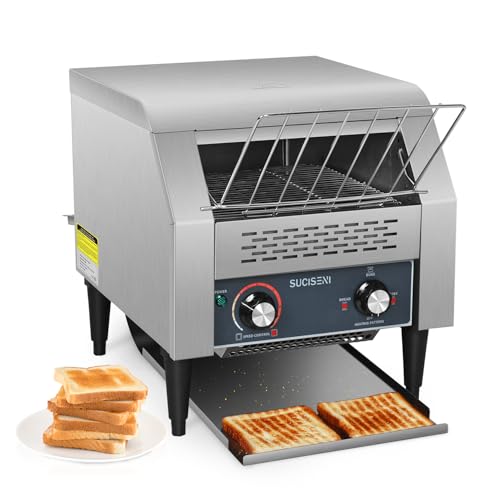
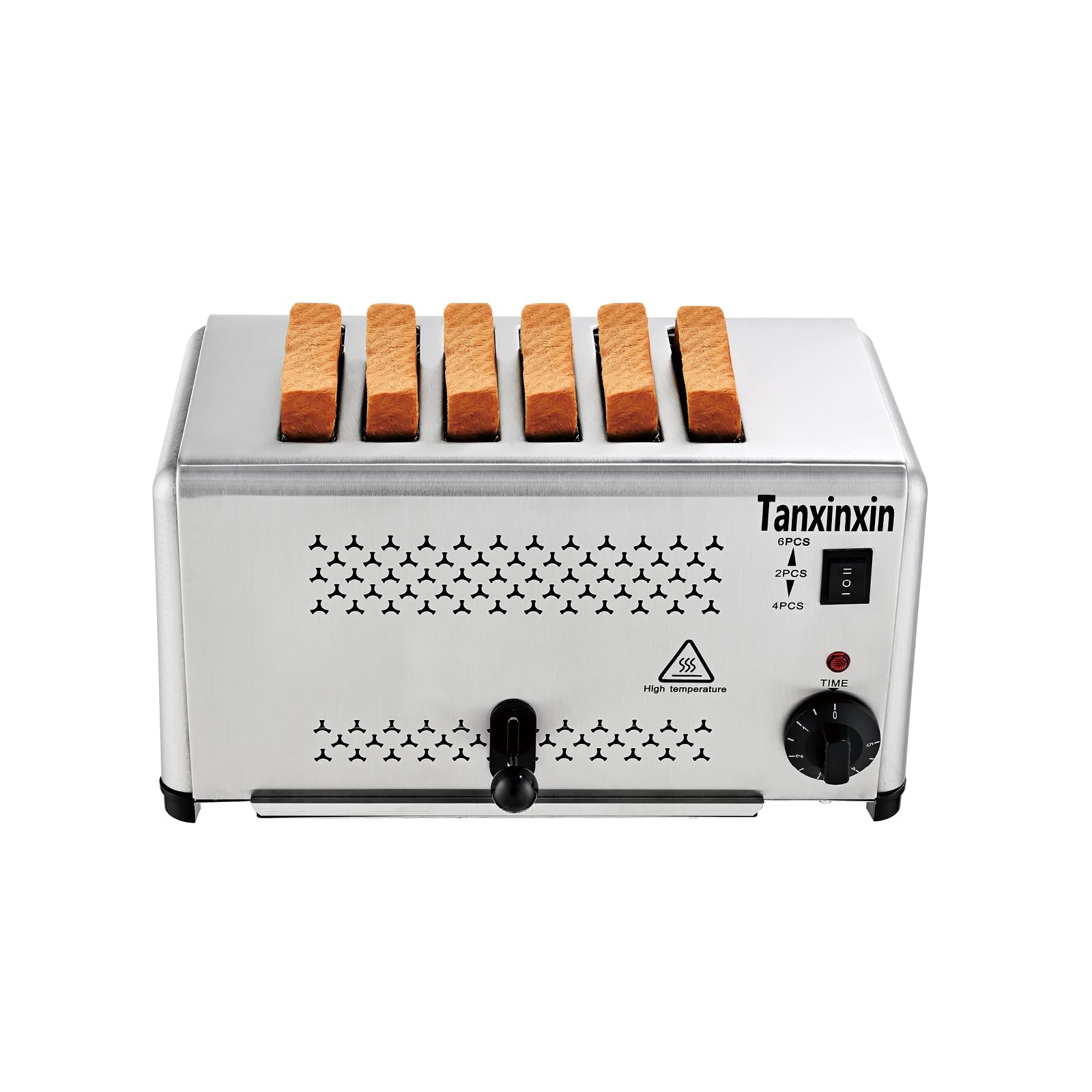

Quick Answer: Which Commercial Style Fits Your Home?
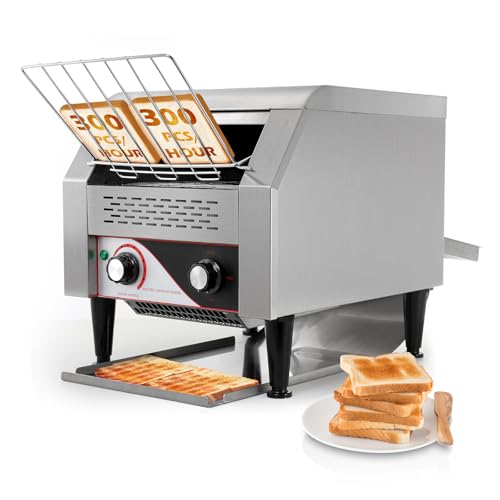
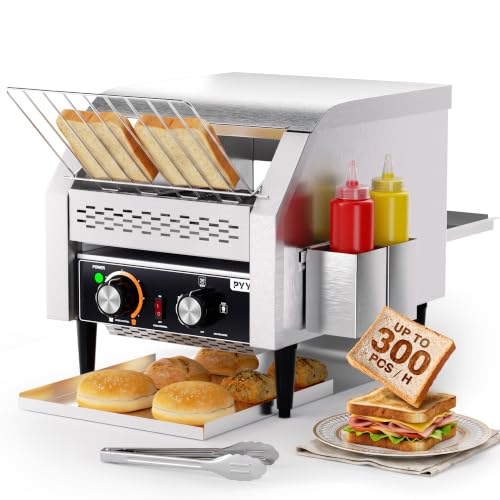
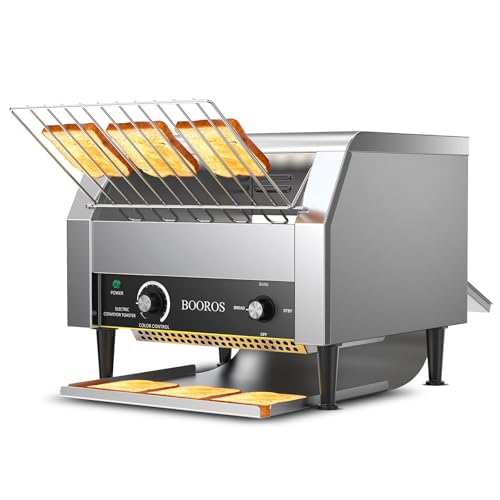
Three types cover nearly every home scenario. A commercial popup toaster with two or four slots suits most families and behaves like the toaster you already know, just sturdier and faster. A conveyor toaster suits big gatherings and brunch hosting, because bread moves through on a belt and comes out toasted in a steady stream. A heavy duty four slot popup sits between the two, giving high output without a belt to clean or a long footprint to house.
Before You Buy: A Quick Checklist for Choosing a Toaster
Size: Match It to Your Space
Start with how many slices you toast in one round. A two slot commercial popup handles couples and small kitchens well, and our guide to the best 2 slice toaster shows the home grade versions of that format. Four slots double your output per round, which matters when kids need breakfast before school. Long slot models take wide artisan loaves in one piece instead of two halves. Measure your bread as well as your counter, because thick bakery slices need slots around 1.5 inches wide to drop in without squeezing.
Which Type Fits Your Routine
Popup models toast a small batch, pop it up, and then sit idle, which matches normal family rhythms. Conveyor models keep working as long as you keep feeding them, so they shine at parties and pancake mornings with a crowd. Stainless steel bodies wipe clean and shrug off daily splashes, while retro styled commercial units trade some raw output for looks. If your routine is two slices on weekdays and a crowd once a month, a sturdy popup covers both jobs without dominating the counter all week long.
Features Worth Paying For, and Ones to Skip
A bagel setting toasts the cut side more than the crust, and a defrost setting adds time for frozen bread so the middle warms through. A warming rack helps when toast for the table needs to wait a few minutes. Those three earn their keep in most homes. Skip novelty extras you will rarely touch, such as preset programs for bread types you never buy. A simple shade dial you can read at a glance beats a crowded panel, because toast shade is a daily judgment call, not a science project.
Wattage, Power and Energy Use
Commercial popup toasters usually draw about 1200 to 1800 watts, close to a standard home toaster, so they run on a normal kitchen outlet. Conveyor models draw more and run for longer stretches, and the largest ones may need a dedicated circuit, so check the nameplate and your breaker panel before ordering. Energy use at home stays modest either way, because toasting takes minutes. What matters more is that high wattage browns bread quickly, which shortens the morning queue far more than any standby saving.
Safety Features and Certifications
Look for a UL or ETL mark on the label, which shows the unit passed independent safety certification for commercial electrical gear. A cool touch exterior matters in homes with kids reaching across the counter, and sturdy nonslip feet keep a heavy unit from sliding when you press the lever. Automatic shutoff after a jam protects the elements if a thick slice wedges in place. Keep the cord short and routed away from the sink, and never leave any toaster running while you are out of the room.
Counter Space and Dimensions
Commercial units are bigger than they look in photos. A four slot popup can take a footprint near 12 by 12 inches, and conveyor models stretch much longer, so measure depth as carefully as width. Leave a few inches of clear space on every side, because the body vents heat while it works. Check cabinet height too, since heat and steam rise straight up from the slots. If the only free spot sits under low cabinets, a compact two slot model is the safer and more practical fit.
Realistic Budget Ranges
True commercial gear costs more than home toasters, so expect about $150 to $350 for a solid commercial popup, and about $400 to $900 for a home friendly conveyor unit. What the extra money buys is a steel body, stronger elements, and parts built for thousands of cycles a year. If your budget sits under $100, a good home grade four slot model will serve you better than a bargain unit wearing a commercial label.
Three Commercial Toaster Types Compared
Commercial Popup Toasters: Best for Most Homes
This is the type most households should buy. It works exactly like a familiar home toaster, with slots, a lever, and a shade dial, but the body, springs, and elements are built for cafe duty cycles. Output is fast because the elements run hot and recover quickly between rounds. If four slots sound right, our guide to the best 4 slice toaster covers the home versions, and the commercial step up mainly adds durability. The trade off is size and weight, since these units feel more like equipment than decor.
Conveyor Toasters: Best for Crowds and Big Gatherings
A conveyor toaster pulls bread through a heated chamber on a moving belt, so output is continuous rather than batch based. Hosts who cook for sports teams, holiday brunches, or multigeneration households feel the difference most, because nobody waits for a free slot. You control shade with belt speed and heat settings, and results stay consistent slice after slice. The trade offs are real: a long footprint, more heat in the kitchen, a higher price, and a belt and crumb area that need regular wiping to stay clean and safe.
Long Slot Commercial Toasters: Best for Artisan Bread Lovers
Long slot models stretch the chamber so wide sourdough and rustic loaves toast in one whole slice. If your bakery bread is the main event at breakfast, this shape beats cutting loaves into awkward halves. Our guide to the best long slot toaster explains the format in home sizes, and commercial versions add the same durability story as other pro gear. Output per round is lower than a four slot popup, because two long slots hold fewer pieces, so big families may still prefer the standard four slot layout.
How to Compare Commercial Toasters
Judge each commercial toaster on capacity, browning consistency, ease of use, cleaning effort, noise, safety marks, and warranty length. Those criteria come from maker specifications and patterns in verified buyer feedback about home use of pro gear. This guide ranks types and criteria rather than crowning a single model, and the product table above lets you hold current options up against the checklist.
Commercial vs Standard Home Toasters: Strengths and Drawbacks
The biggest strength is the duty cycle. Commercial elements are rated for hundreds of rounds a day, so a home unit coasts through family use and often lasts far longer than a home grade model. Speed is the second win, since hotter elements brown the next round without a long recovery pause. The drawbacks are the footprint, the weight, and the plain industrial styling that suits a diner line better than a styled kitchen. Commercial units also skip some home comforts, such as precise low shade settings for delicate pastries, and replacement parts can cost more when something finally wears out.
Common Buying Mistakes to Avoid
- Buying a conveyor model for a two person household, so a large hot appliance sits idle and eats counter space every day.
- Skipping the outlet check, then finding a high draw unit trips the breaker whenever the kettle runs at the same time.
- Choosing by slot count alone and ignoring slot width, so thick bakery slices jam or toast with pale, squeezed edges.
- Forgetting cabinet clearance, which lets heat and steam mark the underside of the cupboards above the toaster.
- Paying for commercial durability but skipping the warranty paperwork, which is the document that makes that durability worth anything.
Cost of Ownership and Care
Running costs stay low, because a toaster draws power for only a few minutes a day. The real ownership costs are occasional parts, such as a worn lever spring or a tired element, and commercial designs usually allow repair instead of full replacement. Empty the crumb tray weekly, wipe the steel body with a damp cloth, and keep the slots free of fallen seeds and crumbs. Our step by step guide on how to clean a toaster walks through the full routine safely. Unplug the unit before any cleaning, and let it cool fully first.
Your Questions, Answered
Are commercial toasters worth it for home use?
They are worth it when your household toasts in volume every day, or when you host often enough that a home toaster becomes the bottleneck. The higher price buys speed and a much longer service life. For a couple who toasts two slices on weekends, the math flips, and a good home grade model delivers the same breakfast for far less money and counter space.
How long does a commercial toaster last?
A commercial unit in home service often runs 5 to 10 years, because it was built for a cafe workload that dwarfs family use. The first parts to tire are usually the lever mechanism and the elements, and both are often replaceable on pro designs. Keeping crumbs out of the chamber helps the elements age evenly, since trapped debris creates hot spots that shorten element life.
What is the most reliable commercial toaster brand?
No single brand wins for every kitchen, and reliability data for home use of pro gear is thin. A better test is construction: a welded steel body, a published duty rating, and a warranty of at least a year signal a maker that stands behind the unit. Check that spare parts and service centers exist for the brand you choose, because a repairable toaster beats a famous badge with no parts support.
Can a commercial toaster run on a normal home outlet?
Most commercial popup models can, because they draw about the same wattage as a home toaster and use a standard plug. Conveyor units are the exception to watch, since larger ones draw more power or use a different plug shape for commercial kitchens. Read the electrical line in the specification sheet before ordering, and match it against the outlet and breaker that will actually serve the counter spot you picked.
What is the best commercial toaster for thick cut bread?
Look for slots at least 1.5 inches wide with guides that center the slice, so both faces sit the same distance from the elements. Centering matters more than raw heat for thick bread, because an off center slice browns dark on one side and stays pale on the other. A manual lift lever also helps, since it lets you peek mid cycle and add a short second pass without restarting the full timer.
Final Thoughts
For most homes, the right answer in the best commercial toaster category is a sturdy four slot popup that fits your counter and your breaker panel. Crowd heavy households can justify a conveyor, and artisan bread fans should look at long slot designs. Match the type to your routine, confirm the specifications against the checklist, and compare the finalists in the product table above before you order.