
Best Commercial Rice Cooker for Home: Capacity, Power and Care for 2026
Disclosure: We may earn a commission when you buy through links on this page, at no extra cost to you. As an Amazon Associate I earn from qualifying purchases. Learn more
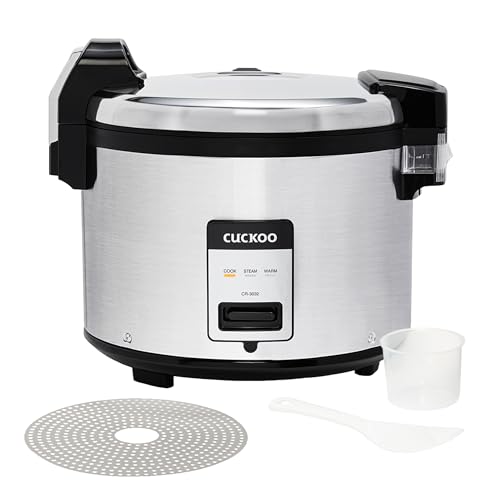
The best commercial rice cooker for home suits your headcount and counter. Compare simple electric, electronic and gas types, plus power, safety and care.
A big family gathering, a church supper, or a weekend of meal prep can overwhelm a standard home cooker, leaving you running batch after batch while guests wait. That is the moment a best commercial rice cooker starts to make sense in a real home. This guide helps you choose by the things that matter most in a household setting, including how much counter and storage space you have, how many people you feed, and what the cooker costs to own and maintain over time. Use the comparison table below to match capacities and cooker types against your space and budget.
This article looks at daily life with an oversized appliance. A cooker that feeds forty people is a blessing at a reunion and a burden on a Tuesday. The sections below walk through sizes, types, safety listings, power needs, and ownership costs so you can judge which scale of machine fits your home.


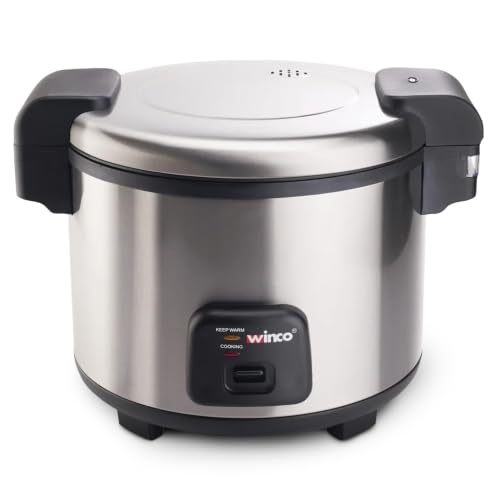


Quick Answer: Three Types Compared in 30 Seconds
Commercial cookers sold for home friendly setups fall into three broad types. Simple electric models with a single switch cook one large batch and then hold it warm, and they suit occasional big events. Electronic models add timed cooking and gentler warm holding, which helps households that cook rice most days. Gas models deliver very large batches fast but need a proper gas supply and ventilation, so they fit dedicated cooking spaces rather than ordinary kitchens.
If you only host a few large meals a year, the simple electric type usually wins on price and storage. If rice anchors daily meals for a large household, the electronic type earns its space. Gas belongs in homes that already cook for crowds every week. Every type below can be the right best commercial rice cooker choice once your headcount, space, and routine line up.
Before You Buy: A Quick Checklist for Choosing a Rice Cooker
Work through this checklist before you look at any single model. Your answers narrow the field quickly and keep you from paying for capacity or features your household will never touch.
Size: Match It to Your Space
Commercial capacities are usually quoted in cups of cooked rice, and the numbers grow fast. A cooker rated at about 20 cups of cooked rice serves roughly ten to fifteen people as a side dish, while large models rated near 55 cups can serve thirty or more. Match the rating to your biggest regular gathering, not your largest imaginable one. Remember that rice expands as it cooks, so a model filled past its marked line will boil over and cook unevenly.
Which Type Fits Your Routine
Think about how the cooker will spend most of its life. Basic electric models do one job well and store easily between events. Electronic models with fuzzy logic adjust cooking for different grains and hold rice warm for hours with less drying, which suits daily use in a big family. Induction and pressure models cook dense batches evenly and handle brown rice well, but they cost more and weigh more. If your household mostly cooks small amounts, compare our guide to the best small rice cooker before committing to a commercial footprint.
Features Worth It (and Ones to Skip)
Worth paying for are a removable inner pot with clear measurement lines, a lid that seals well and is easy to wash, and a warm setting that holds rice safely without scorching the bottom layer. A steamer basket adds value if you cook vegetables or dumplings for the same crowd. Stainless steel or ceramic coated pots appeal if you want to avoid worn nonstick surfaces, and our guide to the best non toxic rice cooker explains those materials in depth. Skip extra grain presets you will never use, since each one adds cost without changing your weekly routine.
Wattage, Power and Energy Use
Large electric cookers draw serious power, often about 1,000 to 2,500 watts while cooking. That load can trip a shared kitchen circuit if a kettle or microwave runs at the same time, so plan which outlet the cooker will use during big meals. Energy cost per batch stays modest because cooking time is short, but warm holding for many hours adds up. Gas models shift that cost to your gas supply and avoid the circuit question, though they bring ventilation needs instead.
Safety Features and Certifications
Look for a recognized safety listing such as UL or ETL on the label, which shows an independent safety listing covers electrical and fire risk. A sturdy lid latch, cool touch handles, and a cord that detaches cleanly if someone trips all matter more in a busy home than in a staffed kitchen. Keep the cooker on a stable surface away from the counter edge, and never move it while it holds a full pot of hot rice. Steam vents release a strong burst when the lid opens, so teach younger helpers to stand back at serving time.
Counter Space and Dimensions
Measure before you buy, including the height with the lid fully open, since low cabinets block many large lids. A big cooker can occupy the footprint of a large microwave, and it also needs a storage home between uses, perhaps a pantry shelf or a garage rack. If counter room is tight every day, our broader guide to the best rice cooker covers standard sizes that live on the counter full time.
Realistic Budget Ranges
Prices rise with capacity and controls. Smaller commercial electric models often cost about $100 to $250, midsize electronic models run about $250 to $500, and large or gas models can pass that range once any installation work is counted. Models under $100 are usually home cookers with generous marketing rather than true commercial builds, so expect thinner pots and shorter warranties at that level. Set your budget around the size you measured for, and leave a little room for a spare inner pot, which is the part most likely to need replacing during the life of the cooker.
Our Selection Process for the Best Commercial Rice Cookers
We compared types using six criteria drawn from home use: stated capacity against real serving counts, cooking performance across white and brown rice, ease of use for a nonprofessional cook, cleaning effort after a full batch, noise and steam output in a home kitchen, and safety listings plus warranty length. Our sources are manufacturer specifications, safety standards published by listing bodies, and patterns in verified buyer feedback about durability and support. We recommend no specific model as a pick, because the right size class matters more than any single unit.
What We Like and What We Do Not About Commercial Cookers Versus Other Rice Cookers
What we like most is the single batch convenience. One load replaces three or four runs of a home cooker, and the warm hold keeps rice ready across a long serving window at parties. Commercial pots also tend to use thicker metal and simpler, repairable parts than decorative home models. For households curious about the refined end of home cooking, our guide to the best japanese rice cooker shows how much texture control a dedicated home unit can offer.
What we do not like is the everyday friction. A commercial cooker is hard to justify for two cups of rice, and it demands storage space all year for a few peak days. Small batches can also cook unevenly in a very large pot, with a dry ring near the walls. If you often cook grains, pasta, and stews in one appliance, our comparison of rice cooker vs instant pot helps you weigh a multicooker instead.
- Like: one batch serves a crowd, with no repeated cooking during an event.
- Like: durable pots and simple controls that tolerate heavy use.
- Dislike: bulky storage and slow warm up for small weeknight amounts.
- Dislike: higher purchase price and costlier replacement pots than home models.
Common Buying Mistakes to Avoid
- Buying for the biggest crowd you can imagine: an oversized pot cooks small daily batches poorly and eats storage space all year.
- Trusting the cup number without checking cooked versus uncooked: brands rate capacity differently, so a cooker can hold far less than you expected.
- Ignoring your circuit limits: a large cooker running beside other appliances can trip the breaker in the middle of an event.
- Skipping the safety listing: an unlisted imported unit may lack verified protection against overheating and electrical faults.
- Forgetting replacement costs: a worn inner pot or gasket can cost a large share of the original price on some models.
Cost of Ownership and Care
Running costs stay modest for most homes. Electricity for a single batch costs little, and the real expenses are replacement parts over the years: an inner pot when its coating wears, a lid gasket that no longer seals, or a new power cord. Confirm that parts for your model are actually sold before you buy. A cooker with no available spare pot becomes disposable the day the coating fails.
Care is simple but must be consistent. Wash the inner pot and lid after each use, wipe the heating plate once it cools, and let every part dry fully before storage so odors do not set in. Never immerse the cooker body in water. Descale the pot with a vinegar and water soak if mineral film builds up. Store the cooker with the lid slightly ajar, and check our guide on how to use a rice cooker for correct water ratios and first use steps.
Your Questions, Answered
Are commercial rice cookers worth it for a home?
They are worth it when large meals happen often enough that repeated batches in a home cooker cause real stress, roughly once or twice a month or more. A multigenerational household cooking rice daily for eight or more people also gains every day. If big gatherings happen twice a year, borrowing a cooker usually costs less than owning and storing a commercial unit.
How long does a commercial rice cooker last?
A well kept electric commercial cooker often serves about five to ten years in home use, and simple switch models tend toward the longer end because they have fewer electronics to fail. The inner pot usually wears out first, so a model with affordable spare pots can outlast the estimate. Heat stress on the warm setting shortens life, so switch the cooker off once serving ends rather than holding rice overnight.
Can a commercial rice cooker cook small amounts of rice?
Yes, but stay above the minimum line marked in the pot, which is often around a quarter of full capacity. Below that level the thin layer of rice can scorch on the bottom and dry at the edges before the center finishes. For a small household meal, a practical pattern is to cook a medium batch, serve what you need, and refrigerate the rest promptly for fried rice or lunches later in the week.
How long can cooked rice stay on the warm setting safely?
Keep warm holding to about four hours or less, and hold rice above 140 degrees Fahrenheit during that window. Cooked rice left at room temperature grows bacteria quickly, and reheating does not remove every toxin those bacteria can produce. Refrigerate leftovers in shallow containers within two hours of cooking. Anyone who feels ill after eating stored rice, with vomiting or diarrhea that persists, should contact a doctor for advice.
Do commercial rice cookers handle brown rice well?
Most do, but brown rice needs more water and a longer cycle than white rice, so add roughly a third more water and expect the batch to take noticeably longer. Models with a dedicated brown rice setting manage the soak and cook stages for you. In a basic switch model, a short rest in the uncooked water before you start gives the bran layer time to absorb moisture, which reduces hard centers in large batches.
Final Thoughts
A commercial cooker earns its place when your headcount, your storage, and your routine all point the same way. Measure your space, count your regular crowd honestly, and pick the simplest type that covers that load. When those pieces line up, the best commercial rice cooker turns feeding a crowd from a juggling act into a single calm batch. Review the product table above once more, confirm the capacity in cooked cups, and check that spare pots are sold for any model you favor before you order.


