Best Commercial Slushie Machine for Home: Tank Size, Power and Care for 2026
Disclosure: We may earn a commission when you buy through links on this page, at no extra cost to you. As an Amazon Associate I earn from qualifying purchases. Learn more

The best commercial slushie machine for home suits your crowd and counter. Compare single bowl, twin bowl and heavy duty styles, plus power, safety and care.
A house party exposes a small frozen drink maker fast. The first round pours fine, then a line forms, the mix turns watery, and you spend the night refilling instead of talking to your guests. That is when a best commercial slushie machine starts to make sense for a home, because it freezes one large batch and holds it at serving texture for hours.
This guide helps you choose by what matters in a real house: the counter space you can give up, how many people you serve at once, and what you can spend. Start with the comparison table below, and for the wider category view, see our guide to the best slushie machine options.
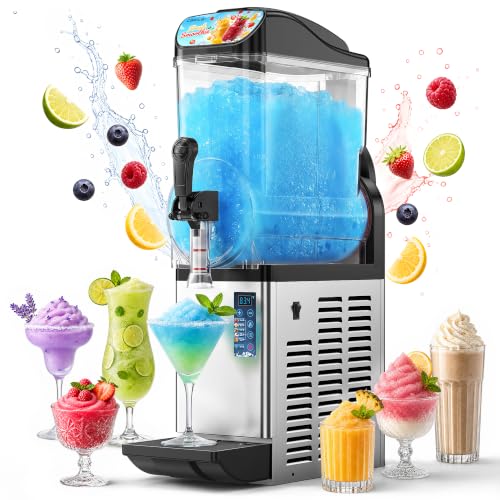


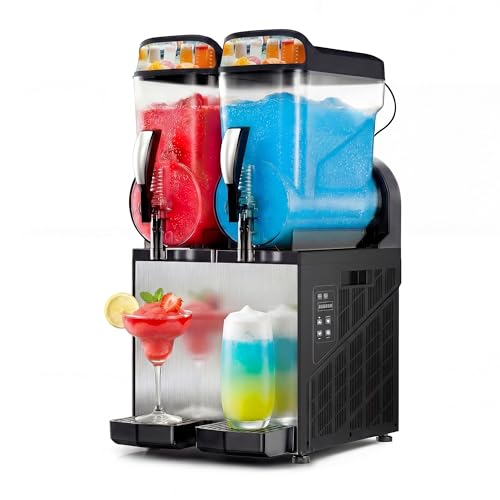

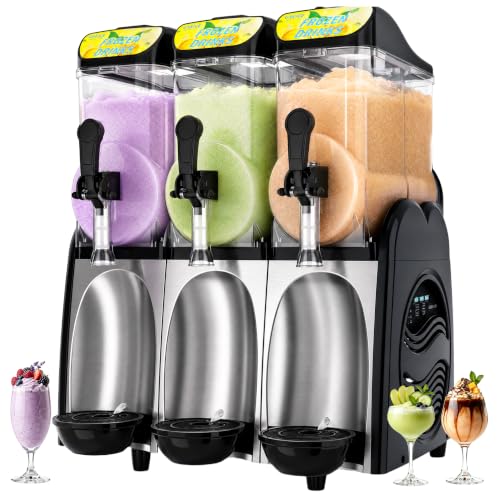

Quick Answer: The Three Styles Worth Your Counter Space
Commercial machines sold for home use fall into three broad styles, and the right one depends on how often you host and how much room you have.
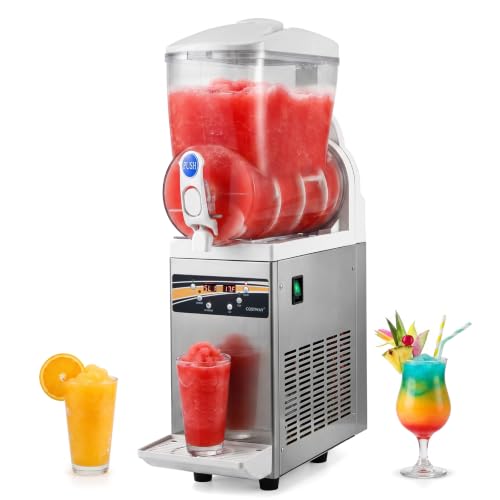
- Single bowl countertop style: one clear tank, usually about 10 to 15 liters, for families and gatherings where one flavor at a time is enough.
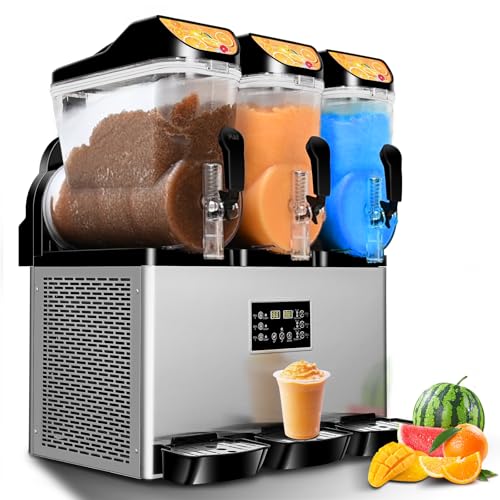
- Twin bowl style: two tanks side by side, so a kid friendly fruit flavor and an adult cocktail flavor pour from the same machine.
- Compact compressor style: a smaller footprint with its own cooling system, better for frequent small batches in a kitchen short on counter room.
Before You Buy: A Quick Checklist for Choosing a Slushie Machine
A commercial unit costs far more than a novelty maker, and the wrong match usually fails on fit or upkeep rather than freezing power. Work through these five points first.
Which Type Fits Your Routine
A granita style bowl machine is built for volume and long serving windows, which suits pool days, block parties, and big family weekends. A compressor model freezes smaller batches without ice, which suits couples who want two glasses on a Friday night without planning ahead. A simple home maker that relies on salt and ice or a prefrozen canister costs the least, but it serves a few drinks at a time and asks more of you between rounds. If your pattern is large gatherings each summer, bowl capacity matters most. If it is small and frequent, fast freezing and easy storage matter more, and our guide to the best home slushie machine covers that end of the market.
Wattage, Power and Energy Use
Most countertop commercial units draw roughly 300 to 900 watts while the compressor runs, and they plug into a standard household outlet. What matters for your electric bill is not the peak draw but how long the compressor cycles. A machine that reaches serving texture in about 30 to 45 minutes and then sips power to hold temperature costs far less across a long party than a weaker unit that strains for hours. Give it its own outlet, because a shared circuit with a microwave or kettle can trip a breaker mid freeze. Ventilation counts too: a unit pushed tight against a wall works harder and wears its compressor sooner.
Safety Features and Certifications
Look for a UL or ETL listing on the label, which means the electrical design has been checked against recognized safety standards. That listing matters more here than on a small appliance, because the motor and compressor run for hours near water and sugary spills. Food contact parts should be described as food grade, and the bowl and taps should come off without tools so you can wash every surface the mix touches. A locking lid keeps curious kids away from the auger. If you plan to sell drinks at a fair or market stall, ask your local health department what certification it requires, since rules for serving the public vary by area.
Counter Space and Dimensions
Measure before you fall for a big tank. A twin bowl unit can take up about 16 to 20 inches of width and close to 20 inches of depth, and it still needs a few inches of clear air on each side for the vents. Height matters under wall cabinets, because you need room above the bowl to lift the lid and pour in mix. Weight matters just as much: many units weigh about 60 to 100 pounds, so the counter must carry that load plus a full tank without flexing. Plan on two people for every move.
Realistic Budget Ranges
Each step up in price buys something specific. Anything under $100 is home maker territory, fine for occasional use but not commercial output. About $300 to $500 buys an entry level single bowl unit with a real compressor and a tank near 10 liters. About $500 to $1,000 is where twin bowl models and faster freeze times cluster, the sweet spot for homes that host often. Above that, you pay for larger tanks, quieter compressors, and parts support aimed at shops. Set your budget by gatherings per year, and leave room for mix and spare seals.
Three Styles Compared: Where the Money Goes
Instead of ranking brand names, compare the three styles the product table above lays out, because any model you shortlist will follow one of these patterns.
The Single Bowl All Rounder for Most Homes
This is the style most households should price first. One tank of about 10 to 15 liters freezes a single flavor in roughly half an hour to an hour, then holds it ready for hours of pouring. You give up the second flavor, and in exchange you get a narrower body, fewer seals to clean, and a lower price than any twin bowl unit. It suits a family that agrees on one flavor per event, and storage is simpler, since the bowl, lid, and auger are the only parts to wash and shelve.
The Twin Bowl Party Style
Two tanks double your options at the tap, and that is the whole appeal. Run a fruit flavor on one side and a frozen cocktail on the other, and guests serve themselves without waiting for a second batch. This is also the natural pick if frozen margaritas are the main event at your gatherings, and our guide to the best slushie machine for margaritas digs into the details that matter for that drink. The trade offs are real: more counter width, more parts in the sink after every use, and a higher price. Choose it when two flavors at once is a genuine habit at your house.
The Heavy Duty Pick for Frequent Hosts
Some homes run a machine every weekend all summer, for team parties, church socials, or a steady stream of grandkids. For that pace, look at the sturdier end of the countertop range: thicker bowl plastic, a compressor rated for long daily runs, metal taps instead of thin plastic ones, and seals and augers sold as normal spare parts. You pay more up front, but the cost spreads across far more servings, and the cooling system holds texture better because it is not working at its limit all day.
How We Judge Commercial Slushie Machines
We judge candidate machines on capacity in liters, freeze time to serving texture, control simplicity, how fully the bowl and taps come apart for cleaning, noise in a normal kitchen, the safety listing on the label, and warranty terms. Our sources are manufacturer specification sheets and manuals, plus patterns across large numbers of verified buyer reviews, such as repeated comments about leaks, noise, or cleaning effort. A roundup of the best commercial slushie machine choices is only useful if its criteria match your own routine.
Commercial vs Home Machines: What We Like and What to Watch
A commercial machine earns its premium in three ways. It freezes more mix at once, it holds that mix at an even texture for a whole event, and its parts are built to be washed daily without cracking or warping. The honest downsides deserve equal weight.
- What we like: large batches with no ice to buy, steady texture across hours of serving, parts designed for daily washing, and spare parts that stay available for years.
- What to watch: serious weight, a wide footprint, compressor noise you can hear across a quiet kitchen, and a cleaning routine that takes real time after every use.
Learning the controls before your first event pays off, and our walkthrough on how to use a slushie machine covers mix ratios and freeze settings in plain steps.
Common Buying Mistakes to Avoid
- Buying capacity for the biggest crowd you ever hosted: an oversized tank leaves small batches freezing unevenly and takes over your counter all year for one big day.
- Ignoring the sugar level in your mix: slush needs enough dissolved sugar to freeze into soft crystals, and diet or low sugar mixes often freeze into a solid block or stay soupy.
- Skipping the parts check: if seals, taps, and augers for that model are hard to order, a small leak can retire the whole machine.
- Forgetting cleaning time in the price: a twin bowl unit you dread washing will quietly stop being used, no matter how good the drinks are.
- Freezing in a hot garage: high room temperature stretches freeze time and strains the compressor, so a shaded indoor spot works better.
Cost of Ownership and Care
The purchase price is only part of what a commercial machine costs you. Mix is the steady expense, and homemade mixes from juice, soda, or coffee usually cost far less per serving than bottled commercial mixes. Budget for replacement seals about once a year if you use the machine often, because sugar and washing wear the rubber that keeps the bowl from leaking. For care, empty and rinse the bowl the same day, wash the bowl, auger, and taps in warm soapy water, and let every part dry fully before storage. Our step by step guide on how to clean a slushie machine covers the deeper sanitizing routine for machines that serve the public, which usually means sanitizing daily under local health codes. Store the unit upright with the lid off, so seals rest in their natural shape.
Your Questions, Answered
Which commercial slushie machine brands tend to be most reliable?
Reliability in this category tracks less with a famous name and more with parts support. Brands that publish manuals, sell seals and taps as spares, and answer service questions tend to keep machines running for years. A lesser known brand with a stocked parts page is often a safer buy than a famous one that treats the machine as sealed and disposable.
Is a commercial slushie machine worth it for a home?
It is worth it when you host groups of ten or more several times each summer and you are tired of small batches and ice runs. The math works because each event replaces rental fees or several rounds of store bought frozen drinks. If your gatherings are small or rare, the same money buys a capable home maker and a lot of mix, without the storage and cleaning burden.
How long does a commercial slushie machine usually last?
A cared for countertop unit often serves about five to ten years, with seals and taps replaced along the way. The compressor is usually the life limiting part, and it lasts longest when the vents stay clear and the machine rests between long runs. Storing the bowl dry and the unit upright prevents the slow seal damage that shortens life more often than motor failure does.
Can a commercial slushie machine freeze drinks with alcohol in them?
Yes, within limits, because alcohol lowers the freezing point of the mix. Add spirits after the base mix has started to thicken, and keep the total alcohol modest, or the batch may never reach slush texture. Wine based and premixed cocktail flavors freeze more predictably than drinks built on high proof spirits. Keep the alcohol side clearly labeled when kids are pouring from the other bowl.
Final Thoughts
Match the machine to your real routine: a single bowl all rounder for most families, a twin bowl style for two flavor parties, and a heavy duty build for hosts who run one all summer. Measure your counter, check the safety listing, and confirm that spare seals are easy to order. Chosen that way, the best commercial slushie machine for your home becomes the easiest drink station at every gathering. Look back at the product table above to compare capacities and prices before you decide.