
Best Commercial Speakers: Budget, Midrange, and Premium Guide for 2026
Disclosure: We may earn a commission when you buy through links on this page, at no extra cost to you. As an Amazon Associate I earn from qualifying purchases. Learn more

The best commercial speakers give even coverage and clear speech at working volume. Compare price tiers, connections, ratings and placement for your space.
A speaker that sounds fine in a quiet showroom can disappear under the clatter of a busy cafe, a warehouse fan, or an open storefront. Commercial spaces add hard floors, high ceilings, and constant background noise that home listening never faces. This guide helps you judge best commercial speakers by coverage and clarity first, so music and announcements stay intelligible all day.
You will compare price tiers, learn which connections and ratings actually matter, and match speaker count to room size before you buy. Start with the comparison table below for power and coverage figures, then use the sections that follow to narrow your shortlist with confidence.


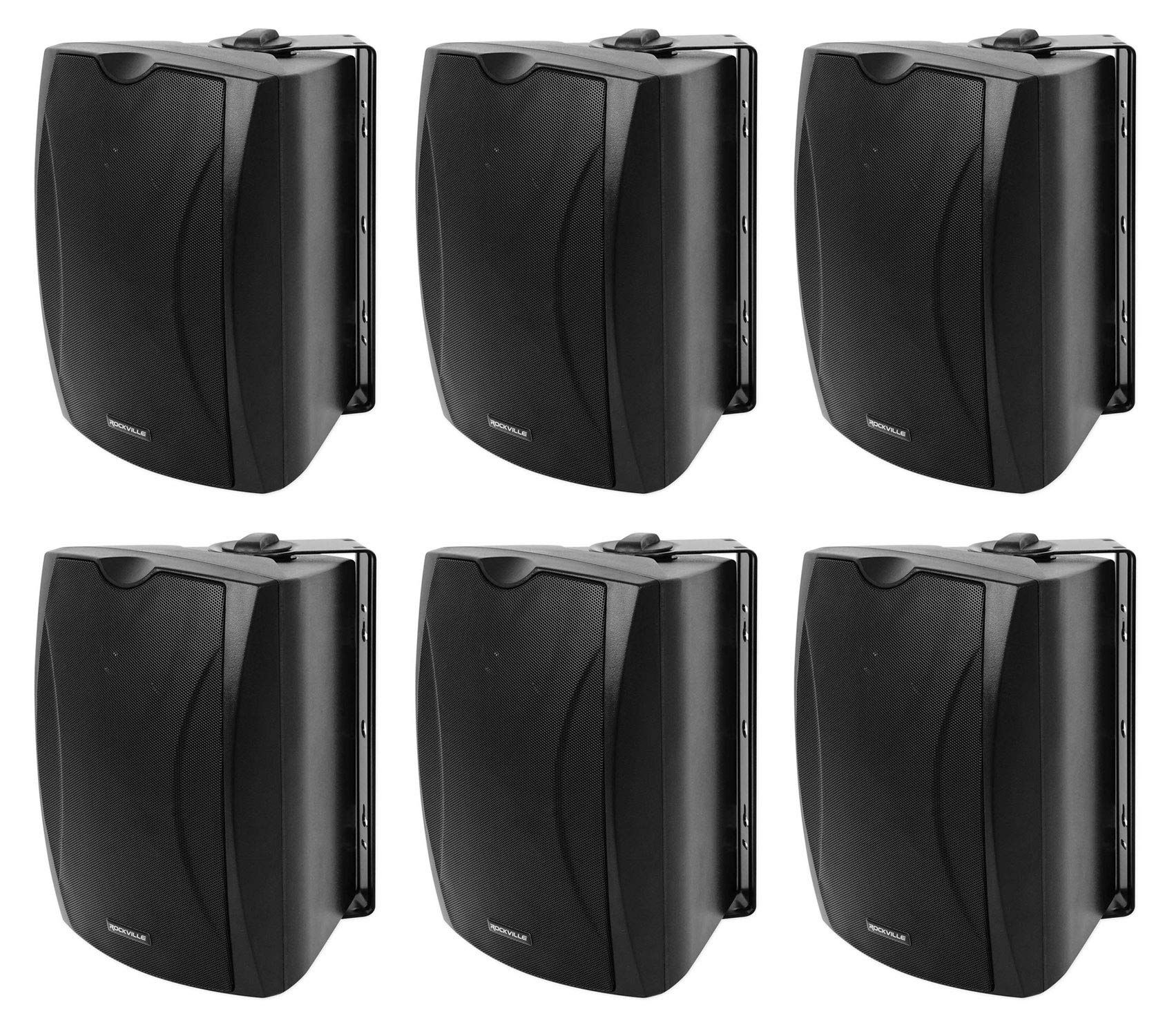


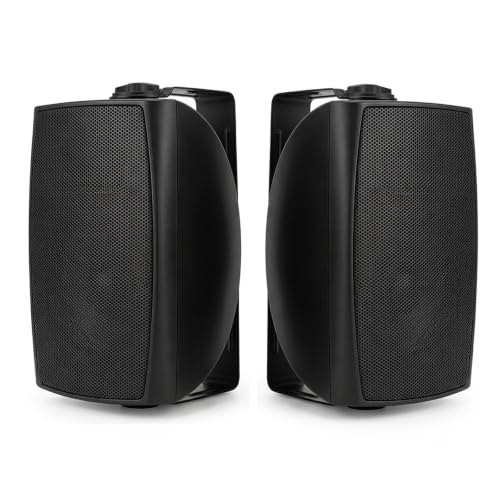

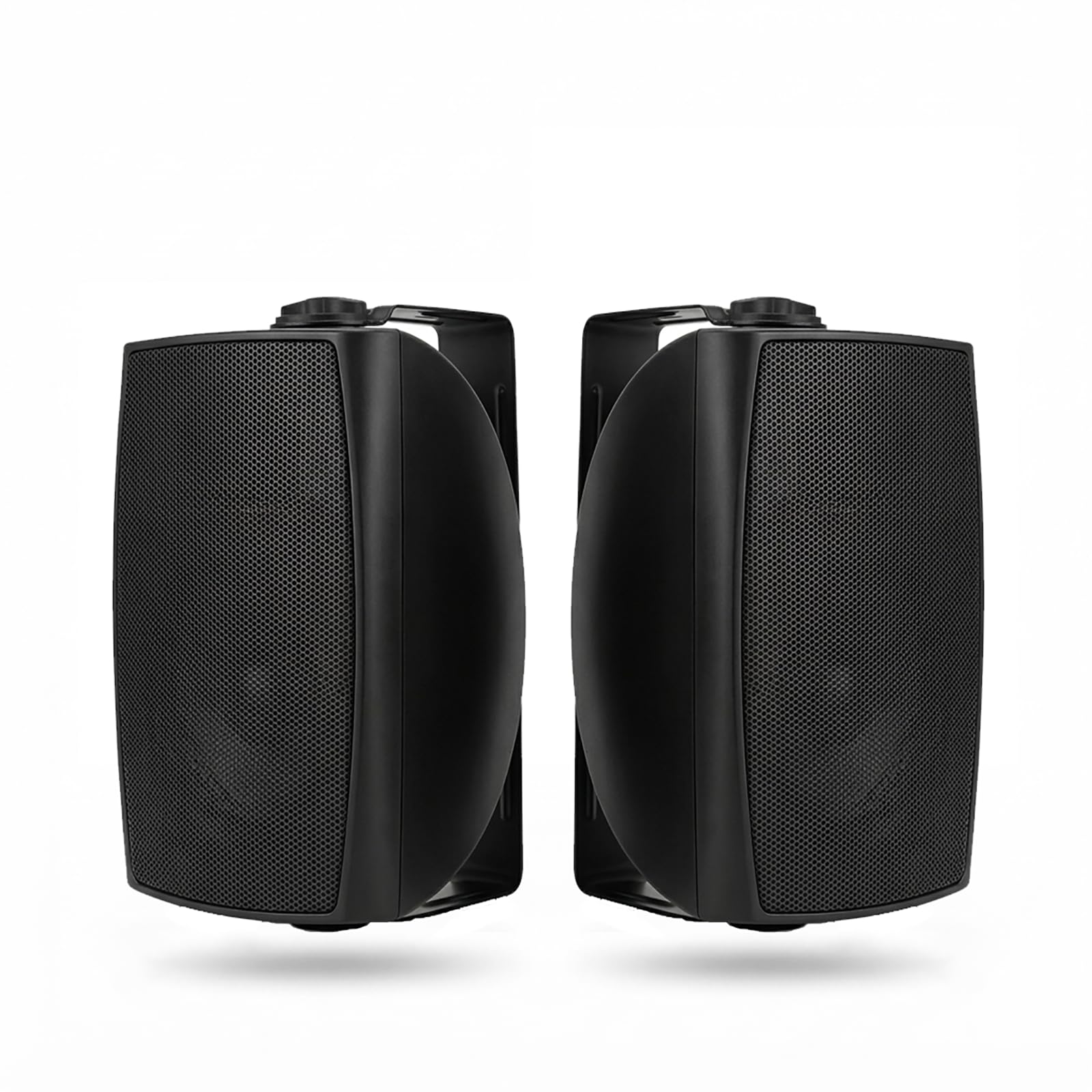
Choosing by Budget: What Each Tier Should Offer
Budget in commercial audio buys even coverage and reliability more than it buys dramatic sound. One clear speaker per zone, playing at a modest level, serves customers better than a single loud unit straining at the far end of a room.
Budget Tier: What a Sensible Low Cost Choice Includes
A budget choice should still deliver clean speech, a stable mounting bracket, and a power rating that matches your amplifier without strain. Expect basic Bluetooth or wired inputs, simple tone controls, and cabinets built for indoor use. This tier suits small shops, salons, and offices where music stays in the background and paging is occasional, and where replacing a unit in a few years is acceptable.
Midrange Tier: What Most Businesses Need
Midrange models add stronger drivers, better dispersion, and options such as multipoint Bluetooth, wired networking, or transformer taps for distributed systems. Cabinets resist humidity better and brackets allow precise aiming toward seating rather than walls. For most restaurants, clinics, and midsize retail floors, this tier gives even coverage across several zones and holds up to daily use without constant adjustment by staff.
Premium Tier: What Extra Money Should Deliver
Premium pricing should buy documented frequency response, high quality drivers, weather sealed outdoor models, and control software that manages many zones from one screen. You should also expect longer warranties and ready spare parts. If a premium model only offers a famous badge and a glossy cabinet, with no gain in coverage, output, or control, the extra spend will not change what your customers hear.
What Your Money Gets You at Each Price Tier
Per speaker pricing varies with size and weather rating, so think in cost per zone. A zone that needs two smaller speakers often sounds better than one larger speaker at the same total price.
Budget Tier: What to Expect
Expect compact indoor speakers around $50 to $150 each, modest bass, and simple Bluetooth 5.0 or auxiliary inputs. Output suits rooms where listeners sit within about fifteen to twenty feet. The trade off is limited headroom, so turning the volume up for a busy Friday can push the sound toward harshness. Plan speaker positions carefully and accept gentle background levels rather than party volume.
Midrange Tier: The Sweet Spot for Most Buyers
Midrange speakers around $150 to $400 each usually bring larger drivers, cleaner amplifiers, and Bluetooth 5.3 with more stable range through shelving and crowds. Codecs such as AAC improve clarity from phones, and many models add wired inputs for a television or a paging microphone. This is also where outdoor rated cabinets and stereo pairing become common, which simplifies patios and split dining rooms.
Premium Tier: When Spending More Pays Off
Above about $400 per speaker, expect engineered dispersion, strong output without distortion, and systems that scale across a whole building with zones, schedules, and volume limits per area. Hotels, gyms, and large showrooms benefit because staff can set a morning level for one zone and an evening level for another without walking the floor. Spending more pays off when downtime or uneven sound costs you real business.
Features Worth Paying For and Ones to Skip
Commercial use rewards boring virtues such as stable connections, aimable brackets, and cabinets that tolerate cleaning. Judge each feature by a normal working day in your space, not by a feature list.
Connectivity With Bluetooth Versions, Codecs, and Wired Inputs
Bluetooth 5.3 holds a connection farther and reconnects faster after interruptions than older versions, which matters when the source phone sits in an office behind the sales floor. Support for AAC or aptX can sharpen detail, while plain SBC still handles background music well. Keep a wired input as backup for announcements and televisions, because a wired link has no pairing delays and no dropouts during a busy service.
Battery Life and Charging
Battery powered models suit markets, food trucks, and pop up events where outlets are scarce. Look for a full working day of play at moderate volume, roughly eight to twelve hours, and charging through USB C so a standard cable replaces it anywhere. Remember that quoted battery life assumes gentle volume, so a loud outdoor pitch can cut the real figure by a third or more.
Placement and Room Size for Speakers
Even coverage comes from placement more than raw power. Mount speakers above head height, aim them at listeners, and space them so each seating area sits inside the cone of one unit. Our guide to the best commercial outdoor speakers covers patio and storefront placement in more detail. For personal listening comparisons at a desk, see our guide to the best bt speakers for smaller scale options.
Sound Quality and Tuning
Clear speech lives in the midrange, so favor a balanced tuning over heavy bass that masks voices and lyrics. A wider frequency response helps only when the drivers stay controlled at working volume. Simple bass and treble controls, or a modest app equalizer, let you tame a reflective room with tile and glass. If announcements matter, listen for clear speech from the farthest seat before you judge musical richness.
Durability and Water Resistance With IP Ratings
An IP67 rating means a unit resists dust and brief immersion, which suits pool decks, wash down areas, and uncovered patios. IPX4 covers splashes for covered outdoor seating. Indoor only cabinets cost less and often sound warmer, so do not pay for sealing you will never use. Check that grilles resist corrosion and that brackets are metal where a cabinet will hang above the public.
Choosing Speakers for Your Situation
Best Wireless Commercial Speakers: Where Your Money Goes
When you shop for best wireless commercial speakers, your money goes toward stable range, multipoint pairing for staff devices, and low latency so video and voice stay in step. Choose models that remember several sources and reconnect without a pairing ritual each morning. Wireless freedom helps most in rented spaces where running cable is restricted, and in rooms that change layout often.
Best Non Commercial Speakers: Where Your Money Goes
Shoppers comparing best non commercial speakers for a home office or a den should know the money there goes toward near field tuning and finish rather than coverage or duty cycle. Home models assume one listener position and gentler daily hours. They can work in a tiny boutique, but they rarely offer the mounting hardware, transformer taps, or weather sealing that business use demands across a long week.
Coverage, Power, and Control in Daily Use
A practical know how point is to set volume by the noisiest hour, not the quietest. Walk the room at peak time with a phone call playing through the system and note where words blur, then aim or add a speaker for that pocket rather than raising the whole system. Shoppers focused purely on tone may also enjoy our guide to the best sounding speakers for critical listening at home.
Portability changes the buying math for event work and seasonal stalls. If your team moves gear weekly, our guide to the best portable speakers explains weight and handle trade offs, while our guide to the best mobile speakers covers compact units for travel and small teams. Fixed sites should still favor wired power and permanent mounts, because a system that is always ready gets used correctly by every shift.
Control discipline protects hearing and neighbor relations. Set a maximum level in the app or amplifier, label the staff control clearly, and keep the source device in a fixed place. A second know how habit is to save one known good preset for speech and one for music, so new staff can restore sensible sound in seconds instead of experimenting during service.
Long Term Costs to Factor In
The best commercial speakers cost more than the speaker alone once the system is installed. Total cost includes mounting hardware, cable, an amplifier or controller where needed, and eventual battery replacement on portable units. Outdoor models may need grille cleaning and seal checks each season. Longer warranties help most on electronics, while cabinets usually fail from impact or weather first. Keep one spare unit for multi zone sites, because a silent corner during a sale weekend costs more than the spare on a shelf.
Commercial Speakers: Your Questions Answered
Is ANC worth the extra cost?
ANC is rarely worth paying for in a fixed commercial speaker, because active noise cancelling is mainly a headphone technology for a listener wearing the device. A room system cannot cancel cafe clatter for everyone at once. Spend that money on more speakers at lower volume, soft furnishings that absorb echo, or better placement, and speech will become clearer for every customer in the room.
Wired or wireless: which sounds better?
Wired connections sound more consistent because they avoid compression choices and dropouts, especially for announcements and television audio. Modern Bluetooth with a good codec comes close for background music at modest levels. Many businesses use both, with wired feeds for paging and fixed sources and wireless access for staff playlists. Choose by reliability needs first, and treat small tone differences as secondary.
What IP rating do I need for outdoor use?
For a covered patio, IPX4 splash resistance is usually enough because the cabinet stays out of direct rain. For uncovered areas, poolside spots, or dusty yards, choose IP65 or IP67 so jets of water and dust cannot reach the drivers. Also confirm the rating covers the full cabinet with its port covers closed, since an open charging port can quietly lower real world protection.
How long does the battery last?
Most portable commercial units run about eight to twenty hours per charge depending on volume, bass content, and temperature. Playing loudly outdoors can halve the gentler figures quoted for indoor background use. If your trading day is long, pick a model that works while plugged in and treat the battery as backup for moves and short events rather than the main power plan.
Do I need a special codec?
You do not need a special codec for background music or paging in most businesses. AAC suits Apple phones, aptX can help Android sources, and standard SBC remains perfectly listenable at cafe levels. Codec choice matters more for a quiet listening bar or showroom demos. Match the codec to the phones your staff actually use, and keep a wired input for critical announcements.
Our Verdict
Decide coverage first, then connection reliability, then tone, and your budget will land in the right tier almost by itself. Use the product table above to compare output and ratings for your shortlist. For most shops and restaurants, midrange models are the calm choice, and selecting best commercial speakers on clarity at working volume will serve customers better than any single loud unit.


