Best Commercial Popcorn Machine for Home: Kettle Size, Space and Care for 2026
Disclosure: We may earn a commission when you buy through links on this page, at no extra cost to you. As an Amazon Associate I earn from qualifying purchases. Learn more

The best commercial popcorn machine for home suits your crowd and counter. Compare countertop, cart and large kettle styles, plus wattage, safety and care.
The best commercial popcorn machine for a house only earns its space if your family actually gathers often enough to use it. Maybe you host movie nights for a crowd, run snacks for a team, or want that theater taste without a ticket line. Finding the best commercial popcorn machine for your home comes down to space, batch size, and how much cleaning you will accept. The comparison table below sums up the main types so you can match one to your room and routine.
This guide focuses on fit for real homes rather than raw output alone. If you are still weighing every style, our overview of the best popcorn machine options gives useful context before you narrow to commercial models.


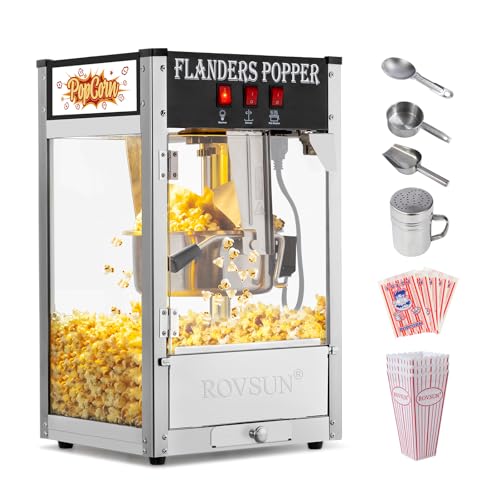
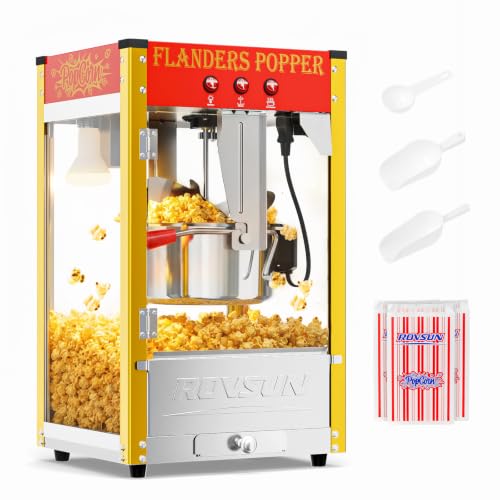
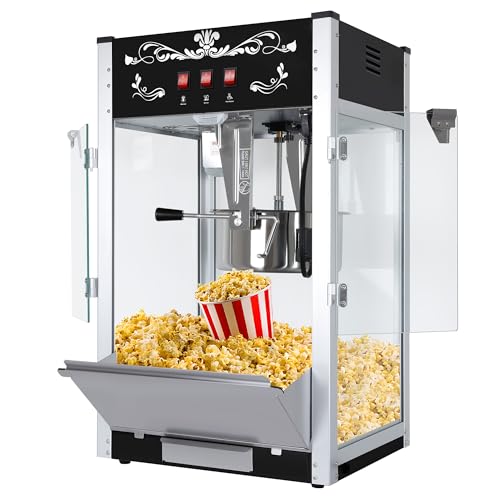
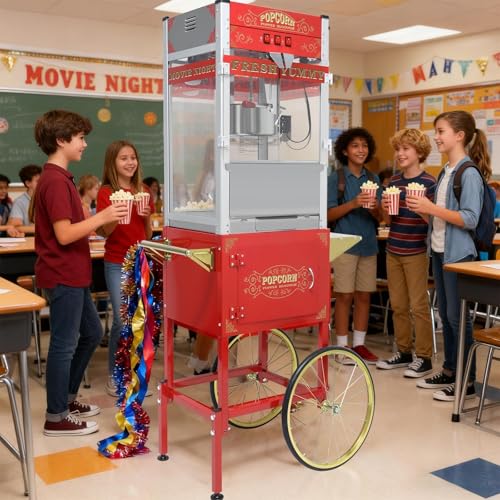
Quick Answer: Choosing a Commercial Machine in 30 Seconds
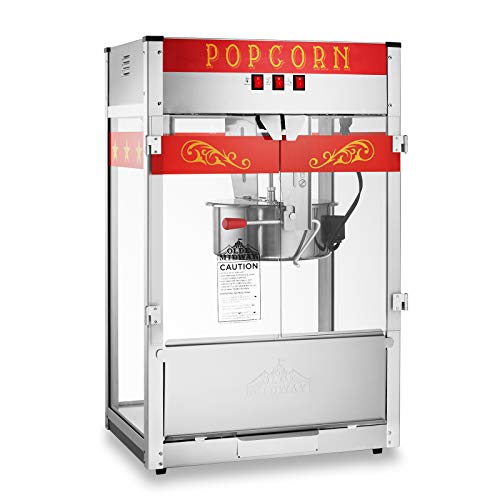
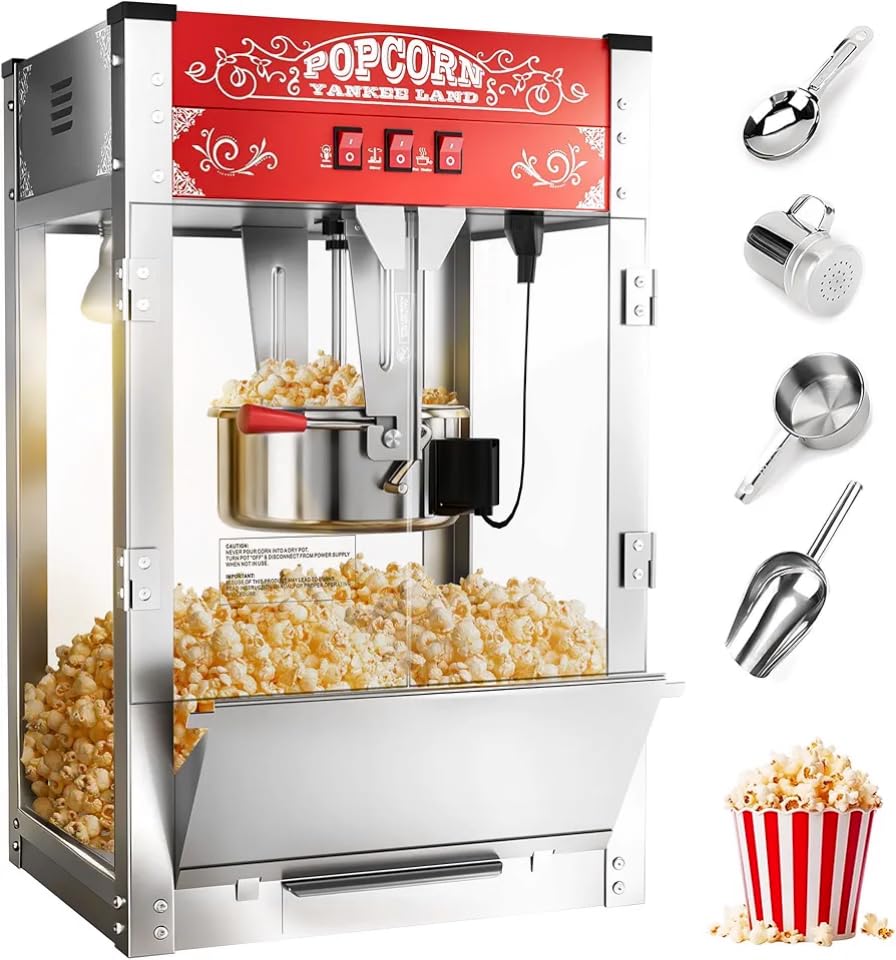
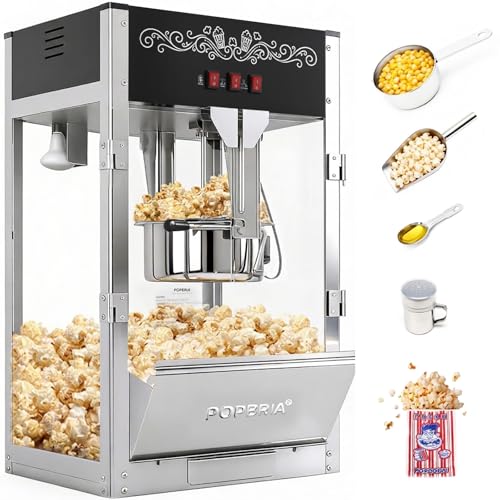
For most homes, a countertop kettle machine with a 6 to 8 ounce kettle is the balanced choice. It makes enough for a family plus guests, warms the batch while you pour drinks, and still fits under most upper cabinets. Choose a cart style only if you have floor space to spare and love the theater look. Choose a larger 10 to 12 ounce kettle only if you truly serve big groups often, since it needs more storage, more oil, and more cleaning after each use.
Before You Buy: A Quick Checklist for Choosing a Popcorn Machine
Commercial describes how the machine pops and holds popcorn, not how large your house needs to be. Work through the points below before you fall for a shiny kettle. Each one affects daily use far more than color or styling does.
Which Type Fits Your Routine
Commercial machines use a heated kettle with oil and a stirring arm, which gives you the savory flavor and crisp texture people expect at a theater. Hot air models skip oil and taste lighter, and our guide to the best hot air popcorn machine covers that route if you prefer it. Stovetop pots cost less but need your full attention at the burner. Microwave and silicone options suit single servings, not a room full of guests waiting for a second bowl.
Wattage, Power and Energy Use
Most home sized commercial poppers draw about 800 to 1400 watts, and the kettle and warming deck often run together during serving. That load is fine on a normal kitchen circuit, but it can trip a breaker if a kettle, a toaster oven, and another heating appliance share one outlet strip. Plug the popper into its own wall outlet, never a thin extension cord. Energy cost per batch stays small, since a full cycle usually takes only a few minutes of heating.
Safety Features and Certifications
Look for a UL or ETL listing, which means an independent safety listing covers the electrical design. A kettle that tilts and latches shut, a door that stays closed while popping, and a deck that keeps loose kernels contained all reduce burn and spill risk. Keep hands and loose sleeves away from the hot kettle, and let it cool fully before wiping it out. Set the machine where children cannot pull the cord or reach inside while it runs.
Counter Space and Dimensions
Measure before you order, including the height with the door open and room for the kettle to tilt and dump. Many countertop models need about 18 to 24 inches of height, which can clash with low upper cabinets. Cart styles solve the height problem but claim floor space of roughly two square feet, plus clearance to walk around them. Also check the door swing and where the cord exits, since a machine pushed tight against a wall vents steam poorly and is awkward to load.
Realistic Budget Ranges
Small countertop models under $100 usually have a 4 ounce kettle, thinner metal, and fewer warming features. The middle range of about $100 to $250 is where most homes should shop, since you get a 6 to 8 ounce kettle, a warming deck, and sturdier doors and latches. Models at about $250 to $450 add larger kettles, carts, and heavier construction. Spending more mainly buys capacity and durability, not better flavor, so pay for the size you will use weekly.
Types Compared: How Commercial Machines Differ by Home and Use
Since the right choice depends on your room and your crowd, compare the three common formats below by how they live in a home day to day. Each format below uses the same kettle method, so the differences are size, storage, and serving style.
Countertop Kettle Machines for Family Movie Nights
A countertop kettle machine suits a kitchen or media room where you pop a few batches and then put the unit away or leave it in one corner. A 6 to 8 ounce kettle fills a large bowl in one cycle and keeps it warm while a second cycle runs. If that rhythm sounds like your household, our guide to the best popcorn machine for home use can help you compare it with smaller everyday poppers.
Cart Style Machines for Rec Rooms and Gatherings
A cart style machine pairs a kettle cabinet with a wheeled base and a small storage area for oil, kernels, and bags. It becomes a focal point in a rec room and rolls aside when the party ends, which suits homes that host often. The trade off is pure footprint, since it lives on the floor full time. Fans of that classic look can also browse our guide to the best theater style popcorn machine for other designs.
Larger Kettle Machines for Clubs, Teams and Frequent Hosts
A 10 to 12 ounce kettle serves school events, club meetings, and big family reunions without constant refills, and a wide cabinet holds a deep pile of popped corn. That scale brings real costs at home, including longer heat up time, more oil per batch, and a bigger kettle to scrub. Buy this size only when your guest lists regularly pass twenty people. For smaller groups, a mid size kettle run twice gives fresher batches with far less waste and cleanup.
How We Judge Commercial Popcorn Machines
We judge these machines on capacity in real servings, how evenly the kettle pops, ease of loading and dumping, cleaning access, noise during a film, and the safety and warranty points covered above. We rely on maker specifications and patterns in verified buyer reports about durability and daily frustrations. A model earns a place here only if its size, upkeep, and cost make sense inside a home, not just in a lobby or concession stand.
What We Like and What We Do Not Like About Commercial Machines Versus Other Poppers
What stands out first is flavor and volume. Oil popping in a kettle coats each piece lightly and evenly, salt sticks well, and the warming deck keeps a big batch crisp while people drift back for refills. The cabinet also makes serving tidy, since popped corn stays contained behind a door instead of scattering across a counter. For hosts, that combination of taste, holding time, and presentation is the whole appeal.
The downsides are size, noise, and upkeep. A kettle machine is louder than a hot air popper because the stirring arm and motor run through the whole cycle, and the cabinet takes far more room than a stovetop pot. Cleaning takes longer too, since oil film builds on the kettle and glass. If you pop corn twice a month for two people, a simpler popper will likely make you happier. If you feed a crowd monthly, the trade offs feel fair.
Common Buying Mistakes to Avoid
- Buying the largest kettle you can afford, then making small batches that pop unevenly and waste oil in an oversized pot.
- Skipping the height check, then finding the cabinet door or tilting kettle hits your upper cabinets every time you use it.
- Ignoring cleaning access, because a kettle that does not remove or tilt far enough turns every movie night into a scrubbing chore.
- Forgetting supply costs, since portion packs, oil, kernels, bags, and seasoning add up over a year of regular use.
- Running the popper on a crowded power strip, which risks a tripped breaker in the middle of a batch and a half popped kettle.
Cost of Ownership and Care
Running costs stay modest but real. Kernels and oil are cheap per batch, while pre measured portion packs cost more for the convenience of no measuring. Expect to replace nothing major for years if the kettle and motor hold up, though door latches and bulbs can wear. For correct loading, seasoning, and serving steps, see our walkthrough on how to use a popcorn machine before your first big night.
Wipe the kettle after it cools, clear unpopped kernels from the deck, and wash removable trays in warm soapy water. A deeper clean matters once oil residue starts to smell stale, and our guide on how to clean a popcorn machine explains how to handle buildup safely. Store kernels in a sealed container away from heat, since dry or stale kernels pop poorly and leave you with a disappointing batch no machine can fix.
Your Questions, Answered
What is the most reliable popcorn machine brand?
Reliability in this category depends less on a name and more on build details you can check before buying. Look for a kettle with a sturdy hinge and latch, a motor rated for the kettle size, and a warranty of at least one year with reachable support. Buyer reports that mention the same failure many times, such as doors warping or kettles losing heat, are a stronger warning sign than any single glowing review.
How do you clean a popcorn machine?
Start only after the kettle has cooled, then remove loose kernels and wipe the kettle interior with a damp cloth and a small amount of mild detergent. Never pour water into the kettle or soak electrical parts, since that can damage the element and create a safety risk. One point many owners miss is the vent area above the kettle, where steam carries oil film that turns sticky over time and needs regular wiping too.
Is a popcorn machine worth it?
It is worth it if you pop corn often enough that the per batch savings and the fun of serving it beat the storage and cleaning costs. A household that hosts twice a month will usually get its money back within a year or so compared with bagged theater style snacks. If popcorn is a rare treat for you, a stovetop pot gives similar flavor with almost no storage cost, so the machine would mostly sit idle.
How long does a popcorn machine last?
A home used commercial style popper often lasts about five to ten years, with the kettle coating and the stirring motor usually deciding the lifespan. You can stretch that range by avoiding metal utensils inside the kettle and by never running it empty, which overheats the element. A useful early warning sign is a batch that suddenly leaves far more unpopped kernels than usual, which can mean the kettle is no longer heating evenly.
Are commercial popcorn machines worth it?
They are worth it when you value flavor, warm holding time, and serving a group from one cabinet, and when you have a permanent spot for the unit. For a small apartment or a kitchen already short on counters, the same money buys a compact popper plus a year of kernels, with far easier storage. Think about where the machine will live on an ordinary Tuesday, not just how it looks on party day.
Final Thoughts
Match the kettle to your real crowd, measure your space twice, and choose sturdy construction over extra styling. For most households, the best commercial popcorn machine is a mid size countertop model that pops a full batch, holds it warm, and cleans up without a fight. Before you order, look back at the product table above, confirm your outlet and clearance, and pick the format your home will welcome week after week.