
Best Commercial Rotisserie Ovens for Every Need: How to Pick the Right One for 2026
Disclosure: We may earn a commission when you buy through links on this page, at no extra cost to you. As an Amazon Associate I earn from qualifying purchases. Learn more

The best commercial rotisserie ovens balance capacity, fuel and cleaning access. Compare electric, gas and vertical styles by batch size and daily service needs.
There is no single rotisserie oven that fits every kitchen, because a deli roasting chickens all day, a grocery counter, and a serious home cook all need different things. The best commercial rotisserie ovens share even rotation, reliable heat, and parts that clean without a fight, but they vary widely in capacity, fuel, and footprint. This guide sorts those differences by real use case first, so you can read the comparison table below knowing which size and style belong on your short list.
Start with birds or roasts per batch, hours of service per day, and the space and venting you truly have. Those limits matter more than any extra program.
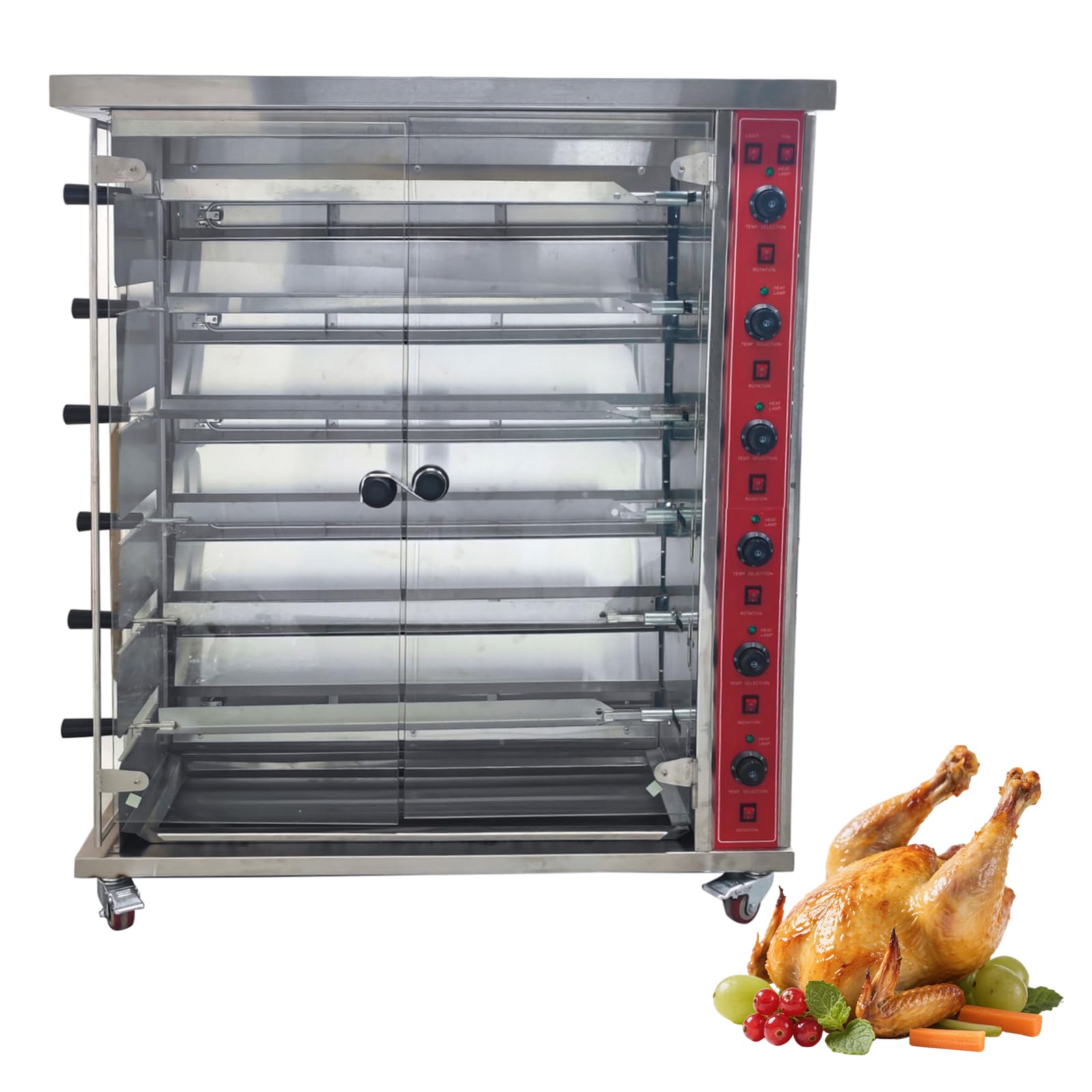
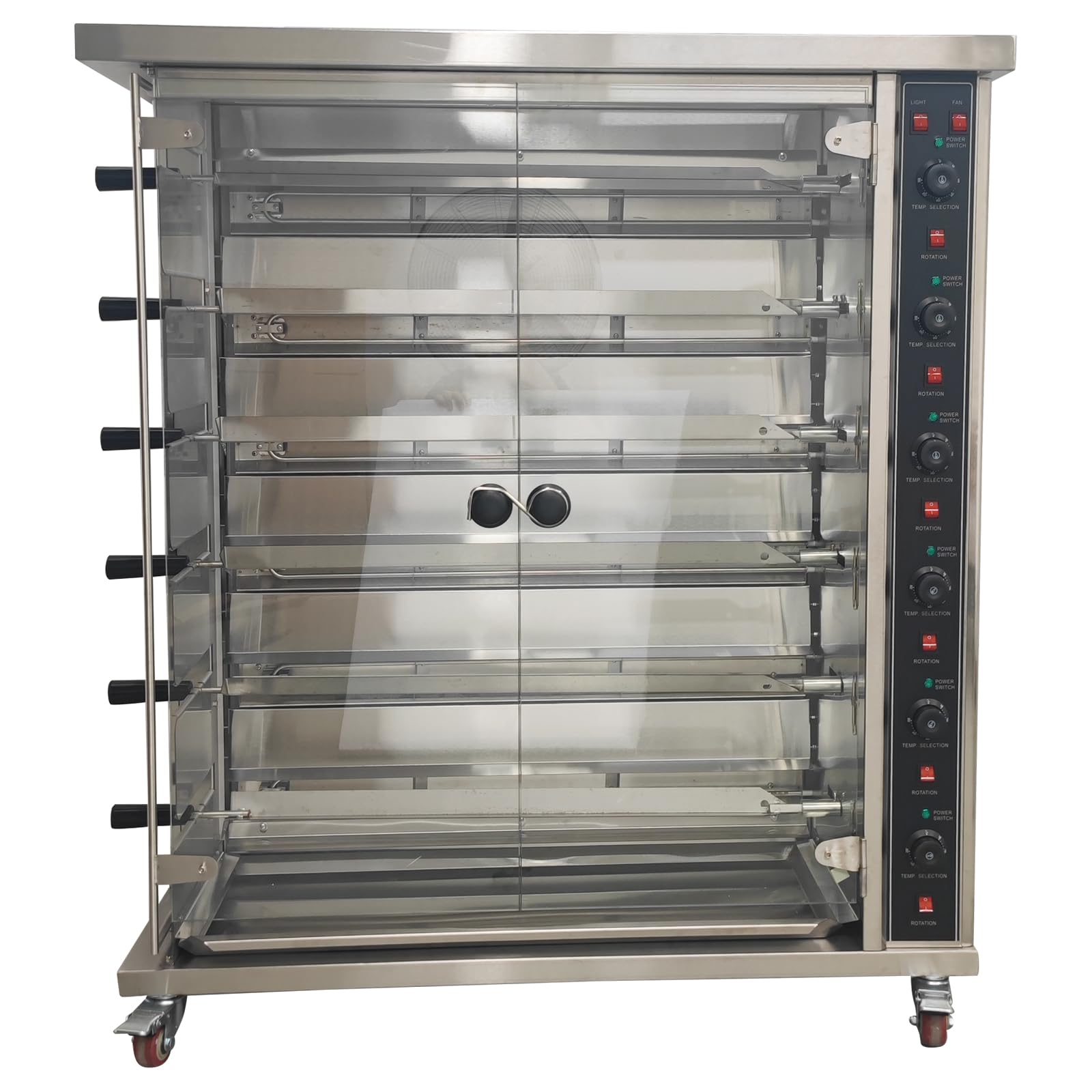
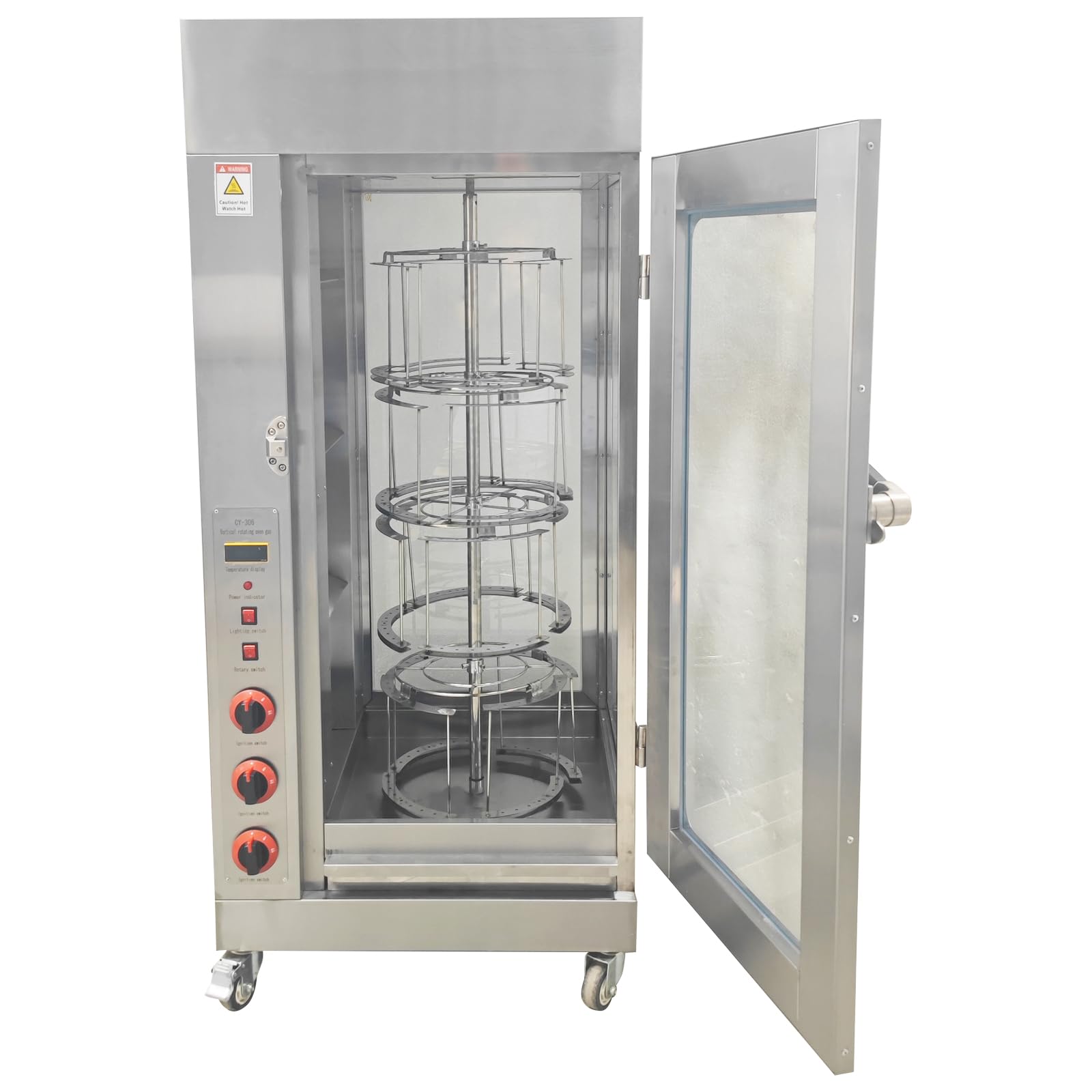

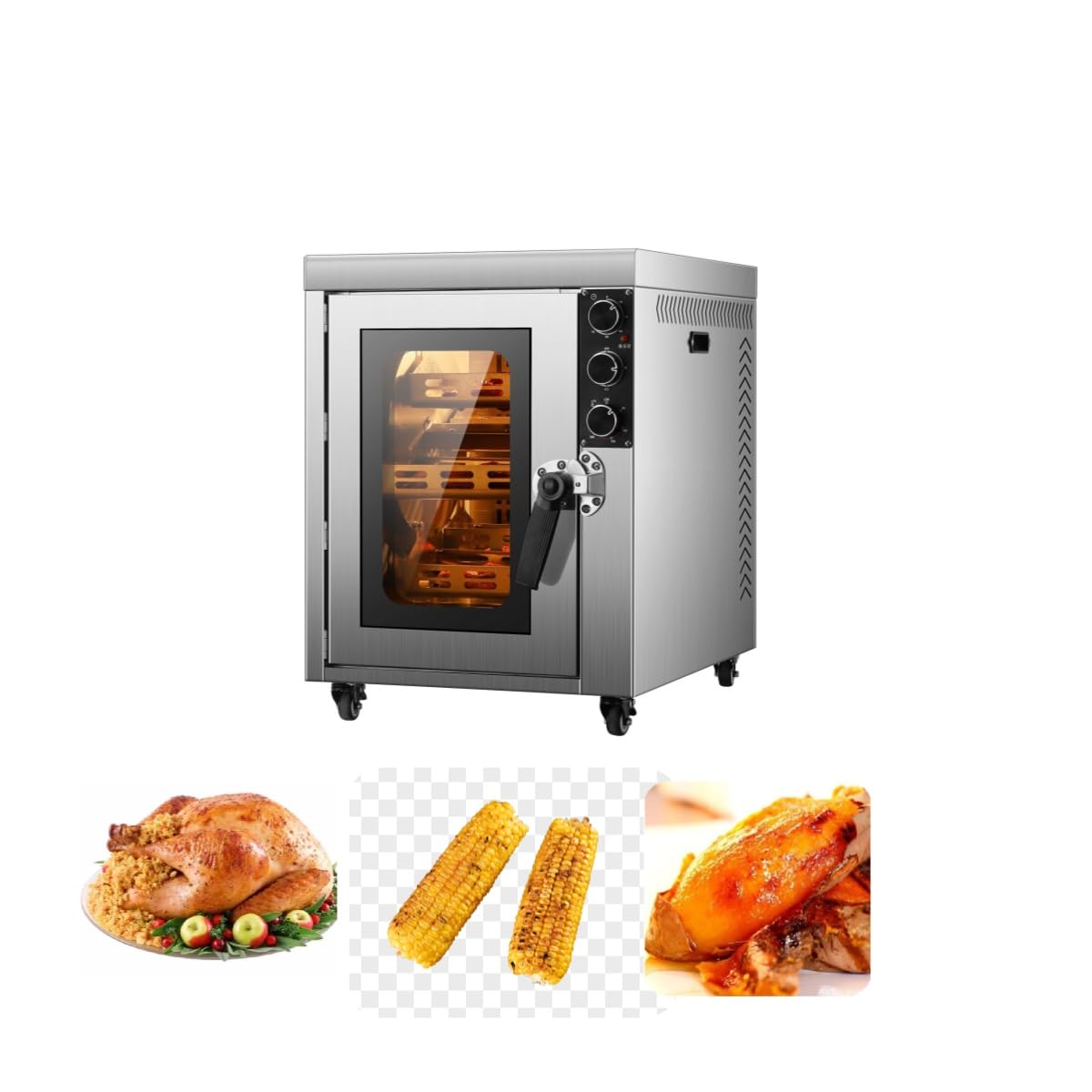
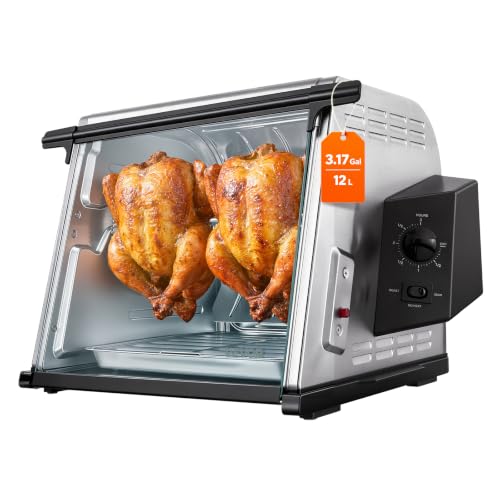

Who Should Buy Which Commercial Rotisserie Ovens?
For Busy Families Cooking Every Day
Families who roast often need a unit that handles a whole chicken plus sides without crowding, heats without long waits, and wipes clean after greasy cooks. A countertop or compact commercial style unit with simple dials, a removable drip tray, and a clear door for checking browning works best. Prioritize a spit that locks securely and a tray that slides out without tilting, because daily use punishes fussy parts. Speed matters less than repeatable results on a weeknight schedule.
For Small Kitchens and Apartments
Small spaces call for a compact footprint, modest electrical demand, and storage friendly size. Look for units that roast one chicken well rather than two poorly, with heat that will not overwhelm a small kitchen. Ventilation is often limited in apartments, so lower smoke output and a door that seals well matter. Choose a model class whose cord length and clearance needs match your counters, and confirm it fits under cabinets with the door fully open.
For Serious Home Cooks
Serious cooks benefit from precise temperature control, strong motors that turn heavy loads without strain, and materials that hold up to frequent high heat. Glass viewing, programmable timing, and the ability to pause rotation for basting add real control. If you cook for gatherings, consider capacity for two birds with air space between them, since crowded roasts steam instead of crisping. Durability of the spit forks and bearings matters more here than extra preset programs.
For Occasional Users on a Budget
Occasional users should pay for solid basics only: steady heat, a reliable motor, and easy cleaning. Around $150 to $400 covers many home focused options, while true commercial units start higher. Skip extra racks and complex controls you will use twice a year. A simple unit that you pull out gladly for Sunday roasts beats a large, costly machine that lives in storage because setup feels like work.
Key Features to Compare
Fuel Type: Gas, Electric, Induction, or Dual Fuel
Most rotisserie ovens in this category are electric, which makes installation simple and heat steady, while larger commercial units may use gas for lower running cost at high volume. Gas needs a proper line, ventilation, and professional setup, plus attention to carbon monoxide safety and local codes. Electric needs a circuit that can handle sustained high draw. Induction does not apply to the rotisserie cavity itself, so judge any induction claim carefully and focus on the heating system that actually roasts.
Controls and Smart Features
Simple knobs for time and temperature are often the most reliable choice in a greasy, busy kitchen, because they work with wet hands and gloves. Touch controls look clean but can respond poorly when fingers are oily. Useful extras include a timer that shuts heat off, a light inside the cavity, and a keep warm setting for short holds. WiFi and app control add little for a roast you should watch in person, so treat them as optional, not essential.
Size and Cutout Dimensions
Measure width, depth with the door open, and height with clearance for heat escape. Freestanding countertop units need space on all sides, while larger floor units need a level spot near power or gas and proper venting. A unit rated by number of chickens can mislead, since bird sizes vary. Look at interior width and spit length in inches, and picture your largest regular roast inside with room for air to circulate. For broader context, our guide to the best rotisserie ovens covers home focused styles that sit below full commercial size.
Oven Capacity and Convection
Capacity and airflow work together. A fan that moves hot air around a rotating roast evens browning and shortens cooking time, but only if the load does not block the vents. Overloading is the most common cause of pale skin and uneven doneness. Choose capacity for your typical batch, not your largest holiday batch, and plan two runs for rare big events. That approach keeps daily results crisp and energy use sensible.
Self Cleaning and Steam Clean
True self cleaning is rare in rotisserie units, so judge cleaning by design instead: removable doors or panels, dishwasher safe drip trays, and smooth interior surfaces without exposed screws that trap grease. Steam helps loosen light soil if you run it while the unit is still warm. The most practical habit is simple. Line the tray where the maker allows it, wipe splatter after each use, and deep clean the spit assembly weekly during heavy use.
Common Mistakes to Avoid When Buying Commercial Rotisserie Ovens
- Judging by headline chicken count without checking spit length and bird size.
- Ignoring fuel and circuit needs until delivery day, then finding the kitchen cannot support the unit.
- Buying far more capacity than daily service needs, which wastes energy and counter or floor space.
- Skipping ventilation planning, even though roasting produces steady heat, smoke, and grease vapor.
- Overlooking warranty terms for the motor and heating element, the two parts under constant strain.
Shops comparing several oven types at once may also review our guide to the best commercial ovens to see where a dedicated rotisserie unit fits beside a standard commercial oven in the same kitchen line.
How to Make Your Commercial Rotisserie Oven Last Longer
The best commercial rotisserie ovens keep roasting only with regular care. Use cookware and trays that match the unit size so heat flows as designed, and never force an oversized pan against the heating elements. Wipe interior surfaces after they cool, clean the drip tray before grease hardens, and wash spit forks and holders so residue does not bake into joints. Check the door seal and motor sound monthly. A new grinding noise or a wobbling spit is an early warning to service the unit before a busy service day turns it into a failure. Keep vents clear and store removable parts dry to prevent odor and corrosion.
Frequently Asked Questions
What size commercial rotisserie oven do I need for my kitchen?
Choose the size that fits your typical batch with air space around each roast, plus clearances your space can truly provide. One or two birds suit most homes and small counters, while steady retail service needs multi spit capacity. Measure the delivery path and the final spot, including door swing, and remember that a slightly smaller unit you can vent well will outperform a larger unit crowded into a hot corner.
Is convection worth paying extra for?
Yes, convection is usually worth it for rotisserie cooking because moving air evens browning on all sides as the roast turns. It also helps skin crisp at a slightly lower temperature, which reduces smoking. The benefit shrinks if you overload the cavity, so pair convection with sensible batch sizes. For single small roasts cooked slowly, a basic radiant unit can still produce very good results.
Do I need a special outlet for an electric rotisserie oven?
Large electric rotisserie units may need a dedicated circuit, and the largest commercial models can require higher amperage service rather than a standard outlet. Check the nameplate draw and your panel capacity before ordering. A qualified electrician can confirm in one visit, and that check is far cheaper than returning a heavy unit or running it on an overloaded circuit that trips during service.
Gas or electric: which is better for a rotisserie oven?
Neither wins for every kitchen. Gas can cost less at high volume where service already exists, while electric is simpler to install and holds steady temperatures for long roasts. Base your decision on venting, utility cost and service access in your building.
How long does a commercial rotisserie oven last?
A quality commercial rotisserie oven often lasts about 10 to 15 years in home or light commercial use, and less under constant all day service without maintenance. Motors, bearings, and heating elements wear first. Regular cleaning, prompt replacement of worn spit parts, and keeping grease out of the motor housing extend life the most. Follow food safety guidance and cook poultry to safe internal temperatures every time.
Our Verdict
Let batch size, fuel access, and cleaning design lead your choice, in that order. The product table above will help you compare capacities and layouts once those basics are set. For kitchens that also serve baked items, our guide to the best commercial pizza ovens shows a useful companion category. When the fit is right, the best commercial rotisserie ovens deliver crisp skin, juicy meat, and steady service without daily fuss.


