
Best Commercial Patio Heater: Types, Fuel and Safety Guide for 2026
Disclosure: We may earn a commission when you buy through links on this page, at no extra cost to you. As an Amazon Associate I earn from qualifying purchases. Learn more

The best commercial patio heater depends on fuel access, layout and safety. Compare standing propane, pyramid flame and mounted electric or gas models.
A heater that works for a home patio can struggle badly in a busy dining room or hotel terrace, where it runs every evening, gets moved by staff, and sits out in all weather. Choosing the best commercial patio heater means looking past headline heat output and weighing build quality, fuel logistics, stability, and safety controls. The comparison table below sums up the main types, and this guide explains how to match them to your space. For a broader starting point, see our guide to the best patio heater options for home use.


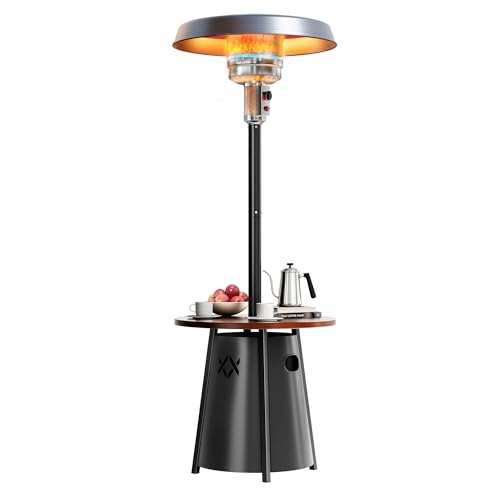
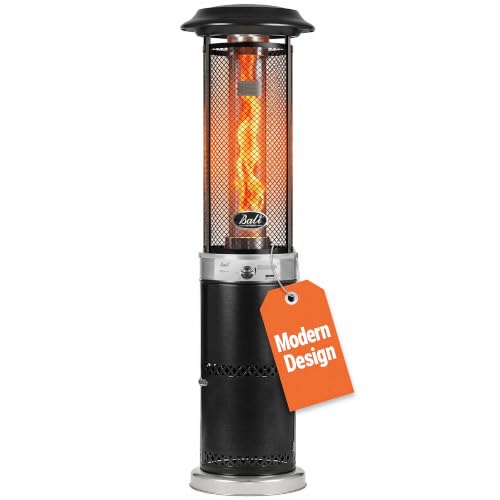


Heater Types at a Glance
Commercial heaters fall into three broad families. Standing propane models with a round reflector are the flexible workhorses, since they need no wiring or gas line and can move as seating plans change. Pyramid flame models add a visible flame inside a glass tube, which suits venues where looks matter as much as warmth. Mounted electric and natural gas models stay fixed in place, cost less to run per hour in many cases, and remove the nightly job of swapping fuel tanks.
Commercial Heater Types Compared
Standing Propane Heaters With a Reflector
This is the classic mushroom shaped design, with a burner at the top, a wide metal reflector, and a propane tank hidden in the base. Output is strong and the heat spreads in a circle, which works well around round tables and open terraces. The trade off is fuel handling, because staff must store spare tanks safely and change them during service. Choose this type when you need heat in shifting spots, have no gas line nearby, and can train staff on tank changes and safe storage.
Pyramid Flame Heaters
Pyramid models burn propane inside a tall glass tube, so guests see a real flame running up the center of the unit. They draw the eye and suit lounge areas, entrances, and patios where atmosphere sells the space. Heat output at table level tends to feel gentler than a reflector model of similar rating, and the glass tube needs careful handling during moves and cleaning. Pick this type when appearance is a genuine business need and the heater will stay in one sheltered spot rather than being wheeled around nightly.
Mounted Electric and Natural Gas Heaters
Mounted units fix to a wall, a post, or a ceiling beam and heat the zone below them, leaving the floor clear for tables, chairs, and foot traffic. Electric infrared models switch on instantly and need no fuel storage, while natural gas models connect to a fixed line and never run dry mid service. Installation costs more up front because you may need an electrician or a licensed gas fitter. This type suits covered patios and fixed seating layouts where the same tables need heat every single night.
How to Evaluate Commercial Patio Heaters
Judge every model against the same short list before you compare prices. Look at build materials and weather resistance first, then heat output and coverage for your seating plan, then how the unit assembles, anchors, and stores. Check the warranty terms for commercial use, because some warranties shrink or vanish when a heater rated for home use is run in a business. Finally, confirm the safety listings and controls, including a tip over shutoff and a flame failure device on gas models.
How to Choose the Right Patio Heater
Type and Fuel Source
Propane gives you freedom of placement and strong heat, but it brings tank storage, delivery, and swapping into your daily routine. Electric models are simple to run and work under roofs where open flames may be restricted, which is why the best electric patio heater designs are often mounted units. Natural gas removes refueling entirely once a line is installed, and the best natural gas patio heater options suit permanent layouts. Our breakdown of propane vs electric patio heater running costs can help you compare the two main routes before you commit.
Heat Output and Coverage
Manufacturers rate gas heaters in BTU per hour, and commercial standing models commonly fall around 40,000 to 50,000 BTU. Treat the stated coverage circle with caution, because wind, ceiling height, and open sides shrink the warm zone a great deal. In practice, one standing heater comfortably serves about two to four closely spaced tables. Space units so their warm zones overlap slightly at the edges, and keep a spare heater in reserve so one failure does not leave a whole section of guests cold.
Features Worth Paying For
Sturdy wheels matter more than almost any extra, because staff will move these units often and dragging a heavy base wears out both the heater and the floor. A piezo or electronic ignition that lights on the first or second try saves time at opening. Variable heat settings let you trim output on mild nights instead of running full power. A fitted cover is worth buying with the heater rather than later. Remote controls are a nice extra on mounted electric models, where the switch would otherwise sit out of easy reach.
Weather Resistant Materials
Stainless steel resists rust best and keeps its looks in coastal air, though it costs more and shows fingerprints. Powder coated steel costs less and looks smart at first, but chips from knocks and moving can let rust start at the bare metal. Aluminum reflectors are light and resist corrosion, yet thin ones dent easily. Check the burner mesh and fasteners too, since small parts often corrode first. If your patio sits near the sea or a pool, favor stainless steel and plan on rinsing salt and chlorine residue off surfaces regularly.
Size for Your Space
Standing heaters are tall, usually around seven feet, so measure your clearance under awnings, umbrellas, and low roofs before ordering, and follow the maker clearances to walls and ceilings exactly. The reflector needs open space around it to spread heat, and the base needs a flat footprint that will not block walkways or chair legs. For narrow terraces, mounted units solve the floor space problem entirely. Map your table layout on paper, mark heater spots, and confirm that server routes stay clear before you buy several units.
Assembly and Anchoring
Most standing models arrive in sections and take one person about an hour to build with basic tools, and our walkthrough on how to assemble a patio heater covers the general order of steps. In a public space, assembly is only half the job. Fill or weight the base as directed, or bolt the unit down where local rules allow, so a bumped table or a strong gust cannot topple it. Keep heaters level, because a leaning unit can trigger its own tip over shutoff and confuse staff during service.
Care and Off Season Storage
Wipe down reflectors and steel surfaces with a soft cloth so dust and grease do not bake onto hot parts. Check hoses, regulator connections, and burner openings before each season, and clear out spider webs, which are a common cause of weak flames after storage. Disconnect tanks and store them upright outdoors in a ventilated spot away from heat sources, following local fire rules. Move heaters under cover or fit their covers for the off season, and store glass tubes with padding so they cannot roll or knock together.
How Much Should You Spend?
Basic standing propane models for light commercial use start at about $150 to $250, though at that level expect thinner steel and shorter warranties. Mid range commercial units at about $250 to $500 usually bring stainless steel, better wheels, and stronger burners. Mounted electric and natural gas models can cost about $300 to $800 per unit before installation. Budget for the full picture, including covers, spare tanks, and installation work, rather than the heater price alone. Spending a little more per unit often costs less than replacing a cheap fleet early.
Commercial vs Other Patio Heaters: Pros and Cons
Commercial models are built for daily runtime, thicker materials, and parts that can be replaced, so they hold up far better in a restaurant or hotel setting than home models. They also tend to carry stronger safety controls and clearer service support. The downsides are higher prices, heavier weight, and a plainer focus on function over compact storage. Home models cost less and fold or break down more easily, but their burners, wheels, and finishes often wear out within a season or two of nightly business use. If your patio earns revenue, the commercial route usually pays for itself in avoided replacements and fewer cold guest complaints.
One middle path deserves a mention. Some venues mix types, using mounted infrared units over fixed tables and standing propane units for flexible overflow seating. If that mix appeals to you, the best infrared patio heater guide explains how directional infrared heat differs from the all around warmth of a reflector model.
FAQ
What is the best commercial patio heater?
There is no single winner, because the right answer depends on your fuel access and layout. A standing propane reflector model suits open terraces with shifting tables, while mounted electric or natural gas units suit covered patios with fixed seating. Match the heater to your space using the criteria above, check that the warranty covers commercial use, and confirm the safety listings before you order several units at once.
Are commercial patio heaters worth it for a restaurant patio?
Yes, in most cases where the patio seats paying guests through the cooler months. Extending the usable season by even a few weeks can cover the cost of the heaters, and reliable warmth protects bookings that would otherwise cancel on chilly evenings. The value drops if your patio sits unused in cold weather or your local rules heavily restrict outdoor flames, so check both your booking pattern and your local fire code first.
How long does a commercial patio heater last?
A well kept commercial unit often serves for several seasons of nightly use, while neglected units can fail much sooner. Coastal air, stored fuel left connected, and rough handling during moves shorten service life the most. Burners and ignition parts are the usual first failures, so choosing a model with available spare parts matters. Keep a simple service log per unit, noting ignition trouble and flame quality, so you can repair small faults before the busy season.
How do you clean a commercial patio heater reflector and burner?
Let the heater cool fully, then wipe the reflector with a soft cloth and mild soapy water to lift the film that dulls its shine, and dry it so water spots do not form. Use a soft brush or compressed air on low pressure to clear dust from burner ports, never a wire or pin that could widen them. Clean the glass tube of a pyramid model with a long soft brush once cool. Avoid harsh scouring pads on stainless steel, since scratches give grime and rust a place to start.
Can a commercial patio heater run through a full evening service?
Yes, a standard 20 pound propane tank typically runs a standing heater for roughly a full evening and often longer on a medium setting, so most venues swap tanks between services rather than during them. Runtime drops at full power, so keep one filled spare per few heaters on site. Mounted electric and gas line models remove the question entirely, which is one reason fixed layouts favor them. Mark each tank with its fill date so staff never guess which spare is full.
Final Thoughts
The right heater for your venue is the one your staff can run safely every night without fuss, and that keeps guests warm enough to stay for dessert. Use the product table above to compare types side by side, weigh materials and fuel logistics as heavily as heat output, and you will land on the best commercial patio heater for your patio, your budget, and your season.


