
Best Commercial Leaf Blower: Build Types and Buying Guide for 2026
Disclosure: We may earn a commission when you buy through links on this page, at no extra cost to you. As an Amazon Associate I earn from qualifying purchases. Learn more

A buying guide to the best commercial leaf blower: gas, battery and wheeled types compared by airflow, build quality, weight and running costs.
On a paid route, a blower that stalls, overheats, or runs out of power halfway through a property costs you time on every stop that follows. Commercial work means wet mats of leaves in fall, grit in parking areas, and long stretches where the tool runs near full output. Choosing the best commercial leaf blower comes down to build materials and weather resistance, size and capacity for your properties, and how quickly the unit goes together and back on the truck.
This guide compares the main commercial build types instead of listing short lived model picks. Use the comparison table below to line up the types side by side, then read the criteria sections before you spend.
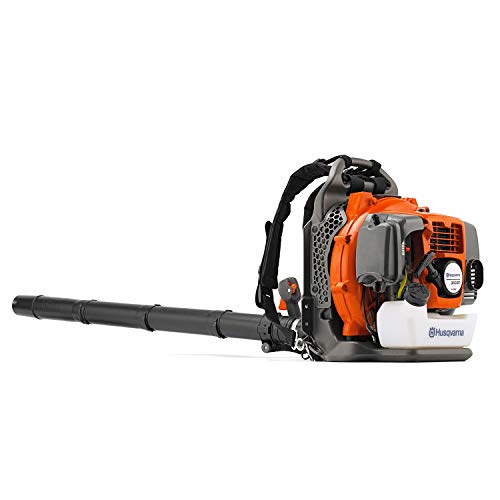


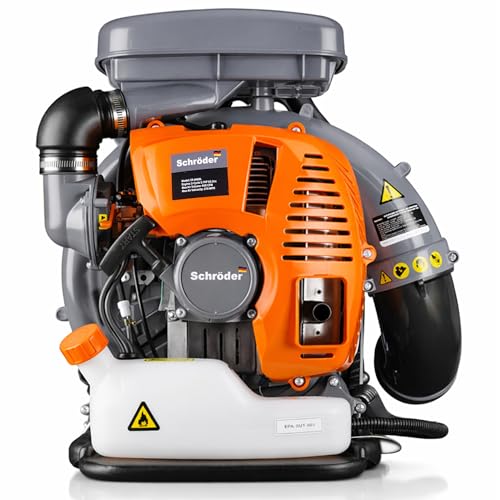


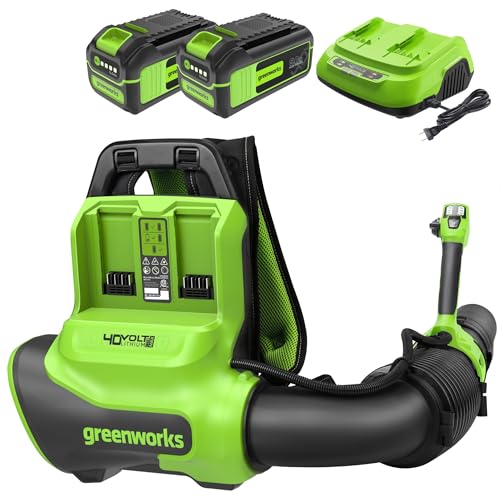
Three Commercial Build Types at a Glance
For commercial use, the short list is really three build types, each suiting a different mix of property size and crew routine.
- Gas backpack type: the default for large properties, long fall cleanups, and wet debris.
- Battery backpack and handheld type: best where noise limits or quick starts matter more than endless runtime.
- Gas handheld and wheeled type: handhelds suit short stops, while wheeled units cover open paved areas.
Three Commercial Build Types Compared
Gas Backpack Blowers for Large Properties
A gas backpack carries the engine on a padded frame, so the weight sits on your hips and shoulders instead of your arm. That matters over hours of work, since a handheld unit of similar output would tire your wrist and forearm long before the route ends. Backpack models also hold larger fuel tanks and move the most air of the portable types.
Choose this type when your properties are large or your fall season is heavy. The trade offs are noise, exhaust, and more engine upkeep, plus hearing protection for the crew.
Battery Backpack and Handheld Blowers for Quiet Routes
Battery commercial units trade the fuel tank for swappable packs, and many crews run them on the same platform as their trimmers and other tools. Starts are instant, there is no fuel mixing, and vibration and noise are lower, which helps near offices, schools, and early morning stops. Backpack battery versions spread the pack weight across your back.
Strong battery models handle dry leaves and light debris well, but sustained full power drains packs fast. Plan your pack count around your longest property, not your average one. For pack sizes and runtimes, see our guide to the best battery leaf blower options.
Gas Handheld and Wheeled Blowers for Mixed Work
A gas handheld is lighter to grab for a quick pass over a walkway, steps, or a truck bed, and it stores in less space than a backpack frame. It suits short bursts rather than acre scale work, since your arm carries the full weight and the tank is smaller.
Wheeled blowers sit at the other end of the scale. The engine and fan ride on wheels, so you push rather than carry, and the wide nozzle moves large volumes of air across parking lots and long driveways. They are poor in tight beds and on stairs, so they fit crews with big open paved areas.
How We Evaluated Commercial Leaf Blowers
We compared commercial models on five criteria drawn from manufacturer specifications and patterns in verified buyer reviews: build materials and weather resistance, size and capacity, ease of assembly, durability, and warranty terms. We treated maker airflow claims as comparable only when the rating method matched.
Air volume, in cubic feet per minute, shows how much debris a blower can push. Air speed, in miles per hour, shows how well it lifts debris that is stuck down. Volume does most of the clearing, so we weighted it more heavily.
How to Choose the Right Commercial Leaf Blower
Start with your properties, not with a spec sheet. List your largest site, your typical debris, and daily run hours. Our leaf blower buying guide covers general steps, while this section stays on paid work.
Type
Gas remains the capacity leader for long days away from power, and it refuels in a minute. Battery suits noise restricted sites and crews already invested in a pack platform, but you pay for runtime in spare packs and chargers. Corded electric rarely fits commercial routes, since cords limit range and outlets are unreliable, yet it can serve a fixed site such as a courtyard. If that case sounds like yours, our roundup of the best electric leaf blower models explains the cord and amp trade offs.
Our gas vs battery leaf blower breakdown covers running costs if your crew is split on switching platforms.
Features Worth Paying For
A variable speed trigger with a cruise setting is worth the money, since it lets you feather airflow around mulch and gravel instead of blasting them out of place. Anti vibration mounts protect your hands over long runs, and a tool free tube latch speeds up loading. A harness with a chest strap and padded hip belt turns a heavy backpack unit into an all day tool.
Skip attachments you will not use on route. A vacuum kit and mulcher can help on small stops where you must remove debris rather than move it. For most clearing, a flat nozzle for matted debris and a round nozzle for open ground cover your needs.
Weather Resistant Materials
Commercial blowers live on open trailers and in truck beds, so housings take rain, sun, and knocks that a garage kept unit never sees. Look for thick molded housings that flex rather than crack, metal tube clamps instead of thin plastic ones, and sealed switches that keep dust and moisture out. Rubber grips also resist cracking from fuel and sun.
On battery models, check how the pack mounts are shielded. Exposed contacts corrode when wet grass and road spray reach them, and a corroded contact can sideline a unit that otherwise runs fine. Favor wide straps with stitched reinforcement at the load points.
Size for Your Space
Match output to the ground you clear most often. Small stops such as shop fronts need modest airflow and a compact unit that loads fast. Suburban lots with mature trees need mid range volume plus enough speed to lift damp leaves off grass. Large grounds need the highest volume you can carry, since clearing time drops when each pass moves a wider band of debris.
Storage size counts as well. A backpack frame takes real space on a crowded trailer, and a wheeled unit takes more. Measure your rack space before ordering. A unit that shifts in transit arrives with cracked tubes and bent guards.
Assembly and Anchoring
Most commercial blowers arrive needing the tube sections fitted, the nozzle attached, and the harness adjusted. Tube joints should lock without play, since a loose joint leaks air and whistles under load. Set harness straps in your normal work clothing, and mark the positions so any crew member can reset them.
Anchoring covers how the unit stays put off the job. Strap backpack units upright on the trailer so fuel cannot pool against the cap seal, and store wheeled units with the nozzle raised so it does not warp. A lockable rack also deters theft at stops.
Care and Off Season Storage
Daily care is brief. Knock debris out of the intake screen, check the air filter, and look over the tube joints for cracks. Gas models need the filter and spark plug checked regularly, and fuel left sitting can gum the carburetor, so drain the tank or use stabilized fuel before storage. Battery packs should be stored partly charged in a dry place.
Store the blower clean and dry with the tubes removed if space is tight. Hang backpack units by the frame rather than the straps, since hanging by webbing stretches it. Most early season failures trace back to storage.
How Much Should You Spend?
Light commercial handheld units start at about $100 to $200. Serious backpack models, gas or battery, generally run about $300 to $600, with battery crews paying more once spare packs and chargers are counted. Wheeled units often land at about $500 to $900.
Spending more mainly buys capacity, stronger housings, and better warranty support. One dependable mid range backpack unit beats two cheap units that fail in peak season. Budget also for hearing protection, spare filters, and a backup tube section.
Commercial vs Other Leaf Blowers: Pros and Cons
A residential blower is built for short weekend sessions, with lighter housings and warranty terms that may exclude paid use. A commercial blower is built for daily hours, with serviceable parts and dealers who stock filters, straps, and tubes. Our overview of the best leaf blower options for home use shows the other end of that range.
- Pro: sustained output. Commercial units hold airflow over long runs without heat fade.
- Pro: serviceable build. Filters, tubes, straps, and plugs are meant to be replaced, so small failures do not end the tool.
- Pro: comfort over hours. Harnesses, balance, and vibration control suit full workdays.
- Con: higher cost. You pay more up front, and battery crews pay again for spare packs.
- Con: noise and rules. Gas units are loud, and some towns restrict blower noise or gas use, so check local rules before you buy.
- Con: more upkeep. Daily checks and seasonal service are required.
The step up is worth it when blowing is a billed service or a daily duty. If you only clear your own grounds once a week, a residential unit may cover you, and our explainer on is a leaf blower worth it walks through that math.
FAQs
What is the best commercial leaf blower?
There is no single winner, since the right pick depends on your route. For large properties and long fall days, a gas backpack type gives the most sustained airflow and fastest refueling. For noise restricted sites, a battery backpack type with enough spare packs fits better. Match the type to your longest day rather than your average stop.
Are commercial leaf blowers worth it?
Yes, if the blower earns money or runs daily. The value shows up as fewer breakdowns in peak season, parts you can actually order, and warranty terms that allow paid use. One avoided week of downtime in fall can cover the price gap over a residential unit. If your use is light and seasonal, that gap buys capacity you will never draw on.
How long does a leaf blower last?
A commercial unit that gets regular filter care and proper storage often serves for many seasons of daily work, while neglected fuel and clogged filters shorten that span sharply. Watch for falling airflow, hard starting, cracked tubes, and frayed straps as wear signals. Replacing wear parts early is far cheaper than letting a small fault strain the engine or motor.
Is a leaf blower worth it?
For anyone clearing large or tree covered ground, yes, since raking and tarping the same area takes many times longer. The case weakens on tiny paved yards where a broom finishes in minutes. Think in hours saved per season. If the tool saves an hour a week across a full season, it pays for itself in labor alone.
How do you clean a leaf blower?
Start with the unit off, cooled, and, for battery models, with the pack removed. Brush debris from the intake screen and housing vents, wipe the tubes inside and out, and clear packed grit from the nozzle lip, since a rough lip disrupts airflow. Wash straps with mild soap if they hold grime. Avoid pressure washing, which drives water into bearings, switches, and seals.
What is the most reliable leaf blower brand?
Reliability depends less on the badge than on support near you. A brand with a local dealer who stocks filters, tubes, and straps, and who can turn a repair around in days during fall, beats a bigger name with a long service queue. Ask other local crews about downtime, check whether paid use is covered, and favor makers with clear parts diagrams.
Final Thoughts
Pick the type first, then the capacity, then the comfort details. A gas backpack remains the safe default for heavy routes, battery types win on quiet stops, and handheld or wheeled units fill gaps in a mixed fleet. When you narrow your shortlist to the best commercial leaf blower for your own properties, let the product table above anchor the comparison, and buy for your longest day rather than your easiest one.


