
Best Battery Leaf Blower for 2026: A Complete Buying Guide
Disclosure: We may earn a commission when you buy through links on this page, at no extra cost to you. As an Amazon Associate I earn from qualifying purchases. Learn more

Match airflow, runtime and weight to your yard to choose the best battery leaf blower for quick cleanups or heavy fall leaves.
Choosing the best battery leaf blower sounds simple until you compare airflow numbers, battery sizes, and weights that all claim to tell the whole story. A blower that clears a large driveway with ease can feel bulky and wasteful on a small patio, while a light model can run out of charge halfway through a yard full of wet fall leaves. This guide helps you match power, runtime, and handling to the work you actually do.
The sections below walk through three buying profiles, the specs that matter most, and the tradeoffs between battery power and other options. Use the product table to line up the models you are considering against those same points, then check the price tiers and care advice before you decide.


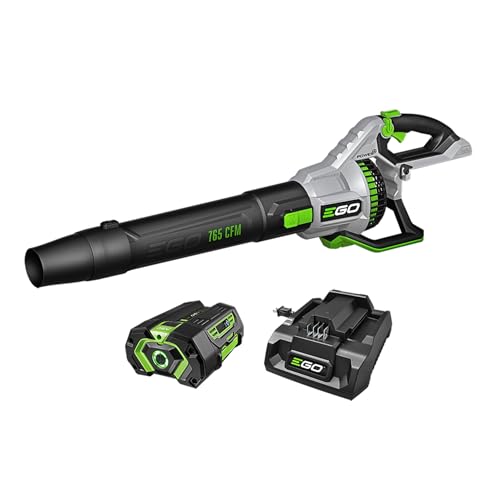
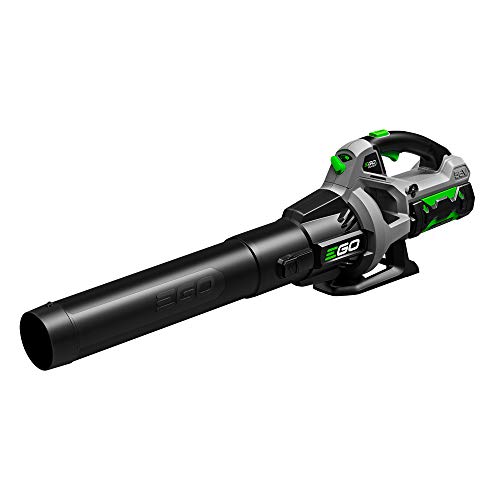
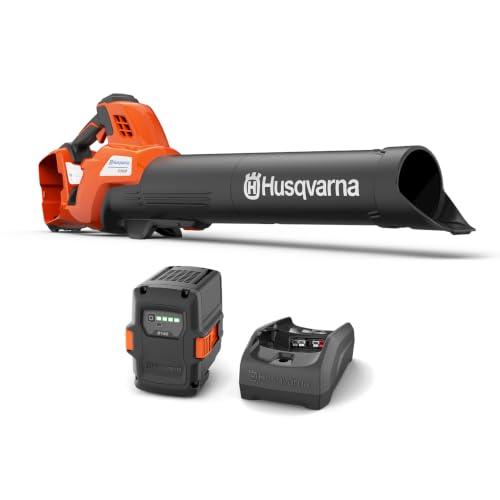

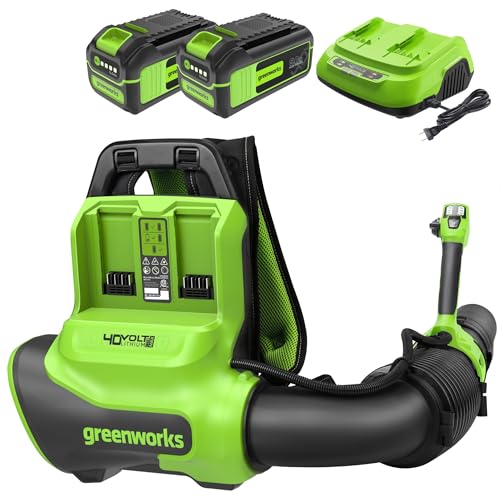
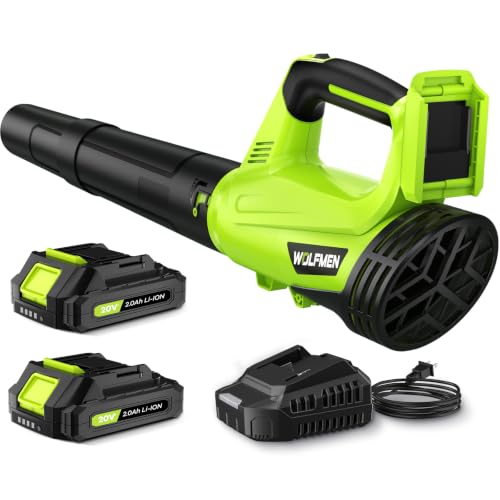
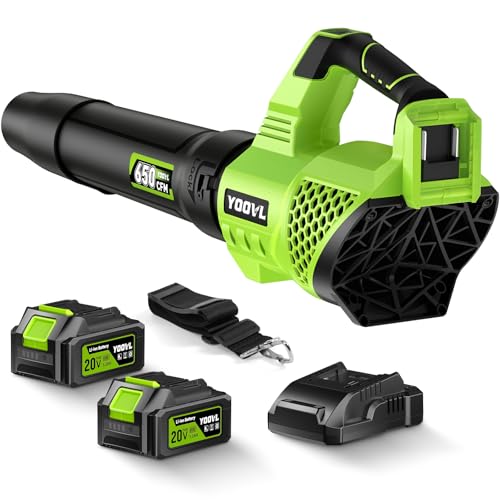
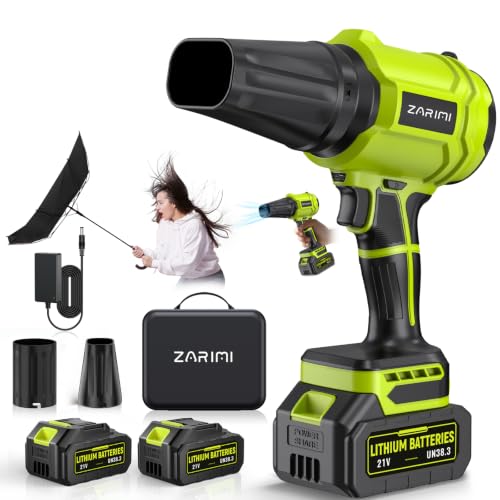

Three Buying Profiles and What to Prioritize
Instead of chasing a single winner, start with the profile that sounds most like your yard. Each profile points to a different balance of airflow, battery capacity, and weight. If your needs span two profiles, favor the one that matches your hardest regular job, because peak fall cleanup is where weak blowers show their limits first.
Small Yards and Quick Cleanups
You clear a driveway, a front walk, a deck, and a modest lawn, and most jobs take under twenty minutes. Prioritize low weight, simple controls, and a compact tube that stores easily in a garage corner. Moderate airflow is enough for dry leaves and grass clippings, so you can skip the largest batteries and keep the price down. A single battery with a fast charger suits this pattern well, since you can top up between short sessions without planning ahead.
Average Suburban Yards With Heavy Fall Leaves
You face several mature trees, a longer driveway, and leaves that often land wet and matted on the lawn. Prioritize stronger airflow, a battery platform with larger packs, and a variable speed trigger that lets you feather power near flower beds. Runtime matters more than headline speed here, because moving wet leaves takes sustained force rather than a short burst. Plan on two batteries if your cleanup sessions regularly run past thirty minutes at high power.
Large Properties and Frequent Use
You maintain an acre or more, clear long paths, or help neighbors after storms, and you use the blower most weeks of the year. Prioritize the highest airflow class, comfortable balance over long sessions, and a battery system you can share with other outdoor tools you own. A backpack style can spread the load and reduce arm fatigue. Budget for spare batteries from the start, since rotating packs turns a battery blower into a true all day tool.
Key Features to Compare
Airflow Measured in CFM and Speed in MPH
Airflow, listed as CFM or cubic feet per minute, tells you how much air the blower moves, and that volume is what lifts and carries leaves across a lawn. Speed, listed as MPH, tells you how fast the air leaves the tube, which helps scour stuck debris from pavement cracks and corners. For general yard work, look for a balance of both rather than one extreme number. A blower with high CFM and moderate speed moves piles better, while very high speed with low volume can scatter leaves without moving the pile far.
Battery Voltage, Capacity, and Runtime
Voltage describes the battery platform, while amp hours describe how much energy a pack holds, and runtime depends on both plus the speed setting you use. A larger pack can double your working time, but it also adds weight you carry in your hand or on your back the whole session. Manufacturers quote runtime at low speed, so expect much less time at full power, often a third or less of the stated figure. If you already own cordless tools, staying on the same battery platform is usually the smartest saving in this whole purchase.
Weight, Balance, and Controls
Published weight sometimes excludes the battery, so check the working weight with the pack you plan to use before you judge how light a blower feels. Balance matters as much as raw weight, because a nose heavy tube tires your wrist even when the total number looks modest. Look for a variable speed trigger for delicate work near mulch, plus a cruise control or trigger lock for long straight runs on driveways. A comfortable grip and a tube length that suits your height keep you from hunching during long fall sessions.
Noise Level and Neighbor Considerations
Battery blowers are far quieter than gas models, but quoted sound levels still vary a lot between designs, and some add a high pitched whine at full speed. If you work early in the morning or live close to neighbors, a quieter model or a low noise mode is worth real money. Some towns and homeowner associations set limits on blower noise and hours of use, so check local rules before you buy. Even a quiet blower deserves hearing protection during long sessions, since exposure adds up over a full afternoon.
Build Materials and Weather Resistance
Most housings use tough molded plastic that shrugs off knocks, while cheaper models can flex at the tube joints and leak air where sections meet. Look for solid latches, a sturdy intake guard, and seams that keep dust and light moisture away from the motor and battery contacts. No battery blower should be used in heavy rain or stored outdoors uncovered. Wipe the contacts dry after damp work, because corrosion there causes power faults owners often blame on the battery.
When you compare across power types, our broader guide to the best leaf blower explains how battery models sit alongside gas and corded options for different yard sizes.
How to Choose the Right Battery Leaf Blower
Handheld, Backpack, and Walk Behind Types
Handheld models suit most homes, since they are light, easy to store, and quick to grab for a five minute sweep of the porch. Backpack models move the battery and motor weight onto your shoulders, which pays off on large lots where sessions run long and power demands stay high. Walk behind wheeled blowers are rare in battery form and mainly serve very large paved areas. For most buyers the choice is simple, so read our guide to the best handheld leaf blower if you lean toward the lighter format most households choose.
Features Worth Paying For
A battery and charger included in the box matters, because a bare tool price can hide about $100 to $200 of extra cost before you blow a single leaf. Variable speed control, a turbo boost for short bursts, and interchangeable nozzle shapes all earn their keep in real use. A vacuum kit or mulching function helps if you collect leaves into bags, though it adds weight and cleaning time. Brushless motors cost more but generally run cooler and last longer than brushed designs under heavy loads.
Size the Blower for Your Space
Match the blower to the largest area you clear in one session, not to the biggest yard on your street. Small yards under a quarter acre do well with compact models and a single midsize battery, while half acre lots with trees need stronger airflow and a second pack. Storage counts too, since a long tube and bulky charger need a dry shelf or wall hook.
Assembly and First Use
Assembly is usually simple, with tubes that click together and a battery that slides onto the body until it latches. Charge the pack fully before first use, check that every tube section is seated so air does not leak at the joints, and start on low speed to learn how the blower reacts near gravel and mulch. Keep fingers and loose clothing away from the intake, and never point the tube at people or pets. Wear eye protection, since a strong stream can lift grit and small stones from driveways without warning.
How Much Should You Spend?
Basic models under $100 handle dry leaves on hard surfaces but usually include small batteries and modest airflow. The crowded middle ground of about $100 to $250 brings brushless motors, useful runtime, and chargers in the box, and it fits most suburban yards. Spending about $250 to $400 buys higher airflow, larger or paired batteries, and quieter designs for bigger properties. Above that range you are mostly paying for professional duty construction, so weigh whether your weekly use truly justifies it against a second battery instead.
If you are still weighing power sources, the direct comparison in gas vs battery leaf blower lays out running costs, upkeep, and noise side by side.
Battery Power Compared With Other Options
Battery blowers start instantly, need no fuel mixing, and ask for almost no routine upkeep beyond cleaning and sensible battery storage. They are quieter than gas, free you from cords, and cost little to run when you already own batteries in the same platform. Their limits are runtime at full power and the upfront cost of spare packs, which can rival the price of the tool itself. For most homes those limits are easy to manage with planned charging, and the convenience wins week after week.
Gas models still deliver longer continuous runtime and suit very large rural properties where charging access is scarce. Corded electric models run without pause and cost less, but the cord limits range and snags on shrubs and fence posts. If corded power appeals to you, see our guide to the best electric leaf blower for how those models differ in weight and reach. Weigh your longest single session honestly, because that number usually settles the power source question.
Care and Off Season Storage
Brush leaves and dust from the intake guard and tube after each use, since blocked airflow makes the motor work harder and shortens runtime. Check the tube latches and housing screws a few times a year, and replace a cracked nozzle before damage spreads under vibration. Store batteries indoors at a partial charge in a cool dry place, away from freezing garages and hot sheds, and recharge them every few months during long storage.
FAQ
What is the best battery leaf blower for a typical home?
The right choice for a typical home is a midrange handheld model with balanced airflow and speed, a brushless motor, and a battery large enough for about thirty minutes of mixed work. Prioritize working weight and a variable speed trigger over the highest headline numbers. One useful extra check is charger speed, since a rapid charger can return a flat pack to service during a lunch break and change how you plan big cleanup days.
Are battery leaf blowers worth it compared with gas models?
Yes, battery leaf blowers are worth it for most homes because they start instantly, run quietly, and remove fuel storage and most engine upkeep from your routine. Gas still suits very large properties with long continuous sessions. One point owners often miss is battery replacement cost years later, so choosing a large and active battery platform protects your investment if an original pack eventually loses capacity and needs replacing.
How long does a battery leaf blower last?
A well kept battery leaf blower can serve for many years, since the motor has few wearing parts and no fuel system to clog during storage. Batteries age fastest, gradually holding less charge after hundreds of cycles. You can slow that decline by avoiding full discharge storage and keeping packs out of hot vehicles in summer. When runtime drops sharply, replacing the pack usually restores the tool rather than forcing a whole new purchase.
Is a leaf blower worth it for a small yard?
Yes, a leaf blower is worth it for a small yard if leaves, seeds, or grass clippings regularly cover your paths, deck, or driveway and sweeping feels slow. A compact battery model earns its shelf space by turning a twenty minute sweep into a five minute pass. Consider sharing one with a neighbor if storage is tight, or choose a small model that also clears light snow dust from steps in winter where local conditions allow.
How do you clean a battery leaf blower?
Remove the battery first, then brush debris from the intake guard, wipe the tube inside and out with a damp cloth, and clear any leaves packed around the fan housing vents. Let every part dry before you refit the battery. Once a season, inspect the battery contacts and clean them gently with a dry cloth, because a film of dust and sap there can interrupt power long before the pack itself wears out.
What makes a leaf blower brand reliable over time?
Reliability comes from steady battery platform support, spare parts that stay available, clear warranty terms, and chargers and packs that remain on sale years after you buy the tool. A brand that keeps selling compatible batteries protects you when your first pack ages out. Also check how easy it is to reach service or order a replacement tube, since small parts support often matters more in year five than any launch day specification.
Final Thoughts
The best battery leaf blower is the one whose airflow, runtime, and weight fit your yard and your longest regular session, not the model with the biggest numbers on the box. Use the product table to compare your shortlist against the profiles and price tiers in this guide, and favor a battery platform you can grow with. Choose well, store the packs with care, and fall cleanup becomes a quick routine instead of a dreaded weekend project.


