Best Commercial Laser Printers: Buying Guide for 2026
Disclosure: We may earn a commission when you buy through links on this page, at no extra cost to you. As an Amazon Associate I earn from qualifying purchases. Learn more
Compare the best commercial laser printers by speed, duplex, paper handling and cost per page, with a practical checklist for offices of every size.
An office printer that jams, crawls, or eats expensive toner can slow a whole team down. Commercial laser models solve most of that with fast output, crisp text, and toner that lasts for thousands of pages, but the range is wide and the specification sheets are full of jargon. This guide breaks the choice into plain criteria you can match to your monthly volume.
The best commercial laser printers balance speed, paper handling, and a low cost per page rather than chasing the longest feature list. Start with the comparison table below, then use the profiles and buying criteria that follow to pick the class of machine your office actually needs.


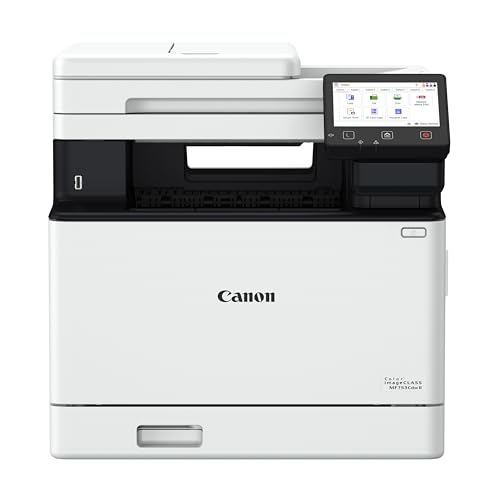

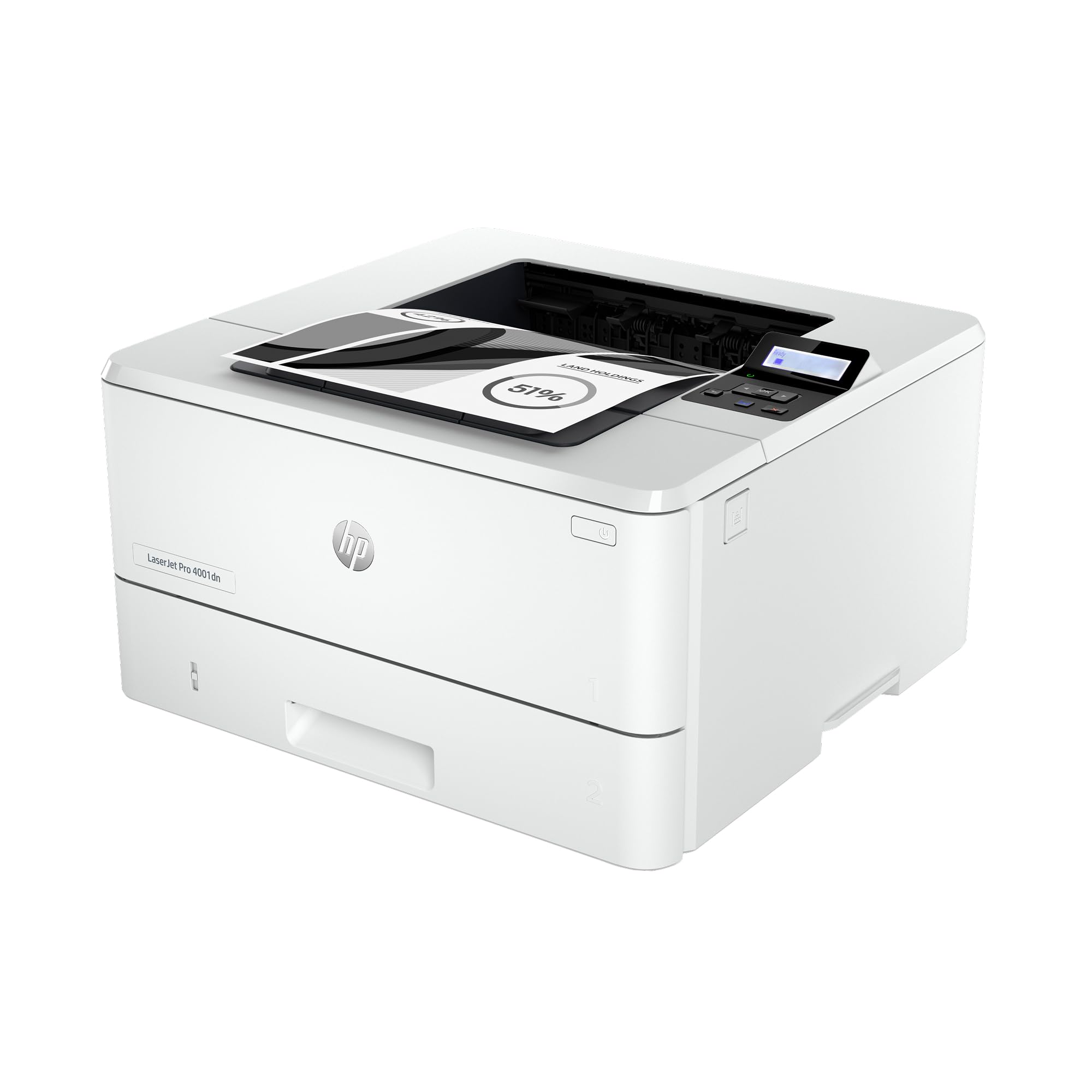
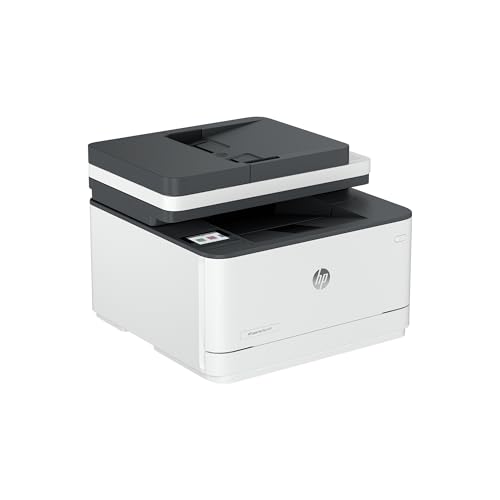
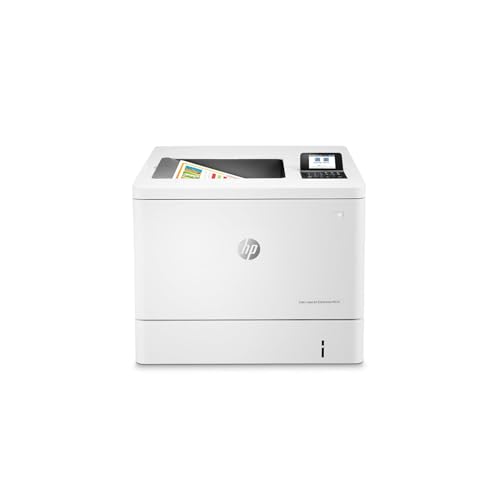
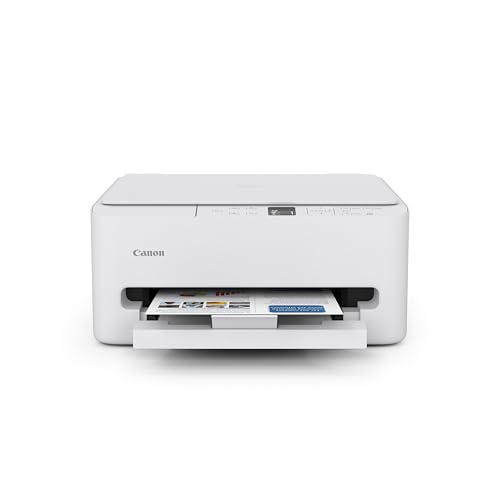
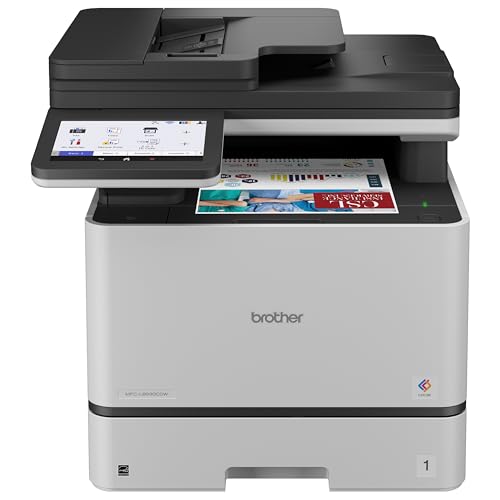
Printer Profiles at a Glance
Instead of naming specific models, think in profiles. Most commercial laser printers fall into one of three broad profiles, and your monthly page volume usually tells you which one fits.
High Volume Office Profile
The all around profile suits offices printing a few thousand pages a month. Expect fast first page output, automatic duplex printing, a large main tray plus a multipurpose slot, and wired networking alongside WiFi. This profile costs more up front than entry models, around $400 to $900 for many office units, but toner yields are high and the cost per page stays low.
The main limit is size. These machines are heavy and deep, so measure the shelf or cabinet before ordering. For most small and midsize offices, this profile is the safest long term choice because it rarely needs replacing as the team grows.
Budget Friendly Office Profile
The value profile trims speed and tray size to cut the purchase price, often to about $200 to $400, while keeping the core laser advantages of sharp text and low running costs. It suits offices that print daily but in modest amounts, such as invoices, letters, and short reports.
Check the toner story before you buy. Some low priced printers ship with small starter cartridges and pricey replacements, which erases the saving within a year. Favor a value model that accepts high yield toner and has a separate drum or a long life drum built into the cartridge.
First Office Profile
The beginner friendly profile is a compact monochrome or basic color unit for a first office or a home based business. Setup is simple, the control panel is clear, and mobile printing works with little fuss. Speeds are modest, but for a few hundred pages a month that rarely matters.
The trade off is growth room. Small trays mean frequent refills, and advanced features like a document feeder may be missing. If you expect volume to rise soon, step up one profile now rather than replacing the printer next year. New buyers comparing the wider category can start with our guide to the best laser printers for the basics.
How to Choose the Best Commercial Laser Printers: Buying Guide
Printer Type
Laser printers use toner and heat to fuse text and graphics onto paper, which makes them ideal for fast, sharp documents. Inkjet models suit photo heavy work, and tank models cut ink costs for color pages, but neither matches a laser for steady text output at office volume.
For office documents, the real choice inside the laser category is monochrome versus color and single function versus multifunction. If you scan and copy daily, a multifunction model saves a second device. Our guide to the best commercial printers covers the wider office category if you are still deciding on type.
Reliability and Support
A commercial printer is a shared tool, so downtime hits everyone. Look for a stated monthly duty cycle well above your actual volume, a warranty that covers parts for at least a year, and drivers that support your operating systems without workarounds.
Firmware updates fix security flaws, so choose a brand that publishes them regularly. Check that replacement toner and drums are widely stocked, since a printer you cannot feed with supplies is a paperweight.
Connectivity and Mobile Printing
Most offices need Ethernet for a stable shared connection, WiFi for flexible placement, and USB as a backup. Mobile printing through AirPrint and common print apps lets staff print from phones and tablets without installing drivers, which is handy for visitors and hybrid teams.
Security matters on a shared network. Look for PIN printing for sensitive pages, so payroll and legal documents do not sit in the tray, and change the default admin password during setup.
Ease of Setup and Calibration
Good commercial models set up in under an hour. The steps are simple: unpack, remove shipping locks, load toner, connect the network, and run the guided setup on the panel or in the app. Print a sample page and check that text is even across the sheet.
Calibration on a laser printer mostly means keeping paper guides snug and choosing the right paper type in the driver, which adjusts fuser heat and prevents smearing on labels or thick stock. Laser machines have no print bed to level, so setup stays simple.
Paper Handling and Duplex
Paper handling decides how often staff stop to refill. A main tray of 250 sheets is a minimum for a shared office, and busy teams should look for 500 sheets or optional extra trays. A multipurpose slot handles envelopes, labels, and letterhead without emptying the main tray.
Automatic duplex printing cuts paper use nearly in half for double sided reports and is standard on most commercial models. If you scan double sided forms, choose a feeder that scans both sides in one pass. Paper size support, up to legal or tabloid on some models, is the other measure that matters.
Print Quality and Resolution
Laser text quality is excellent across the category, so resolution numbers need context. A rating of 600 by 600 DPI produces crisp office text, and higher effective resolutions help with fine lines in CAD drawings and small fonts in contracts.
For color models, judge graphics by smooth gradients and accurate brand colors on your own sample files rather than by DPI alone. If a sample print of a typical report page looks clean, the printer will handle daily office work well.
Cost per Page and Ink Costs
Cost per page is the toner cost divided by the cartridge yield, plus a share for the drum and maintenance parts. High yield cartridges cost more up front but usually cut the per page cost sharply, often to about 1 to 3 cents for monochrome pages.
Do the yearly math with your real volume. A printer that costs $150 more but halves your toner spend can pay for itself within months in a busy office. Avoid subscription style supply plans unless the terms clearly beat buying high yield cartridges outright.
Color pages cost more, so set color printing to ask for approval if budgets are tight. Buyers who need color output should compare our guide to the best colour laser printers as well.
Commercial Laser Printers vs Other Options
Inkjet Printers
Inkjet printers spray liquid ink and excel at photos and rich color graphics on special paper. For offices, their limits are speed, water based ink that can smear, and cartridges that dry out with light use. Choose inkjet for image quality first work, and laser for fast, durable text documents.
Photo Printers
Photo printers are specialized inkjets tuned for glossy images, with extra ink colors for smooth skin tones and deep blacks. They are slow and costly for plain documents. A design studio may keep one beside a laser workhorse, using each for what it does best.
Ink Tank Printers
Ink tank printers, often called supertank models, refill from bottles and offer very low color ink costs. They suit offices with steady color printing and modest speed needs. Laser still wins on speed, crisp text, and output that resists water and highlighter smears, which is why most document heavy offices stay with toner.
Commercial Laser Printers for Specific Needs
Buying a Refurbished Unit
A refurbished printer can cut the purchase price, but the checks differ from buying new. First, confirm the page count on the meter, since a low price on a machine near the end of its duty life is no bargain. Second, ask what was replaced, especially the fuser, rollers, and drum, and get it in writing.
Third, require at least a short warranty and a return window, and factor in a fresh set of toner, which can cost as much as the printer itself. Off lease business models from large fleets are often the best value because they were maintained on service contracts. Teams that scan heavily should also look at our guide to the best multifunction laser printers and our guide to the best mfp laser printers before choosing a refurbished unit.
How to Make Your Commercial Laser Printer Last Longer
- Print regularly. Laser printers do not clog like inkjets, but a weekly sample page keeps rollers supple and confirms the machine is ready before a big job.
- Use quality toner. Genuine or reputable compatible toner protects the drum and fuser. Ultra cheap toner can leak, streak, and void your warranty.
- Keep paper dry and clean. Store paper flat in its wrapper, fan it before loading, and never reuse damp or dusty sheets that cause jams.
- Clean the paper path. Wipe accessible rollers with a lint free cloth when jams rise, and vacuum toner spills with a toner rated vacuum only.
- Update firmware. Install updates during quiet hours to patch security flaws and fix feed and network bugs.
- Respect the duty cycle. Spreading huge jobs across the day, or across two machines, prevents heat stress and early wear.
FAQs
What does cost per page mean?
Cost per page means the total supply cost of printing one page, mainly toner plus drum and maintenance parts. Divide the cartridge price by its stated yield to get a rough figure, then compare models at the same yield standard. Your real cost also depends on coverage, since dense graphics use far more toner than a plain text page. Track one month of actual use for the truest number.
Inkjet or laser: which is cheaper long term?
Laser is cheaper long term for most document heavy offices. Toner cartridges yield thousands of pages, do not dry out, and the per page cost drops further with high yield options. Inkjet can be cheaper for low volume color or photo work, especially tank models, but slow speed and ink costs add up under daily office loads. Compare yearly supply spend at your volume, not the shelf price.
Are ink tank printers worth it?
Ink tank printers are worth it if your office prints lots of color pages at moderate speed and wants the lowest ink cost per page. Bottled ink is cheap and yields are high. They are less attractive when you need fast first page times, waterproof text, or heavy monthly volume, where laser machines hold up better. Many offices run a tank model for color drafts beside a laser unit for final documents.
Is a monochrome or color laser better for an office?
Choose monochrome if most pages are text, because the machine is cheaper to buy and each page costs less. Choose color when you print client facing documents, charts, or marketing pieces often, and set approval or default black and white settings to keep color toner spend under control. Many offices run one fast monochrome unit for daily documents and one color unit for the pages that need it.
Our Verdict
Choose by volume first, then by cost per page, then by paper handling. Those three criteria predict daily satisfaction far better than a long feature list. Use the product table above to compare the best commercial laser printers in the profile that matches your office, and you will end up with a machine your team can rely on for years.