
Best Commercial Laptops for Every Need: How to Pick the Right One for 2026
Disclosure: We may earn a commission when you buy through links on this page, at no extra cost to you. As an Amazon Associate I earn from qualifying purchases. Learn more

Match the best commercial laptops to your routine, with guidance on ports, battery, RAM and processors, plus what to skip for your budget and team.
There is no single laptop that suits every job. A field salesperson who lives in airports needs a different machine from a designer who renders video at a desk, and both differ from a student who mostly writes papers. Buying by use case first prevents the common trap of paying for power you never touch, or saving money on a machine that slows you down daily.
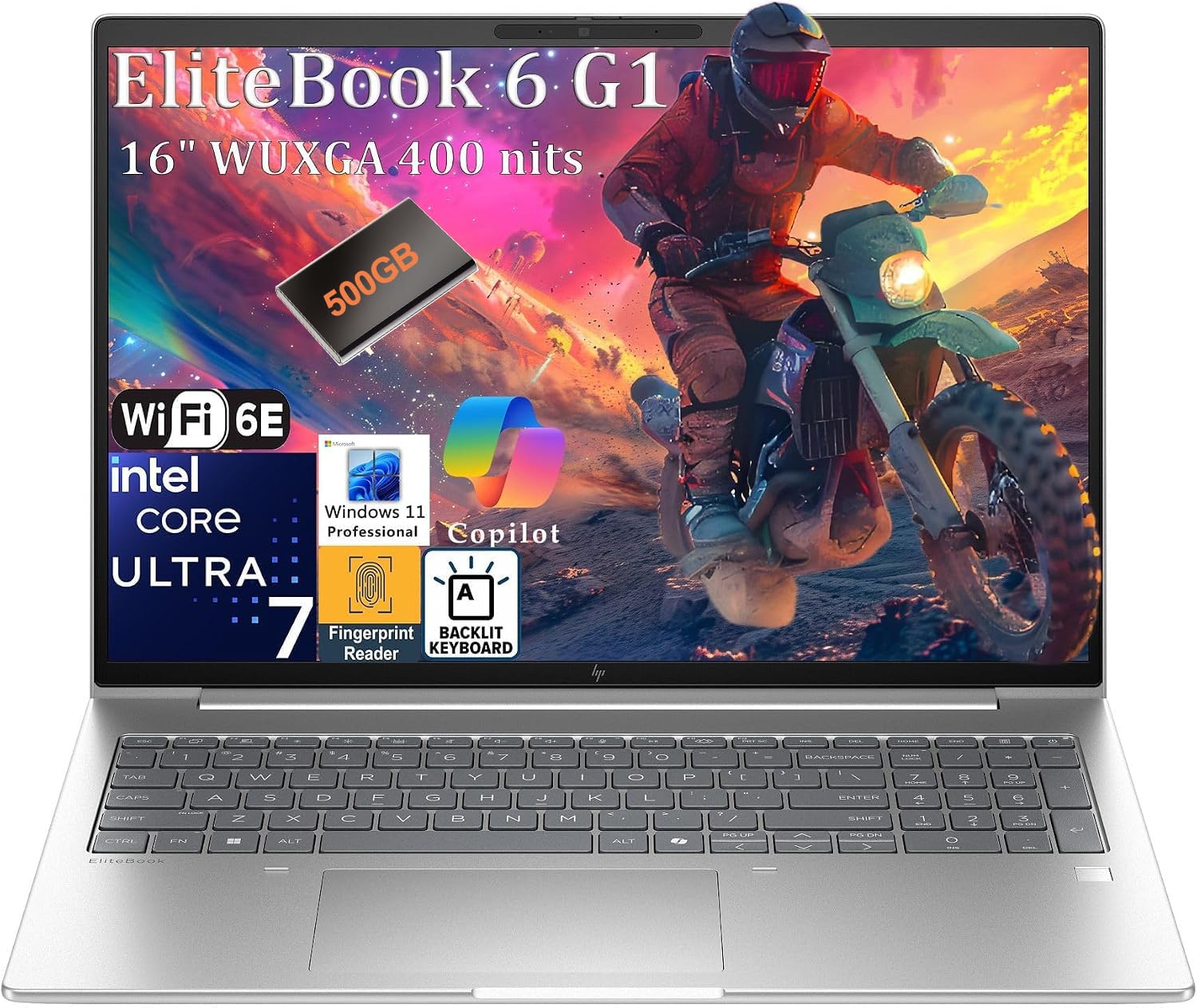
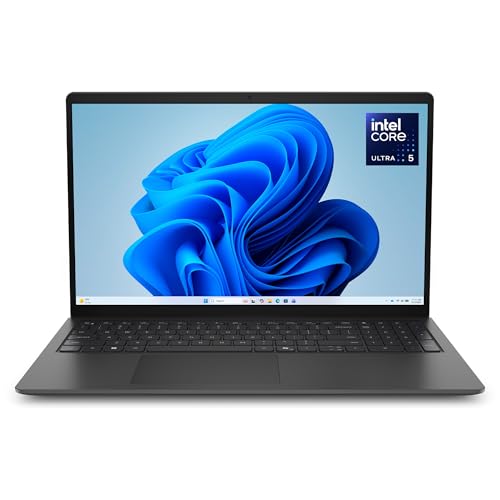
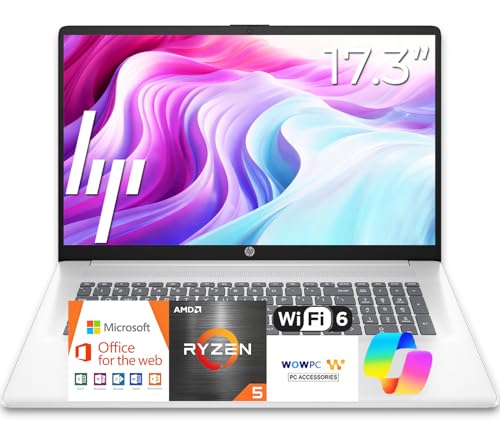
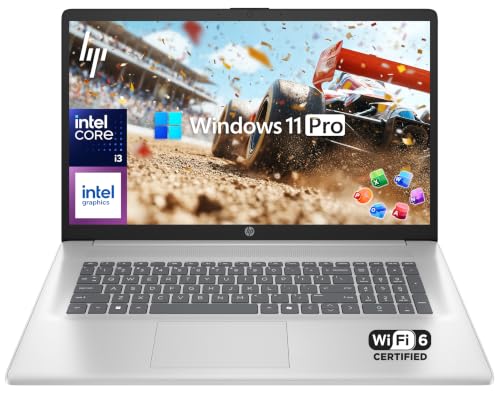
The best commercial laptops are the ones matched to a routine, with the right ports, battery, and support behind them. Use the comparison table below to see how the best commercial laptops differ, then work through the user groups and features below to build your short list with confidence.
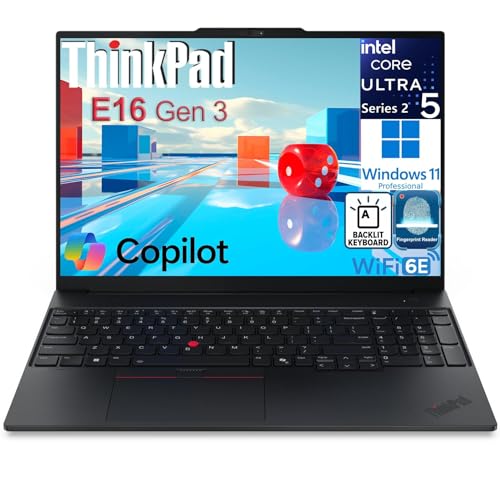

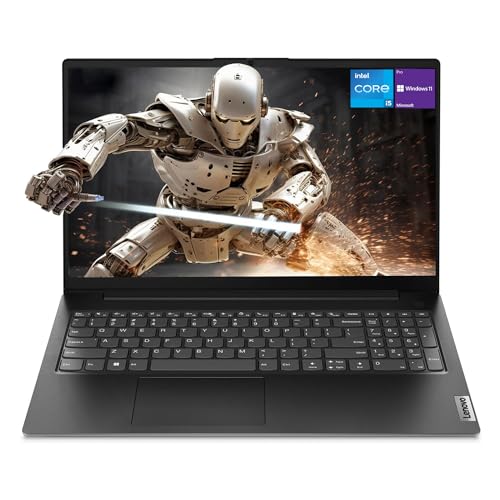
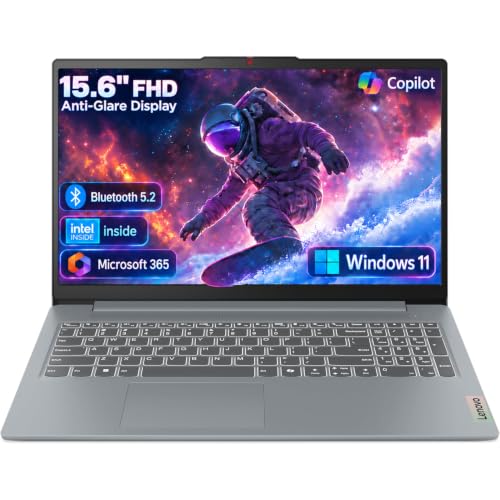

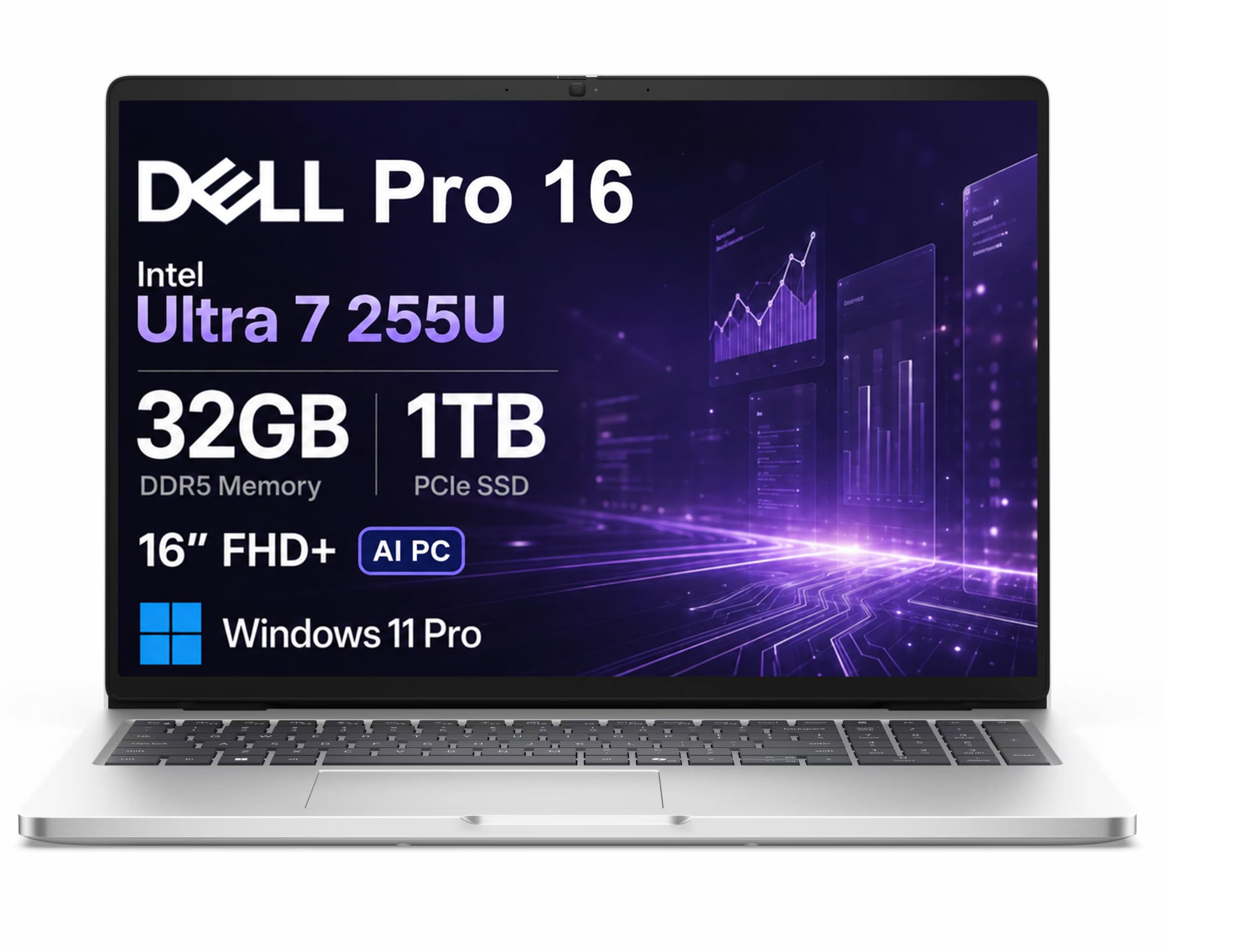
Who Should Buy Which Commercial Laptops?
For Travelers and Commuters
Weight and battery rule this group. Look for a machine around 3 lb or less, with a slim body that slides into a carry bag and a battery that lasts a full travel day of mail, documents, and video calls. A bright screen that stays readable near windows helps more than raw speed.
Durability matters on the road. A metal chassis, a spill resistant keyboard, and a charger that works over USB C so you can share it with your phone all reduce travel friction. Travelers who want the smallest formats should also see our guide to the best notebook laptops for compact options.
For Gamers and Power Users
Power users need a strong processor, plenty of RAM, and in many cases a dedicated graphics chip. A high refresh rate screen makes fast moving work and play feel smooth, and good cooling keeps performance steady during long sessions instead of throttling after ten minutes.
Expect a heavier machine and shorter battery life as the trade off. If your work is mostly office tasks, this tier is more than you need. But for engineering models, large data sets, or serious gaming after hours, underspending here leads to daily frustration.
For Remote Workers and Creators
Remote workers live on calls, so a clear webcam, a good microphone, and speakers you can hear without straining matter as much as speed. Creators should add a color accurate screen and enough storage for photo and video files, which fill drives faster than most people expect.
Reliability is the quiet priority. A machine that wakes fast, holds WiFi well, and runs your meeting apps without fuss protects your workday. Many in this group do well with 16GB of RAM and a fast SSD, a balance that handles editing and multitasking without premium pricing.
For Students and Everyday Users
Students need steady performance for research, writing, streaming lectures, and light photo work, plus a battery that survives a day of classes. A comfortable keyboard and a price that leaves room for a bag and software matter more than top tier speed.
Families buying for school should also check our guide to the best laptops for college, which focuses on campus needs. For general home use, midrange models with an SSD and at least 8GB of RAM feel fast for years and avoid the sluggish feel of bargain machines with slow storage.
Key Features to Compare
Ports and Connectivity
Ports decide how much dongle clutter you live with. USB C with Thunderbolt on Windows machines supports fast drives, external displays, and docking with a single cable. An HDMI port still helps for meeting rooms and hotel TVs, and an SD card slot is a real time saver for photographers.
For wireless, WiFi 6E or WiFi 7 gives faster, steadier connections on modern networks, and Bluetooth handles mice and headsets. Count the ports you use today, then add one spare. A dock can fix a shortage at a desk, but it cannot help you in a client office.
Battery Life in Real World Use
Maker claims are measured under gentle conditions, so expect less in real work. Video calls, bright screens, and heavy browser use can cut rated life by a third or more. A machine rated for 12 hours may give you 8 in a normal office day, which is still fine if you plan for it.
Fast charging over USB C is a practical bonus, restoring a large share of charge during a lunch break. If you work away from outlets often, favor battery capacity and efficiency over a thin design. A slightly thicker machine that lasts the day beats a slim one that dies at 3 p.m.
Operating System
Your software picks your system. Windows runs the widest range of business apps and games. macOS suits users invested in Apple devices and creative tools, with strong battery life on current models. ChromeOS is simple, secure, and low cost, and it handles web based school and office work well, but it cannot run many desktop programs.
Tablets with iPadOS or Android can cover notes and media, yet they are not full laptop replacements for complex spreadsheets or coding. Buy into the ecosystem your team already supports, since file sharing, printers, and help desk knowledge all get easier when everyone matches.
RAM and Storage
RAM sets how much you can do at once. 8GB is a workable minimum for light use, but 16GB is the safer recommendation for most buyers because browsers and meeting apps keep growing. Power users, creators, and gamers should consider 32GB, especially since many slim laptops cannot be upgraded later.
For storage, an SSD is non negotiable for a responsive machine. 256GB fills quickly once you add photos and apps, so 512GB is the sweet spot for most people. Cloud storage helps, but local space still matters when you travel without fast internet.
Processor and Performance Tier
The processor drives speed and battery balance. Current Intel Core Ultra, AMD Ryzen, and Apple M series chips all handle office work easily, and their higher tiers add cores for rendering, compiling, and data work. For email and documents, a midrange chip is plenty and often runs cooler and quieter.
Match the tier to your heaviest regular task, not your rarest one. If you edit video weekly, step up. If you only open large spreadsheets now and then, a midrange chip with 16GB of RAM will feel just as quick. Shoppers watching total cost can compare timing tips in our guide to the best time to purchase laptops before they order.
Common Mistakes to Avoid When Buying Commercial Laptops
- Buying on price alone. The cheapest model often has slow storage, a dim screen, and a short warranty, which costs more in lost time than the saving is worth.
- Ignoring ports and connectivity. Check that your monitors, drives, and meeting room gear connect without a bag of adapters.
- Choosing the wrong size. A 17 inch screen is great at a desk and miserable on a train tray. Match size to where you truly work.
- Skipping warranty and support. Business coverage with fast repair or a loaner option protects you when a deadline is close.
- Forgetting total cost. Budget for a bag, a dock, software, and accidental damage cover, not just the laptop itself. Buyers focused on value should also review the best reasonable laptops and the best economical laptops for balanced pricing.
Care and Maintenance Tips
Keep the operating system and firmware updated, since updates fix security flaws and often improve battery and fan behavior. Restart the machine at least once a week so updates finish and memory clears. Back up important files to cloud or an external drive on a set day, not only when you remember.
Avoid running at 100 percent charge all the time if your laptop offers a charge limit setting, as holding a battery full for months speeds wear. Use a padded sleeve when commuting, keep vents clear on soft surfaces like beds, and wipe the screen with a soft cloth rather than household sprays.
Frequently Asked Questions
Should I buy a laptop or a tablet?
A laptop is the better buy for most work and school needs. You get a real keyboard, full desktop software, and easier multitasking for reports, spreadsheets, and coding. A tablet wins for reading, drawing, and media on a couch, and it can pair with a keyboard for light writing. If you can only own one device for productivity, choose the laptop and add a tablet later if you want one.
Is a dedicated GPU worth it?
A dedicated GPU is worth it if you game, edit video, work in 3D, or run engineering software. It speeds renders and keeps high refresh rate screens smooth. For office work, browsing, and streaming, integrated graphics are plenty and give you better battery life and a lower price.
Check the requirements of your main programs. If none of them mention a graphics chip, save the money and put it toward RAM instead.
How much RAM do I need?
Most buyers should get 16GB of RAM. It handles heavy browsing, video calls, office apps, and light editing at the same time without slowdowns. 8GB can work for simple school or home use on a tight budget, but it leaves little headroom as software grows. Choose 32GB if you edit large video files, run virtual machines, or keep dozens of demanding apps open all day.
How long should a commercial laptop last?
A commercial laptop should last about 4 to 6 years with normal care. Battery wear is usually the first limit, often after 3 to 4 years of daily charging, and a replacement battery can extend useful life. Business models tend to last longer because they use sturdier parts and offer spare parts and service for more years than consumer models. Plan replacements around warranty end dates for team machines.
Is a Chromebook enough for school?
A Chromebook is enough for school when the work is web based, such as documents, classroom apps, research, and video lessons. It starts fast, resists viruses well, and costs less than most Windows laptops. It falls short if a course needs specific desktop software for engineering, design, or offline exams.
Check the school software list first. If everything runs in a browser, a Chromebook is a sensible, low stress choice.
Our Verdict
Start with your routine, then match three things: enough RAM and SSD storage for your daily load, the ports your gear needs, and a size and battery that fit where you work. That order keeps you from overspending on speed while missing basics. Compare your finalists in the product table above, and choose the best commercial laptops for the way you actually spend your day.


