
Best Commercial Kitchen Sink for Home Kitchens (2026)
Disclosure: We may earn a commission when you buy through links on this page, at no extra cost to you. As an Amazon Associate I earn from qualifying purchases. Learn more

Compare single bowl, double bowl and workstation layouts to find the best commercial kitchen sink for your cabinet, cooking habits and budget.
A home kitchen that handles sheet pans, stockpots, and a full load of dishes after a family meal can outgrow a shallow builder grade basin fast. Choosing the best commercial kitchen sink for a house is not about copying a restaurant, and the best commercial kitchen sink for one home may be wrong for another. It is about matching bowl size, depth, and layout to your cabinet, your household size, and how you cook and clean each week.
This guide helps you choose by space, number of users, and budget rather than by looks alone. Use the comparison table below to see how the main sink types differ.
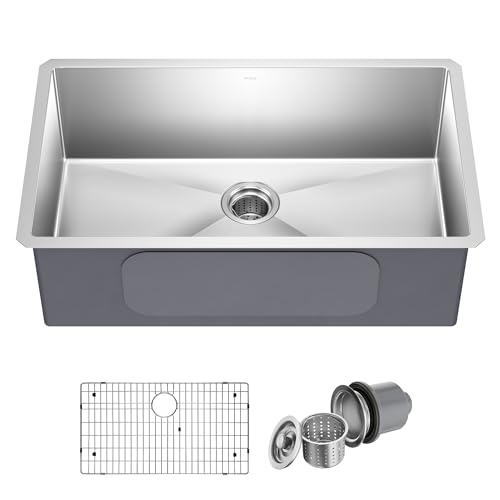

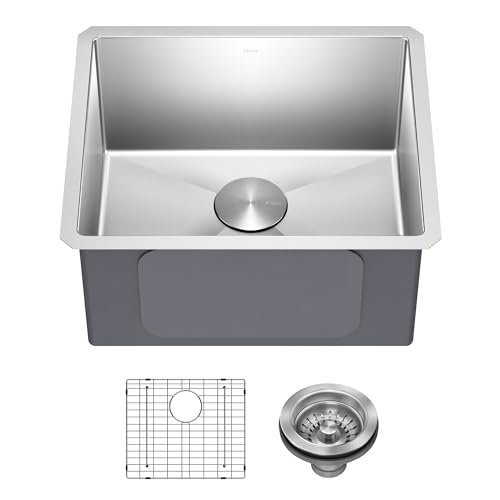


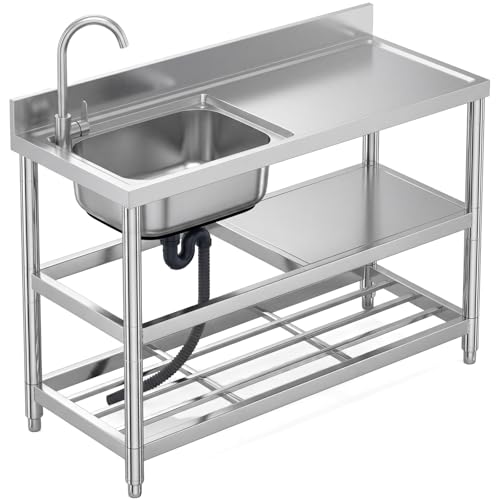
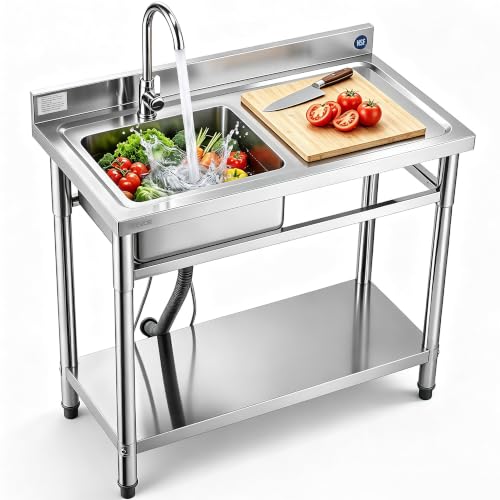


Quick Answer: Sink Types That Fit Real Homes
For most homes, a large single bowl in stainless steel gives the simplest fit. It swallows roasting pans and tall pots with no divider in the way, and it suits households that cook in batches. If two people often work at the sink at once, a double bowl or a low divide layout keeps soaking and rinsing apart. If you prep a lot of produce, a workstation layout with a ledge for boards keeps tools inside the sink footprint instead of spread across the counter.
The right choice depends on cabinet width, bowl depth you can reach into comfortably, and whether the sink sits under the counter, rests on top of it, or shows an apron front.
Before You Buy: A Quick Checklist for Choosing a Kitchen Sink
Size: Match It to Your Space
Start with the cabinet, not the catalog photo. A 30 inch sink usually needs a cabinet at least 33 inches wide, while a 33 inch or 36 inch sink needs more room for mounting clips and plumbing. Measure the cabinet inside and the distance to the backsplash before you order.
Depth matters too. Bowls around 9 to 10 inches deep hold tall pots, yet a very deep bowl can strain your back if you are shorter or the counter is already high. Small kitchens often do better with a 30 inch bowl that leaves landing space on each side.
Which Type Fits Your Routine
An undermount sink sits below the counter and lets you sweep crumbs straight into the bowl, but it needs a solid counter and careful sealing at the rim. A drop in sink rests on top, is more forgiving on laminate, and is simpler to swap later. The tradeoffs are covered in undermount vs drop in sink.
For material, stainless steel is light and resists heat. Granite composite hides water spots but is heavy. Fireclay and cast iron bring a farmhouse feel, yet both can chip if a heavy pan strikes the edge.
Features Worth Paying For and Ones to Skip
Useful additions solve a real weekly task. A bottom grid protects the bowl floor and lets water drain under dishes. A ledge with a cutting board and colander turns the sink into a prep station, which helps where counter space is tight.
Sound pads reduce the hollow ring of stainless when water hits it. Skip extras you cannot name a task for, such as accessory sets you have no drawer space to store. Spend first on bowl size, steel thickness, and sound treatment.
Measurements and Compatibility With Your Setup
Check four points before ordering. Confirm the counter cutout matches your existing opening if you are keeping the counter. Check drain position, since a rear drain leaves more usable bowl floor and storage room below, while a center drain may suit existing plumbing.
Count faucet holes on drop in models so your faucet and any filter tap will fit. Finally, measure what lives under the sink, because a deep bowl hangs lower and can crowd a garbage disposal, a trash bin, or a filter housing.
Certifications and Water Safety
Sinks and fittings sold for kitchen use should meet NSF and ANSI standards, and faucet and drain parts should be described as lead free under current federal rules. Steel grade matters as well. Steel marked as 304 grade contains nickel and chromium for corrosion resistance and is the common food contact choice for home sinks.
Lower grades can show rust spots sooner, especially where water sits overnight. Move on from any listing that cannot state its steel grade and the standard it meets.
Installation: Do It Yourself or Hire a Pro
A drop in replacement that reuses the same cutout, faucet, and drain lines is within reach for a confident home owner with basic plumbing skills. An undermount sink, a new cutout in stone, or an apron front that needs cabinet trimming is usually pro work, because stone cutting and sealing are hard to undo. The step order is explained in how to install a kitchen sink. Budget for installation as part of the sink price, since extras such as a new faucet and a plumber visit if the drain moves can add up.
Realistic Budget Ranges
At under $150, expect smaller stainless sinks with thinner steel and basic drains. They suit a laundry area, a rental, or a light use kitchen. In the about $200 to $300 range, bowls get deeper, steel gets thicker, and sound pads become common.
Around $300 to $500 is where most home buyers find the balance of size, gauge, and included grids or boards. Above that level, you pay for workstation ledges, heavier composite or fireclay bodies, and longer warranties. Keep some budget aside for a strainer, sealant, and mounting hardware.
Sink Types Compared for Home Use
Large Single Bowl Sinks for Batch Cooking and Big Pans
A single wide bowl is the type most home cooks picture when they think of a commercial sink. There is no divider to lift a roasting pan over, and a tall stockpot can sit flat while it fills. This layout suits households that cook for a crowd or wash bulky items like oven racks. The drawback is workflow, since soaking dishes share space with rinsing produce, so you will rely more on a tub during busy meals.
Double Bowl Sinks for Busy Family Kitchens
Two bowls let two jobs happen at once, which suits homes where one person washes while another preps. An equal split works for soaking and rinsing, while an uneven split gives one larger side for pans and a smaller side for glasses. A low divide offers a middle path, keeping some separation while letting a long pan rest across both sides. Measure your largest pan before choosing, because a divider turns one generous space into two smaller ones for good.
Workstation Style Sinks for Prep Focused Homes
A workstation sink has an interior ledge that holds boards, trays, and drying racks at counter height. Prep scraps can go straight into the bowl, and washed produce can drain over the sink instead of on a towel. This helps small kitchens most, where the sink can double as counter space.
If you like this layout, our guide to the best workstation kitchen sink looks at ledge designs in more depth. Note that fitted boards for one sink rarely fit another brand later.
How to Judge Quality When Comparing Sinks
Start with steel gauge if you are buying stainless. Gauge runs in reverse, so a lower number means thicker steel. An 18 gauge sink is common and adequate for careful home use, while a 16 gauge bowl feels firmer and sounds less tinny. The full comparison in 16 vs 18 gauge sink explains where that difference shows up.
Corners matter too, since rounded corners wipe clean more easily than tight radius corners. Brushed finishes hide scratches better than mirror finishes. If stainless is your leading material, see the best stainless steel kitchen sink guide for grade details.
Commercial Style Sinks Compared With Standard Home Sinks
The appeal at home is practical. Deeper bowls contain splashes from tall faucets, wide basins fit pans that standard sinks cannot, and plain stainless surfaces tolerate hot pans and heavy daily use. Families who preserve food, bake in volume, or host often get real value from that capacity.
The downsides are real too. A deep bowl means more bending, a large basin uses more water when filled by hand, and true restaurant units may have no faucet holes and sizes made for open leg stands, so home versions that borrow the style usually fit better.
Common Mistakes When Buying a Commercial Kitchen Sink
- Ordering by outside length alone, which can leave a sink too large for the cabinet with no room for mounting clips.
- Choosing a deep bowl without checking disposal and bin clearance, which can force costly plumbing changes after delivery.
- Paying for a workstation ledge and accessories you have no storage space for, which turns a useful feature into cupboard clutter.
- Picking a mirror finish for a heavy use family kitchen, which shows every scratch and water spot within months.
- Forgetting faucet reach, which can leave water landing near the front edge of a deep bowl and splashing the user.
- Assuming a restaurant grade unit will drop into a home cabinet, which it often will not without new supports.
Cost of Ownership and Care
Daily care is simple and cheap. Rinse the bowl after washing up, wipe it dry when you can, and avoid leaving steel wool pads or cast iron pans sitting wet in the bowl, since they can leave rust marks on stainless. Mild dish soap handles most grime, and a paste of baking soda and water removes water spots when rubbed with the grain.
Detailed steps for each material are in how to clean a kitchen sink. Long term costs are mostly small parts such as strainers and drain seals, plus renewing a cracked undermount seal before water reaches the counter edge.
Your Questions, Answered
Can a commercial style kitchen sink fit in a small kitchen?
Yes, if you scale the type to the room. A 24 inch to 30 inch single bowl gives the deep, wide feel without taking the whole counter run. Choose a rear drain to gain cabinet storage below, and skip the drainboard so the counter stays open. A compact workstation model can add prep space, because its board covers part of the bowl and acts as extra counter.
How long does a commercial style kitchen sink last in home use?
A stainless bowl of decent gauge can serve for decades in a home, because home use is lighter than restaurant use in volume and chemical exposure. What usually ends a sink life is not the bowl wearing through. It is a remodel, a damaged undermount seal, or drain hardware that corrodes around the opening. Fixing small leaks early does more for lifespan than any special cleaner.
Is a commercial style kitchen sink a good choice for a laundry room?
It can be, because laundry tasks reward depth. A deep bowl soaks stained clothing, holds a bucket under the faucet, and rinses muddy items without splashing the room. Choose a smaller width than you would for a kitchen, confirm the stand can take the weight of a filled bowl, and pick a faucet with a sprayer. Local plumbing rules for laundry use are worth checking before you buy.
What faucet reach works best with a deep commercial style bowl?
Aim for the water stream to land near the center of the bowl, or slightly behind it. On a wide single bowl, that often means a reach of about 9 to 11 inches from the mounting point. A pull down sprayer covers the corners that a fixed stream misses. Check this on paper with your bowl dimensions before ordering either piece.
Are commercial style kitchen sinks too heavy for standard cabinets?
Stainless models usually are not, because steel is light for its size and the cabinet carries the load through clips and rails. Composite, fireclay, and cast iron models are a different case. They can need added support rails inside the cabinet, especially in apron front styles. Check the maker stated weight, add the weight of a full bowl of water, and confirm your cabinet plan against that total.
Final Thoughts
Match the bowl to your cabinet, your pans, and the way your household cooks, and the sink will feel right every day. Single bowls suit batch cooking, double bowls suit shared work, and workstation ledges suit prep focused homes. The product table above pulls the main types together so you can compare size, layout, and cost side by side. When you are ready to choose the best commercial kitchen sink for your home, let fit and gauge lead the decision, and let finish and accessories follow.


