16 vs 18 Gauge Sink: Which One Fits Your Home Better? (2026)
Disclosure: We may earn a commission when you buy through links on this page, at no extra cost to you. As an Amazon Associate I earn from qualifying purchases. Learn more

16 vs 18 Gauge Sink: see how they differ in everyday use, features and value, and which one makes more sense for your home and budget.
Saturday morning in a busy home often ends the same way. Cereal bowls, a sheet pan from last night, and two mugs land in the sink at once, and the metal answers with either a solid thud or a hollow clang. That sound is your first clue in the 16 vs 18 gauge sink decision, and it matters more than the showroom shine. This guide compares the two gauges by the things that shape daily life at home, including noise, family sized loads, and what each one costs to own over the years. Use the comparison table below to see the gaps at a glance.
One fact clears up most of the confusion. With sheet steel, a lower gauge number means thicker metal, so a 16 gauge sink uses thicker steel than an 18 gauge sink. Everything else in this comparison flows from that single difference in thickness, from dent resistance to price.


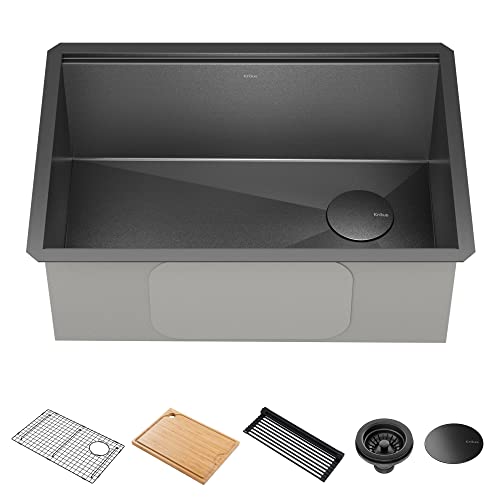


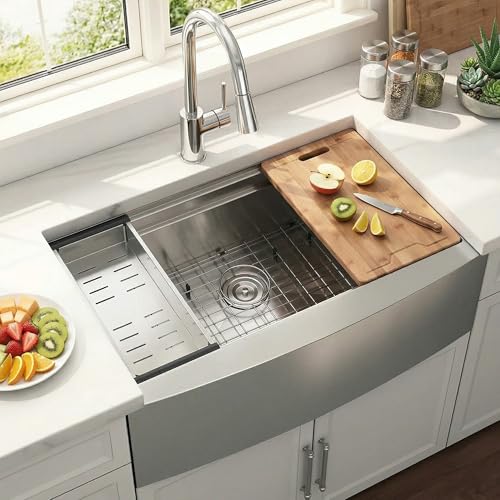

16 vs 18 Gauge Sink at a Glance
The short version is simple. A 16 gauge sink feels sturdier, sounds quieter, and shrugs off dents from heavy cookware, but it costs more and weighs more. An 18 gauge sink gives you the same stainless steel look for less money and suits homes where the sink sees lighter daily use. Neither choice changes your faucet, your drain size, or the way you clean the bowl, so the decision comes down to thickness, budget, and how hard your household works a sink.
| Criterion | 16 Gauge | 18 Gauge | Better Fit |
|---|---|---|---|
| Steel thickness | About 1.5 mm | About 1.2 mm | 16 for strength |
| Dent resistance | High | Moderate | 16 |
| Sound under running water | Quiet and solid | Louder and more hollow | 16 |
| Weight | Heavier | Lighter | 18 for easy fitting |
| Typical price | About $250 to $600 | About $100 to $300 | 18 for budget |
| Best for | Busy family kitchens | Lighter use homes and rentals | Depends on the home |
Meet the Contenders: 16 and 18 Gauge Sink
What a 16 Gauge Sink Brings to a Home
A 16 gauge sink is the thicker, heavier option, and you notice it the moment a heavy pot lands in the bowl. The steel flexes very little, so dropped pans are less likely to leave a dent, and the bowl sounds deep and muted under running water. Makers often pair this gauge with generous sound pads and a thicker coating underneath, which suits open plan kitchens where the sink sits close to seating. It is the gauge most often chosen for a family kitchen built to last, in a home where big roasting pans and stockpots get washed by hand every week.
What an 18 Gauge Sink Brings to a Home
An 18 gauge sink uses thinner steel, which keeps the price down and makes the bowl lighter to handle during fitting. In daily use it still looks like any other stainless steel sink, and for washing glasses, plates, and small pans it does the job well. The trade off shows up with heavy loads. A dropped skillet can mark the surface, and running water sounds brighter and louder because the thin steel vibrates more. For a rental property, a small apartment, or a laundry room sink, those trade offs are often worth the savings.
Head to Head: Where They Really Differ
Installation and Compatibility
Both gauges install the same way, so your choice rarely changes the fitting plan. Undermount, top mount, and farmhouse styles all come in either gauge, and both use standard drain openings that accept a garbage disposal. The real difference is weight and stiffness. A large 16 gauge bowl is heavier to lift into place and benefits from a second pair of hands and solid cabinet support. An 18 gauge bowl is easier to maneuver in a tight cabinet, though the rim needs even seating so the thinner flange sits flat against the counter.
Build Quality and Finish
Gauge describes the steel itself, but finish decides how the sink looks after years of family use. Brushed finishes hide fine scratches better than mirror finishes in either gauge, so most homes are better served by a brushed bowl. Look for uniform brushing, smooth welds at the corners, and grain that runs in one direction. Thicker steel also holds its shape around the drain, so water flows out instead of pooling. On an 18 gauge sink, check that the bowl bottom slopes evenly, because thin steel formed with a weak slope can leave standing water near the drain.
Features
Features matter more than gauge once you pass a basic quality level. Sound pads on the underside and a sprayed coating calm noise, and on an 18 gauge sink they close much of the sound gap with a 16 gauge model. Corners with a small radius look modern and give you more bowl room, while generously rounded corners rinse clean faster. Rear drains free up cabinet space below in both gauges. If you like a ledge that holds boards and racks over the bowl, our kohler prolific review shows how one workstation layout handles daily prep and cleanup.
Certifications
No certification body rates a sink by gauge alone, so treat gauge as a quality clue rather than a guarantee. What you can check is the listing on the whole sink. Many stainless steel sinks sold in the United States carry certification to ASME A112.19.3 or CSA B45.4, the standards that cover materials, drain fit, and structural soundness for this type of fixture. Look for the certifying mark on the box or the spec sheet, and confirm the sink meets your local plumbing code before you order. A listed 18 gauge sink is a safer buy than an unlisted 16 gauge one.
Warranty
Warranty terms follow the brand and the model line, not the gauge number. Many makers cover residential sinks with a limited lifetime warranty against defects in material and workmanship, while finishes and accessories often carry shorter terms. Read what the warranty excludes before you buy. Damage from dropped pans, harsh cleaners, and poor fitting is rarely covered, which quietly favors the thicker gauge in a rough and tumble household. Keep your receipt and register the sink, and photograph the model label under the bowl before fitting hides it for good.
Price and Value
Expect an 18 gauge sink to cost about $100 to $300 in common sizes, while a comparable 16 gauge model often runs about $250 to $600. The gap buys thicker steel, not extra features, so weigh it against how long you plan to stay in the home. If you expect a decade or more of family meals, the thicker bowl spreads its cost over many years and avoids an early replacement. If you are refreshing a rental or a first home on a tight budget, the 18 gauge savings can go toward a better faucet instead.
Our Recommendation for Your Home
Pick 16 Gauge if...
Choose the thicker steel if your household cooks most nights, washes large pots by hand, or has kids who drop dishes without thinking. It also suits open plan homes where sink noise carries into the living space, and any kitchen you plan to keep for many years. If your budget can stretch once, this is the gauge you are least likely to regret.
Pick 18 Gauge Sink if...
Choose the thinner steel if the sink serves a small household, a rental, a bar area, or a laundry room. It also makes sense when the remodel budget is tight and the money saved can fix a worn faucet or a tired counter. With sound pads fitted and gentle handling, it serves light duty homes perfectly well.
Not Sold on Either? One More Option
If both gauges leave you unsure, the real question may be material rather than thickness. Granite composite sinks resist scratches and sound very quiet, while fireclay suits a farmhouse look, though both cost more and weigh more than steel. A lighter third path is a 20 gauge steel sink for a utility room where looks matter least. Browse our guide to the best kitchen sink options to compare materials, mounts, and bowl layouts before you settle.
Your Questions, Answered
Does a 16 gauge sink last longer than an 18 gauge sink?
Usually, yes, because thicker steel tolerates more years of dropped cookware before dents and dings add up. In practice, though, most sinks of either gauge are retired during a remodel long before the steel wears out. What decides how old a sink looks is the finish, so a well kept 18 gauge bowl can easily outlast a neglected 16 gauge one in a home that wipes it dry.
Which is easier to clean, a 16 or 18 gauge sink?
Cleaning is nearly identical, because both gauges use the same stainless steel surface and respond to the same mild soap and soft cloth. One small difference shows up during heavy scrubbing. A thinner bowl can flex slightly under hard pressure on a stuck pan, so brace the bowl with your free hand. A bottom grid also helps either gauge by keeping heavy pots off the surface while you wash.
What is the main difference between a 16 and 18 gauge sink?
The only built in difference is the thickness of the steel sheet the bowl is formed from. Size, finish, mount style, and drain position can all match between the two. Some makers even sell the same design in both gauges as a step up choice within one line, so when you compare two listings, find the line on the spec sheet labeled gauge or steel thickness and compare that number first.
Is a 16 gauge sink better than an 18 gauge sink?
Better depends on the load your home puts on the sink. If nearly everything goes in the dishwasher and hand washing means a few glasses and a cutting board, the thicker steel adds little you will ever feel. In that case the upgrade money often serves you better spent on a pull down faucet or a deeper bowl, and the 18 gauge sink is the smarter buy.
Final Thoughts
For most family kitchens, the thicker bowl earns its price through quiet use and dent resistance, while lighter homes lose little with the thinner steel. Match the gauge to the people using the sink every day, check the product table above once more, and your 16 vs 18 gauge sink choice becomes a simple one. Whichever you pick, confirm the bowl depth and cabinet fit before ordering, and the sink should serve your home well for years.