
The Best Composite Sinks: A Buying Guide for 2026
Disclosure: We may earn a commission when you buy through links on this page, at no extra cost to you. As an Amazon Associate I earn from qualifying purchases. Learn more

Compare the best composite sinks by material, size, mounting, and care. Learn how granite and quartz blends differ and how to pick a sink to fit your kitchen.
A kitchen sink takes daily abuse, from hot pans and sharp knives to stains from coffee and tomato sauce. Shoppers looking for best composite sinks usually want the look of stone with a surface that is easier to live with than raw natural stone. This guide explains the materials, sizes, and mounting styles in plain terms, so you can compare options with confidence. Use the comparison table below to see the main types side by side.
Composite sinks are made by blending crushed stone, usually granite or quartz, with a resin binder. The result is a dense, molded bowl that resists chips, scratches, and stains better than many older materials. Before you buy, check your cabinet size, your faucet holes, and your counter material, because those three facts narrow the choice more than any style trend.


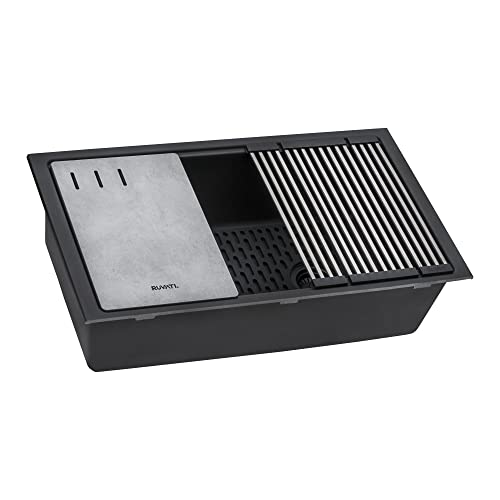
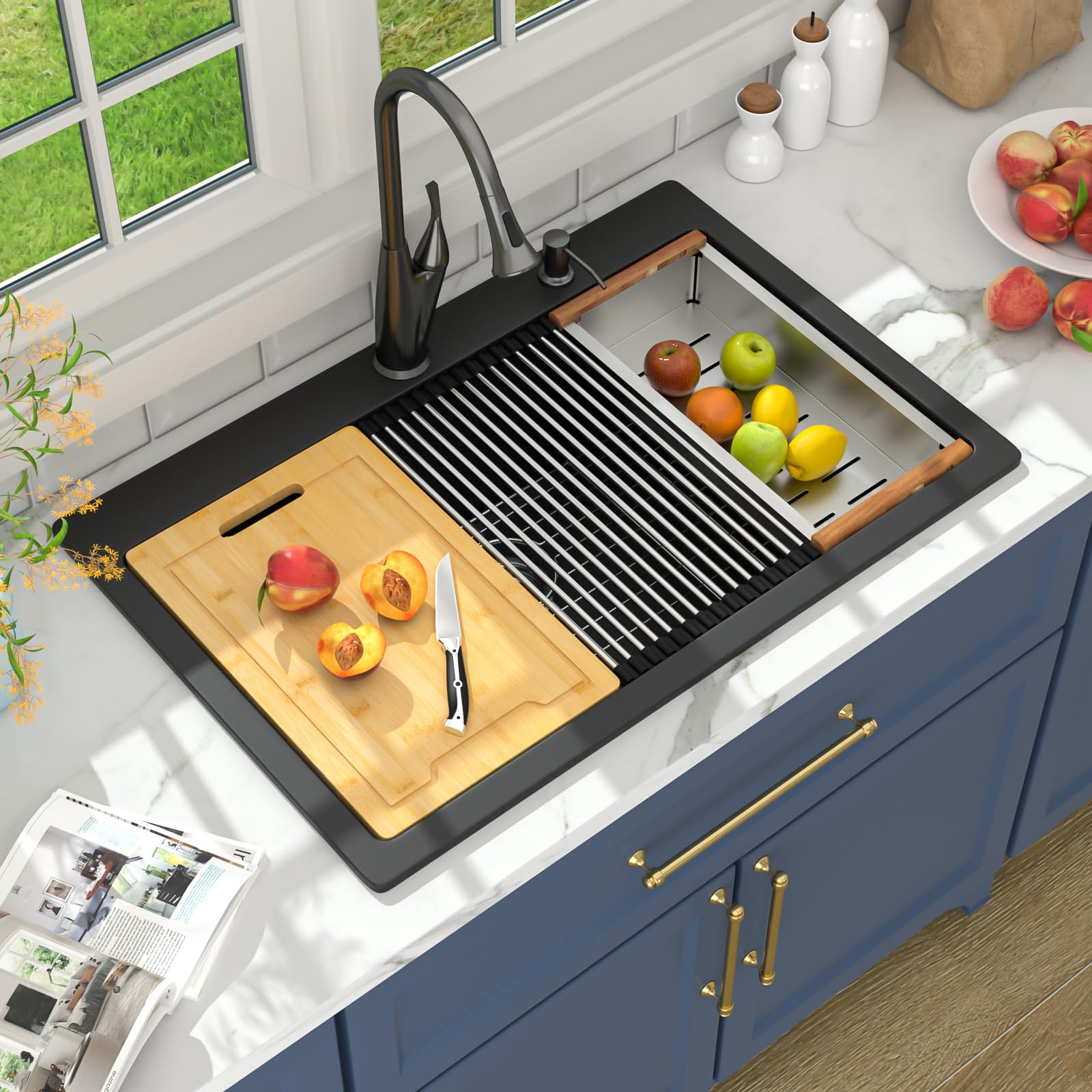
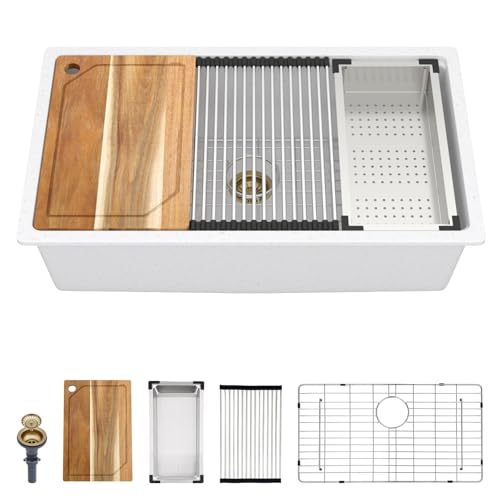


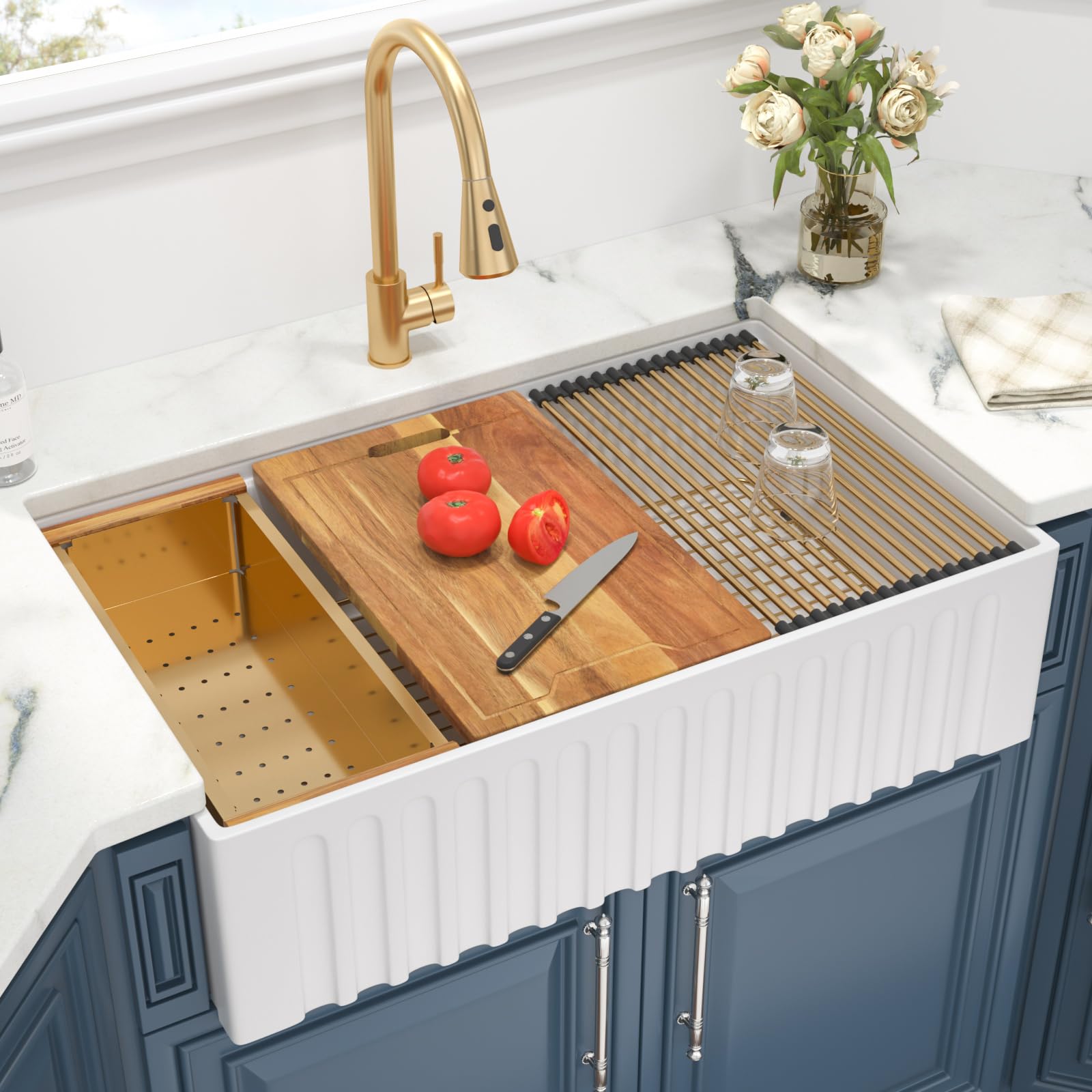
Spending Levels: What Your Budget Gets You
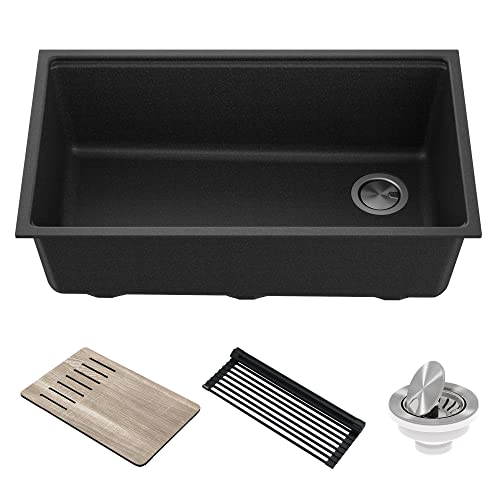
At a budget level, expect a simple single bowl sink in a standard size, with a basic drain and a limited color range. Prices often run about $100 to $250, and the value comes from a durable bowl at a modest cost. Midrange options, often about $250 to $500, add larger bowls, deeper basins, workstation ledges, and a wider choice of colors and finishes. Premium sinks, often about $500 and up, offer thicker stone blends, larger farmhouse styles, and accessories such as grids, cutting boards, and colanders that fit the bowl exactly.
How to Choose the Best Composite Sinks: Buying Guide
Material: Granite Blend or Quartz Blend
Granite composite blends crushed granite with resin, giving a speckled stone look and strong resistance to heat and scratches. Quartz composite blends crushed quartz with resin, giving a smoother, more uniform surface that many buyers find easier to wipe clean. Both types handle normal kitchen use well, so choose by look and feel rather than by a claim that one is always better. See our guide to the best granite composite sinks for kitchen if you like the speckled stone appearance, and our guide to the best quartz composite kitchen sinks if you prefer a smoother finish.
Bowl Configuration
A single large bowl suits big pots, baking sheets, and batch cooking, while a double bowl lets you soak dishes on one side and rinse on the other. A low divider double bowl gives some of both, with room for large items and a separate rinse area. Think about how you actually wash up, not how a showroom sink looks, because the wrong layout will annoy you every day. If you wash large pans often, a single bowl or a low divider is usually the more practical choice.
Size and Fit
Measure the inside of your base cabinet before you fall for a sink size. The cabinet must be at least a few inches wider than the sink bowl, so the bowl and its supports fit without forcing. Also measure the counter depth and the distance to the faucet, so the bowl sits where you can reach it comfortably. A sink that is too large for its cabinet will need costly cabinet work, while one that is too small will leave wasted counter space.
Mounting Style
Undermount sinks attach below the counter, giving a clean edge and letting you wipe crumbs straight into the bowl. Top mount sinks drop into a cutout and rest on a rim, which makes fitting simpler and suits laminate counters well. Farmhouse sinks show a large front panel and suit a traditional kitchen, but they need a cabinet built or altered to hold them. Check your counter material and cabinet before choosing, because some counters suit one mounting style far better than another.
Depth, Drain, and Accessories
Bowl depth usually runs about 8 to 10 inches, and deeper bowls hide tall pots but can strain your back during long washing sessions. Check the drain position, since a rear drain leaves more usable space in the cabinet below and keeps the disposal out of the way. A bottom grid protects the bowl from scratches and helps dishes dry, while a fitted colander or cutting board can turn the sink into extra prep space. Our guide to the best composite kitchen sinks compares these layouts in more detail.
Heat, Stain, and Scratch Resistance
Composite sinks handle hot pans and boiling water better than many plastic or thin metal sinks, but they are not indestructible. Avoid placing a red hot pan straight from the stove into the bowl, and use a trivet or grid for very hot items. Most food stains wipe off with mild soap, while coffee, wine, and tomato sauce should not be left to dry for hours. Sharp knives can still mark the surface over time, so use a cutting board rather than cutting in the bowl.
Installation and Faucet Fit
Check the number of faucet holes your sink and counter provide, and match them to your faucet, sprayer, and soap dispenser. A sink with no holes suits a wall mounted or counter mounted faucet, while a sink with holes needs the right hole count for your setup. Follow the maker installation guidance, seal the edges as directed, and check for leaks before the sink goes into daily use.
If plumbing or counter cutting is outside your comfort zone, hire a licensed installer and follow local rules. Keep small parts away from children during fitting.
Types of Composite Sinks
Single Bowl Sinks
A single bowl gives one large, open space for big pots, roasting pans, and baking sheets. It suits cooks who batch cook or wash large items often, and it pairs well with a workstation ledge for prep. The drawback is that soaking and rinsing share the same space, so you may need a separate basin for rinsing.
Double Bowl Sinks
A double bowl splits the sink into two basins, so you can soak on one side and rinse on the other. It suits households that hand wash often and like to keep tasks separate. The drawback is that each basin is smaller, so very large pans may not fit flat in either side.
Farmhouse Sinks
A farmhouse sink has a deep bowl and an exposed front panel that suits a traditional or country kitchen. It gives generous depth and a striking look, but it needs a cabinet that can support its weight and front cutout. Check cabinet size and support before choosing this style, since fitting it into a standard cabinet can take extra work.
Tips to Get the Most From Your Composite Sink
- Rinse after acidic foods: coffee, wine, and tomato sauce wipe off easily when fresh, but they stain more if left to dry.
- Clean with mild soap: wipe finishes with mild soap and a soft cloth, and avoid abrasive pads that can dull the surface.
- Check under sink lines for leaks: look under the sink each month for drips at the drain and supply lines, and fix small leaks early.
- Use a bottom grid: a grid protects the bowl from heavy pots and helps dishes dry without sitting in standing water.
- Clean the drain regularly: remove the strainer, clear trapped food, and rinse the drain so odors do not build up.
- Avoid harsh chemicals: strong solvents and oven cleaners can damage the resin surface, so stick to cleaners the maker approves.
Composite Sinks: Your Questions Answered
Can I install a composite sink myself?
You can install a top mount composite sink yourself if you are comfortable with basic plumbing and sealing. Undermount and farmhouse sinks are harder, because they need strong supports and precise counter work. Always follow the maker installation guidance, check the cabinet can hold the sink weight, and test for leaks before daily use. If the job involves cutting stone counters or moving plumbing, hiring a licensed installer is the safer choice.
How long do composite sinks last?
A well made composite sink can last for many years with normal care and regular cleaning. Its life depends on the stone blend, the thickness of the bowl, and how it is treated day to day. Avoiding harsh chemicals, heavy impacts, and extreme heat helps the surface stay in good condition. A sink that is cleaned often and fitted well will usually outlast one that is neglected or poorly supported.
What finish is easiest to keep clean?
Smoother, lighter finishes tend to show water marks less and wipe clean more easily than very dark or heavily textured finishes. Dark colors can look striking, but they may show soap marks and hard water spots more clearly. A matte finish hides small marks well, while a polished finish wipes smooth but shows spots sooner. Choose a color you can maintain happily, and rinse and wipe the bowl after heavy use.
Do composite sinks stain easily?
Composite sinks resist stains better than many older materials, but they are not stain proof. Coffee, red wine, and tomato sauce can leave marks if left to dry for a long time, especially on light colors. Rinsing soon after use and cleaning with mild soap prevents most stains. For a stubborn mark, use only a cleaner the maker approves, and avoid abrasive pads that can dull the surface.
Wrapping Up
Match the material to the look you like, the size to your cabinet, and the mounting style to your counter. A midrange single or double bowl often gives the best balance of space, durability, and price for most kitchens. For more comparisons, see our guide to the best quality kitchen sinks before you order.
The product table above can help you compare the main types side by side. For most buyers, the best composite sinks are the ones that fit the cabinet, suit daily cooking, and stay easy to clean for years.


