
Best Composite Kitchen Sinks: Materials, Bowls and Mounting for 2026
Disclosure: We may earn a commission when you buy through links on this page, at no extra cost to you. As an Amazon Associate I earn from qualifying purchases. Learn more

Composite kitchen sinks compared by granite or quartz blend, bowl layout, finish and mounting style, with care tips for busy kitchens.
A composite sink is molded from crushed stone and resin, which gives it a dense, quiet, matte surface that hides scratches better than polished steel. This guide to the best composite kitchen sinks explains how material, bowl layout, and mounting style decide how the sink behaves in a busy kitchen.
Composite kitchen sinks blend stone particles with resin to give a tough, quiet, and stylish alternative to steel. Material mix, bowl size, and finish shape durability and daily care. This guide explains how to judge composite sinks for a busy kitchen, so you can choose a sink that resists stains, handles hot pots, and suits your countertop. The comparison table below sets out the main sink types, and the sections that follow explain what each choice means in daily use.


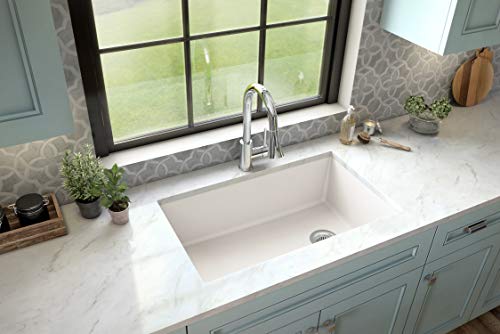
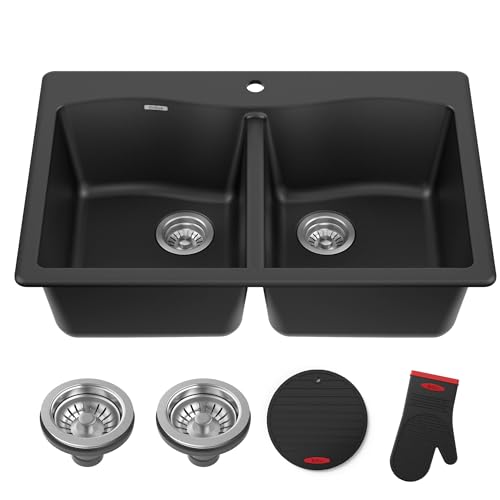
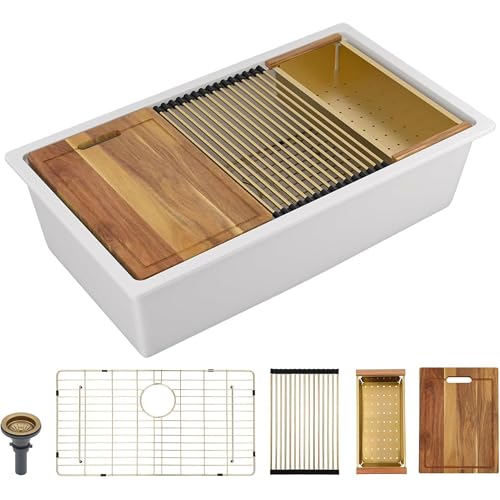


Who Should Buy Which Type
For busy family kitchens
Busy family kitchens need a sink that resists stains, handles large pots, and stays quiet under running water. A deep single bowl suits large items, while a composite surface hides minor marks better than polished steel. Check drain placement, since it affects usable space.
For style focused kitchens
Style focused kitchens need a sink color and finish that matches countertops and hardware. Composite sinks offer many colors, from black to light stone tones. Choose a color that hides water spots and matches your cleaning habits, since dark sinks show limescale more.
For renovators
Renovators need a sink that fits existing cabinet size and countertop cutouts. Undermount, top mount, and apron styles need different cabinet and counter support. Measure carefully and check install guidance before ordering, since changing sink type later is costly.
Key Features Explained
These are the features that separate the best composite kitchen sinks from ordinary ones.
Material mix
Material mix affects hardness, heat resistance, and stain resistance. Granite composite uses granite particles, while quartz composite uses quartz particles, both bound with resin. Higher stone content often feels denser, but maker quality and finish matter as much as the mix.
Bowl size and depth
Bowl size should suit your largest pots and baking trays. A deep bowl hides dishes and reduces splash, but it can strain backs when lifting heavy pots. A double bowl suits washing and rinsing separately, while a single bowl suits large items best.
Finish and color
Finish affects cleaning and looks. Matte finishes hide scratches and water spots better than glossy finishes. Dark colors look bold but show limescale, while light colors hide it better but may show stains sooner. Choose a finish you are happy to clean often.
Heat and stain resistance
Heat resistance matters for hot pots and boiling water, while stain resistance matters for coffee, wine, and food color. Composite sinks generally handle heat well, but avoid placing very hot pans directly on the surface for long periods. Clean spills promptly to stop staining.
Main Types Compared
Granite composite sinks
Granite composite sinks use granite particles for a natural stone look and tough surface. They suit busy kitchens and traditional or modern rooms. They need regular cleaning to keep the matte finish fresh.
Quartz composite sinks
Quartz composite sinks use quartz particles for a dense, smooth surface that resists stains well. They suit modern kitchens and light colors. They may cost more, but they offer excellent durability for daily use.
Single and double bowl composites
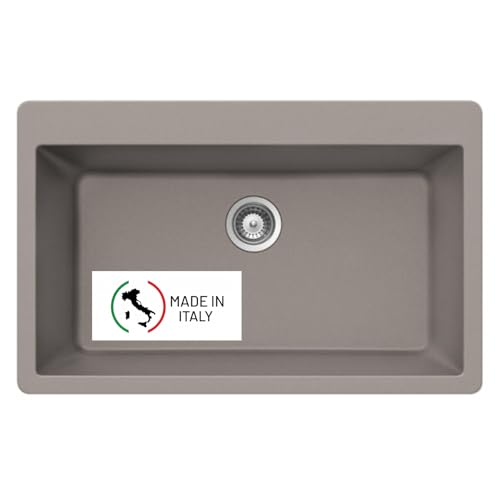
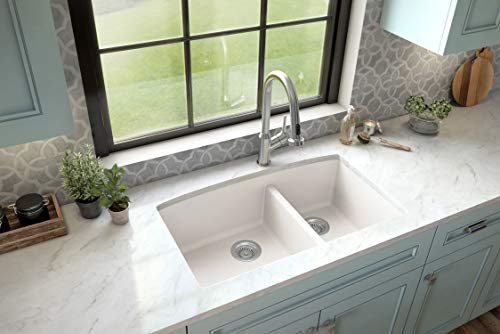
Single bowl composites suit large pots and baking trays, while double bowls suit separate washing and rinsing. Choose based on your cooking and washing habits, not just looks. A large single bowl with a drainer can suit many kitchens.
Checks Before You Order
Before you buy, measure cabinet width, depth, and plumbing space, and confirm countertop material and install type. Check faucet hole placement, drain size, and whether a plumber is needed. A sink that fits your cabinet and counter will install cleanly, while a mismatched sink needs costly changes. Ask about warranty and care guidance before ordering.
Care and Long Term Use
Rinse the sink after use, wipe it dry in hard water areas, and clean with mild soap as advised. Avoid harsh abrasives and strong bleach on colored surfaces, and clean stains promptly. Check seals and drains often, and avoid dropping very heavy items that can chip edges. Good care keeps a composite sink looking new for years.
Spending Wisely and Avoiding Mistakes
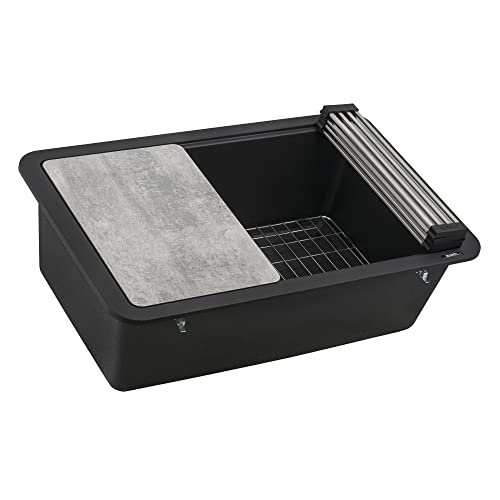
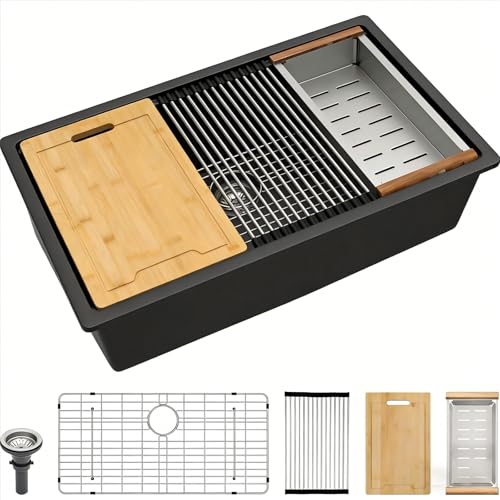
Composite sinks span a wide price range, and most of the difference comes from size, stone content, and included accessories. A basic single bowl costs far less than a large workstation model with a ledge, grid, colander, and cutting board. Decide what you will really use before paying for add ons that sit in a drawer.
Check the cabinet before you fall for a bowl size. The base cabinet must be wider than the sink with room for the bowl and supports, and an undermount sink needs a counter material that can carry its weight. A sink that does not fit forces cabinet work that can cost more than the sink itself.
Match the faucet to the holes. Many composite sinks come with no holes and rely on a counter drilled for the faucet, while drop in models include holes. Confirm the count for your faucet, sprayer, and soap dispenser before ordering.
Think about weight and delivery too. A large composite sink is heavy and arrives in a bulky box, so plan help for the lift and check the cabinet can hold it when full of water and dishes. Inspect it on arrival, because chips at the edges are far easier to claim before installation.
Finally, plan the cleaning routine. A dark matte sink hides scratches but shows hard water spots, while a light sink hides spots but can show coffee and tea stains. Choose the color whose weakness you are happiest to wipe away.
Related guides that may help with your choice include best granite composite sinks for kitchen, best quartz composite kitchen sinks, best quality kitchen sinks, best composite sinks, best material for kitchen sinks. Each guide covers a close topic, so you can compare options before you decide. The product table above also helps you check the main types at a glance.
Frequently Asked Questions
Are composite sinks durable for daily use?
Yes, well made composite sinks handle daily washing, hot water, and normal pots well. They resist chips and scratches better than many enamel sinks, though very heavy impacts can still damage edges. Avoid dropping cast iron pans from height, and clean spills promptly. With normal care, a composite sink lasts many years.
Do composite sinks stain easily?
Composite sinks resist most stains, but coffee, wine, and strong food color can mark light colors if left for hours. Rinse after use and clean promptly to stop stains setting. Matte finishes hide minor marks better than glossy finishes. A regular mild clean keeps the surface fresh, since that is when most stains set.
Can I pour boiling water into a composite sink?
Most composite sinks handle boiling water, but avoid pouring a full pot of boiling water onto a cold sink surface repeatedly. Run cold water at the same time or let the pot cool slightly for very hot loads. Check the maker heat guidance, since limits vary. Normal cooking use rarely causes problems.
What is the difference between granite and quartz composite?
Granite composite uses granite particles, while quartz composite uses quartz particles, both bound in resin. Quartz often feels denser and resists stains slightly better, while granite offers a more natural stone look. Maker quality, finish, and thickness matter as much as the stone type. Choose based on color, finish, and care needs.
How do I clean a composite kitchen sink?
Clean with mild soap and a soft cloth, rinse well, and wipe dry in hard water areas. Avoid abrasive pads and harsh chemicals that can dull the finish. For stubborn marks, use a maker approved cleaner and test it in a corner first. Regular cleaning prevents build up and keeps the sink looking new.
Final Thoughts
A composite kitchen sink should suit your cooking, your cabinet, and your cleaning habits. Use the product table above to compare materials and bowl styles, then measure carefully before you buy. A well chosen sink will handle busy kitchen life quietly and look good for years.
When you weigh fit, features, and care together, best composite kitchen sinks becomes a clearer choice. A careful look at fit, features, and care will lead you to a choice you enjoy using every day.


