
Best Compact Garbage Disposal for 2026: Sizes, Types and How to Choose
Disclosure: We may earn a commission when you buy through links on this page, at no extra cost to you. As an Amazon Associate I earn from qualifying purchases. Learn more

The best compact garbage disposal fits your cabinet, your cooking volume and your noise tolerance; here is how to compare sizes, motors and types.
Picture a narrow cabinet under the sink, already holding a trash bin, cleaning bottles, and the pipes for a dishwasher. A full size disposal simply will not fit in that space, yet food scraps still pile up at every meal. Choosing the best compact garbage disposal is mostly about honest measurements, the number of people you cook for, and a budget you can live with.
This guide walks through sizes, feed types, features, and ownership costs. The product table lists current models, and the sections after it explain each choice.

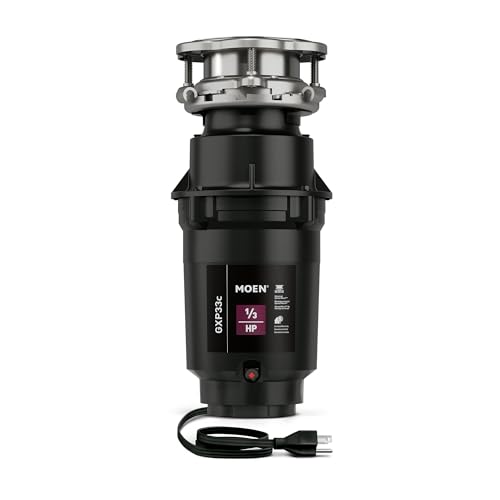
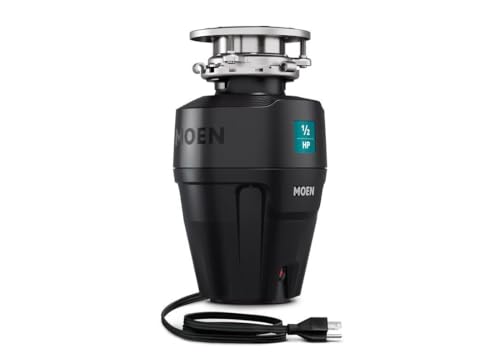


Quick Answer: The Three Types Worth Considering
Most shoppers choose between three kinds of compact model. A slim basic unit suits one or two people who cook light meals. A compact unit with 1/2 hp suits couples and small families who cook most nights. A premium compact unit adds sound insulation and stainless steel grinding parts for homes that value quiet.
Before You Buy: A Quick Checklist for Choosing a Garbage Disposal
Size: Match It to Your Space
Compact refers to the height and width of the body, not only to motor power. Compact bodies are shorter than standard bodies, and that small gap decides whether a bin or water filter still fits beside the unit. Power is a separate choice. A 1/3 hp motor handles soft scraps for a single person, while most small households do better with the options covered in our guide to the best 1/2 hp garbage disposal, and daily cooking for four or more people may call for 3/4 hp if the cabinet allows it.
Which Type Fits Your Routine
Continuous feed models run while you add scraps, so they clear a sink full of peelings fast during cleanup. Batch feed models start only when you place a stopper or cover in the drain, which slows the work a little but adds a layer of control that many parents like. Homes on a septic system should look for models sold as septic safe, with grinding fine enough to suit the tank, and our guide to the best garbage disposal for septic tank explains that pairing in more depth.
Features Worth Paying For, and Ones to Skip
Sound insulation earns its cost if your kitchen opens into a living room, since a bare metal chamber can echo through thin cabinet doors. Stainless steel grinding parts resist rust longer than plain steel, which matters in homes that grind citrus and salty foods often. An air switch is worth it when your wall switch is far from the sink or your hands are usually wet. Skip decorative finishes and extra speed settings, since neither changes how well the unit grinds or how long it lasts.
Measurements and Compatibility With Your Setup
Measure the space under your sink before you shop, not after. Note the height from the cabinet floor to the center of the drain pipe in the wall, the width between any pull out bins, and the depth from the sink bowl to the cabinet door. Most sinks use a standard drain opening, but farmhouse sinks and thick stone sinks can need a longer flange. Also confirm whether a dishwasher will connect to the unit, since the inlet plug must be removed during setup for that hookup to drain.
Certifications and Safety Marks
Look for a recognized electrical safety listing, such as UL or ETL, printed on the label or in the manual. That mark shows the unit meets recognized household electrical safety standards. A built in overload protector and a reset button are also worth having, since they cut power when the motor strains and let you restart once the jam is cleared.
Doing It Yourself Versus Hiring a Pro
A confident homeowner with basic tools can often swap a disposal in an afternoon, especially when the new mount matches the old one. Our step by step guide on how to install a garbage disposal walks through the full process. Hire a plumber when the job needs new wiring, a moved drain line, or an added electrical outlet, since those tasks may require a permit in your area. Pro labor adds to the cost, depending on your region and the state of the plumbing.
Realistic Budget Ranges
Under $100 usually buys a compact 1/3 hp or basic 1/2 hp unit with plain steel parts and little insulation. Between about $100 and $150, expect stronger motors, better splash guards, and warranties that stretch a bit longer. From about $150 to $200, compact models add stainless steel grinding parts and meaningful sound insulation. Spending over $200 makes sense mainly when quiet running and a long warranty matter more than cabinet room, since grinding results change less than the price suggests.
Types Compared: Compact Designs for Different Homes
Rather than naming specific models, it helps to compare the three types by who they serve. The best compact garbage disposal for your home is the type that matches your cabinet, your cooking volume, and your tolerance for noise.
Slim Basic Units for Tight Cabinets
These are the shortest and narrowest bodies in the category, built for apartments, small condos, and galley kitchens where the cabinet also stores cleaning gear. Power is modest, so they suit soft scraps such as vegetable peels and plate scrapings. They cost the least and install quickly, but they ask you to feed scraps slowly and keep fibrous foods out. For a single person or a couple that eats out often, that trade is usually fair.
Compact 1/2 hp Units for Everyday Family Use
This middle type keeps a short body but steps up to a motor that handles daily cooking for two to four people. It grinds fruit rinds, small bones from chicken, and coffee grounds in normal portions without the strain a smaller motor shows. Most include a removable splash guard, which makes cleaning easier, and a dishwasher inlet as standard. If you cook dinner at home most nights, this type covers your routine without eating the whole cabinet.
Premium Compact Units for Quiet, Frequent Cooking
Premium compact models wrap the grinding chamber in insulation and use stainless steel parts, so they run quieter and resist rust over years of use. The body may be an inch or so taller than the slimmest type, so measure twice before choosing one. They suit open plan homes and households that host often and run the disposal several times a day. You pay more up front, but quieter cleanup is the real return.
How Compact Models Are Compared
Compare compact models on manufacturer specifications, stated dimensions, motor ratings, warranty terms, and patterns in verified buyer feedback about fit, noise, and jams. Installation and compatibility carry the most weight, since a compact unit that does not fit your cabinet fails no matter how strong its motor is. Build quality and useful features come next. Confirm dimensions and terms on the product page before you order.
Is a Compact Garbage Disposal the Right Size for You?
Choose compact when cabinet height is your limiting factor, when you store bins or a filter system under the sink, or when your household produces modest amounts of food waste. A compact body leaves room for plumbing traps and stored items that a tall body would push out. If space is not tight at all, compare your shortlist with our broader guide to the best garbage disposal to see what larger bodies offer in power and chamber size. Renters should get written permission from the landlord first, since a disposal changes both the plumbing and the wiring under the sink.
Common Buying Mistakes to Avoid
- Measuring only the height of the new unit and forgetting the space the mounting assembly and drain trap need below it.
- Buying more horsepower than your cooking produces, which costs money and cabinet room without improving daily results.
- Ignoring the drain pipe height in the wall, so the disposal outlet sits too low and water drains poorly.
- Choosing a hardwired model when your cabinet has no junction box, or a corded model when no outlet is within reach.
- Skipping the check for a dishwasher knock out plug, then wondering why the dishwasher will not drain after setup.
Cost of Ownership and Care
Running costs stay small, since a disposal uses short bursts of electricity and about a gallon of water per minute of grinding. The real costs are occasional parts such as a splash guard, which is usually inexpensive, and a full replacement after many years. Cold water is the right choice while grinding, since it keeps grease firm so the unit can move it along instead of coating the pipes. For odor control and safe technique, follow our guide on how to clean a garbage disposal rather than reaching for chemical drain cleaners, which can damage seals.
Care habits are simple. Run the unit a few times a week even when scraps are few, since regular use keeps the grinding plate moving freely and slows rust. Let the water run briefly after the grinding sound clears. Never put your hand into the chamber, even when the switch is off, since a jam can release without warning.
Your Questions, Answered
What size garbage disposal does a household of three need?
Headcount alone is a rough guide, since cooking habits matter just as much. A household of three that cooks fresh meals nightly produces more waste than a household of five that orders in often. As a rule, 1/2 hp covers three people who cook most dinners at home, while frequent entertaining or regular grinding of melon rinds and corn husks in small batches argues for 3/4 hp if your cabinet height allows it.
How do you clean a garbage disposal that smells?
Most odor comes from food film trapped in the folds of the splash guard rather than from deep inside the chamber. Lift the guard flaps and scrub them with an old toothbrush and dish soap, working around the whole drain opening. Grinding a tray of ice cubes with cold water then scours the plate below. If a sour smell returns within days, the guard itself may be cracked or loose, and replacing it usually ends the problem.
Is a garbage disposal worth it in a small kitchen?
For many small kitchens, yes, because scraps leave the home through the drain instead of sitting in a small trash bin that fills and smells fast. The gain is biggest where trash pickup is weekly and summer heat speeds up odors. Renters face a different balance, since installation may need landlord approval and the unit stays with the property when you move. In that case, a countertop compost bin may return more value for the money.
How long does a compact garbage disposal last?
Most compact units serve for many years, with lighter use at the long end of their life. End of life signs include water leaking from a seam in the body rather than from a fitting, a reset button that trips during normal grinding, and rust flakes appearing in the sink after use. Those signs point to wear inside a sealed housing, so replacement is usually wiser than repair once two of them show up together.
What makes a compact garbage disposal reliable?
Reliability starts with a motor sized for your waste load, since a strained motor wears its bearings and seals faster. Stainless steel grinding parts help in coastal or humid areas where plain steel rusts sooner. Warranty length is a useful signal too, because brands tend to back motors they expect to last. Finally, check that spare splash guards and mounting gaskets for the model are easy to find, since small parts decide whether a minor fault ends the unit or gets fixed in minutes.
Final Thoughts
Start with your tape measure, then match motor size to the meals your household actually cooks. A slim basic unit serves light use, a compact 1/2 hp type covers most families, and a premium insulated type rewards frequent cooks with quieter cleanup. The best compact garbage disposal is the one that fits your cabinet, your drain height, and your routine, so use the product table above to compare types before you order.


