Best Commercial Espresso Machine: Complete Buying Guide
Disclosure: We may earn a commission when you buy through links on this page, at no extra cost to you. As an Amazon Associate we earn from qualifying purchases. Learn more
Choosing the best commercial espresso machine for your café or restaurant is a different exercise than shopping for a home unit. You're not just buying an appliance, you're buying a piece of production equipment that has to survive a full shift of back-to-back shots without breaking rhythm. Volume, consistency, and uptime matter more than any single feature on a spec sheet. Before you compare models, it helps to understand how boiler design, group head count, plumbing needs, and daily maintenance work together to determine whether a machine can actually keep pace with your bar. This guide walks through the practical factors that separate a machine built for occasional home brewing from one built to run a business.
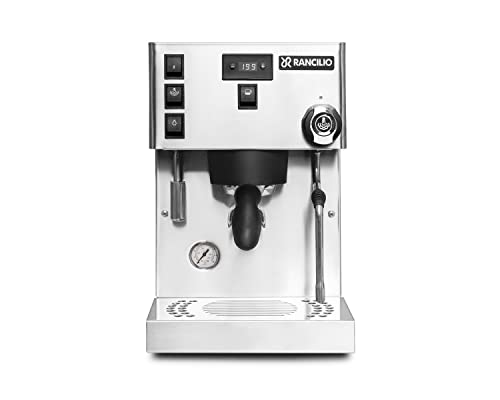
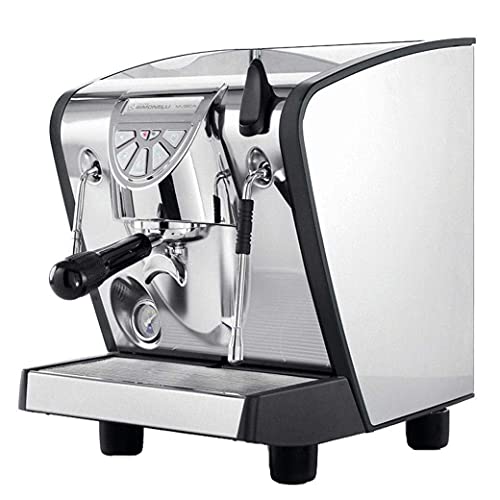


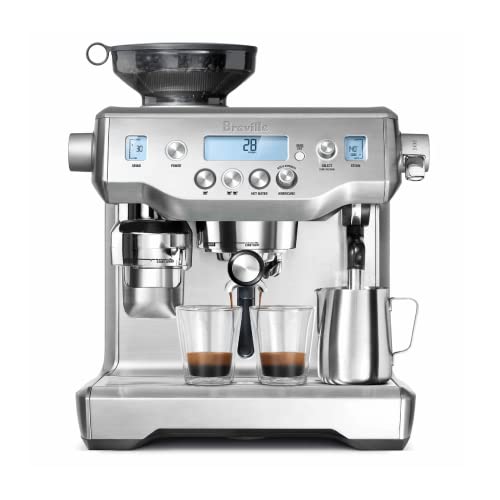
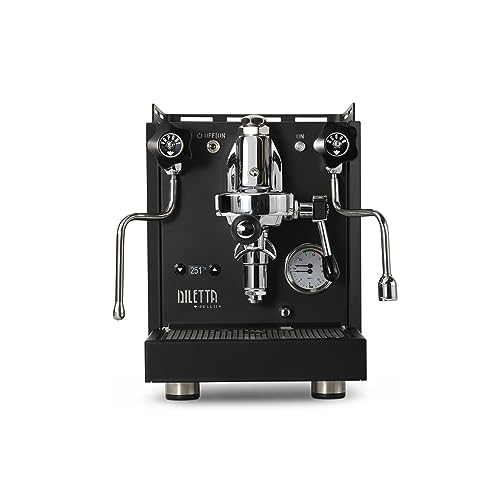
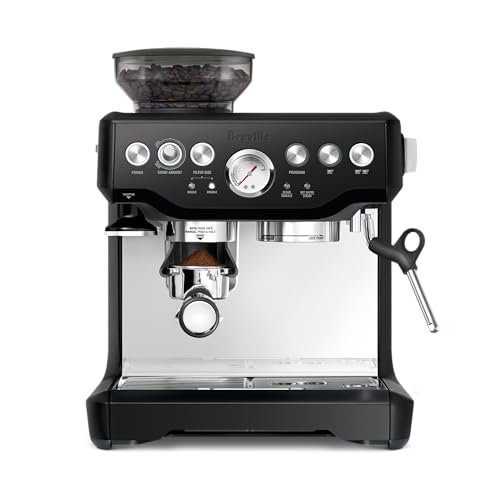
Boiler Design and Group Head Count for Café Volume
The boiler is the heart of any commercial machine, and the design you choose has a direct effect on shot consistency during a rush. Heat exchange units use one large boiler with a separate brewing circuit, letting you steam milk and pull shots at the same time. They're a common middle ground for independent shops with moderate, steady traffic.
Dual and Multi-Boiler Setups
Dual boiler machines give brewing and steaming their own independent temperature controls, which means less drift between shots and faster recovery when the line gets long. Multi-boiler machines take that further by giving each group head its own boiler, a setup built for high-volume bars where every shot needs to taste the same regardless of how many cups came before it.
How Many Group Heads You Actually Need
Group head count should track your busiest hour, not your average day. A rough starting point many café operators use is one group head for every 150 or so drinks in a typical day, though a shop with a tight rush window may need more capacity than that math suggests.
Matching Machine Size to Your Daily Drink Count
Sizing a machine correctly protects both your investment and your customers' patience. A unit that's too small becomes a bottleneck the moment two orders stack up, while an oversized machine ties up counter space and budget you didn't need to spend.
Start by counting your realistic peak-hour drink volume, not your slowest weekday afternoon. Bakeries and quick-service counters with grab-and-go traffic often need more raw throughput than a sit-down restaurant serving espresso as an after-dinner add-on. Factor in seasonal swings too. A shop near a campus or office park can see demand double during certain months, and a machine sized only for the quiet season will show its limits fast when volume picks up.
It also helps to think about your menu mix. A bar that leans heavily on milk-based drinks needs steam capacity that keeps up with pitcher after pitcher, which is one more reason boiler recovery speed matters as much as the number of group heads on the front of the machine. In the end, the best commercial espresso machine for your shop is the one sized to your real demand rather than an aspirational number.
Plumbing, Electrical, and Water Filtration Setup
Commercial machines have real installation requirements, and skipping this planning step is one of the most common causes of opening-day delays.
Plumbed-In Versus Reservoir Feed
A plumbed-in machine connects directly to a water line and drain, which removes the need to refill a tank during service and suits any shop doing steady volume. It does mean coordinating with a plumber ahead of installation. A reservoir-fed machine skips the plumbing work and can sit almost anywhere with a stable counter, which makes it a reasonable option for lower-volume settings or pop-up locations.
Electrical and Water Quality
Multi-group machines often draw enough power to need dedicated circuits or higher voltage service, so confirm your electrical capacity before you commit to a model. Water filtration deserves equal attention. Unfiltered water accelerates scale buildup inside the boiler and group heads, so plan for at minimum a sediment and carbon filter, with a scale-inhibiting cartridge recommended in hard water areas.
What Drives the Price at Commercial Scale
Commercial espresso equipment is priced by throughput and durability more than by features you'd notice in a spec list. Heavier brass and stainless components, independent boilers per group, and PID-based temperature control all add cost because they're built to run for years under continuous daily use rather than a few cups each morning.
Group head count is usually the biggest single price driver, since each additional group adds its own boiler capacity, plumbing, and control hardware. Beyond the machine itself, budget for a commercial-grade grinder, water filtration, and routine service, since these ongoing costs affect your total investment as much as the sticker price on the machine. Financing or leasing is common in this category precisely because the upfront number reflects industrial-grade parts rather than home-kitchen pricing.
Daily Upkeep That Keeps Downtime Away
A commercial machine earns its cost only if it stays running, and that comes down to a maintenance routine your staff actually follows every shift.
- Backflush with a cleaning detergent at the end of each day to clear coffee oils from the group heads and valves.
- Wipe steam wands after every use to prevent milk residue from hardening inside the tip.
- Descale on a fixed schedule based on your water hardness and drink volume rather than waiting for symptoms.
- Replace water filter cartridges on the manufacturer's timeline, not when flow noticeably slows.
- Book a preventive service visit at least once or twice a year to catch worn gaskets and seals before they fail during service.
Many suppliers offer service contracts that bundle these visits together, which can be worth the cost for a shop that can't afford a broken machine during peak hours.
Frequently Asked Questions
How many group heads does a small café need?
Most small independent cafés do well with a two-group machine, which typically covers a few hundred drinks a day. Shops with a short, intense morning rush sometimes size up even at lower daily totals.
Is a plumbed-in machine always better than a reservoir model?
Not always. Plumbed-in suits steady, higher-volume operations, but a reservoir model can be the smarter choice for a low-volume counter, a seasonal location, or a space where running a water line isn't practical.
Do commercial machines need a dedicated grinder?
Yes. A commercial-grade grinder built for continuous, high-volume dosing is considered part of the espresso setup, not an optional add-on, since grind consistency affects extraction as much as the machine itself.
How often should a commercial espresso machine be descaled?
It depends on water hardness and volume, but many shops descale monthly to quarterly. Areas with hard water or high drink counts usually need to lean toward the more frequent end of that range.
What voltage does a commercial espresso machine typically require?
Smaller single or two-group machines often run on standard higher-amperage circuits, while larger multi-group units frequently need three-phase power. Confirm requirements with an electrician before installation, not after delivery.
Can a machine built for a coffee shop work in a restaurant setting?
Yes, as long as it's sized to the restaurant's realistic peak volume. A restaurant serving espresso mainly after meals may need less throughput than a dedicated coffee counter, even with a similar total customer count.
How long does a well-maintained commercial machine typically last?
With consistent backflushing, descaling, and professional servicing, commercial units are built to run for many years of daily use, often significantly longer than machines designed for home kitchens.
Making the Right Call for Your Shop
The right choice comes down to matching boiler design, group head count, and installation setup to how your shop actually operates, not to the longest feature list. Take an honest look at your peak-hour volume and available utilities before comparing options, and the search for the best commercial espresso machine for your specific space becomes far more straightforward.