Best Commercial Coffee Makers for Home Use: Buying Guide for 2026
Disclosure: We may earn a commission when you buy through links on this page, at no extra cost to you. As an Amazon Associate I earn from qualifying purchases. Learn more
Learn how to choose the best commercial coffee makers for home use with this buying guide covering brew styles, capacity, carafes, cleaning, and budget tiers.
A commercial grade machine on a home counter promises cafe speed, sturdy parts, and pots that survive daily use for years. The catch is that commercial models vary widely in size, plumbing needs, and upkeep, so picking the best commercial coffee makers for home use starts with matching the machine to your kitchen and your habits, not with chasing the longest feature list.
This guide explains the price tiers, the features that change your morning cup, and the upkeep you will actually live with. Use the comparison table below to shortlist models, then work through the buying guide sections to check fit, capacity, and cleaning before you spend.

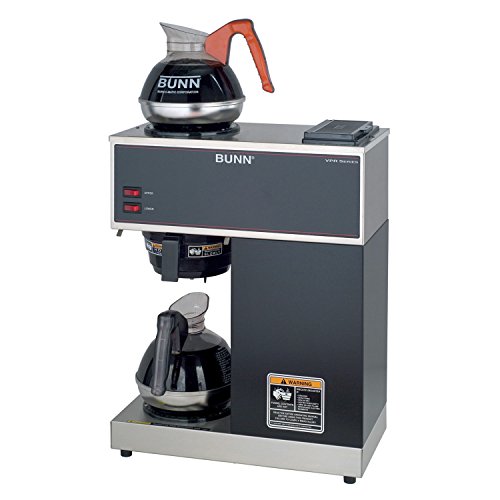


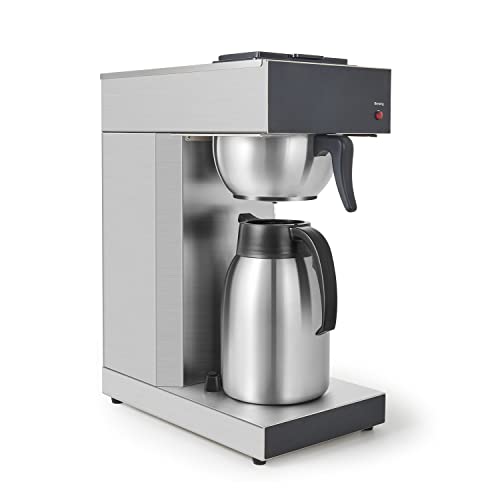
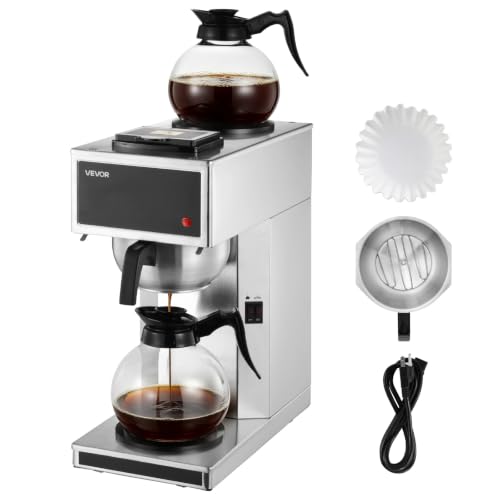

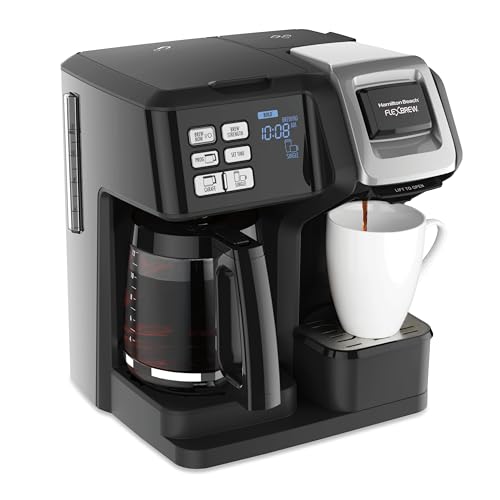
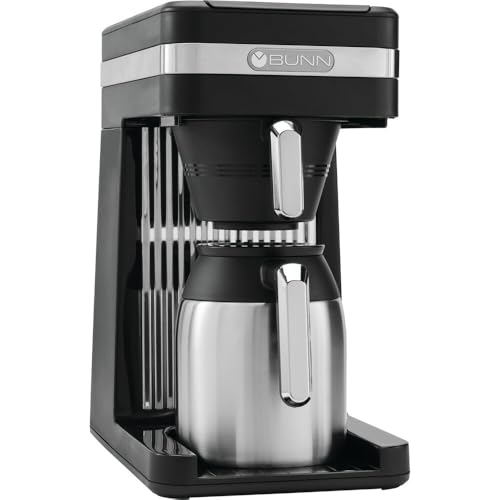
Price Tiers at a Glance: What Each Level Delivers
The Balanced Tier for Most Homes
The middle tier, often around $200 to $400, is where most households should shop. Machines here usually brew a full pot quickly, hold temperature well, and use metal parts in the areas that wear fastest, like the brew basket and carafe lid. You typically get a programmable timer, adjustable brew strength, and a thermal carafe option at this level.
The limit at this tier is specialization. A balanced machine makes very good drip coffee but will not pull true espresso shots or steam milk like a dedicated cafe setup. For a household that drinks pot coffee daily and wants it to taste consistent, that trade off is usually the right one.
The Value Tier for Simple, Reliable Pots
Value tier machines, often under $200, focus on the basics: a decent heating element, a simple switch or small control panel, and a glass carafe on a warming plate. They suit smaller households, guest houses, and offices where coffee needs to be hot and plentiful rather than precise. Parts are widely available, and replacing the machine years later costs little.
What you give up is temperature stability and durability. Cheaper heating elements can brew a little cool, which makes coffee taste flat or sour, and plastic parts age faster under daily heat. If you grind fresh beans and drink the pot within the hour, a value model can still serve you well.
The Premium Tier for Serious Home Baristas
Premium machines, often above $400, add precise temperature control, better water distribution over the coffee grounds, and heavier stainless steel construction. Some carry SCA certification, which means an independent body has checked that the brewer reaches and holds proper brewing temperatures. Shower style spray heads at this level wet the grounds evenly, so extraction tastes sweeter and less bitter.
You also pay for longevity and service. Premium brands tend to stock spare parts for years and design machines that can be opened and repaired. If coffee is a daily ritual and you keep equipment for a decade, the higher price spreads out into a modest cost per year.
How to Choose the Best Commercial Coffee Makers: Buying Guide
Start the buying decision with how your household actually drinks coffee, because the best commercial coffee makers for home use for a family of five looks nothing like the right pick for a solo espresso fan. The points below walk through each decision in the order that matters most.
Brewing Method and Coffee Style
Drip brewing is the core of most commercial machines and suits people who drink several cups across a morning. Single serve models brew one cup at a time with pods or grounds, which reduces waste but raises the cost per cup. Espresso machines use bar pressure to force water through finely ground coffee, producing small, intense shots for lattes and cappuccinos.
Pour over and cold brew styles sit at the edges. A commercial drip machine with a good spray head gets close to pour over clarity, while cold brew needs only steeping time and a fine filter. Be honest about your main drink, then check our guide to the best coffee makers for home use if your needs turn out to be lighter than commercial grade.
Programmable Features and Controls
A programmable timer lets you load coffee grounds and water at night and wake to a finished pot, which is the single feature most owners say they use daily. Brew strength control adjusts how long water contacts the grounds, giving a bolder or milder cup from the same beans. Auto shut off adds safety and saves power, especially with glass carafes on warming plates.
Touch screens and app control look appealing but add little to cup quality, and they can age poorly if software support ends. Simple dials and buttons often outlast fancy panels in a steamy kitchen. Choose controls that everyone in the household can run half asleep at 6 in the morning.
Capacity and Serving Size
Capacity is listed in cups, but a coffee maker cup is usually about 5 ounces, not the 8 ounces in a measuring cup. A 12 cup machine therefore fills roughly six large mugs. Households of heavy drinkers should size up, while smaller homes may prefer a 4 cup or 8 cup model that keeps each batch fresh.
Carafe style matters as much as size. A thermal carafe keeps coffee hot for hours without a warming plate, so flavor stays smooth instead of turning bitter from constant heat. Glass carafes cost less and let you see the level at a glance. If your mornings center on a classic pot setup, our guide to the best coffee pot makers covers that style in depth.
Milk Frothing Options
Only some commercial machines froth milk. Espresso models may include a steam wand, which takes practice but produces silky foam for lattes and cappuccinos. A few drip machines add an automatic frother jug, which is easier but gives a lighter, airier foam. If your household drinks black coffee, skip frothing entirely and put the money toward a better brewer.
Think about the cleaning that comes with milk. Wands and frother parts need rinsing right after every use, because dried milk is stubborn and unhygienic. Readers who want true cafe drinks at home should look at our guide to the best home espresso coffee machines, where frothing is the main event rather than an add on.
Cleaning, Descaling, and Maintenance
Mineral scale from hard water slowly chokes heating elements and makes brew temperatures drop, so descaling is not optional. Many machines have a descale alert that tracks use and warns you, which helps busy owners stay on schedule. Removable brew baskets, carafes, and water tanks that fit in a sink make weekly cleaning realistic instead of a chore you avoid.
Check the ongoing costs before you buy. Paper filters are cheap, while pods and proprietary water filters add a steady yearly expense. Dishwasher safe parts save time, but hand washing a thermal carafe protects its vacuum seal. A machine that is easy to clean will simply get cleaned more often, and it will taste better for it.
Build Materials: Plastic, Stainless Steel, and Glass
Stainless steel housings resist dents, heat, and stains, and they suit the commercial look many buyers want. Plastic housings cost less and weigh less, but look for BPA free water tanks and brew paths, since hot water sits in contact with those parts daily. Glass appears mostly in carafes, where it is easy to monitor but fragile on tile floors.
Pay attention to the parts you cannot see in photos. A metal brew basket, a sturdy hinge on the lid, and a carafe handle that is bolted rather than glued all predict a longer life. Weight is a quiet clue here: very light machines in this category usually have thinner parts everywhere.
Footprint and Countertop Fit
Commercial machines are taller and deeper than typical home brewers, and many kitchens have cabinets about 18 inches above the counter. Measure your clearance with the lid open, because the lid on a drip machine often swings up to load grounds and water. A model that fits only with the lid half open will annoy you every single day.
Depth matters too, since a deep machine pushes the carafe handle toward the counter edge. Removable water tanks help if the machine sits under cabinets, because you can fill the tank at the sink instead of pouring into the top. Our guide to the best drip coffee makers for home includes compact options if your measurements rule out full commercial sizes.
Types of Commercial Coffee Makers
Grind and Brew Machines
Grind and brew machines combine a bean hopper, a burr grinder, and a drip brewer in one unit, so every pot starts with freshly ground coffee. The flavor gain over pre ground coffee is real, and the counter holds one appliance instead of two. The compromises are noise during grinding and more parts to clean, since oily grounds cling to the chute.
Cold Brew Makers
Cold brew makers steep coarse grounds in cold water for many hours, producing a smooth, sweet concentrate you dilute to taste. Commercial style versions are simply larger and sturdier, suiting households that drink iced coffee daily. They need fridge space and planning ahead, so they work best as a second machine beside a hot brewer rather than as your only option.
Percolators
Percolators cycle boiling water through grounds repeatedly, making a strong, hot pot with almost no electronics to fail. Large commercial urn versions serve crowds at events and offices. The repeated cycling can over extract coffee and taste harsh to modern palates, but fans love the ritual and the durability. For everyday home use, most people prefer the gentler flavor of drip brewing.
Setup and Care Tips
- Use filtered water. Good water protects flavor and reduces scale, and it is the cheapest upgrade any coffee setup can get.
- Descale every 1 to 3 months. Hard water areas need the shorter interval, and a descale alert makes the habit easier to keep.
- Clean the carafe, basket, and steam wand after each use. Old coffee oils turn rancid quickly and will flavor the next pot.
- Store beans in an airtight container away from light. Whole beans stay fresh for weeks, while ground coffee fades within days.
- Run a water only brew when the machine is new. This flushes factory residue and confirms everything works before your first real pot.
Frequently Asked Questions
Is a commercial coffee maker with a built in grinder worth it?
It is worth it if you value fresh ground flavor and want one appliance instead of two on the counter. Grinding just before brewing improves aroma noticeably, and the built in unit saves a separate purchase. The costs are extra cleaning and more noise in the morning. If your household is sensitive to early noise, a separate quiet grinder used the night before may suit you better.
How often should I descale my commercial coffee maker?
Descale every 1 to 3 months, leaning toward monthly if your tap water is hard. Signs that you waited too long include slower brewing, gurgling sounds, and coffee that tastes dull even with fresh beans. Use the descaler the maker recommends or a standard citric acid solution, then run two plain water cycles to rinse before brewing coffee again.
How long does a commercial coffee maker usually last?
A well kept commercial grade machine usually lasts about 7 to 10 years in home use, and longer if parts are replaceable. Longevity depends mostly on descaling habits and water quality, not on the price tag alone. Keep the receipt and model number stored digitally, because ordering the right replacement carafe or seal years later depends on having them.
What grind size works best with a commercial coffee maker?
A medium grind, similar to coarse sand, works best for most drip style commercial machines. Too fine a grind slows the water and over extracts, making the cup bitter, while too coarse a grind rushes through and tastes weak and sour. Espresso models are the exception and need a fine, even grind. Adjust one step at a time and taste the result before changing anything else.
Can I use regular coffee in a commercial coffee maker?
Yes, regular coffee works fine, because commercial home machines use the same basket filters and grounds as standard brewers. Just match the amount to the batch size, using roughly one to two tablespoons of grounds per 6 ounces of water as a starting point. Very oily dark roast beans can leave more residue in grind and brew models, so clean the chute more often if you use them.
Is a more expensive commercial coffee maker really worth it?
A pricier machine is worth it when it buys you stable brew temperature, stronger materials, and parts you can replace years later. Those gains show up in the cup and in the machine still working a decade on. It is not worth paying extra mainly for apps or decorative finishes. Decide which upgrades you will taste or touch daily, and let the rest go.
Wrapping Up
Choose by brew style first, then capacity, then how much cleaning you will honestly do, and the right machine becomes obvious. The product table above gathers the key numbers so you can compare your shortlist at a glance. Match those points to your kitchen measurements and budget, and you will end up with one of the best commercial coffee makers for home use that earns its counter space every morning.