Best Combination Coffee Makers K Cup: What Actually Matters Before You Buy for 2026
Disclosure: We may earn a commission when you buy through links on this page, at no extra cost to you. As an Amazon Associate I earn from qualifying purchases. Learn more
Use this buyer checklist for the best combination coffee makers k cup: brew styles, pod costs, capacity, and cleaning, so you choose with confidence.
A combination coffee maker promises two mornings in one machine: a full pot of drip coffee for the household and a single K cup for the person running out the door. The catch is that a long feature list can hide weak points on the side you will actually use every day. This guide gives you a clear checklist for judging the best combination coffee makers k cup models on brew style, running cost, capacity, and upkeep, so you can compare the comparison table below with confidence instead of guessing.
Work through the criteria in order, note which ones matter most in your kitchen, and use the buyer checklist near the end as a final pass before you order.



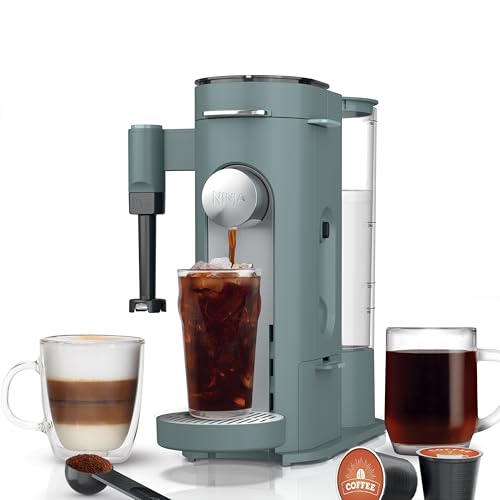

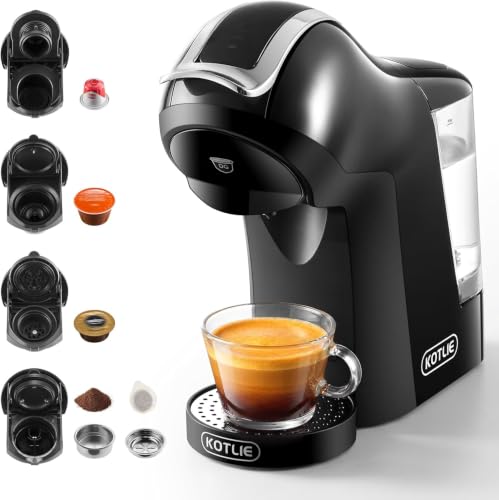
Key Features to Compare: A Checklist for Combination Coffee Makers
Six criteria separate a machine you will enjoy for years from one that frustrates you by the second month. Each one below explains what to look for, what counts as a good sign, and what should make you pause. Score the models in the product table above against these points as you read.
Brewing Method and Coffee Style
Most combination machines pair a drip brewer on one side with a pod brewer on the other, and some add a pressurized espresso style function that uses bar pressure to pull a stronger, smaller drink. Drip suits people who like a smooth mug they can sip slowly, while pods suit anyone who wants variety and speed. If your household leans toward specialty drinks, remember that cold brew makers and percolators solve different problems entirely, and no combo unit replaces them. The key question is simple: does each side of the machine brew a style your household genuinely drinks every week?
Pod Cost and Long Term Value
Pods cost more per cup than coffee grounds bought in a bag, and that gap adds up across a year of daily brewing. A household that drinks four pod coffees a day can spend several hundred dollars more annually than one brewing pots from ground coffee. Look for machines that accept reusable pod filters, since those let you fill a pod with your own grounds and cut both cost and waste. Also check whether the maker takes only one pod brand or a wider range, because wider compatibility usually means cheaper pods on sale.
Build Materials: Plastic, Stainless Steel, and Glass
The parts that touch hot water and coffee matter for flavor and durability. Stainless steel boilers and trim resist staining and feel sturdier than thin plastic housings, while plastic water tanks and pod chambers should be clearly labeled BPA free. A glass carafe shows the coffee level at a glance but can break and lets coffee cool faster on a warming plate. A thermal carafe keeps coffee hot for hours without a plate, which protects flavor, though it hides how much is left. Match the material to your habits rather than paying for looks alone.
Built In Grinder or Pre Ground Coffee
A built in grinder lets you brew from whole beans, which taste fresher than pre ground coffee that has sat open for weeks. A burr grinder is the better design because it crushes beans to an even size, while a blade grinder chops unevenly and can leave a cup tasting both weak and bitter. The trade offs are noise, counter space, and price, since grinder models cost more and need regular brushing out. If your household mostly uses pods and the occasional pot, skipping the grinder and buying fresh ground coffee in small bags is often the smarter spend.
Capacity and Serving Size
Carafe size usually runs from about 10 to 12 cups on the drip side, which suits households of three or more coffee drinkers. Smaller households may prefer a compact model that brews a half pot well, because a large carafe brewed only a quarter full can taste thin. On the pod side, check the water reservoir size and the range of brew sizes, since a bigger tank means fewer refills and more choice for travel mugs. Also confirm the drip tray adjusts or removes so a tall mug fits under the pod spout without splashing.
Cleaning, Descaling, and Maintenance
Daily upkeep is where combination machines earn or lose your patience, because you are maintaining two brewers in one body. Removable parts such as the carafe, brew basket, and drip tray should rinse easily or go in the dishwasher. Descaling matters just as much: mineral scale from hard water slows brewing and flattens flavor, so a machine with a clear descale alert and a simple cleaning cycle saves guesswork. Budget for water filters and descaling solution as running costs, and check how often the maker asks for each in its manual before you buy.
Buying Guidance: Matching a Machine to Your Routine
With the criteria above in hand, the next step is matching them to the way your household actually drinks coffee. The three patterns below cover most buyers, and each one shifts which features deserve your money.
Households That Brew a Full Pot Every Morning
If a full carafe anchors your mornings, judge the drip side first and treat the pod side as a bonus for guests and late sleepers. Prioritize a thermal carafe if the pot sits for an hour or more, and look for a brew strength setting so early risers and slow starters both get a cup they like. Readers comparing dedicated pot brewers alongside combos can also see our guide to the best coffee pot makers for a sense of what a single purpose machine offers at a similar price.
Mixed Pod and Pot Drinkers
Many homes split evenly: one partner brews a pot for work, the other grabs a pod before the gym. For you, both sides need to perform, so weigh pod brew temperature and drip consistency equally and favor a large shared or dual reservoir setup that rarely needs filling. It also helps to stock pods your household truly enjoys, and our guide to the best k cup coffee explains how roast level and freshness change what ends up in the cup. If pods end up dominating, a pod only machine may serve you better.
Small Counters and Solo Drinkers
A combination machine takes more counter space than either brewer alone, so measure your counter depth and cabinet clearance before falling for a wide model. Solo drinkers should ask whether the drip side brews a small batch well, since a two cup setting that tastes right beats a full pot poured down the sink. If space is truly tight, compare the footprint against the models in our guide to the best k cup coffee makers, because a slim pod brewer plus a small drip maker can sometimes fit a galley kitchen better than one wide unit.
Quick Buyer Checklist
Run through these questions for any model you are considering, including the ones in the product table above. A string of yes answers means the machine fits your routine; a no points you to the section above that explains why it matters.
- Does the drip side brew a pot size your household finishes while it still tastes fresh?
- Can every drinker fit a favorite mug, including travel mugs, under the pod spout?
- Does the machine accept reusable pod filters or a wide range of pod brands?
- Is the carafe style right for you, glass with a warming plate or a thermal carafe?
- Are the tank, basket, and drip tray easy to remove, rinse, and refill at your sink?
- Does the maker give a clear descaling alert and simple cleaning cycle?
- Will the machine fit your counter with cabinet clearance for the lid to open fully?
- Does the warranty cover both brewing sides for at least a full year?
Red Flags to Watch For
Some warning signs show up right on the product page, before you ever brew a cup. Keep an eye out for these as you compare listings.
- Vague specs: listings that hide brew temperature, reservoir size, or accepted pod types make honest comparison impossible.
- No safety or quality certification: an SCA certified brewer has met recognized brewing standards, so a maker with no certifications at all deserves extra scrutiny.
- Very short warranty: coverage under a year on a two in one machine suggests the maker expects problems early.
- Reviews that cluster on one complaint: many owners reporting leaks, pump failures, or pods punctured wrong points to a design flaw, not bad luck.
- Costly required extras: machines that demand brand specific filters or pods at premium prices raise the true cost well beyond the sticker.
None of these alone proves a machine is poor, but two or more together should push you toward another model. For a wider view of how full size machines compare on build and features, our guide to the best coffee machine makers is a useful companion read.
Tips to Get the Most From Your Combination Coffee Maker
Good habits protect flavor on both sides of the machine. Use filtered water if your tap water tastes strongly of chlorine or leaves heavy scale in a kettle, since water is nearly all of what ends up in the cup. Descale every one to three months depending on your water hardness, and sooner if brewing slows or the machine alerts you. Rinse the carafe and brew basket after each use so old coffee oils do not turn the next pot stale, and wipe the pod holder weekly to clear trapped grounds. Store opened ground coffee sealed and away from heat so the drip side stays as fresh as the pod side.
Combination Coffee Makers With K Cup Brewers: Your Questions Answered
Is a built in grinder worth it on a combination coffee maker with a K cup side?
A built in grinder is worth it if the drip side gets daily use and your household enjoys whole bean coffee, because freshly ground beans noticeably lift a full pot. It adds less value when pods do most of the work. One point buyers miss is hopper size: a small hopper on a combo unit may hold only a few days of beans, so you refill often and the convenience shrinks.
Is a more expensive combination coffee maker with a K cup side really worth it?
Paying more is worth it when the extra money buys a thermal carafe, stronger build materials, and a longer warranty rather than extra drink presets you will never touch. Higher priced models also tend to hold brew temperature steadier across a full pot. Watch for diminishing returns above the midrange, where price often buys styling and touchscreens instead of better coffee in the cup.
Can you use regular ground coffee in a combination coffee maker with a K cup side?
Yes, regular ground coffee works in a combination machine in two ways: in the drip basket as usual, and inside a reusable pod filter on the pod side. The reusable filter route gives you pod convenience without pod prices. Use a medium grind for the filter and do not pack it down, because tightly packed grounds can slow the water flow and trigger an overflow or a weak, under extracted cup.
What grind size works best in a combination coffee maker with a K cup side?
A medium grind, close to the texture of coarse sand, works best for the drip side of a combination machine and suits reusable pod filters too. Finer grinds can clog the basket and taste bitter, while very coarse grinds brew weak and sour. If your machine includes an espresso style function, that side needs a fine grind of its own, so keep two clearly labeled containers to avoid mixing them up on a rushed morning.
How long does a combination coffee maker with a K cup side usually last?
A combination coffee maker usually lasts about three to five years with regular descaling and gentle handling of the pod mechanism. The pod piercing needles and pump often wear first, since they cycle far more often than the drip side parts. You can stretch the lifespan by running a plain water cycle through the pod side weekly, which clears residue before it hardens around the needles and seals.
Final Thoughts
Choosing well comes down to three checks: both brewing sides match drinks your household actually wants, the running cost of pods and filters fits your budget, and the cleaning routine is light enough that you will keep up with it. Apply the checklist to the comparison table above, and the best combination coffee makers k cup choice for your kitchen should stand out clearly. Readers who want to compare non pod combination models as well can see our guide to the best combination coffee makers before making a final decision.