Best Coffee Makers for Home Use (2026): A Buyer Checklist
Disclosure: We may earn a commission when you buy through links on this page, at no extra cost to you. As an Amazon Associate I earn from qualifying purchases. Learn more
Household size, brew method, capacity, cleaning and running costs: a practical checklist for choosing the best coffee makers for home use.
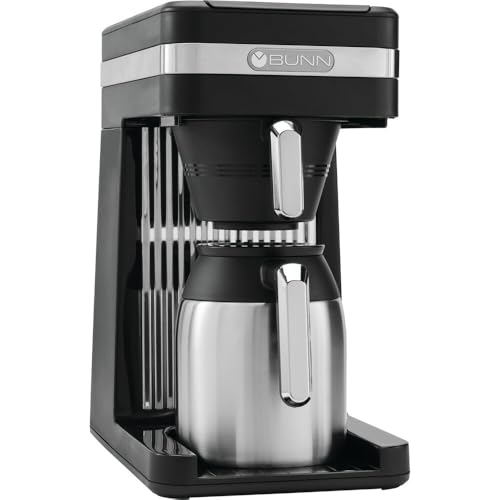
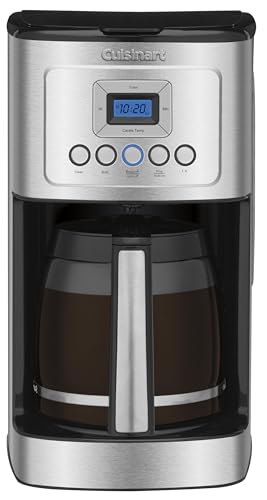
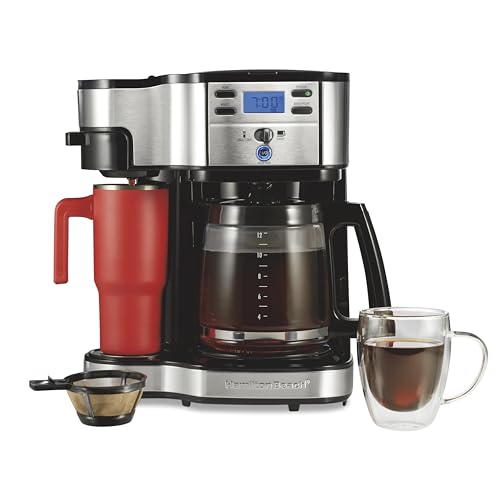
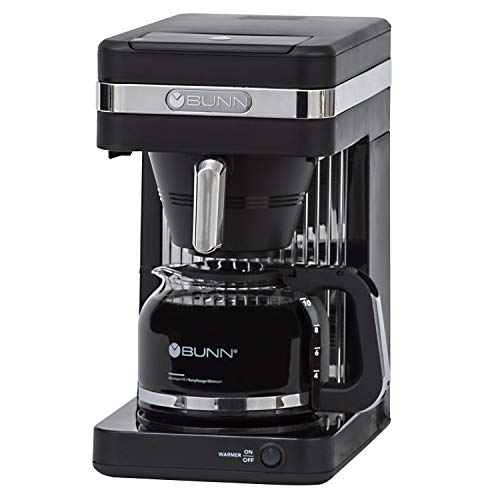
The best coffee makers for home use range from a basic drip brewer to a machine that handles grinding, brewing, and milk frothing on its own. A checklist helps because the differences that matter most are easy to miss in a shop, such as how hard the machine is to clean or how much each cup will cost over a year. The product table below lists current models at a glance.
Work through the points in this guide in order, and tick off what matters to your household. Start with how many people drink coffee, what drinks they prefer, and how much time you want to spend on setup and cleaning. The rest of the decision usually follows naturally once those answers are clear.




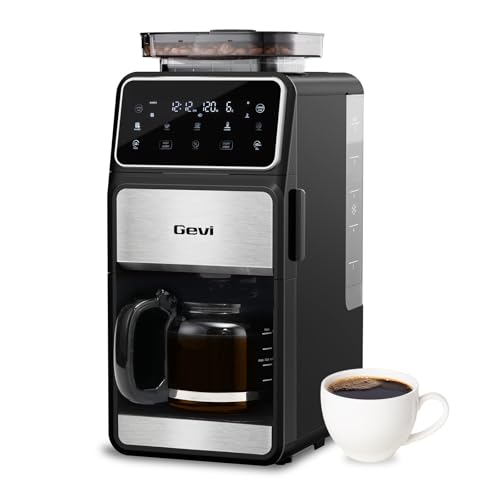

Choosing the Best Coffee Makers for Home Use: Start With Your Household
For the best coffee makers for home use, count the daily drinkers first. A single person who wants one strong mug before work needs a very different machine from a household of four that brews twice a day. Larger machines waste coffee when they brew far more than anyone drinks, while tiny machines frustrate a busy household that needs several cups at once.
Think about timing as well. If everyone leaves at the same time, a programmable timer that brews before you wake up is genuinely useful. If people drink at different times, a thermal carafe or a single serve machine keeps each cup fresh. Match the machine to the rhythm of your mornings, not to an imagined ideal routine.
Brew Method and Coffee Style
Drip brewing suits households that want a full pot of straightforward coffee with little effort. It is forgiving, easy to clean, and works well for black coffee drinkers. Pour over brewing gives more control over flavour and suits people who enjoy the ritual, but it needs attention and a little practice to get consistent results.
Espresso brewing produces a concentrated base for milk drinks and suits latte and cappuccino lovers. Single serve brewing wins on speed and variety, since each person can choose a different drink. Cold brew produces a smooth concentrate for iced coffee fans, but it needs hours of steeping, so it suits planners rather than impatient mornings.
Brew Temperature and Extraction
Good extraction depends on water temperature and contact time. Most guidance points to water around 195 to 205 degrees Fahrenheit for drip and pour over brewing, with espresso relying on pressure as well as heat. Machines that brew too cool often produce weak, sour tasting coffee, no matter how good the beans are.
You do not need to measure temperature yourself, but it helps to know whether a machine is known for stable heating. Look for descriptions of temperature control and pre infusion, where the grounds are briefly wetted before full brewing. These features help extraction stay even, especially with lighter roasts that need a little more care.
Capacity, Grinder, and Milk Options
Capacity should match your largest regular brew, not your largest party. A 12 cup machine is useful for guests, but brewing two mugs in a large pot can taste thin. Some machines offer a small batch setting that adjusts brewing for fewer cups, which solves this problem neatly if you sometimes brew for one and sometimes for many.
A built in grinder keeps beans fresh and saves a separate step. Burr grinders are more consistent than blade grinders. Milk options range from a simple steam wand to a fully automatic frother. Choose a steam wand if you enjoy control, an automatic frother if you want ease, and no frother at all if you drink black coffee.
Cleaning, Descaling, and Running Costs
Cleaning effort often decides whether a machine stays in daily use. Check which parts can go in the dishwasher, how easy it is to reach the brew group or filter basket, and whether the machine alerts you when descaling is due. Machines with many small parts look impressive but can become a chore after the novelty fades.
Running costs include beans or pods, filters, descaling solution, and occasional replacement parts. Pod machines cost more per cup, while bean machines cost more upfront. Add up a rough yearly total for each option you are considering, including filters, so the comparison reflects real life rather than just the sticker price.
Common Mistakes to Avoid
A frequent mistake is buying for features you will rarely use, such as a dozen drink presets when you only ever drink black coffee. Extra presets add cost and complexity without improving your daily cup. Another mistake is forgetting to measure height under cabinets, which matters for machines with a top loading tank or a tall lid.
Ignoring water quality is another trap. Very hard water causes scale buildup and dull flavour. If your kettle scales quickly, plan for a filter and regular descaling from the start. A little care here protects both taste and the life of the machine.
For a closer look at specific styles, see our guides to best drip coffee makers for home and best home espresso coffee machines. Larger households may also want best commercial coffee makers for home use, while best coffee pot makers covers classic pot style brewers in more detail.
Getting the Most From Your Choice
A coffee maker earns its place when it fits the way your household actually starts the day, not when it simply looks impressive on a counter. Think about who brews first, whether anyone drinks decaf or a different strength, and how much time you honestly have before leaving the house. A machine that needs a long warm up and several steps may suit a slow weekend morning but frustrate a rushed weekday routine, so match the workflow to your busiest days rather than your calmest ones.
Consider where the machine will live and how it will be cleaned in real life. A brewer tucked into a dark corner with no room to open the lid or remove the carafe will be used less and cleaned less well. Leave space around it for steam, keep filters and beans within easy reach, and agree on a simple rule for emptying grounds and rinsing the pot. Small practical choices like these decide whether a good machine stays good.
Taste preferences also narrow the field quickly. Households that love strong, rich coffee may prefer a method that allows a higher coffee to water ratio and a longer extraction, while those who prefer a lighter, cleaner cup may enjoy pour over or a well tuned drip brewer. Try the same beans in different methods if you can, since the brewer changes flavour as much as the bean itself does.
Finally, think about how the machine will age in your kitchen. A model with widely available filters, seals, and carafes is easier to keep running than one with unusual parts. Read the warranty, note the descaling routine, and choose a machine whose daily care you can imagine doing happily for years, since that is what keeps coffee tasting its best.
A Final Word Before You Decide
Before you order, check the full cost of ownership, including filters, descaling solution, and any replacement carafes or parts you may need in the first year. A machine that looks affordable can become expensive if consumables are costly or hard to find, while a slightly pricier model with cheap, standard filters may cost less over time.
After purchase, settle into a simple maintenance rhythm and stick to it, since regular descaling and cleaning matter more than any single feature for long term flavour. Mark descaling dates on a calendar, keep spare filters on hand, and wipe down the machine after use, so good coffee becomes a habit rather than an occasional lucky result.
Frequently Asked Questions
What is the easiest coffee maker to live with?
A drip machine is usually the easiest, because it has few parts, simple controls, and straightforward cleaning. Single serve machines are also easy day to day, though pod costs and waste need thought. Espresso machines take more cleaning and practice, so they suit people who enjoy the process as well as the drink.
Should I choose a machine with a built in grinder?
Choose a built in grinder if freshness matters to you and you want fewer items on the counter. It grinds only what you brew, which keeps aroma at its best. Skip it if you already own a good grinder, prefer the quietest mornings, or want the simplest cleaning routine, since grinder chambers need regular brushing.
How do I keep coffee tasting fresh all morning?
Use a thermal carafe instead of a glass pot on a hot plate, since heat from a plate makes coffee taste stale and bitter over time. Brew only what you will drink within an hour or two, and keep beans in an airtight container away from light and heat. Fresh beans and clean equipment matter more than fancy settings.
How often does a coffee maker need descaling?
Most makers suggest every one to three months, with hard water areas at the shorter end. Follow your manual and use the recommended descaler, since harsh acids can damage seals. A machine with a descale reminder makes it easy to stay on schedule and protects both flavour and lifespan.
Are expensive coffee makers worth the extra money?
Extra money is worth it when it buys stable temperature, a better grinder, or durable parts that last longer. It is less worth it when it buys drink presets you never use or a larger capacity than your household needs. Compare the features you will actually use each day, not the longest feature list.
Final Thoughts
A good checklist turns a confusing purchase into a calm one. Use the product table above to compare brew methods, then check capacity, grinder, milk options, cleaning, and running costs against your household routine. That way, best coffee makers for home use stops being a vague search and becomes a clear, practical choice for your kitchen.