
Best Carpet Cleaner for Pet Urine for 2026: A Complete Buying Guide
Disclosure: We may earn a commission when you buy through links on this page, at no extra cost to you. As an Amazon Associate I earn from qualifying purchases. Learn more

Learn how to choose the best carpet cleaner for pet urine, with guidance on suction, tanks, enzyme solutions, and tools for lasting odor control.
Pet urine is harder to remove than most spills because it soaks past the fibers into the backing and pad, where odor can linger and prompt repeat marking. Choosing the best carpet cleaner for pet urine means looking beyond basic stain removal to strong extraction, the right solution, and tools that reach the full depth of the accident. The product table below sums up the main types to consider.
A good result also depends on timing and technique. Fresh accidents respond faster than old spots that have dried and set, and both need more than a surface pass. Below you will find buying profiles for different homes, the features that matter most for odor control, common mistakes that leave smell behind, and care steps that keep a machine ready for the next accident.

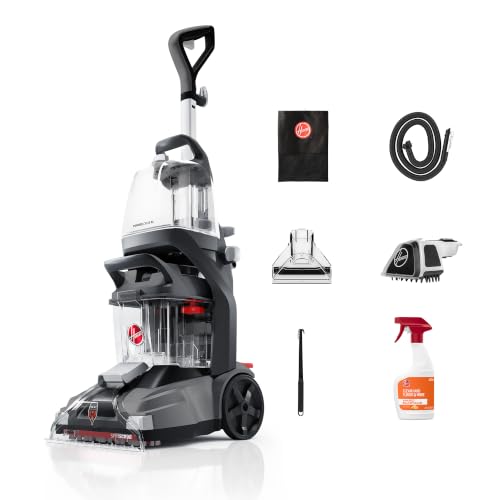
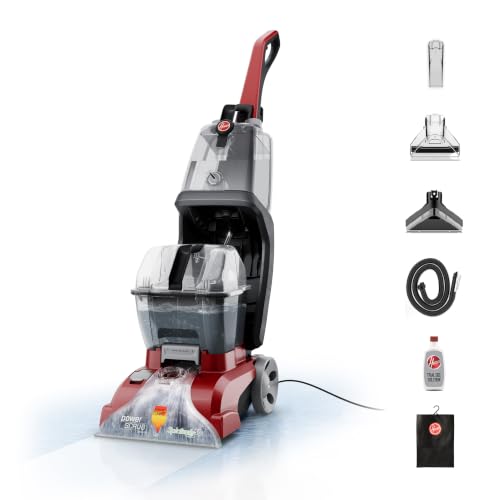
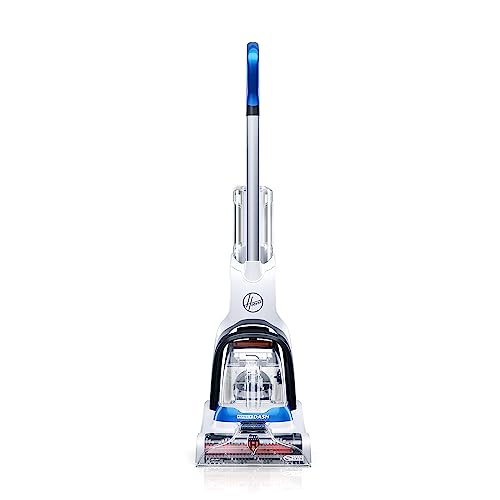


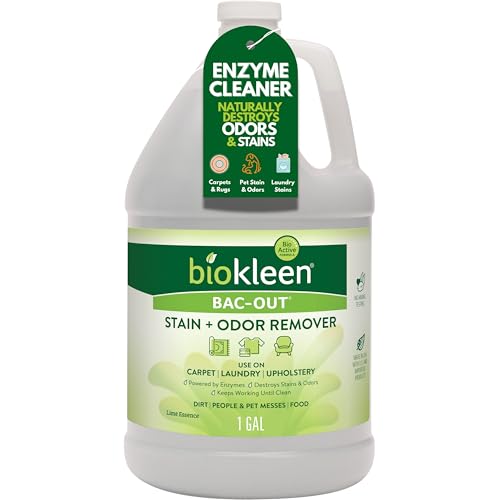


Who Should Buy Which Type of Carpet Cleaner?
Homes With Puppies or Senior Pets and Frequent Accidents
If accidents happen weekly, an upright machine with a large clean water tank and strong suction will save you time and repeated trips to the sink. Look for a motorized brush roll, a long hose for stairs, and a solution labeled for pet urine. You will use the machine often, so easy emptying and a brush roll you can remove for cleaning matter more than a low price alone.
Apartments and Homes With One Pet and Occasional Spots
For a single cat or dog and rare accidents, a compact spot cleaner may be enough, especially if storage space is tight. These smaller machines are ready in minutes, easy to carry to the spot, and store in a closet. The trade off is tank size, so you may refill during a large mess. If you also want whole room cleaning a few times a year, consider a midsize upright instead.
Multi Pet Homes With Lingering Odor Problems
When odor keeps returning, the problem is usually urine left deep in the pad, not a weak scent in the spray. You need strong extraction, generous solution application, and slow passes that pull liquid back out. A full size upright with a dedicated pet tool and an upholstery hose gives you the best chance, because you can treat carpet, rugs, and soft furniture with the same system.
Three Buying Profiles and What to Prioritize
Profile One: The Full Size Upright for Whole Rooms
An upright covers large areas fastest and usually offers the strongest suction and the largest tanks. It suits homes where pets have access to several carpeted rooms and accidents are not limited to one corner. When you compare options, see our guide to the best upright carpet cleaner types for notes on weight, cord length, and cleaning path width. Expect a heavier machine that needs floor storage, but fewer refills and better extraction on thick carpet.
Profile Two: The Portable Spot Cleaner for Targeted Messes
A portable machine is built for quick response. You fill a small tank, carry it to the spot, spray, scrub, and extract in minutes. It is ideal for small urine spots on carpet, car seats, and furniture. To compare sizes, read about the best portable carpet cleaner category and note how tank capacity changes how many spots you can treat at once.
Profile Three: The Versatile Machine for Carpet and Upholstery
Some pets sleep on sofas, beds, and carpeted stairs, so urine and odor are not only on the floor. A versatile cleaner with a long hose, a small upholstery tool, and a stair tool lets you treat all of those surfaces without buying a second machine. Prioritize a hose that reaches at least six feet, tools with stiff bristles for scrubbing, and suction that stays strong when the hose is attached.
Key Features to Compare
Suction and Extraction Power
Suction decides whether odor returns. The machine must pull out not only the solution you sprayed, but also the urine already deep in the fibers. Strong extraction leaves carpet only slightly damp and cuts drying time to a few hours. Weak extraction leaves the pad wet, and that moisture carries odor back to the surface as it dries, so favor models with strong lift and fast dry times.
Tank Design and Capacity
Most home machines have two tanks, one for clean water and solution and one for dirty water. Separate tanks keep you from spreading dirty liquid back onto the carpet, and a dirty tank that is easy to remove and rinse makes you more likely to clean the machine after each use. Small spot cleaners may hold under half a gallon, while uprights often hold about one gallon or more.
Enzyme Solutions and Pet Specific Formulas
For urine, the solution matters as much as the machine. Enzyme based formulas break down the compounds in urine that cause lasting odor, rather than only masking smell with fragrance. Check that the formula is approved for your machine and safe for your carpet fiber, and test it on a hidden area first. Keep pets and children off the wet area until it is fully dry.
Heated Cleaning and Heat Maintenance
Some uprights apply warm water and work to keep that temperature during cleaning, which can help loosen dried spots and improve solution action. Heat is a helpful extra, not a substitute for enzyme treatment or strong extraction. If you often deal with old, dried urine, a model with heat maintenance may be worth paying for. If most accidents are fresh, spend that money on better suction and a better pet tool instead.
Pet Tools, Brush Rolls, and Hose Reach
A dedicated pet stain tool often has a spray nozzle close to the suction path, so solution goes into the spot without overspraying around it. Brush rolls should agitate fibers enough to lift dried residue, but not damage delicate rugs. Look for a removable brush roll cover, because hair buildup quickly reduces performance and creates odor.
Weight, Noise, and Storage Footprint
Weight affects whether you will use the machine when an accident happens at night or on stairs. Portable models are light enough to carry with one hand, while uprights are much heavier when full. Loud machines can stress nervous pets, so keep animals in another room during cleaning. Measure your storage spot before buying.
What Matters Most for Pet Urine Odor
Urine odor persists for three main reasons. First, liquid spreads wider under the surface than the visible spot, so treating only the center leaves a ring of untreated urine. Second, crystals that form as urine dries can reactivate with humidity and release smell again. Third, pets can detect scent traces that people cannot, and they may return to the same place. Treat a generous area around the spot, extract as much liquid as you can before applying solution, and repeat extraction passes without adding more water if the carpet is already saturated.
Many shoppers ask whether steam is better for this job. Heat from steam can loosen dirt, but steam alone does not extract urine from the pad, and high heat can set some protein based stains. Our explainer on carpet cleaner vs steam cleaner methods covers when each approach fits, and for urine the spray and extract method is usually the safer first choice. If odor remains after two careful treatments, the pad or the subfloor underneath may need professional attention.
If you are deciding between pet specific and general cleaning, the broader best carpet cleaner guide is a useful comparison point. For urine, weight enzyme compatibility and extraction strength more heavily than extra attachments you will rarely use.
How to Use a Carpet Cleaner for Pet Urine
Start by blotting or extracting as much fresh urine as possible with towels or with suction only passes, without spraying solution yet. Then pretreat the area with an enzyme formula made for pet urine and give it the dwell time stated on the label, often about 10 to 15 minutes. Work from the outside of the spot toward the center so you do not spread it, and keep the area damp during dwell time rather than letting it dry out.
Next, run the machine slowly, spraying on the forward pass and extracting on the pull back, then make extra dry passes until little moisture is collected. For a fuller walkthrough of tank filling, settings, and pass technique, see the guide on how to use a carpet cleaner before your first full room job. Let the carpet dry fully with air flow from a fan, and only then judge the odor, because wet carpet can smell stronger temporarily even when treatment worked.
How Much Should You Spend?
Spot cleaners often cost under $150 and cover occasional accidents well, while many home uprights fall at about $150 to $300. Higher prices, often about $300 to $450, usually buy larger tanks, stronger motors, heat features, and more tools rather than a completely different kind of cleaning. Think in terms of cost per use. A machine you use monthly for years is good value even at a higher price, while a large upright bought for one small rug may not be.
Also check for a clear warranty, replacement belts and filters, and an electrical safety listing such as UL or ETL on the label.
Common Mistakes to Avoid
- Using only scented solution without enzymes, which masks odor for a day but leaves urine compounds in the pad to smell again later.
- Spraying too much water and solution, which pushes urine deeper into the backing and lengthens drying time.
- Moving the machine too fast, which gives the brush and suction too little time to loosen and extract the mess.
- Skipping the pretreat dwell time, which prevents enzyme formulas from breaking down odor at the source.
- Putting the machine away dirty, which lets dirty water and pet hair create odor that transfers to the carpet next time.
- Using hot water or bleach based products on wool or delicate fibers without checking the care label, which can damage color and texture.
How to Make Your Carpet Cleaner Last Longer
Rinse both tanks after every use, empty dirty water promptly, and let the tanks air dry with the caps open so mildew does not form. Remove hair and debris from the brush roll and check the nozzle for clogs, because reduced suction is often caused by a simple blockage. Wipe the underside, clean or replace filters as the manual directs, and run clean water through the hose tool if it was used for urine.
Store the machine indoors in a dry area, with the cord loosely coiled and no weight on the hose. Check belts for wear if the brush stops turning, and keep enzyme pretreat on hand so you can respond before a spot sets.
FAQ
What is the best carpet cleaner for pet urine?
The best option is the type that matches your accident pattern, with strong extraction and enzyme solution support. Uprights suit frequent, large area cleaning, while portable spot cleaners suit occasional small spots and stairs. Also check drying time, because carpet that stays damp for more than a day may need more air flow.
What should I look for in a carpet cleaner for pet urine?
Look for strong suction, separate clean and dirty tanks, a pet stain tool, and compatibility with enzyme formulas. Hose reach and a removable brush roll also matter for stairs and furniture. Also check whether the machine mixes formula automatically, because that affects how consistent each tank will be.
How long does a carpet cleaner for pet urine last?
A home carpet cleaner for pet urine often lasts about five to eight years with regular rinsing and filter care. Life shortens when dirty water is left in the tank or hair wraps tightly around the brush roll. Keeping a spare belt and filter on hand prevents a small wear issue from sidelining the machine.
Is a carpet cleaner for pet urine worth buying?
Yes, a dedicated machine is usually worth buying if accidents happen more than a few times a year or if odor has lingered after rental cleaning. Owning one lets you treat spots while they are fresh, which improves results. For a one time move out clean, renting or hiring a service may cost less.
How do you clean a carpet cleaner after pet urine use?
Clean the machine by emptying and rinsing both tanks, flushing the hose and tools with clean water, and clearing hair from the brush roll. Let all parts dry fully before storage so odor does not develop inside. If the dirty tank still smells, soak it with warm water and a small amount of maker approved cleaner.
What makes a carpet cleaner reliable for pet urine cleaning?
Reliability comes from a durable motor and pump, parts that remain available, and a design you can rinse and unclog without special tools. Consistent suction over time matters more than extra attachments. Checking whether belts and filters are sold separately signals that the maker expects the machine to be maintained, not replaced.
Final Thoughts
Pet urine cleaning succeeds when you combine prompt treatment, enzyme solution, and extraction that reaches deep into the carpet. Match the profile to your home, upright for whole rooms, portable for quick spots, or versatile for furniture and stairs, and use the product table above to compare types side by side. With the right best carpet cleaner for pet urine choice and careful technique, you can remove both the stain and the scent that draws pets back.

