Best Carpet Cleaner Buying Guide for 2026: Types, Features and Checklist
Disclosure: We may earn a commission when you buy through links on this page, at no extra cost to you. As an Amazon Associate I earn from qualifying purchases. Learn more

A plain guide to choosing the best carpet cleaner, covering types, tank size, brushes, suction, tools and upkeep for whole rooms and pet messes.
Choosing a best carpet cleaner for your home gets confusing fast because machines that look alike can work very differently. One model may cover a whole living room with few refills, while another is built for small spills on stairs and car seats. Tank size, brush design, suction and weight shape your results far more than a long feature list.
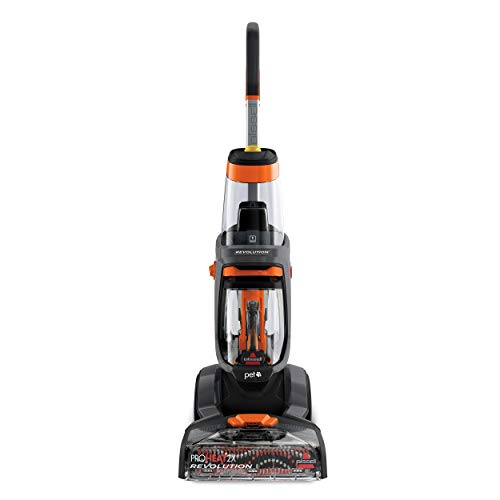
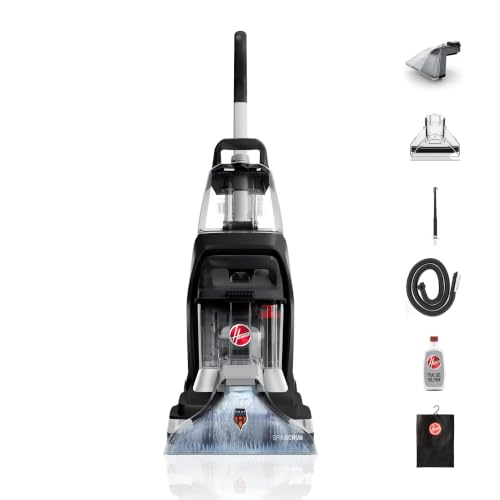
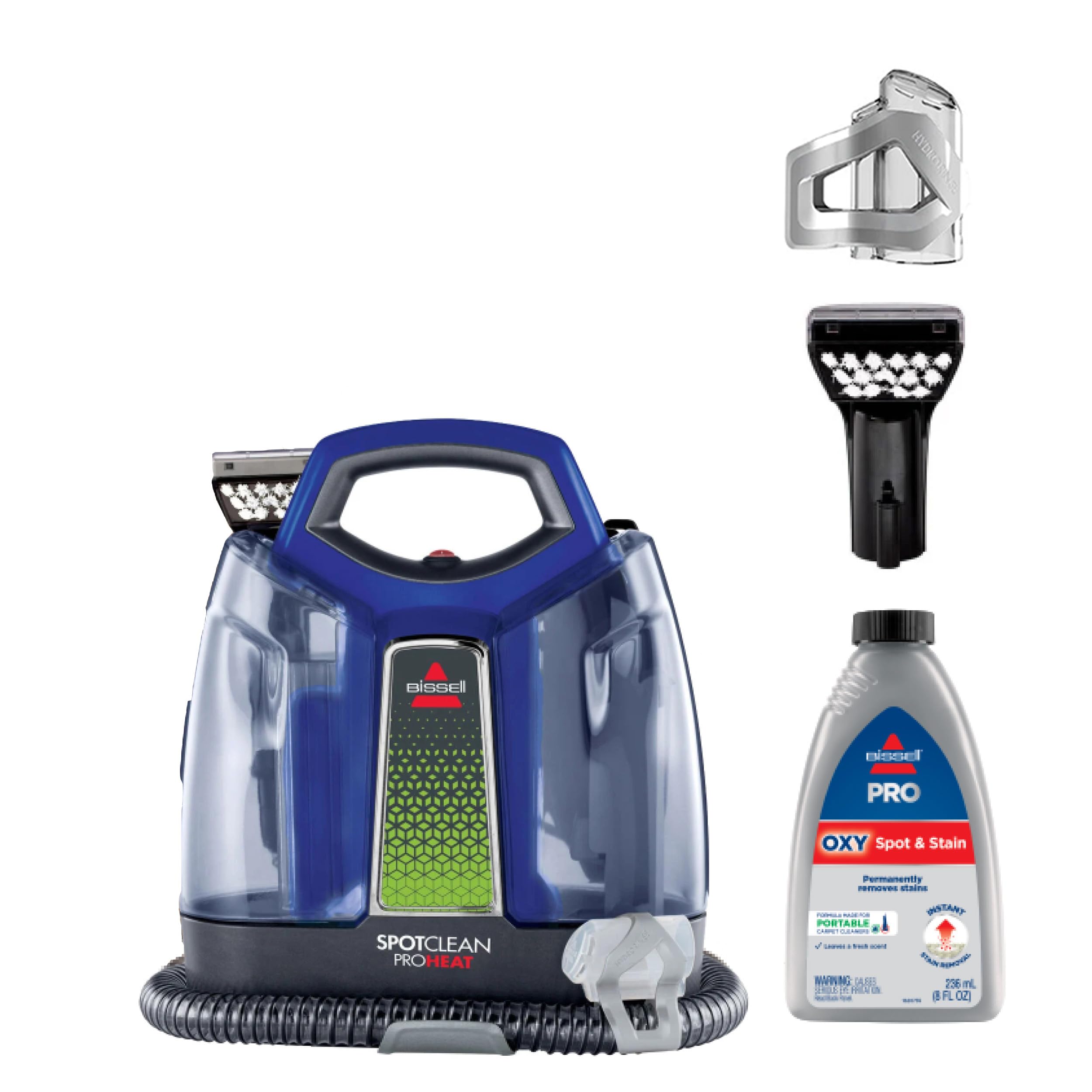
This guide sorts those choices into clear buying profiles so you can match a machine to your rooms, your carpet pile and the messes you clean most. Use the product table to check capacity, cleaning path width and included tools side by side, then read on for the details that decide how a machine feels in daily use.




Who Should Buy Which Carpet Cleaner?
Homeowners With Large Carpeted Rooms
You need coverage first. A full size upright with a wide cleaning path and a large clean water tank lets you finish a bedroom or living room without stopping often to refill and empty. Strong suction matters for you because pulling more water back out of the pile shortens drying time and leaves less residue behind.
Pet Owners Who Clean Often
Your priority is tackling hair, tracked in dirt and accidents before odors settle into the backing. Look for a brush roll that resists tangles, a tool made for upholstery and stairs, and tanks you can remove and rinse with ease. If accidents are your main worry, our guide to the best carpet cleaner for pet urine explains enzyme solutions and repeat treatment in more depth.
Renters and Small Space Households
You likely clean one or two rooms, a rug and the odd spill, and you have limited closet space. A compact upright or a portable unit will serve you better than a bulky machine with capacity you never use. Light weight matters when you carry the unit up stairs or lift it into a car.
Three Buying Profiles and What to Prioritize
Profile One: The Whole Home Upright
This profile suits families who deep clean several rooms a few times a year and want one pass to do serious work. Prioritize a cleaning path of about 11 to 13 inches, a clean water tank near or above one gallon, and a brush system with firm bristles for medium and high pile. Expect to pay about $200 to $400 for this class.
Profile Two: The Portable Spot and Stair Machine
This profile suits spot work on stairs, upholstery, rugs and vehicle interiors. Prioritize a long flexible hose, a compact body that sits steady on a step, and small tanks that are quick to fill and rinse. Many shoppers start with our guide to the best portable carpet cleaner when this is their main job. Expect to pay about $100 to $200.
Profile Three: The Compact Light Use Upright
This profile sits between the other two and suits apartments, smaller homes and lighter soils. Prioritize a weight you can lift with one hand, a modest tank that still covers a single room, and a brush roll you can remove for cleaning. Expect to pay about $100 to $250 depending on tools and heat features.
How to Evaluate Carpet Cleaners Without Guesswork
Start with the job, not the brand. Write down the largest room you will clean, the pile height of your carpet, and whether stairs or upholstery are part of the routine. Then check each candidate against the same short list: tank capacity, brush type, suction and water recovery, hose and tool set, weight, and the cost of solution over a year of use.
Pay close attention to water recovery, because it predicts drying time better than motor claims alone. A machine that sprays generously but extracts weakly can leave carpet damp for a day. Also confirm that replacement belts, filters and brush rolls are easy to order.
Key Features to Compare
Type: Upright, Portable, Canister and Commercial Styles
Upright machines work like a vacuum in shape and suit whole rooms, with the largest tanks and widest paths. Portable machines trade coverage for reach and excel on stairs, furniture and small spills. If you are weighing extraction against plain steam, our explainer on carpet cleaner vs steam cleaner covers how the two methods differ on soil and solution. Commercial styles add durability, but most homes gain little from the extra weight.
Tank Capacity and Two Tank Design
A two tank design keeps clean water and solution separate from dirty water, so you never push dirty water back into the carpet. Capacity decides your rhythm: tanks under half a gallon suit spot work, while tanks around one gallon or more suit whole rooms. Removable tanks with wide openings are easier to fill at a sink and to rinse clean afterward.
Brushes, Agitation and Suction
Brushes loosen soil so solution and suction can lift it away. Rotating brush rolls with several rows of bristles scrub traffic lanes well, while softer brushes suit delicate or loop pile that can fuzz under hard scrubbing. Strong suction then pulls solution and loosened dirt out of the pile, and that extraction step is what limits residue and speeds drying.
Heated Cleaning and Drying Help
Some machines keep solution warm as you clean, and some blow warm air across the carpet to help it dry. Warm solution can help loosen oily soil in entryways and kitchen adjacent rooms. Heat is not a substitute for agitation and extraction, though, and it may be unsuitable for wool. Give more weight to brush design and water recovery when you compare machines at a similar price.
Tools for Upholstery, Stairs and Tight Spots
A hose with a small upholstery tool turns one machine into a cleaner for sofas, car seats, mattresses and stair treads. Pet focused tools often add rubber nubs or a spray pattern shaped for small messes. Check hose length against your staircase, because a short hose forces you to balance the machine on the steps.
Weight, Dimensions and Storage
Weight shapes real world use more than many buyers expect. A machine around 12 to 18 pounds is easy to carry and store, while full size models can pass 20 pounds before you add water. Measure your closet or utility space and check the footprint and height, plus whether the handle folds or the cord and hose wrap neatly.
Power, Noise and Safety
Motor ratings describe potential, but cleaning results come from the full system of spray, brush and suction working together. Expect noise similar to a strong vacuum, so hearing protection is sensible for long sessions in small rooms. For safety, look for recognized electrical certification such as UL or ETL listing, a grounded plug where required, and clear warnings about using only solutions the maker approves. Keep cords out of the wet path, and never leave a filled machine sitting on carpet.
How Much Should You Spend?
Under $100, expect basic spot machines and the simplest compact models with small tanks and few tools. From about $100 to $200, you gain larger tanks, better brushes and a useful hose tool, which covers most apartments and pet spot duty. From about $200 to $300, uprights add stronger extraction, wider paths and heat features that suit whole home cleaning. Above about $300, you mostly pay for capacity, durability and extra tools, so buy at that level only if your home size or cleaning frequency truly demands it.
Budget for solution as well. A large bottle of carpet shampoo can last many sessions when you measure it as directed, and using more than directed raises cost and residue at the same time. Some shoppers prefer a shampooer style machine that allows a plain water rinse after a pretreat spray, which can lower running cost.
Matching a Machine to Specific Needs
For whole room deep cleaning on a regular schedule, our guide to the best upright carpet cleaner narrows the field by tank size and path width. For stairs and furniture, the portable profile above is the better fit. For a single stubborn room, renting a commercial unit for a weekend can beat buying a machine you will store unused for years.
How to Use a Carpet Cleaner Well
Good technique matters as much as the machine. Vacuum slowly first to remove dry soil, because mud forms when solution hits loose dirt. Pretreat heavy spots and traffic lanes and give the solution the dwell time the label states. If you want a full walkthrough before your first session, see our guide on how to use a carpet cleaner for room prep and drying steps.
Work in small sections with slow forward passes while you spray, then pull back slowly without spraying so suction can recover the water. Overlap each pass by about an inch so you leave no untreated stripes. Run fans or open windows afterward and stay off the carpet until it feels dry to the touch.
Common Mistakes to Avoid
- Using too much solution, which leaves sticky residue that attracts dirt and makes carpet look dull again within weeks.
- Soaking the carpet and pad with repeated wet passes, which lengthens drying time and can lead to a musty odor.
- Skipping the first vacuum, so loose grit turns to mud and gets pushed deeper instead of being removed.
- Moving too fast on the pull stroke, which leaves solution behind because suction needs time to recover water.
- Choosing a machine by tank size alone and ignoring brush type, so the cleaner floods low pile but barely scrubs high pile.
- Putting the machine away dirty, which lets residue harden in the nozzle and tanks and weakens the next session.
How to Make Your Carpet Cleaner Last Longer
Empty and rinse both tanks after every use and let them air dry with the caps open. Pull hair and fibers from the brush roll, check the nozzle for clogs, and wipe the underside before you store the machine. Run clean water through the spray path if the maker allows it, since dried solution can narrow the jets over time.
Inspect belts, filters and seals a few times a year and replace worn parts promptly, because a stretched belt or clogged filter quietly cuts cleaning power. Store the machine indoors in a dry spot with the cord loosely wrapped rather than tightly bent.
FAQ
What is the best carpet cleaner for a typical home?
For a typical home, the right choice is a mid size upright with a two tank design, a tank near one gallon and a hose tool for stairs. That mix covers whole rooms without constant refills and still handles spots. Homes with mostly hard floors and one rug can step down to a portable model.
How long does a carpet cleaner last?
A carpet cleaner usually lasts about five to eight years with home use and basic care. Life depends most on how often you rinse the tanks, clear the brush roll and replace belts and filters on schedule. Machines stored dirty often lose suction years earlier.
Is a carpet cleaner worth it for most households?
A carpet cleaner is worth it if you have carpet in several rooms, pets, kids or allergy concerns that call for regular deep cleaning. Two or three home sessions a year can cost less than repeated professional visits or rentals.
How do you clean a carpet cleaner after use?
Clean a carpet cleaner by emptying both tanks, rinsing them with plain water and leaving the caps open to dry. Remove hair from the brush roll, rinse the nozzle and any tools, and wipe the base. One extra habit helps a lot: run a short plain water cycle into a sink or tub if your manual allows it, which clears solution from the lines before storage.
What makes a carpet cleaner reliable over time?
Reliability comes from simple plumbing, sturdy tanks and latches, and parts you can still buy years later, such as belts, filters and brush rolls. A model with fewer electronic extras has fewer things to fail, which is worth weighing if you plan to keep the machine for many years.
Final Thoughts
Match the machine to the job first, then compare tanks, brushes, extraction and tools within that profile, and you will avoid both overspending and underbuying. Check the product table above once more against your room sizes, pile height and storage space before you decide. When the fit is right, a best carpet cleaner turns a dreaded chore into a routine you can finish in an afternoon, with carpet that dries faster and stays clean longer.