
Best Comfy Gaming Chairs for 2026: Types Compared and How to Choose
Disclosure: We may earn a commission when you buy through links on this page, at no extra cost to you. As an Amazon Associate I earn from qualifying purchases. Learn more

Compare the best comfy gaming chairs by type, size class, fabric and price band, with honest fit checks, comfort limits and care tips before you buy.
Gaming chairs come in more shapes than most shoppers expect, and the wrong shape is the usual reason a new chair disappoints. A tall bucket seat, a plain task style chair and a floor rocker all promise comfort, yet they suit different bodies, rooms and ways of playing. This guide compares the main types of best comfy gaming chairs side by side so you can match the type to your setup before you spend anything.
One honest point comes first. A gaming chair is sitting comfort furniture, and a good one supports a long session without nagging you. It does not fix posture and it does not treat pain, whatever the marketing suggests.
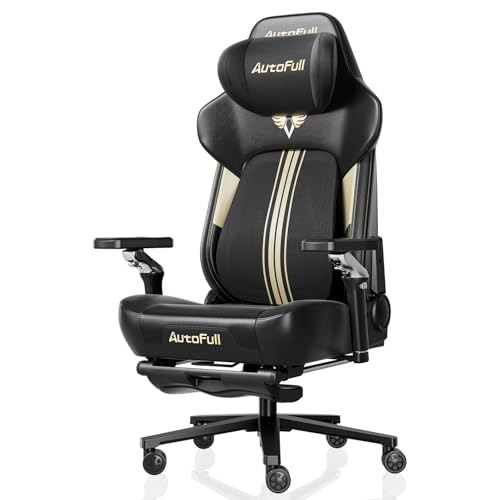
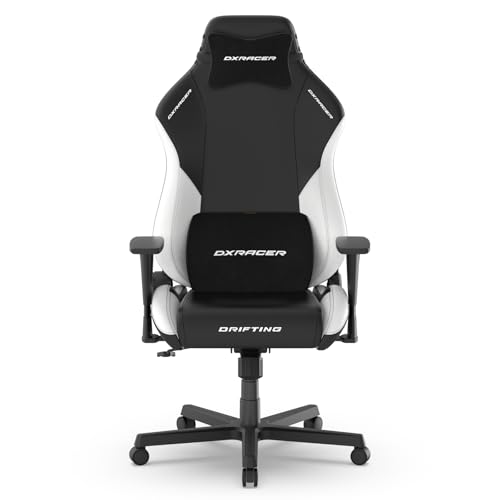

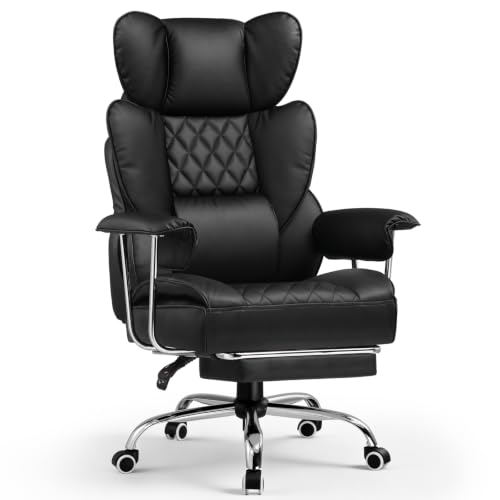


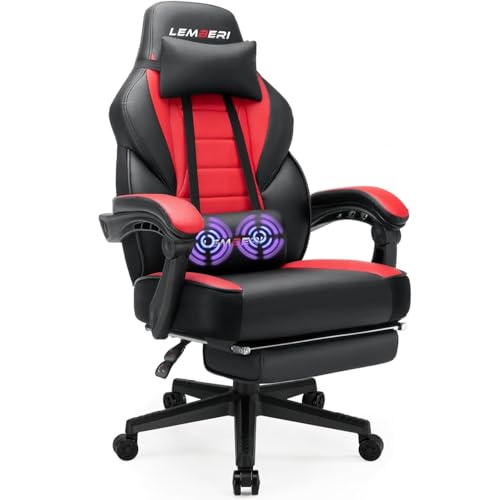

If you live with persistent back pain, numbness or tingling in your arms or legs, talk with a clinician about your setup instead of expecting a chair to solve it. The comparison table below lays out each type with its best use, strengths, weaknesses and typical price.
Types of Comfy Gaming Chairs Compared
Four type families cover nearly everything sold for gaming. They differ in how upright you sit, how much room the chair takes, and how the cushioning is built. Reading the table first will save you from comparing chairs that were never meant for the same job.
| Type | Best For | Pros | Cons | Typical Price |
| Racing style bucket chair | Desk play with a held, upright posture | Side bolsters keep you centered; tall back; wide price range | Bolsters pinch wider hips; padding can feel firm | About $150 to $350 |
| Ergonomic task style chair | Mixed work and play at one desk | Adjustable lumbar area; breathable mesh options; plain looks | Less plush feel; arms and parts cost more | About $200 to $500 |
| Floor rocker chair | Console play in front of a TV | Low price; folds for storage; relaxed recline | No height adjustment; hard to rise from for some players | About $80 to $200 |
| Oversized cushioned chair | Bigger players and long relaxed sessions | Wide seat; deep soft padding; high weight limits | Takes real floor space; soft foam can sleep warm | About $250 to $600 |
Racing Style Bucket Chairs
The racing style is the chair most people picture first, with a tall back, winged sides and a seat shaped like a car bucket. The bolsters on the seat and back hold your hips and ribs in one place, which some players love during fast games because the body stays centered without effort. A headrest pillow and a loose lumbar pillow usually come in the box.
The trade is room. Those same bolsters squeeze wider hips and thighs, and the firm padding that feels sporty for an hour can feel hard by hour three. If you are broad through the hips, or you like to sit with one leg tucked up, this type fights you. Check the width between the seat bolsters, not just the full seat width, before you buy.
Ergonomic Task Style Chairs
Task style gaming chairs borrow their shape from office seating. The back is flatter and wider, the lumbar support is built into the frame or a dial you can move, and mesh backs are common. Players who split the day between work and games often land here, because the chair looks calm in a shared room and breathes better in summer.
The feel is less plush than a bucket chair, so if you want to sink into padding, this type can seem plain at first. What you get instead is adjustment: seat depth, arm height and back tension that you can tune over a week of short tests. Readers weighing that dual use often also look at the hybrid models in our guide to the best gaming and office chairs, which sit between the two worlds.
Floor Rocker Chairs
A floor rocker has no legs, no casters and no lift. You sit low, lean back, and the curved base rocks with you. For console players facing a television, the type is simple, light and cheap, and many models fold flat enough to slide behind a sofa. Built in speakers and vibration features appear on some, and they are fun extras rather than buying reasons.
The limits are real. There is no height adjustment, so the type only works where a low seat makes sense, and standing up from floor level is a genuine problem for players with sore knees. Padding is thinner than on framed chairs, so very long sessions can find the floor through the cushion. Treat a rocker as a relaxed secondary seat, not a desk chair replacement.
Oversized Cushioned Chairs
Oversized chairs answer a simple complaint: standard seats are too narrow. The seat pan is wider, the back is taller, the frame is steel built for higher weight limits, and the foam is deep. For a big or tall player, that extra room is the difference between thinking about the game and thinking about the chair.
Room is also the cost. These chairs need floor space, wide doorways and a desk with clearance for the arms. Deep soft foam sleeps warm, so hot rooms argue for a fabric cover over synthetic leather. If your taste runs more toward relaxed lounge seating than a gaming look, our guide to the best comfy chairs covers that wider category of soft seats.
Racing Style vs Task Style: Which Should You Choose?
Most desk players end up choosing between the bucket and the task style, so it helps to compare them on the points that decide daily comfort. The bucket holds you in one posture and feels secure and sporty; the task chair lets you shift, cross your legs and change position through the day. Neither is better in the abstract.
Choose the racing style if you play in shorter focused sessions, like firm support, and fit comfortably between the bolsters. Choose the task style if your chair also works for a job, if you run warm, or if you fidget and change posture often. Price overlaps so much between the two that fit, not budget, should make this call. The product table above lists the typical bands for both.
How to Choose the Right Comfy Gaming Chair
Type narrows the field, but the details below decide whether a specific chair suits your body. Work through them in order, because a chair that fails the first check will not be saved by the rest. Once you know your size class, the search for the best comfy gaming chairs narrows fast.
Be honest about time, too. No chair makes six still hours good for you, and breaks are the larger half of comfort in any long session. Stand up, walk, and stretch between matches, and treat the chair as the smaller half of the plan.
Size and Fit Come First
Start with three numbers: seat width, seat depth and the stated weight limit. Your hips should fit inside the seat with a finger of space on each side, and the seat front should stop a couple of inches behind your knees so your feet rest flat. A seat that is too deep pushes you into a slouch no backrest can correct.
Then match the chair size class to your height. Tall players need a taller back and a higher lift range, or the headrest lands between the shoulder blades. Smaller players in oversized chairs end up perched, with arms set too wide to use. Most listings give a suggested height range, and it is worth more than the styling photos.
Fabric and Cover Choices
The cover decides how the chair feels in a warm room and how it ages. Cloth fabric breathes, hides wear well and stays comfortable against bare legs in summer, but it absorbs spills and needs a proper clean. Synthetic leather wipes down in seconds and looks sharp at first, yet it can feel sticky in heat and often cracks or peels after a few years of daily use.
Real leather sits at the top of the price range and ages the most gracefully, though it still wants conditioner and care. Mesh belongs to the task style family and is the coolest option of all. Think about your room temperature and your habits honestly; the fanciest cover is the wrong buy if it makes you sweat through every session.
Cushion Foam and Back Shape
Under the cover, foam density matters more than foam thickness. A thin layer of dense foam holds its shape for years, while a thick slab of soft foam can bottom out within months, leaving you sitting on the frame. Listings rarely state density clearly, so weight and warranty length are rough clues.
Back shape is the other half. A built in lumbar curve supports the same spot every day and cannot slide out of place. A loose lumbar pillow adjusts to you but wanders during play and needs resetting.
Side bolsters on the back feel supportive to slim players and pushy to broad ones. If numbness or tingling shows up during long sits, that is a sign to change your setup and, if it persists, to see a clinician.
Adjustability, Arms and Extra Costs
Armrests sound minor until your shoulders ache. Arms that move up and down at minimum, and ideally in and out, let your elbows rest without lifting your shoulders toward your ears. A tilt you can lock, and a recline that stays where you leave it, are worth more than novelty extras like footrests you will use twice.
Count the side costs before you compare prices. Some chairs need a floor mat to protect wood floors from casters, and assembly can take an hour with a second pair of hands. Readers comparing build quality across the category may also find our guide to the best quality gaming chairs useful, since frame and parts quality decide how long any of these chairs stay tight and quiet.
The chair itself is only the seating half of a setup, by the way; the screen half is a separate purchase, covered in our guide to the best gaming monitors. A gaming chair is also not the same product as the padded executive models listed under best officer chairs, which belong to the plain office category.
How to Make Your Comfy Gaming Chair Last Longer
Foam and covers age with use, but habits decide how fast. Vacuum fabric covers weekly with a soft brush, and clean spills the day they happen so they do not set. Wipe synthetic leather with a damp cloth and keep it out of long direct sunlight, which dries the surface and starts the cracking.
Every few months, tighten the bolts under the seat and check the armrest screws, because small looseness grows into wobbles and squeaks. Lift the chair by its frame, not its arms, when you move it. Rotate where you sit if you always land in one spot, and keep heavy bags off the seat overnight so the foam can recover.
Comfy Gaming Chairs: Your Questions Answered
How wide should a gaming chair seat be for a larger player?
Measure your hips at their widest while seated, then add about two inches of total clearance for the space between the bolsters. Many standard chairs offer about 15 to 17 inches of usable seat width, while oversized models reach 20 inches or more. The usable width matters, not the full measurement across the outside of the bolsters. If a listing hides the inside width, that silence is itself useful information.
Is cloth or synthetic leather better for a gaming chair in a warm room?
Cloth is usually the better pick in a warm room because it lets air move against your back and legs. Synthetic leather feels cool for the first minutes, then traps heat and can turn sticky over a long session. A small desk fan aimed low can help either cover. If your room has no cooling in summer, treat cover choice as a comfort feature, not a style detail.
Can a gaming chair fix back pain from long sessions?
No gaming chair can fix or treat back pain, and you should distrust any listing that promises it. A well fitted chair can remove obvious irritations, like a seat that is too deep or arms that lift your shoulders. Pain that keeps returning, or pain with numbness or weakness, needs a clinician rather than a purchase. Breaks, movement and desk height usually matter more than any single chair feature.
How long should a comfy gaming chair last?
A daily player can expect about three to five years of good service from a mid priced chair before the foam softens and the cover shows wear. Budget chairs often feel tired sooner, mostly in the seat cushion. A steel frame and a longer parts warranty are the best signs of a chair built to last. Keeping bolts tight and cleaning the cover stretch whatever life the chair has.
Can one gaming chair serve both console and desk play?
Yes, if the chair is a framed type on casters with a height lift, you can roll it between a desk and a television stand. Floor rockers cannot do desk duty, since they sit at floor level with no lift. Check that the armrests clear your desk edge before you plan a shared setup. A second inexpensive rocker sometimes costs less than forcing one chair to do both jobs badly.
Final Thoughts
Start with the type that matches where and how you play, then let size make the final call. A chair that fits your hips, your knees and your room will feel comfortable long after styling is forgotten. Use the product table above to compare the types against your budget, and keep your expectations honest: furniture supports a session, while breaks and movement protect you through it. Chosen with that in mind, the best comfy gaming chairs are simply the ones you stop noticing once the game starts.


