
Best Comfortable Work Boots for Standing All Day at Every Price: What Your Money Really Gets You for 2026
Disclosure: We may earn a commission when you buy through links on this page, at no extra cost to you. As an Amazon Associate I earn from qualifying purchases. Learn more

A buying guide to the best comfortable work boots for standing all day, with cushioning, arch support, fit, and price tier tips to help you choose well.
Standing on hard floors for a full shift is tough on your feet, knees, and lower back, and the wide price spread makes the choice harder still. Pairs run from under $100 to about $250 and beyond, and extra money only helps when it buys support you can actually feel. Choosing best comfortable work boots for standing all day comes down to matching cushioning, fit, and durability to your floor, your job, and your budget.
This guide walks through what each price tier really delivers, which features deserve your money, and which ones you can skip. Use the comparison table below to line up sizes, safety ratings, and prices before you read on.

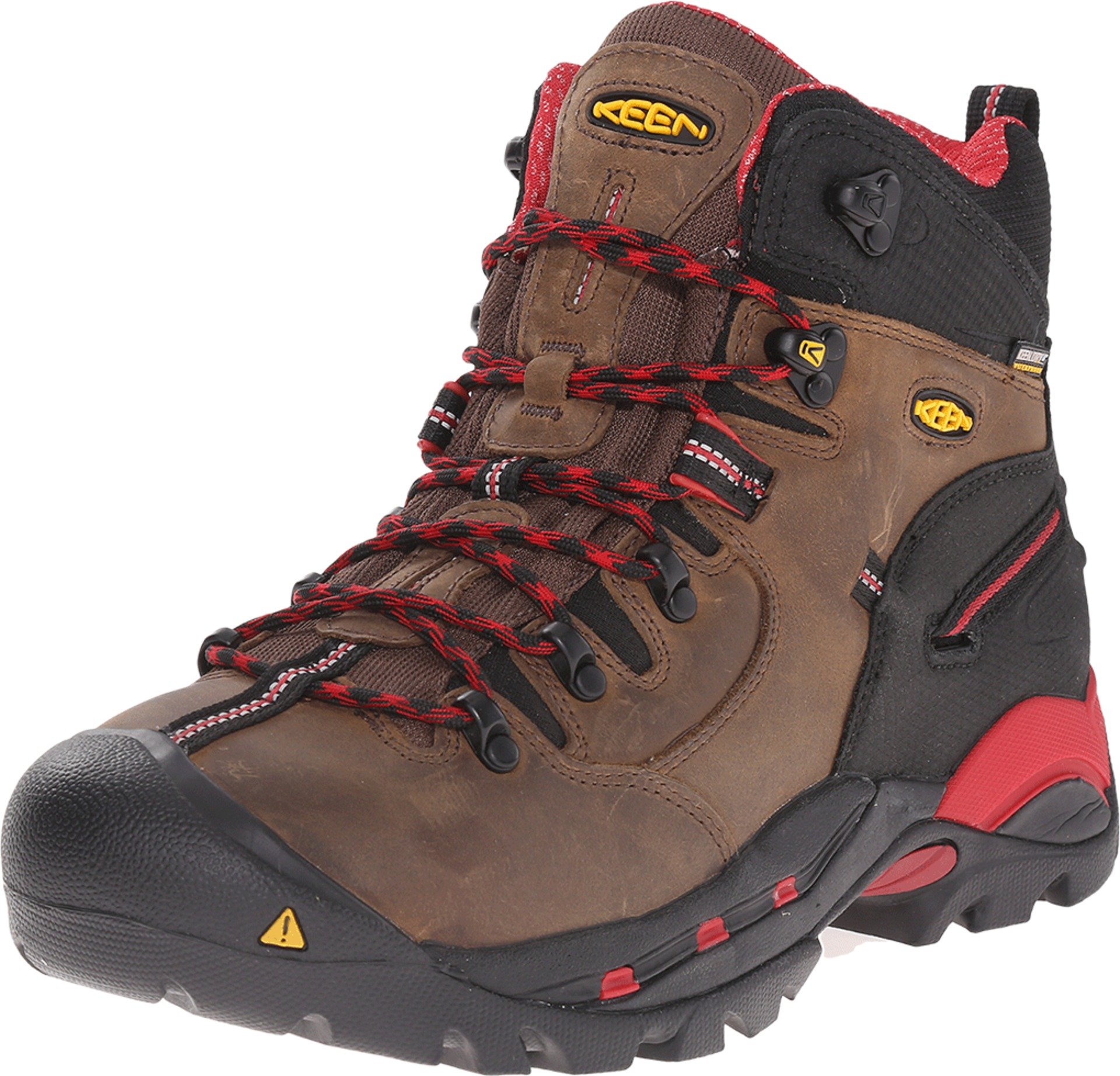


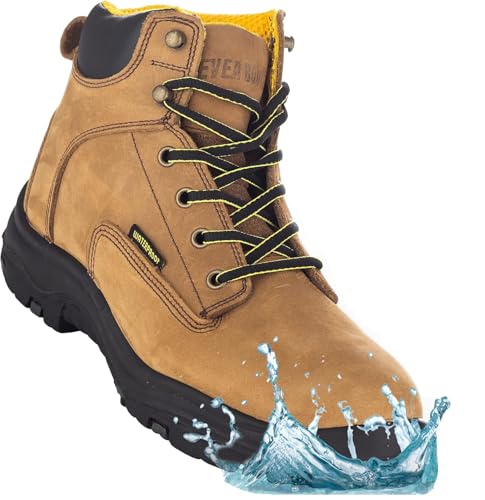


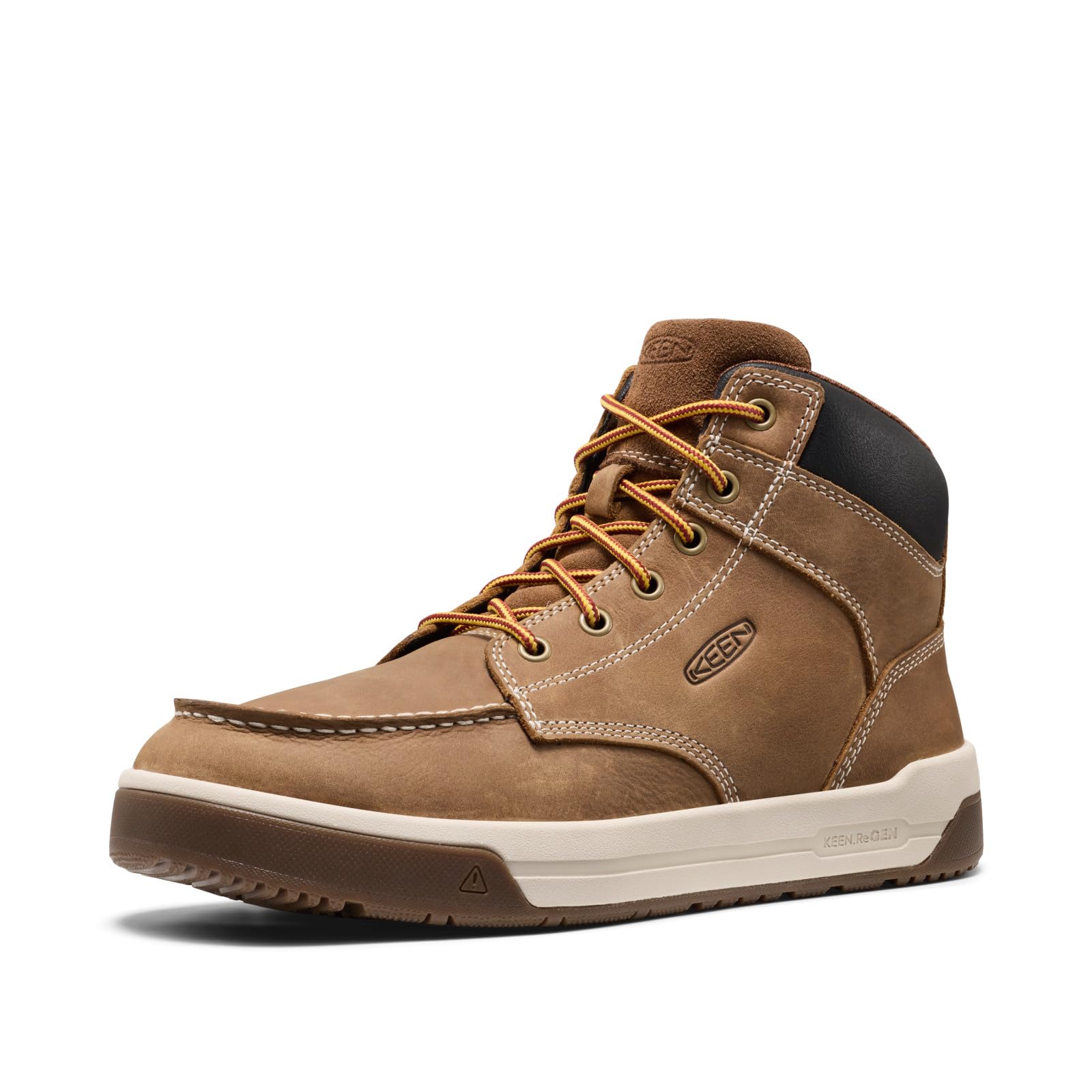

Who Comfortable Work Boots Suit Best
Most standing jobs share one problem, which is hours of steady pressure on the same small areas of the foot. The right boot spreads that pressure out, while the wrong one concentrates it under your heel and forefoot, so your job type should guide your choice.
Workers on Concrete and Warehouse Floors
Concrete gives nothing back, so every step sends force straight up through your heel, ankle, and knee. If you work in a warehouse, factory, or big box store, you need thick cushioning and an outsole with enough flex to roll through each step instead of slapping flat. Stability matters too, because a boot that wobbles on smooth concrete makes your leg muscles work harder. Look for a firm heel counter and a sole that grips dusty floors.
Healthcare, Retail, and Food Service Staff
Long shifts in hospitals, shops, and kitchens mix standing in one spot with constant short walks, so your boots need to feel good both still and moving. Breathable uppers help, because hot feet swell and ache faster than cool ones. Slip resistant outsoles are essential around spills, and a lighter boot reduces the dragging feeling in your final hours. If your workplace allows footwear below the ankle, see our guide to the best shoes to wear for standing all day for a lighter option.
Outdoor and Mixed Surface Crews
Construction, landscaping, and delivery work adds uneven ground, wet surfaces, and debris, so ankle support and protection move up the list. A taller shaft steadies your ankle on gravel and ramps, and a waterproof membrane keeps socks dry through puddles and wet grass. Deeper tread lugs bite on mud and loose soil where a flat warehouse sole would skate. These boots weigh more, so accept the extra weight only when your terrain demands it.
What Your Money Gets You at Each Price Tier
Price tiers in work boots follow a fairly predictable pattern, and knowing it stops you from paying for the wrong upgrades. When you compare the best comfortable work boots for standing all day by tier, the pattern below shows where the money goes. For a broader look across boot styles, see our guide to the best work boots for standing all day.
Budget Tier: What to Expect
Budget boots, roughly under $100, usually give you a basic foam insole, a blended leather upper, and a standard rubber outsole. That package can feel fine for shorter shifts, but the cushioning tends to pack down sooner, so comfort fades months earlier than in pricier pairs. Stitching and glue joints are the weak points, so check seams often. If your budget is tight, spend what you can on fit and add a quality replacement insole later.
Midrange Tier: The Balance Most Workers Need
Midrange boots, about $100 to $200, are where most standing workers get the best value for their money. You typically gain midsole foams that hold their shape longer, more genuine leather, and outsoles with more thoughtful tread patterns. Arch support improves too, with shaped footbeds instead of flat foam sheets. For full time staff on their feet eight hours or more, this tier delivers the comfort and lifespan that make the price feel fair.
Premium Tier: When Spending More Pays Off
Premium boots, often about $200 to $300 or more, buy you top grade leather, advanced cushioning compounds, and construction that a cobbler can often repair or resole. Fit options widen too, with more half sizes and true wide widths that cheaper lines skip. The comfort gain over a good midrange boot is real but smaller than the jump from budget to midrange. Spending up makes most sense when you work very long shifts, have demanding fit needs, or want one pair to last for years.
Features Worth Paying For and Ones to Skip
A long feature list does not guarantee a comfortable shift, because only a handful of features change how your feet feel at hour ten. The sections below sort the ones that matter from the ones that mostly add cost. As a quick rule, skip heavy insulation for indoor work, decorative stitching, and tall shafts in hot kitchens, since none of them help you stand longer.
Cushioning and Arch Support for Long Shifts
Cushioning is the heart of a standing boot, and it works in two layers that do different jobs. The insole touches your foot and shapes the arch, while the midsole underneath absorbs the repeated load of your body weight on hard ground. Good arch support keeps your foot from rolling inward as muscles tire, which protects your ankles, knees, and lower back. If you have flat feet or high arches, a shaped footbed matters more, so read up on best comfortable boots for standing all day with stronger support profiles before you order.
One caution belongs here. Pain that keeps growing week after week, numbness or tingling in your toes, swelling that does not fade overnight, or sores that heal slowly all need a clinician, not a new boot. That is especially true if you have diabetes or circulation problems, so talk with your doctor about your personal needs.
Durability and Expected Lifespan
A boot that feels wonderful for two months and then falls apart is poor value at any price, so durability deserves as much attention as first day comfort. Welted or stitched soles generally outlast soles held on by glue alone, and they often allow resoling when the tread wears smooth. Dense rubber outsoles resist abrasion on concrete, while softer compounds grip better but wear faster. Judge lifespan by condition, since worn tread, cracked leather, and flattened cushioning all signal that replacement time has arrived.
Upper Materials and Breathability
Full grain leather is the classic work boot upper because it molds to your foot, shrugs off scuffs, and lasts for years with basic care. Mesh and knit panels run cooler and lighter, which suits indoor work in warm buildings, but they offer less protection and stain more easily. Waterproof membranes such as Gore Tex keep water out while letting some vapor escape, though they feel warmer than an unlined breathable boot. Match the upper to your setting first, since durable leather is a poor choice if your feet overheat daily.
Fit, Sizing, and Toe Box
Fit decides more of your comfort than any single feature, and standing makes fit less forgiving because feet swell as the day goes on. Measure both feet late in the afternoon, when they are at their largest, and shop to the bigger foot. A roomy toe box lets your toes spread under load instead of squeezing together, which reduces rubbing and blisters. Your heel should stay seated when you walk, with roughly a thumb width of space before your longest toe.
Sizing runs differently between brands and between fits for men and women, so never assume your usual size transfers across lines. If you are comparing fits across ranges, see our guide to the best women's work boots for standing all day for notes on narrower heels and arch placement. Men with wide feet should look for ranges built on a genuinely wide last, and our guide to the best men's work boots for standing all day explains how those fits differ.
Common Mistakes to Avoid
- Buying your morning shoe size guarantees pinched toes by evening, because feet swell through a standing shift.
- Choosing a heavy safety toe when your job does not require one adds weight that tires your legs for no benefit.
- Judging comfort in the store after two minutes misleads you, since weak cushioning only shows itself after hours of standing.
- Wearing thin dress socks in work boots invites blisters, because seams and low padding let skin rub raw.
- Ignoring a safety rating your employer requires can get your boots rejected at the door, no matter how comfortable they feel.
Long Term Costs to Factor In
The sticker price is only part of what a pair of boots costs over its working life. Replacement insoles run about $20 to $50 and can refresh a midrange boot halfway through its life, while quality work socks add a small but steady seasonal cost. Leather conditioner costs little per use yet protects an expensive upper from cracking. Weigh warranty coverage too, because a maker that stands behind stitching and sole bonding can save you a full replacement.
How to Make Your Work Boots Last Longer
Care for work boots is simple, and a few habits protect both the leather and the cushioning you paid for. Brush off dirt after each shift and let the boots air dry away from heaters, since direct heat stiffens leather and can crack it. Loosen the laces fully when you take the boots off so the heel counter keeps its shape. Condition leather every few weeks if you work in dry or dusty conditions.
Pull the insoles out overnight so moisture escapes instead of soaking into the footbed. Rotate between two pairs if your budget allows, giving each pair a full day to dry and rebound. Replace insoles when they stay flat after a rest day, and retire the boots once the tread wears smooth or the midsole feels dead under your heel.
Frequently Asked Questions
What features matter most in comfortable work boots for standing all day?
Cushioning, arch support, and fit matter most, in that order, for comfortable work boots worn on hard floors. A shaped insole over a resilient midsole spreads pressure across your whole foot instead of concentrating it at the heel. One point buyers often miss is weight, because a lighter boot quietly reduces leg fatigue even when cushioning is equal. Check the product table above for weight and support details.
Are expensive comfortable work boots for standing all day worth the cost?
Expensive boots are worth it when you work long shifts daily and need durability that budget pairs cannot match. Premium leather, resoleable construction, and better fit options extend useful life well past cheaper boots. The honest catch is that comfort gains shrink at the top, so a worker on shorter shifts may feel no real difference. Spread the price across the extra months of service to judge value.
Do comfortable work boots for standing all day need to be waterproof?
Waterproof boots are only necessary when your work involves wet floors, outdoor weather, or frequent washdowns. A membrane keeps socks dry, but it also traps warmth, so indoor workers in dry buildings usually feel better in a breathable upper. One extra consideration is cleaning, since waterproof leather tolerates hosing down after messy shifts better than mesh. Choose based on the wettest conditions you face weekly.
Can comfortable work boots for standing all day be worn for a full shift right away?
Most comfortable work boots can handle a full shift quickly, but stiff leather styles are safer with a gradual start. Wear a new pair for a few hours at home or on a shorter shift first, then check for hot spots on your heels and toes. Bring your previous pair as a backup during the first week. This lets the upper soften without risking blisters mid shift.
How should comfortable work boots for standing all day fit?
Comfortable work boots should fit snugly at the heel and midfoot, with open room for your toes to spread and wiggle. Try them on late in the day while wearing your actual work socks, since swelling and sock thickness change the fit. A useful test is standing on one foot and shifting your weight, which reveals heel slip that a few steps can hide. If your toes press the front, go up half a size.
How long is the break in period for comfortable work boots for standing all day?
The break in period for most comfortable work boots runs from a few days to about two weeks of regular wear. Soft foam based styles often feel right almost immediately, while thick leather uppers take longer to mold around your ankle bones. Watch for one warning sign, which is a crease that digs into the top of your foot, since that rarely softens away. Return a pair with that fault while you still can.
Final Thoughts
Comfort on a long shift comes from three things working together, which are honest cushioning underfoot, a fit that leaves your toes room to spread, and construction that holds up month after month. Price helps only when it buys those three things, so let your floor, your hours, and your fit needs set your tier. When you are ready to choose your best comfortable work boots for standing all day, compare the finalists in the product table above and order the pair that matches your workday.


