
Best Boots for Standing All Day on Concrete: Comfort and Support Guide 2026
Disclosure: We may earn a commission when you buy through links on this page, at no extra cost to you. As an Amazon Associate I earn from qualifying purchases. Learn more

Best boots for standing all day on concrete: cushioning, arch support, fit and traction explained for long shifts on hard floors, with care tips.
Concrete does not give back any of the energy you put into it. After eight hours the heels, knees and lower back feel it, and the wrong pair of boots makes it worse. The best boots for standing all day on concrete do three jobs well: they cushion each step, hold the arch steady as muscles tire, and leave room for feet that swell by the afternoon.
This guide is for people who stand more than they walk, such as machine operators, cashiers, line cooks, mechanics and retail staff. It explains what each part of the boot does, how to size for a long shift, and how to look after boots so the cushioning lasts. The product table above lists boots that fit these checks.


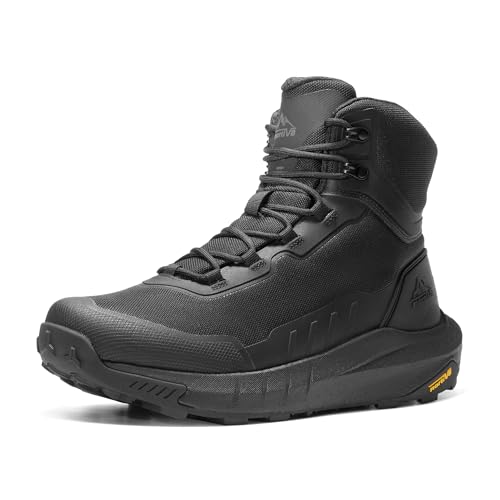
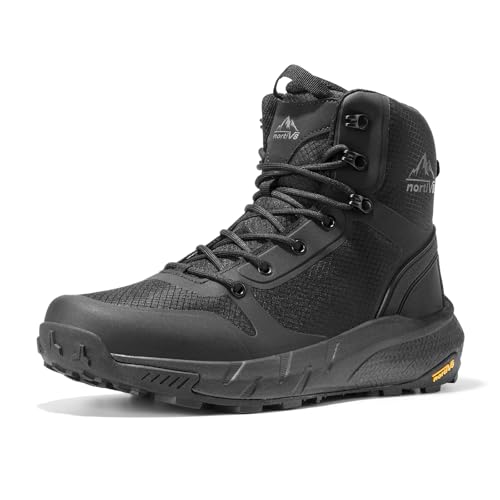

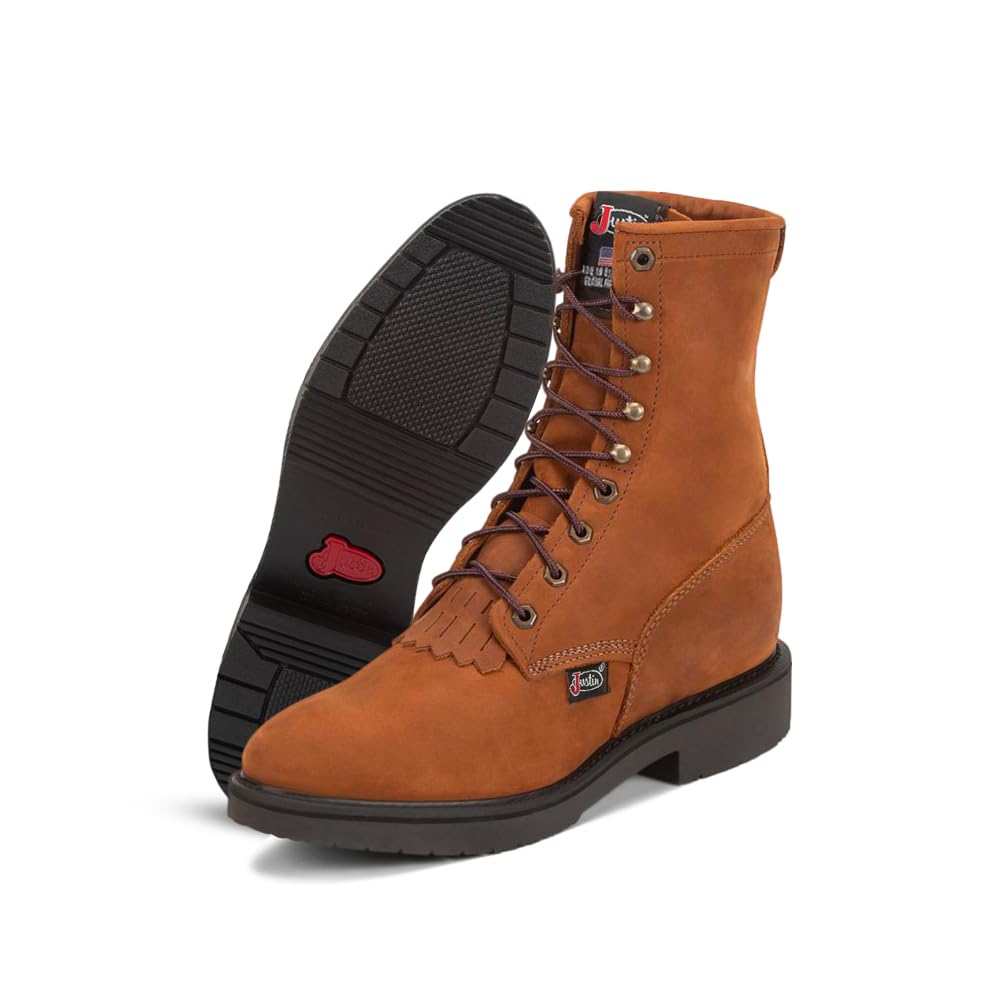
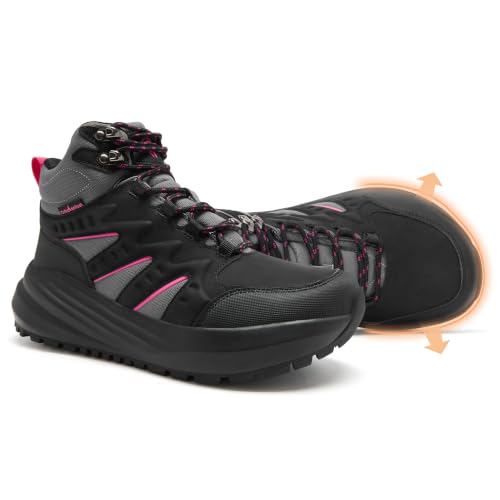


Why the Best Boots for Standing All Day on Concrete Matter
When you walk, your weight moves from foot to foot and muscles take turns. Standing keeps the same tissues loaded for hours. Blood pools in the lower legs, the arch slowly flattens, and pressure sits under the same patch of heel and ball of foot. Hard flooring removes any give, so the boot has to supply it.
That is why a boot that feels fine on a 20 minute walk can feel punishing on a long standing shift. Judge boots by what they do under steady load, not by the first few steps.
Midsole Foam and Insole
What the Midsole Does
The midsole is the layer between your foot and the outsole. It carries most of the cushioning. Look for a midsole that feels springy but firm. Foam that is too soft bottoms out quickly under body weight, and foam that is too hard transmits every shock.
Why the Insole Matters
Many boots ship with a thin insole that flattens within weeks. A removable insole lets you swap in a thicker, more supportive one. Replacing the insole every six to twelve months is cheaper than replacing boots and often brings back lost comfort.
Arch Support and Heel Stability
Standing tires the arch. A boot with a contoured footbed and a firm heel counter keeps the foot from rolling inward as the day goes on. Flat feet often do better with a firmer arch and a stable heel cup, while high arches need padding under the heel and forefoot.
Heel to toe drop also matters. A moderate drop of roughly 8 to 12 mm suits most people. Very flat boots can strain the calves and Achilles tendons if you are not used to them.
Fit for Swollen Feet
Feet can grow half a size by evening. Try boots on late in the day, with the socks you wear at work. Leave about a thumb width in front of your longest toe, and make sure the toes can spread. A heel that slides is a sign the boot is too big in length, so look for a wider cut rather than a longer size when the forefoot feels tight.
Traction on Smooth Floors
Sealed and polished concrete is slippery when wet or dusty. Deep lugs help on mud but reduce contact on smooth floors. Look for a rubber outsole with many small edges and a flat contact area, and check whether your employer requires a rated slip resistant sole.
Safety Toes and Site Rules
Many workplaces require a protective toe. Steel is strong and thin, composite is lighter and does not conduct cold, and soft toes suit jobs with no rating requirement. Check your site rules before you buy, because a pair that fails the rules will not be allowed on the floor.
Weight, Flex and Materials
A lighter boot reduces leg fatigue over thousands of small shifts of weight. Leather uppers last longer and mold to the foot. Synthetic and mesh panels dry faster and breathe better. Check that the boot bends at the ball of the foot, not in the middle of the arch.
Habits That Make Any Boot Work Better
Even the best boots for standing all day on concrete work better with good habits around them.
- Wear moisture wicking socks with some cushioning under the heel and ball of the foot.
- Shift your weight and take small steps now and then rather than locking your knees.
- Stand on an anti fatigue mat where your job allows it.
- Take your boots off during breaks if your site rules allow, and stretch your calves.
- Keep a spare pair of socks for midday.
If you have ongoing pain, numbness or swelling, ask a clinician about personal needs rather than relying on boots alone.
Care and Replacement
Brush off dust and wipe the uppers after each shift. Let boots dry at room temperature with the insoles pulled out, away from direct heat. Press your thumb into the midsole at the heel: foam that feels hard and does not recover has stopped cushioning. Rotate two pairs if you work every day, since foam needs a rest day to bounce back.
Frequently Asked Questions
Are steel toe boots comfortable for all day standing?
They can be, if the toe box is roomy and the boot is well cushioned. Composite toes feel lighter and warmer in cold buildings.
How much should I spend?
Spend where it counts: cushioning and fit. A mid priced pair with replaceable insoles often beats a cheap pair that flattens in months.
Do I need waterproof boots?
Only if your floors are wet or you work outdoors. For dry indoor shifts, breathable uppers keep feet cooler.
How long is the break in period?
Leather boots usually need one to two weeks of regular wear. Start with part of a shift and build up.
Should I size up for thick socks?
Try the boots with your work socks. If your toes feel pressed, go to a wider width before going to a longer size.
Final Thoughts
Match cushioning, arch support and fit to your longest shift, and check traction and toe rules for your site. Use the table above to compare weight, toe type and price. For more on the same floors, see our guide to the best boots for standing on concrete all day. The best boots for standing all day on concrete are the pair that still feel supportive at the end of the week, not just on the first morning.


