
Best Comfortable Tactical Boots: Matching the Right Model to Your Routine for 2026
Disclosure: We may earn a commission when you buy through links on this page, at no extra cost to you. As an Amazon Associate I earn from qualifying purchases. Learn more

Comfortable tactical boots for long shifts and rough ground: match fit, cushioning, waterproofing, and support to your routine.
There is no single pair that feels right for every job, every foot, and every climate. A boot that cushions a long patrol shift can feel heavy on a hot warehouse floor, and a light boot for daily duty can feel thin on rocky ground. Choosing the best comfortable tactical boots starts with matching the boot to your routine and foot shape.
This guide works by use case first, so you can rule out whole groups of boots before you compare details. You will learn which cushioning, support, fit, and weather protection matter for your work, and which extras you can skip. The comparison table below gathers the key options in one place.


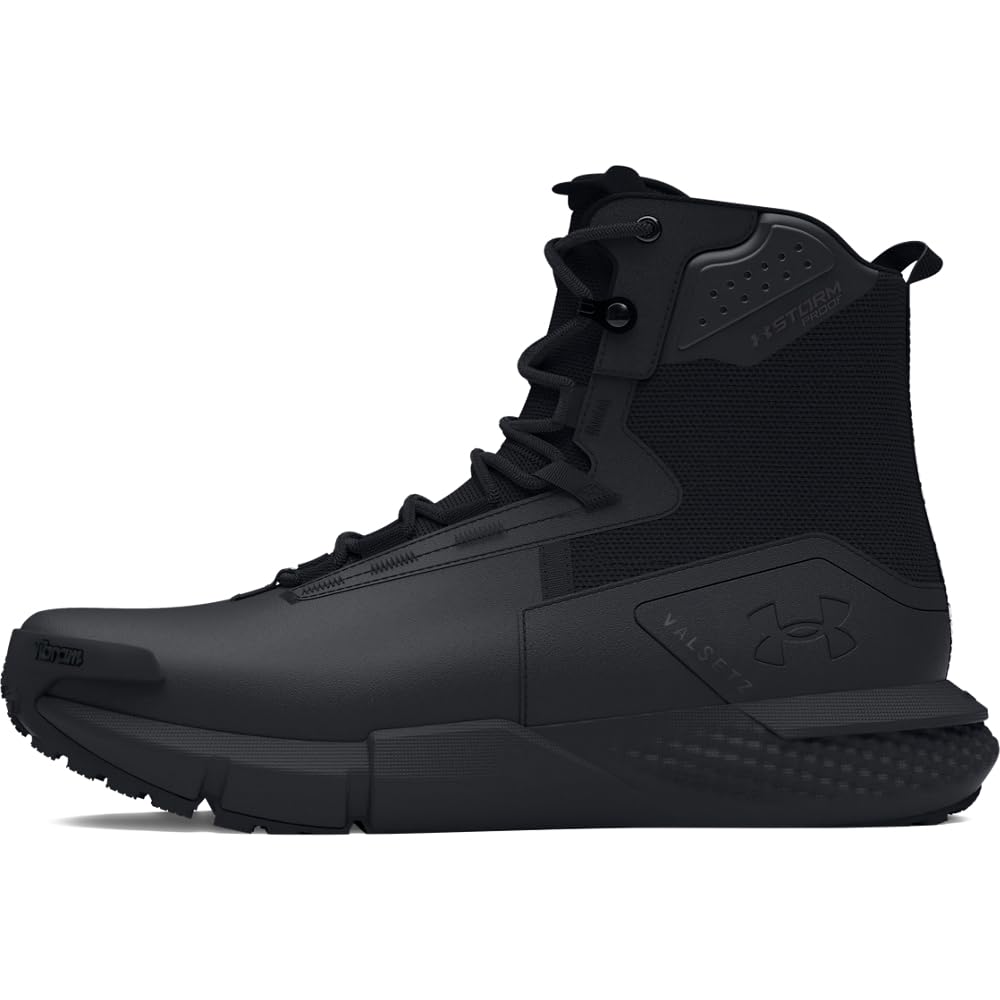


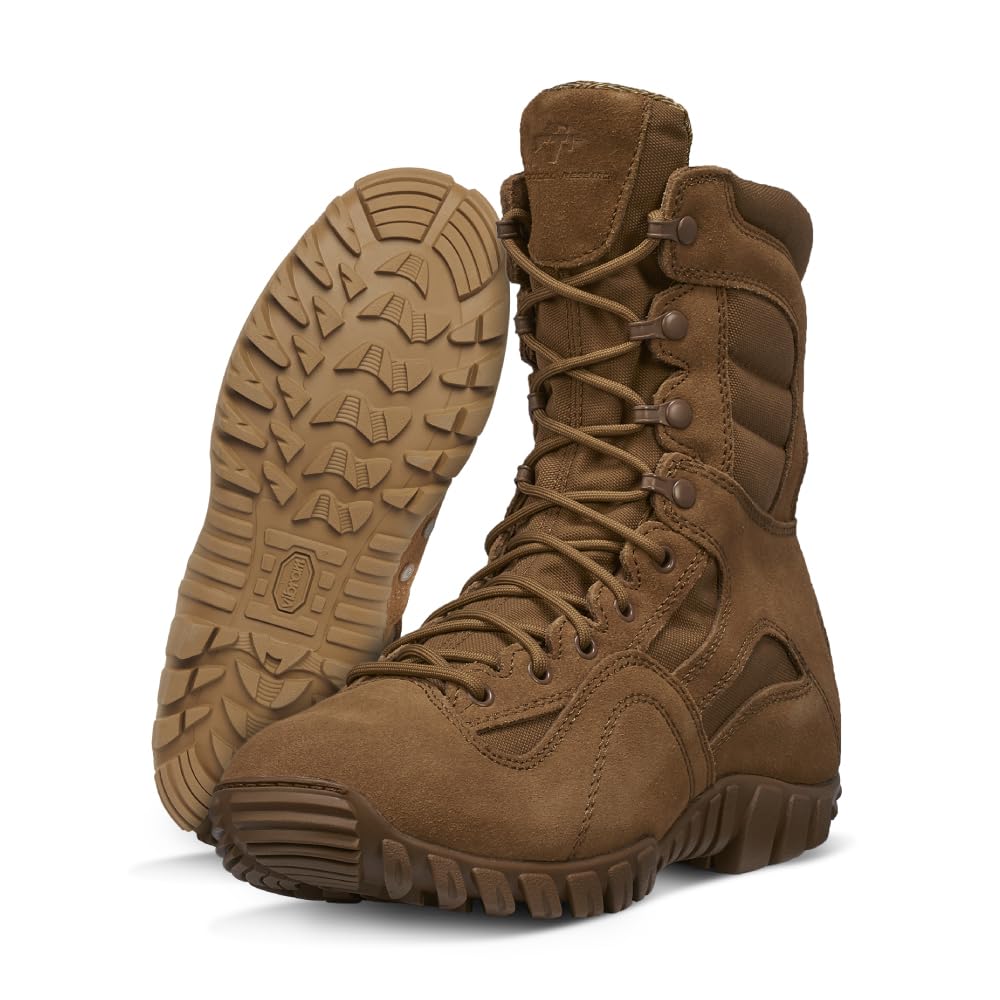


Who Should Buy Which Comfortable Tactical Boots?
Start with the day you actually live, not the hardest day you can imagine. Count your hours on concrete, your time in a vehicle, the weather you face, and how much weight you carry. A boot built for constant mud will punish you on dry pavement, while a soft boot will feel exposed in mud. If pure duty durability matters more than softness, see our guide to the best tactical boots for a broader view of that category.
For Bad Weather and Tough Conditions
You need a sealed upper, a grippy outsole, and enough ankle coverage to keep debris and water out on rough ground. Look for a waterproof membrane, gusseted tongue, and deep lugs that shed mud instead of packing flat. Full grain leather resists brush and rubble better than open mesh. Accept extra weight and warmth, because staying dry matters more in poor conditions.
For Travel, Vehicles, and Tight Storage
If you move between a vehicle, an office, and short walks outside, choose a lower or mid height boot that bends easily at the ankle. A lighter build packs better in a duffel, fits in a locker, and feels less clumsy on pedals. Prioritize a flexible midsole and a smooth toe. You give up some protection on rocky trails, but you gain comfort during the stop and start rhythm of most days.
For Weekend and Occasional Wearers
Weekend wearers often do best with a balanced boot that needs little break in time and works for range days, light hikes, and yard projects. Choose moderate cushioning, a roomy toe box, and a tread that handles wet grass and gravel without feeling harsh on pavement. You do not need the stiffest shank at this level of use. If your weekends are mostly casual, see our guide to the best comfortable boots for softer styles outside the tactical category.
For Long Shifts and Daily Duty
Daily wear on hard floors demands the strongest focus on cushioning, arch support, and a fit that still feels good in hour ten. Look for a resilient midsole, a stable heel counter, and a replaceable insole so you can adjust support. An 8 inch shaft helps if you want more ankle coverage, while a 6 inch shaft suits faster movement. Readers on job sites rather than patrol routes should also see our guide to the best comfortable work boots for options built around work safety rules.
Key Features to Compare
The product table above lists heights, materials, and closure types, but those labels only help if you know what each one changes on your feet. The factors below decide most of the comfort difference between two boots that look similar in photos, and finding the best comfortable tactical boots means working through them in order. Fit and support matter more than any single material claim, and a boot that fails on fit will still fail after you add a premium insole.
Cushioning and Support
Cushioning is the foam and insole system that softens each step, while support is the structure that keeps your foot from rolling under load. In running shoes, these ideas are sold as neutral shoes and stability support shoes, and the same foot types apply in boots. A neutral foot with a normal arch usually does well with even cushioning and a flexible midsole. A foot that rolls inward often feels better with a firmer heel counter and stronger arch support. Heel to toe drop also matters, since a higher heel can ease pressure on tight calves but may feel less stable on uneven ground.
Durability and Expected Lifespan
Durability comes from the upper material, the stitching, and how the outsole is attached to the midsole. Cemented soles keep weight low, while stitched soles often handle heat and heavy use with less risk of separation. Check the toe and heel for extra overlays, because those zones scuff first. Judge lifespan by tread wear and by how flat the cushioning feels, not by the calendar alone.
Fit, Sizing, and Toe Box
Measure both feet late in the day, when swelling makes them closest to their working size, and try boots with the socks you plan to wear. Your heel should stay seated when you walk, your midfoot should feel held without numbness, and your toes should spread without pressing the front. A roomy toe box helps on long shifts and descents, while a narrow toe box can cause blisters even in the correct length. Men comparing lasts and width options should see our guide to the best men's tactical boots for sizing notes specific to those models.
Waterproofing With Gore Tex and Other Membranes
A waterproof membrane such as Gore Tex blocks outside water while letting some heat escape, and that balance suits wet duty, snow, and muddy ground. The trade off is warmth and slower drying once water enters over the collar. In hot and mostly dry climates, a breathable mesh upper without a membrane will usually feel cooler and dry faster. Choose waterproofing for the water you face weekly, not for a rare storm you can handle with spare socks.
Break In Period and Comfort Out of the Box
Leather boots often soften and shape to your foot over the first few weeks, while boots with more mesh and foam padding tend to feel closer to final comfort right away. Early comfort should mean no sharp pressure, no heel rubbing, and no toe crowding, even if the sole feels firm. Short walks first will reveal hot spots before they become blisters. If a boot only feels acceptable when laced extremely tight, the size or last is wrong for your foot.
Outsole Tread, Weight, and Closure
The outsole is your contact with wet tile, gravel, mud, and ladders, so match lug depth and rubber softness to your main surface. Deep widely spaced lugs grip soft ground but can feel squirmy on smooth floors, while shallow tread feels steady indoors and wears faster outside. Weight matters over thousands of steps, yet the lightest boot is not always the kindest if it flexes too much under a pack. Standard laces give the most precise fit, while a side zip speeds entry after laces are set.
Common Mistakes to Avoid When Buying Comfortable Tactical Boots
Most regrets come from buying for a photo, a price, or a single feature instead of for a full day of wear. Use the mistakes below as a final check against the product table above. If a boot triggers two or more of these, keep looking.
- Buying by length alone and ignoring width and toe box shape, which leads to blisters, numb toes, and pain that grows through the day.
- Choosing the softest cushioning without checking stability, which can leave feet and knees tired when the foam lets the foot roll under load.
- Ordering waterproof boots for a hot dry job, which traps heat and sweat and makes the boots dry slowly after every shift.
- Sizing up to gain toe room instead of choosing a wider fit, which lets the heel slip and causes friction with every step.
- Skipping the return and warranty terms for a daily duty boot, which leaves you paying twice if stitching or sole bonding fails early.
- Wearing brand new boots for the longest shift of the week, which turns small hot spots into blisters before the leather or padding can adapt.
Care and Maintenance Tips
Good care protects comfort, because packed dirt and damp foam change how a boot fits. After wet or muddy use, remove the insoles, loosen the laces, and let the boots air dry away from direct heat, which can crack leather and weaken adhesives. Brush dried mud from the outsole and seams. Treat leather as the maker directs, since heavy oils can soften some leathers too much and reduce support.
Rotate two pairs if you wear tactical boots daily, giving each pair a full day to dry and let the cushioning recover. Replace insoles when they stay flat, and replace laces at the first fray near an eyelet. Inspect the heel, toe, and sole edge each month for separation or smooth tread. Retire the pair when the outsole can no longer grip your usual surface or the midsole feels dead underfoot.
Comfortable Tactical Boots: Your Questions Answered
These answers cover the questions buyers ask most after narrowing the field by use case and fit. Each one adds a detail that is easy to miss above. If you notice swelling that does not settle with rest, or persistent pain or numbness, talk with a clinician or a qualified fitting professional about your personal needs.
How should comfortable tactical boots fit when you first try them on?
Comfortable tactical boots should feel secure at the heel and midfoot, with about a thumb width of space in front of your longest toe. Walk, climb a step, and crouch to check that your toes do not slam forward and your heel does not lift. A useful test is to untie and retie at your normal tension, because a fit that depends on overtightening will cause pressure points later.
Can you wear comfortable tactical boots all day on duty?
Yes, you can wear comfortable tactical boots all day if the cushioning, arch support, and sock pairing match your floor surface and step count. Even a good midsole compresses during a long shift, so a short sitting break helps when duties allow. Feet often swell by late afternoon, so a lacing adjustment at midday can restore comfort. Persistent heel or arch pain deserves a different last or support level, not just thicker socks.
Do you need waterproof comfortable tactical boots for your work?
You need waterproof comfortable tactical boots only if rain, wet grass, snow, or washdown water reaches your feet regularly. Occasional splashes can be handled by water resistant leather and a spare pair of socks in your kit. A membrane also slows drying after sweat, so desert posts and hot indoor posts usually favor breathable uppers. Check the collar height as well, since water entering from the top defeats any membrane below it.
Are expensive comfortable tactical boots worth the extra cost?
Expensive comfortable tactical boots are worth it when the higher price buys a better last for your foot, stronger sole attachment, or a membrane you truly need. Price alone does not guarantee comfort, and a costly boot in the wrong width will still hurt. Spend first on fit, support, and the outsole for your surface. Skip paid extras such as decorative panels that add weight without adding function.
How long is the break in period for comfortable tactical boots?
The break in period for comfortable tactical boots usually runs from a few short wears for padded synthetic styles to two or three weeks of gradual use for stiff leather styles. Increase wear time by an hour or two at a time and tape known rub points early if you feel heat building. A helpful sign of progress is the crease forming where your foot naturally bends. Pain that sharpens, numbness, or skin damage means the fit is wrong rather than simply new.
The Bottom Line
Match the boot to your routine first, then let fit, cushioning, and support settle the final choice. Keep the comparison table above open while you check toe box room, membrane type, shaft height, and outsole pattern against your surface and climate. When you choose the best comfortable tactical boots for the job you actually do, you avoid overpaying for protection you never use and suffering in features you truly needed. Prices and availability can change, so check the product page before ordering.


